



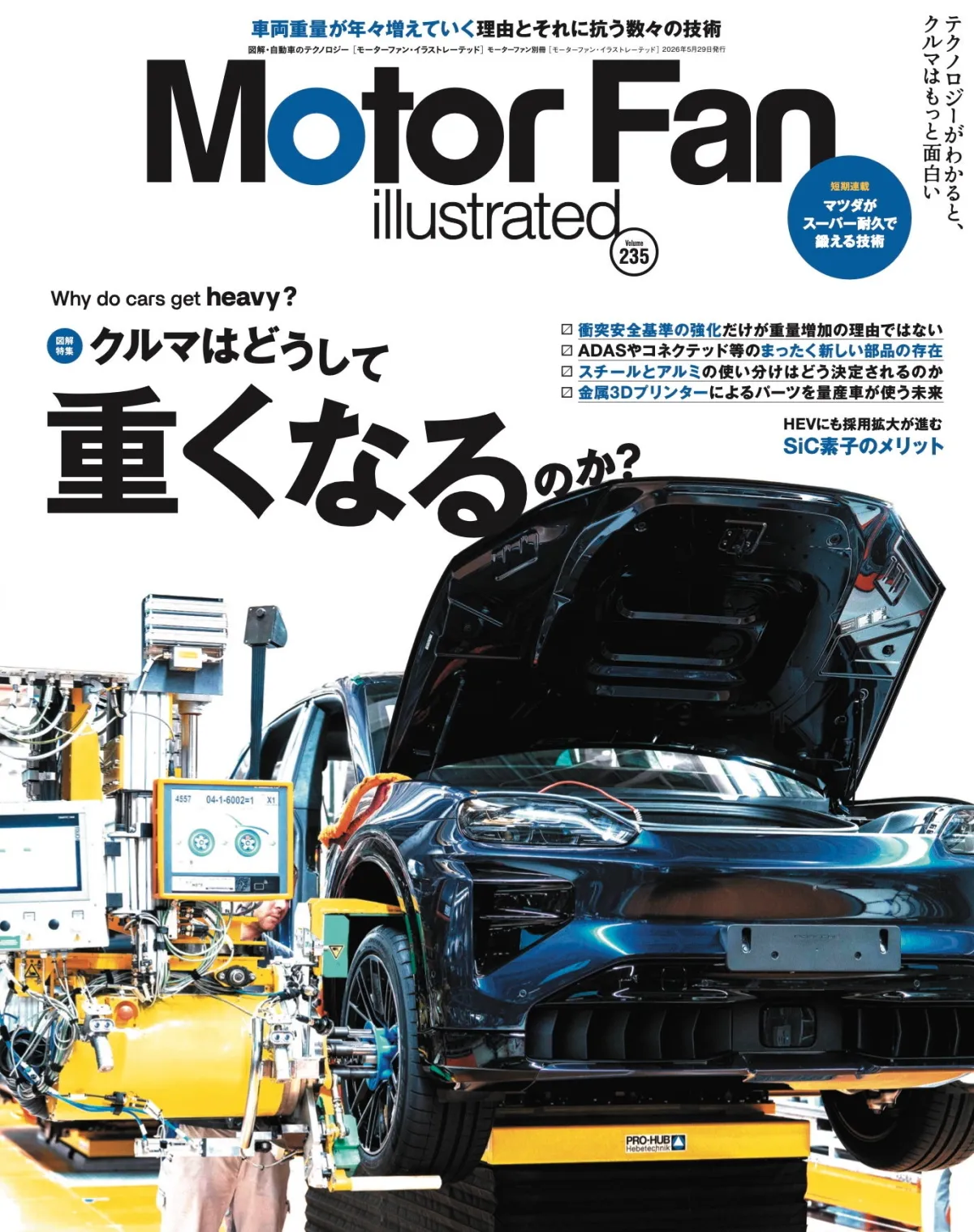
Exploring the Weight of Modern Cars: Insights from MOTOR FAN Illustrated Vol.235
Unraveling the Mystery of Vehicle Weight in MOTOR FAN Illustrated Vol.235
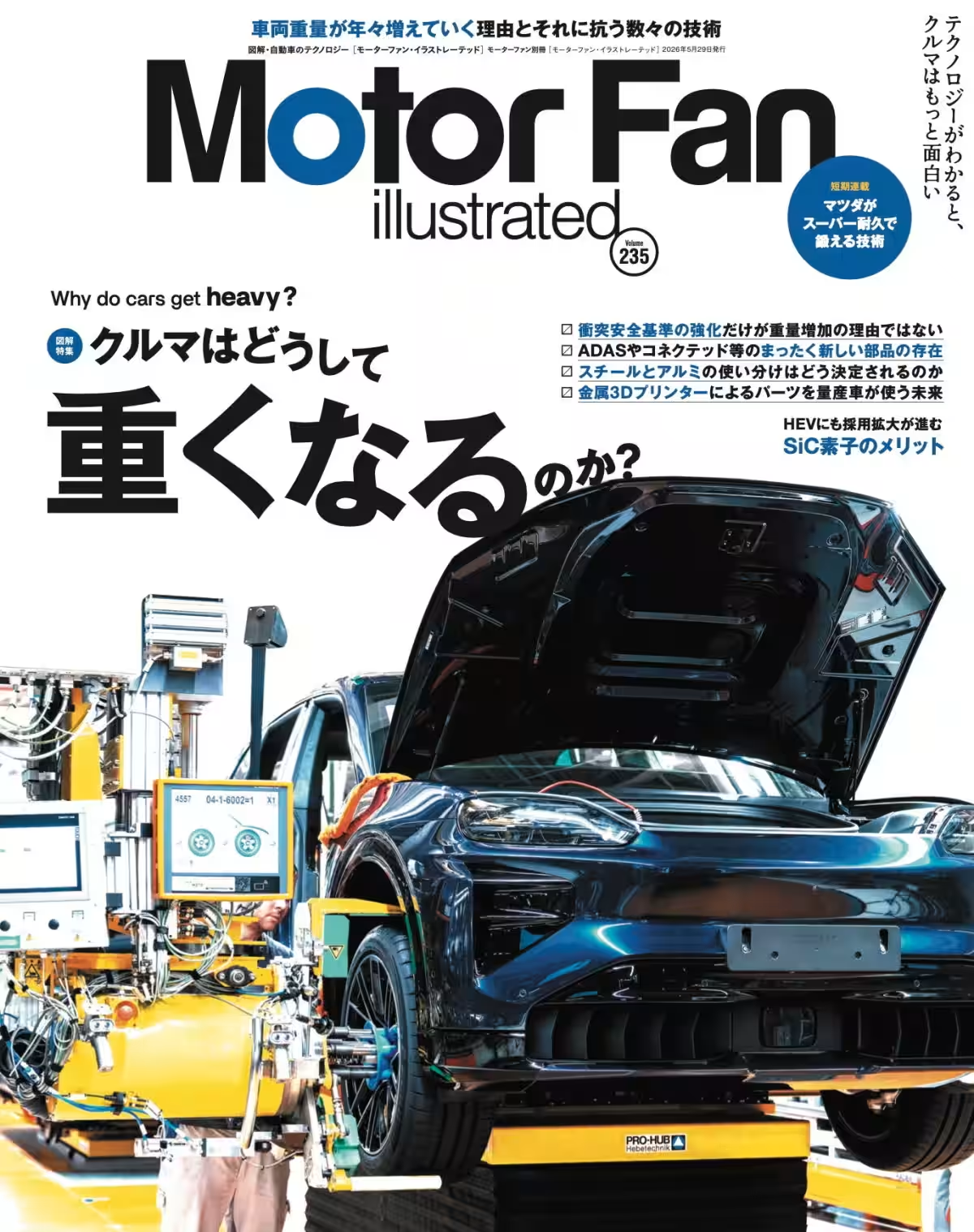
On April 15, 2026, San-Ei Corporation will launch the latest edition of MOTOR FAN Illustrated, titled "Why Are Cars Getting Heavier?" This edition will provide an in-depth analysis of the factors contributing to the increasing weight of modern vehicles through photographs and illustrations.
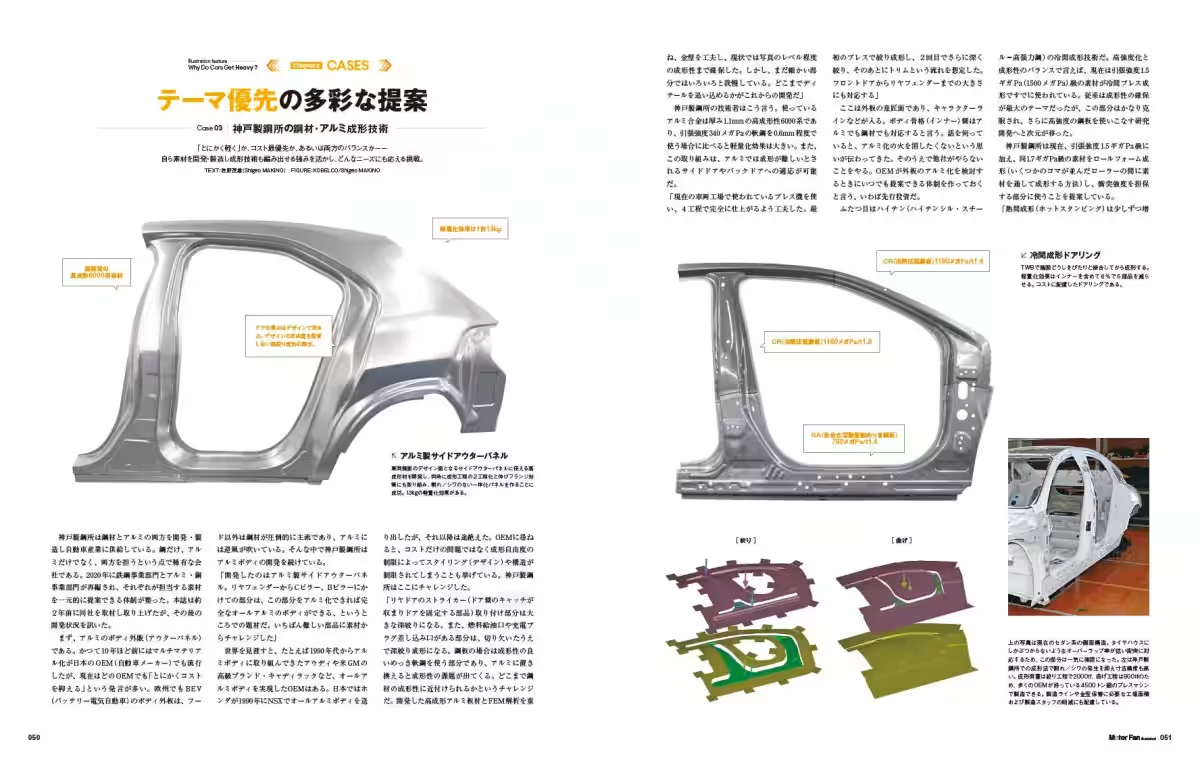
The magazine adopts the principle that understanding technology makes cars even more interesting. With automobiles increasingly becoming heavier with each model change, this issue seeks to unveil the reasons behind this trend. While many attribute the weight increase primarily to stricter collision safety standards requiring stronger bodies, the reality is much more complex. The issue features insights gathered from leading suppliers of steel and aluminum, showcasing various technologies that aim to curb weight increases in vehicles.
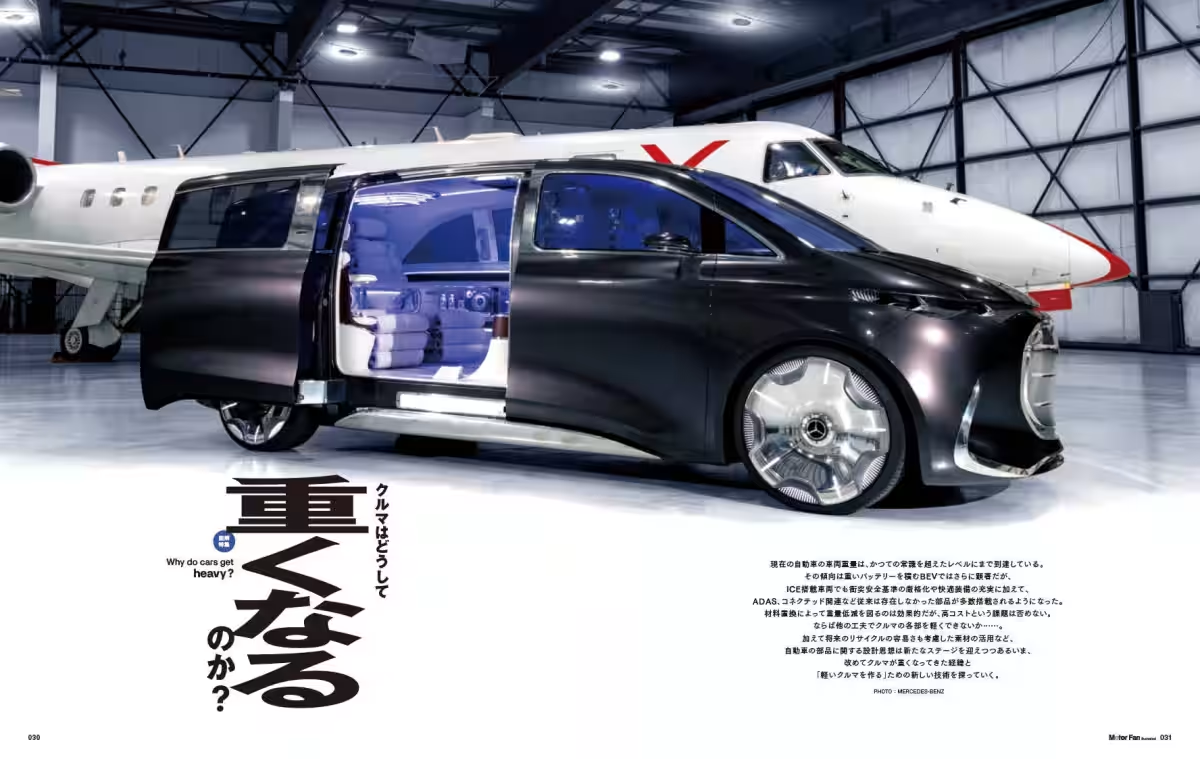
Modern vehicle weight has reached levels far exceeding those of previous generations. This trend is notably pronounced in Battery Electric Vehicles (BEVs), which rely on heavy batteries. However, even Internal Combustion Engine (ICE) vehicles are becoming heavier due to various factors, such as enhanced comfort features, advanced driver-assistance systems (ADAS), and a higher number of components that were not present in earlier models. While material substitution is an effective method to reduce weight, it often presents challenges in terms of cost.
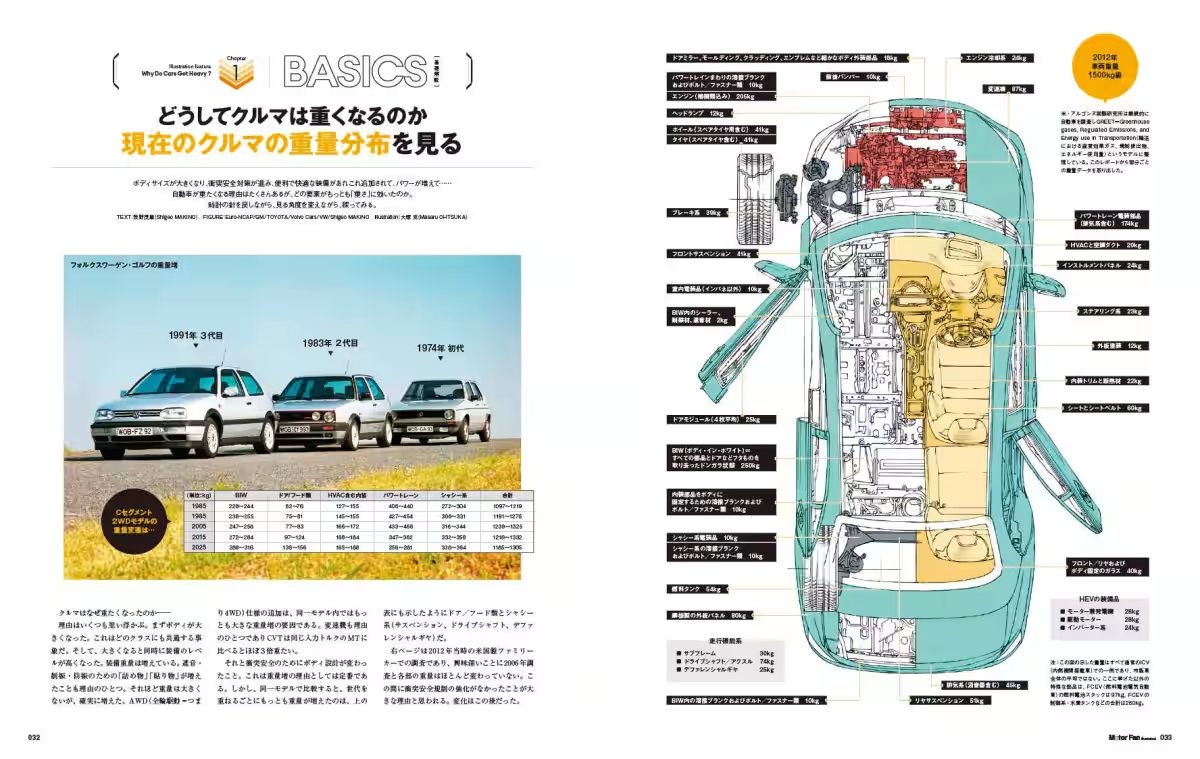
As we explore the historical context of vehicle weight, we will examine how factors like increased vehicle size, boosted powertrain outputs, and improved collision safety measures have contributed to this weight gain. By comparing the weight distribution of historical vehicles, we aim to uncover which factors most significantly influence vehicle weight.
The adoption of aluminum in different car components has proven effective in reducing weight. European OEMs have long embraced aluminum in high-end models, while Japanese OEMs tend to stick with steel. We highlight Kobe Steel, one of the rare suppliers with expertise in both materials, discussing their insights on using aluminum and steel in manufacturing vehicles.
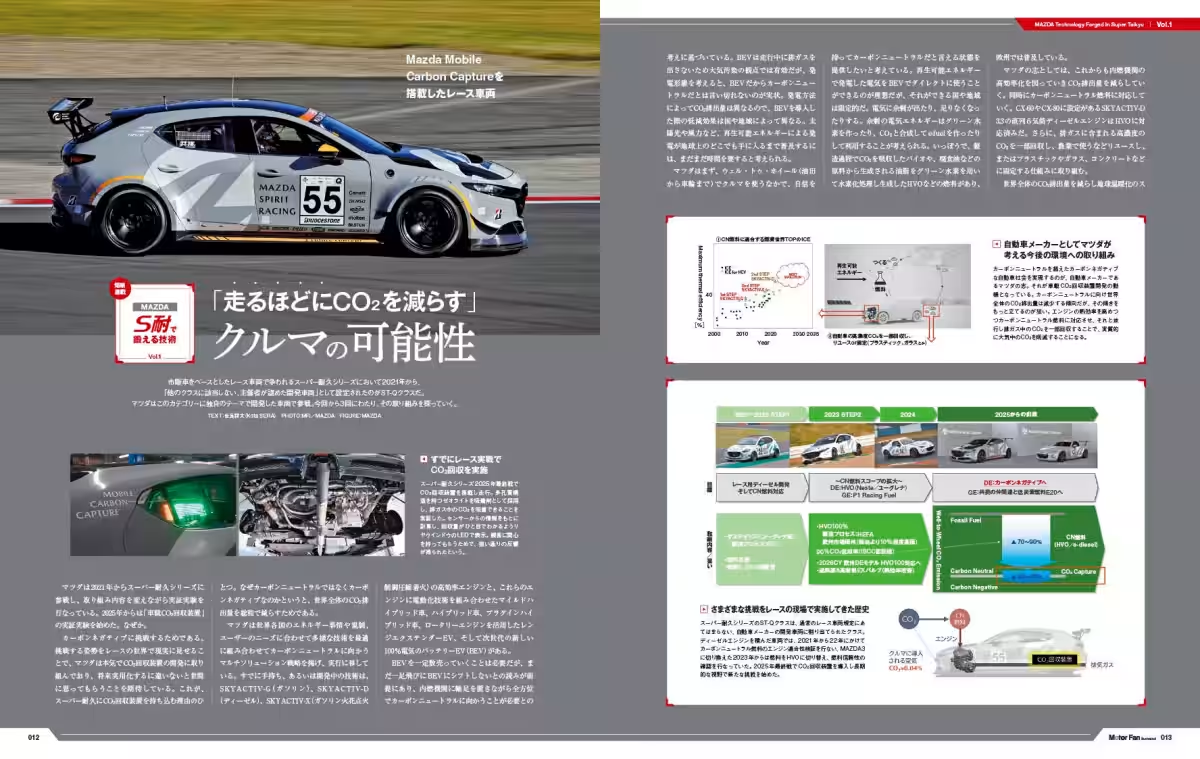
Additionally, we will cover the Super耐久ST-Q class, a race division for cars based on commercial models introduced in 2021, allowing manufacturers to test future technologies. In this edition, we present a short series on Mazda's pursuit of technological advancements, showcasing their innovative efforts to capture CO2 emissions during driving.
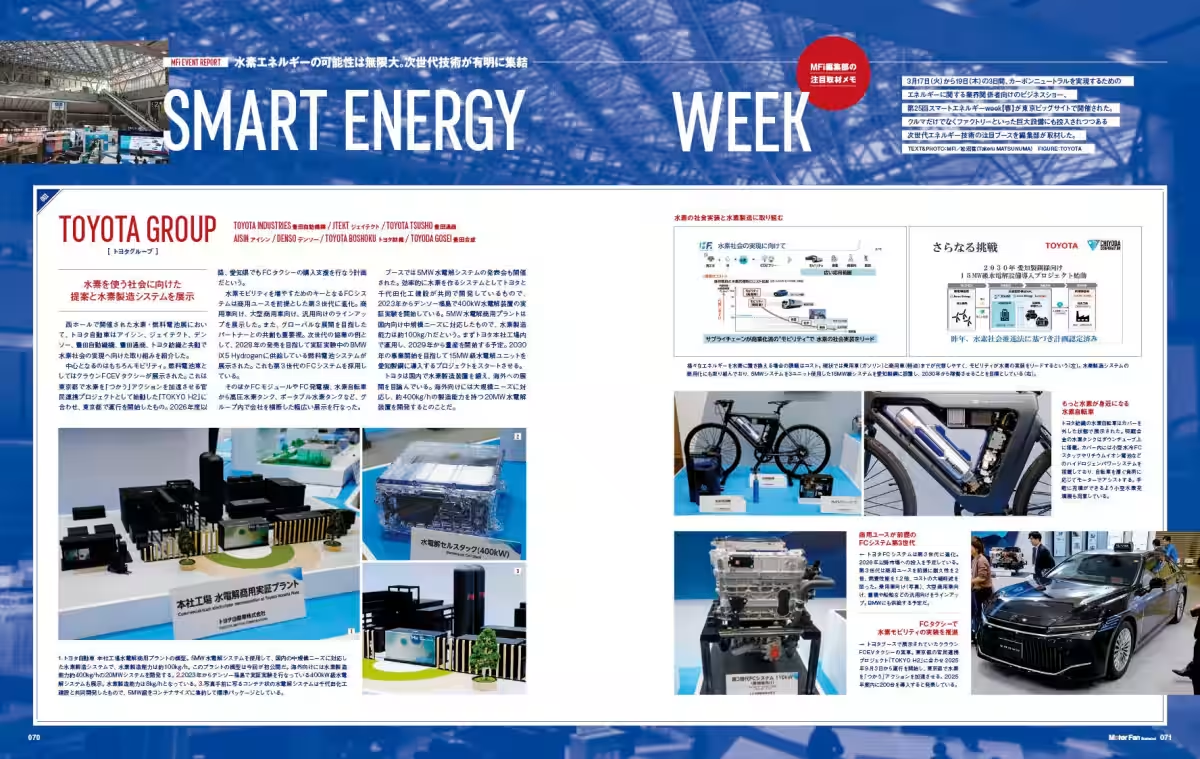
Recent technology trends include hydrogen fuel cells, solar power, and renewable energy, which are vital for achieving carbon neutrality. The Smart Energy Week, held in March, featured various exhibitors showcasing automotive and mobility-related technologies. Our coverage includes notable innovations displayed at the event.
The latest MOTOR FAN Illustrated Vol.235 promises to equip readers with a wealth of knowledge about vehicle weight dynamics and the innovative solutions the automotive industry is employing to address these challenges. From exclusive interviews and special reports to regular segments on the latest trends, readers can expect a comprehensive exploration of what makes modern cars heavier and how advancements are paving the way for lighter alternatives.
For more details, including purchasing information, visit the official San-Ei website: San-Ei Official Website.
Topics Consumer Products & Retail)
【About Using Articles】
You can freely use the title and article content by linking to the page where the article is posted.
※ Images cannot be used.
【About Links】
Links are free to use.