



Long COVID Treatment at Okayama University: Over Half of Patients Need More Than 180 Days of Care
Long COVID Treatment at Okayama University
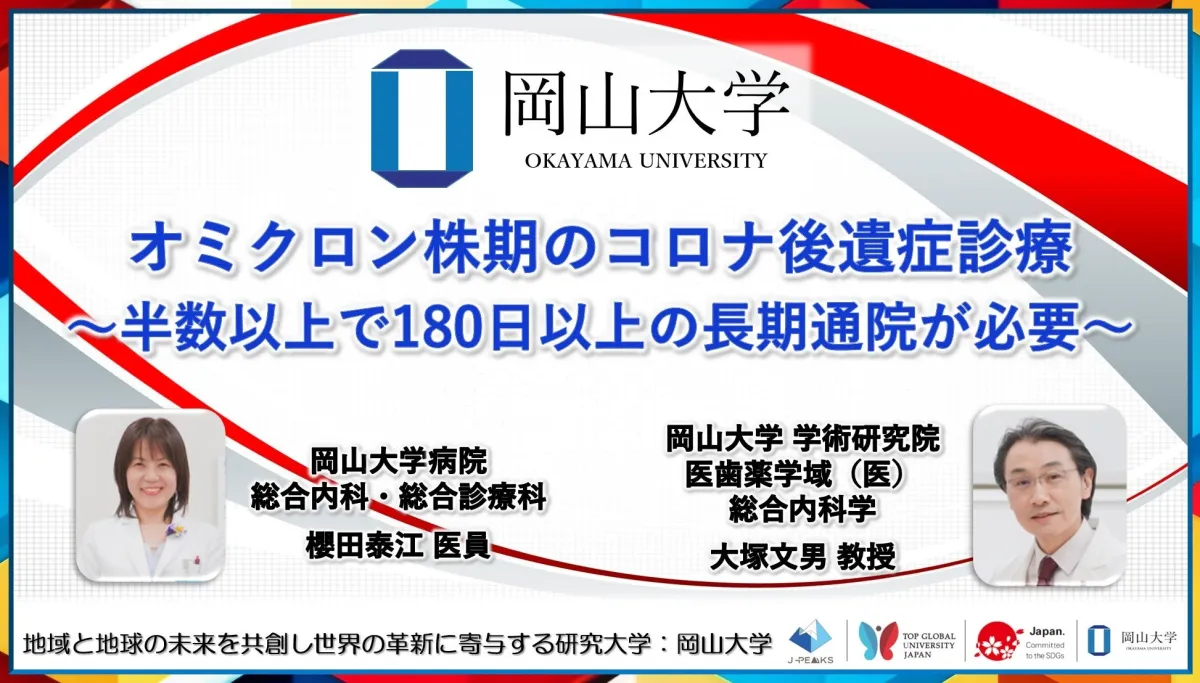
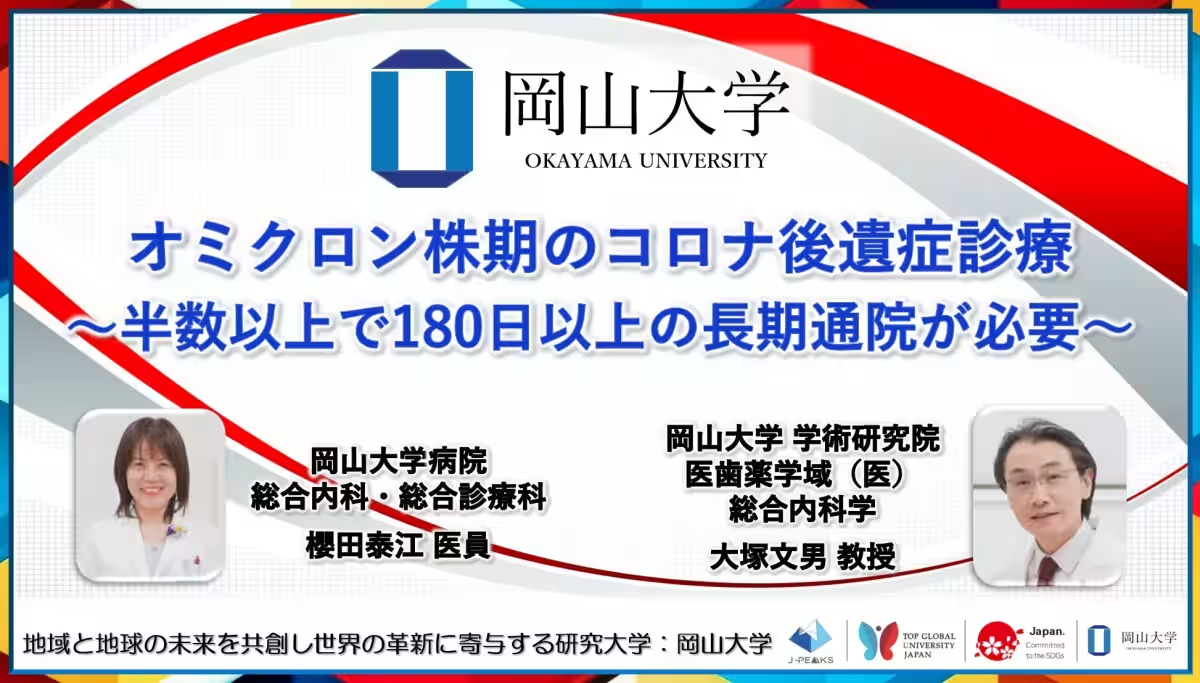
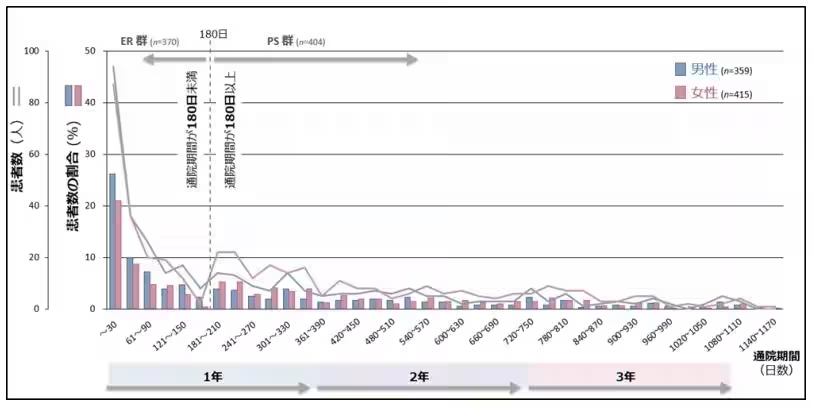
A recent investigation from Okayama University has brought to light significant findings regarding the long-term care needed for COVID-19 patients exhibiting post-viral symptoms, specifically those impacted during the Omicron variant. An impressive 52.2% of individuals visiting the hospital's long COVID clinic had been in care for more than 180 days since their initial diagnosis.
Key Findings from the Study
The research team, consisting of notable experts such as Dr. Yasue Sakurada and Professor Fumio Otsuka, analyzed the records of patients treated for long COVID. Not only did they find that over half of the patients needed extended follow-up, but they also highlighted a concerning trend: female patients accounted for 59.4% of those requiring lengthy visits. Furthermore, women exhibited a higher likelihood of reporting multiple symptoms compared to their male counterparts (54.7% vs. 48.4%).
The symptoms most commonly reported by women included fatigue, sleep disorders, memory issues, and numbness, while men primarily reported fatigue and headaches. This information underscores the need to understand the full extent of COVID-19's impact on health and well-being.
The study also revealed that patients needing prolonged care often presented significant physical and mental fatigue during their first consultation, along with low quality of life scores and high levels of depression. Such findings strongly advocate for continued monitoring and management of individuals recovering from COVID-19, as symptoms can persist long after the infection has cleared.
Background of the Research
Conducted by the General Medicine and Comprehensive Care Department of Okayama University Hospital, the study forms part of a broader initiative to understand and treat long COVID. The researchers aspire to continue developing insights into the clinical characteristics surrounding prolonged symptoms in COVID-19 patients. Their findings have been recognized and published in the Journal of Clinical Medicine on July 11, 2025.
Statements from the Research Team
Dr. Yasue Sakurada expressed her concern that women disproportionately suffer from severe symptoms, prompting the need for healthcare providers to adopt a supportive and understanding approach towards female patients suffering from long COVID. Dr. Sakurada remarked on the importance of increasing understanding of these aftereffects while contributing to ongoing research aimed at elucidating the disease's mechanisms and developing effective treatments.
Professor Fumio Otsuka emphasized the necessity of remaining vigilant about potential long COVID risks, even as infection rates decline. He noted that the trajectory of patient recovery may be variable, making it imperative to prioritize continuous awareness and preventive measures.
Conclusion
The findings from Okayama University not only highlight the considerable challenge that long COVID poses to public health but also emphasize the critical need for tailored treatment approaches based on gender differences and specific symptoms. As the situation evolves, researchers and healthcare professionals will continuously work to improve patient outcomes and further explore the complexities of post-viral syndromes affecting COVID-19 survivors.
For further information on this study, you can access additional resources through the Okayama University Hospital website or the Journal of Clinical Medicine.
References







Topics Health)
【About Using Articles】
You can freely use the title and article content by linking to the page where the article is posted.
※ Images cannot be used.
【About Links】
Links are free to use.