



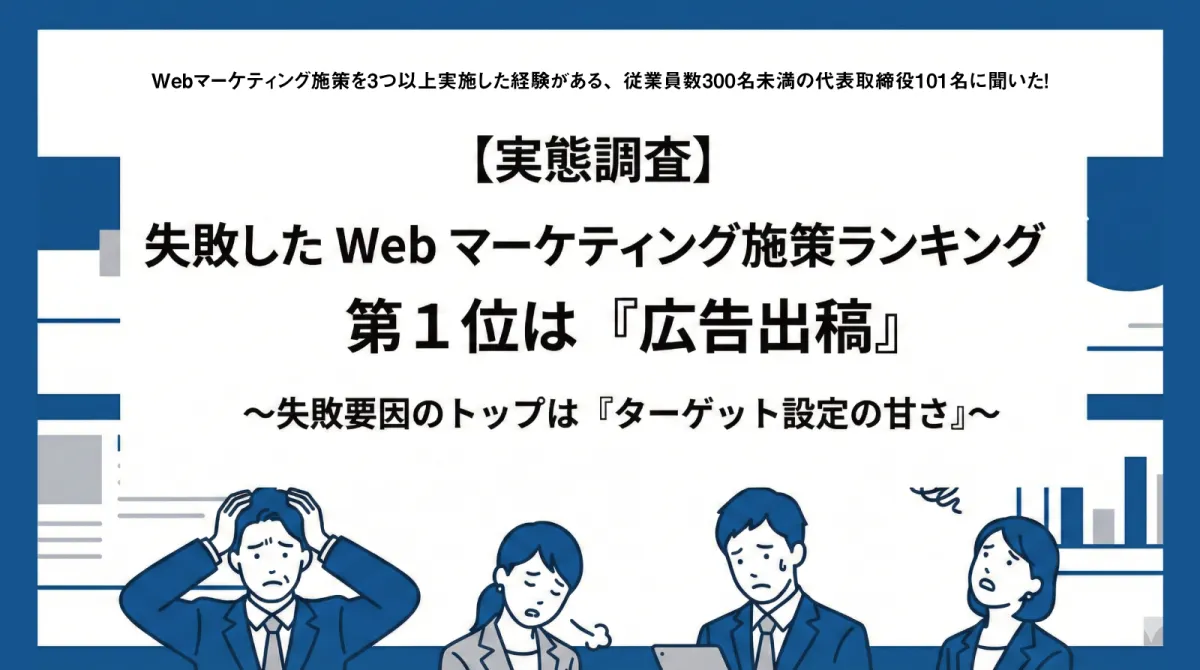
Exploring the Key Reasons Behind Web Marketing Failures: Insights from Mochiya's Recent Study
Overview of Web Marketing Failures
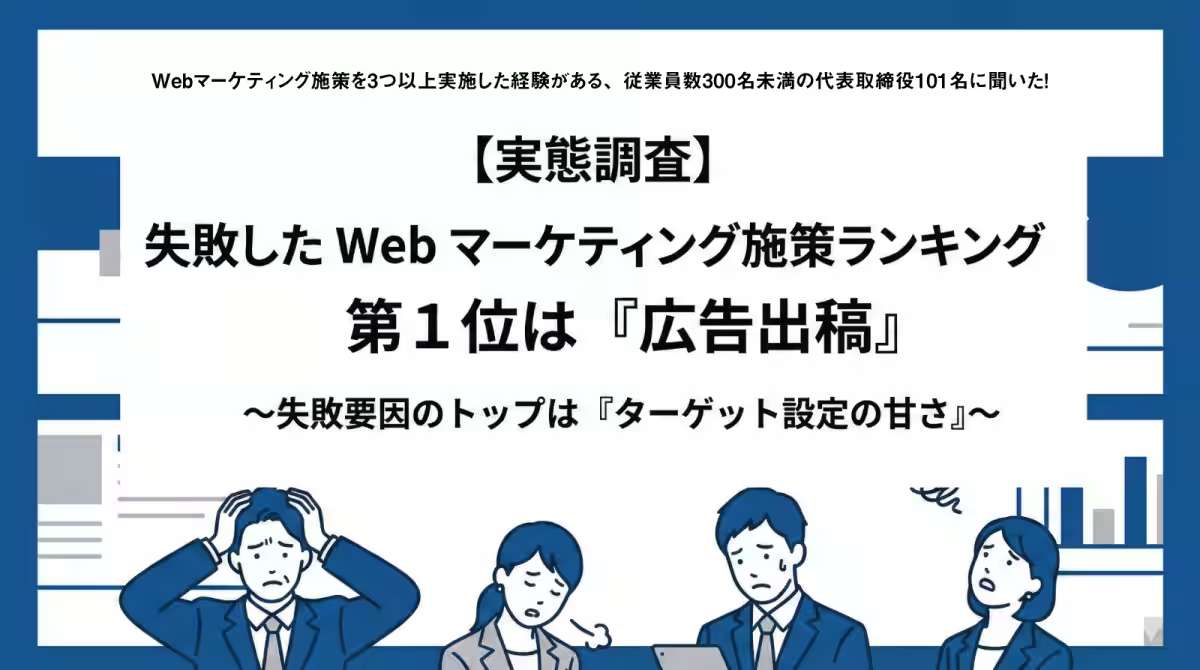
In the ever-evolving world of digital marketing, many companies are struggling to achieve their desired results. Mochiya, Inc., a company based in Shinagawa, Tokyo, recently published a white paper titled Seven Principles Learned from Web Marketing Failures, revealing significant insights into the reasons companies fail in their web marketing endeavors. Conducted with input from 101 small to mid-sized company executives, this study aims to shed light on these failures and provide actionable solutions.
Key Findings from the Study
The study reveals a troubling trend in web marketing strategies, where many organizations fall short of their goals due to various factors:
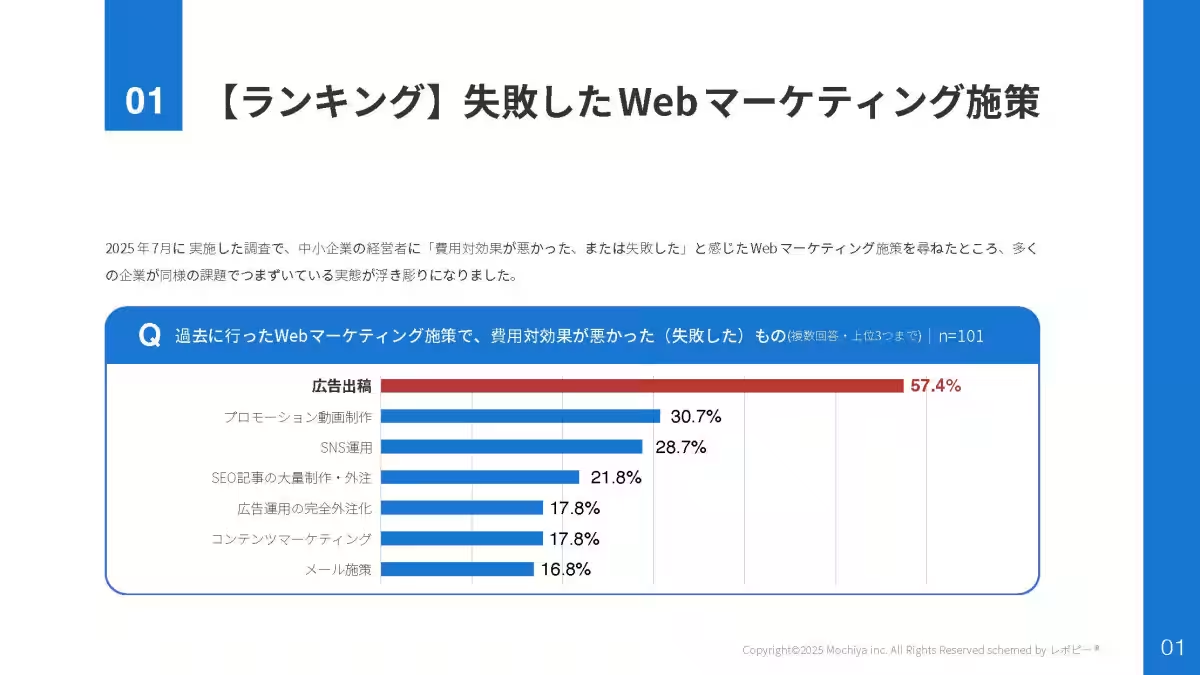
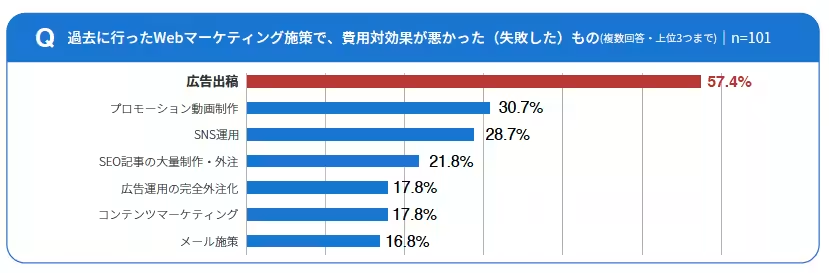
1. Top Failed Web Marketing Tactics
- The most significant failure was found in advertisement deployment, accounting for 57.4% of the responses. This was followed by video production at 30.7% and social media management at 28.7%. These findings point towards a common theme: businesses are investing in promotional tactics without sufficient foundational strategy.
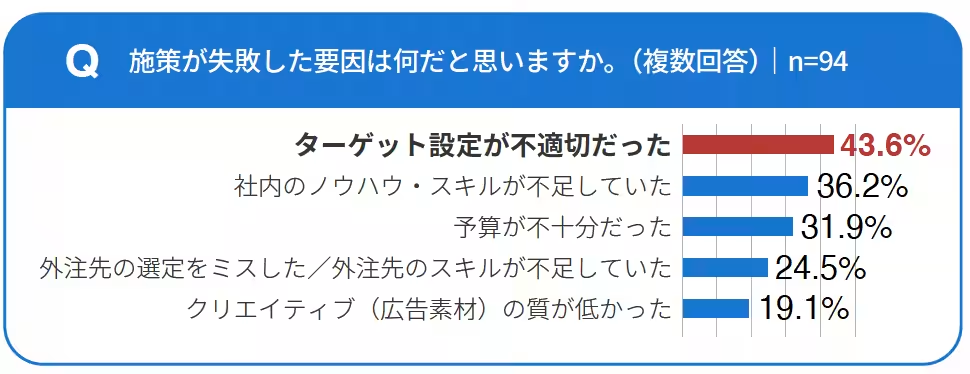
2. Main Reasons for Failures
- When asked about the factors contributing to these failures, an alarming 43.6% indicated that the primary issue was inaccurate target setting. Other prominent issues included lack of internal skills and knowledge (36.2%) and insufficient budgets (31.9%). The data suggests that businesses often act on the urge to quickly mimic competitors or rely on the naïve assumption that advertising can drive sales without proper strategy.
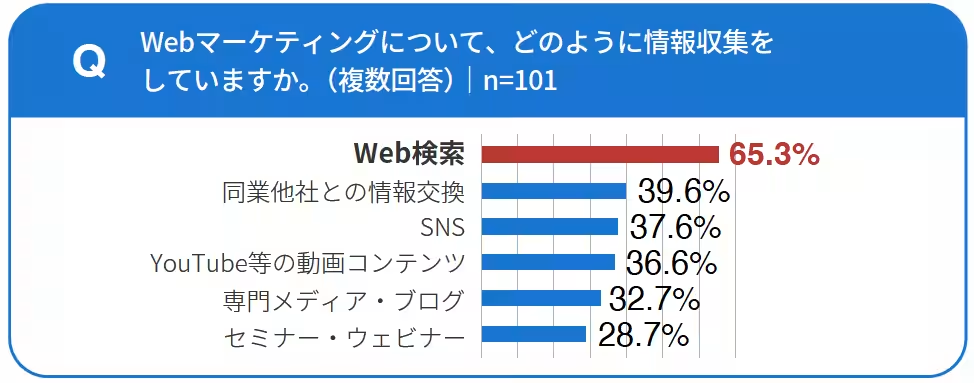
3. Sources of Information Gathering
- A vast majority (65.3%) of respondents reported using web searches for information, indicating a tendency toward gathering fragmented knowledge that may not address their specific issues. Other sources included exchanging information with peer companies (39.6%) and social media platforms (37.6%). Although these sources provide convenience, they often lead companies to superficial or piecemeal understanding.
4. Benchmarks for Success and Failure
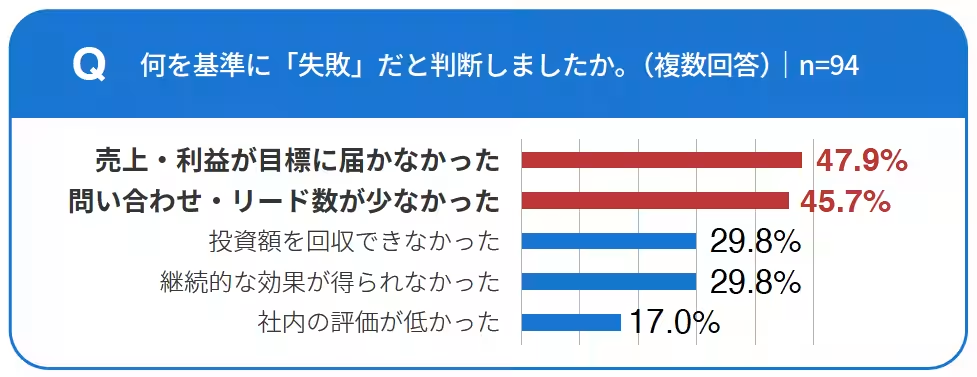
- When evaluating failures, responses indicated that the leading criteria were unmet sales and profits at 47.9%, followed by insufficient inquiries or leads at 45.7%. This underscores a critical disconnect; despite a clear desire to achieve numerical success, many companies neglect the strategic planning required to get there.
Addressing the Issues
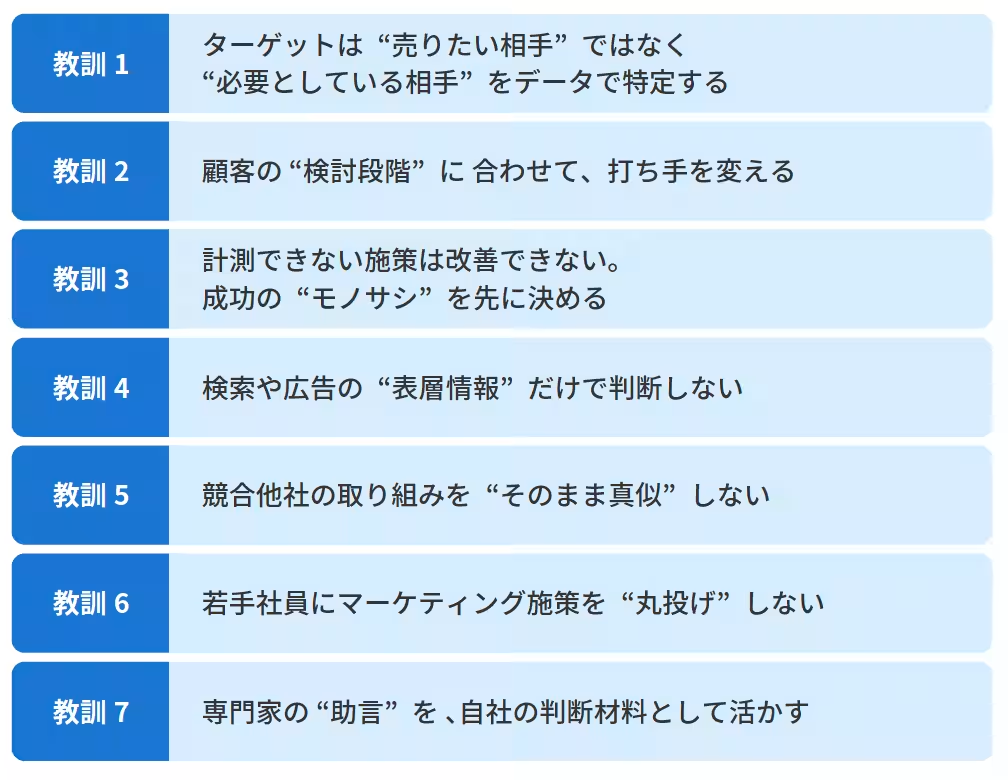
Through reversing the findings of the research, Mochiya has articulated Seven Principles Learned from Web Marketing Failures, aimed at helping companies formulate more effective marketing strategies. These principles serve as a guide to improve target setting, enhance internal skills, and ultimately, optimize budget allocation for better results. By promoting a strategic mindset, businesses can avoid the traps of investing without a solid foundation.
Conclusion
The results of this study reveal that the shortcomings in web marketing largely stem from the lack of a strategic framework—specifically, understanding who to market to and what to market. Therefore, it is essential for businesses to reflect on these insights and create a disciplined approach to digital marketing. Mochiya, Inc. is committed to assisting companies in navigating these challenges and achieving measurable success in their web marketing efforts.
For a more thorough analysis and practical guidance on preventing failures while maximizing results, Mochiya offers free access to the full white paper. You can download Seven Principles Learned from Web Marketing Failures at the following link:
Download Here
About Mochiya, Inc.
Mochiya, Inc. specializes in web system design, development, operation, infrastructure, UI design, and marketing, located on the 2nd floor of Gotanda JP Building, Shinagawa, Tokyo. To know more about their services, visit their website.
Topics Business Technology)
【About Using Articles】
You can freely use the title and article content by linking to the page where the article is posted.
※ Images cannot be used.
【About Links】
Links are free to use.