



Understanding Male Menopause: A Survey Reveals Alarming Trends in Japan
A Closer Look at Male Menopause and Its Implications
Unveiling a Hidden Health Crisis
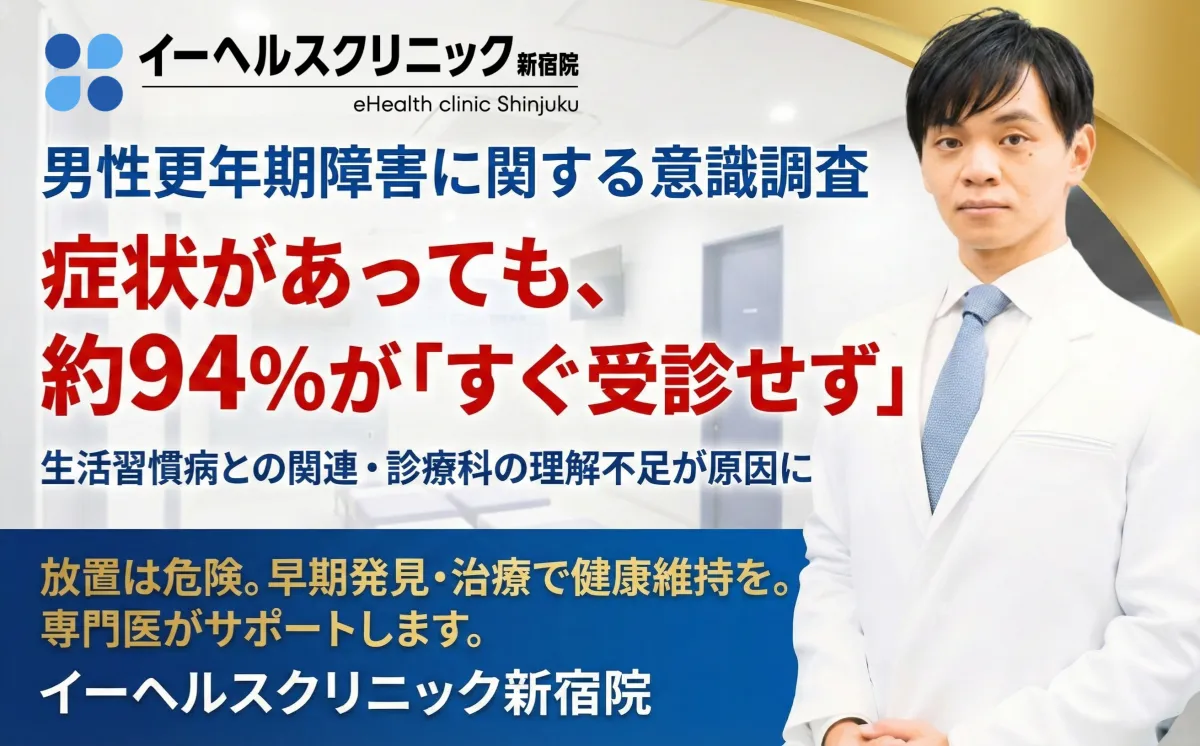
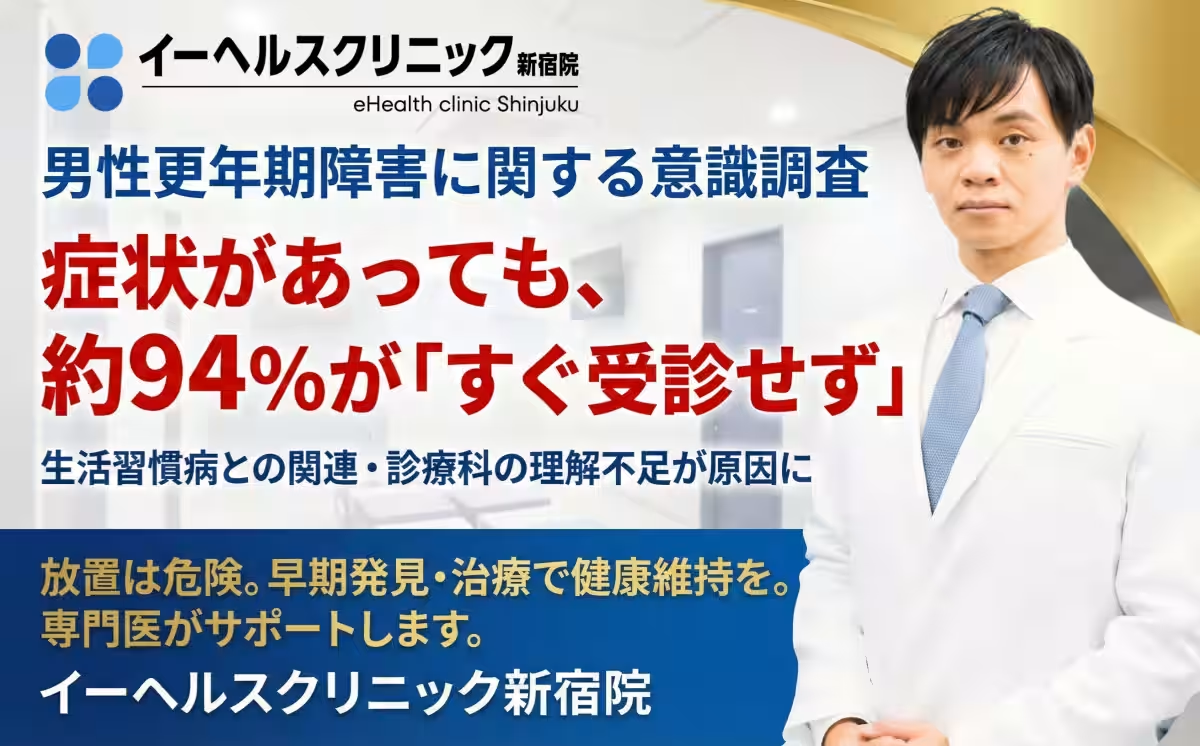
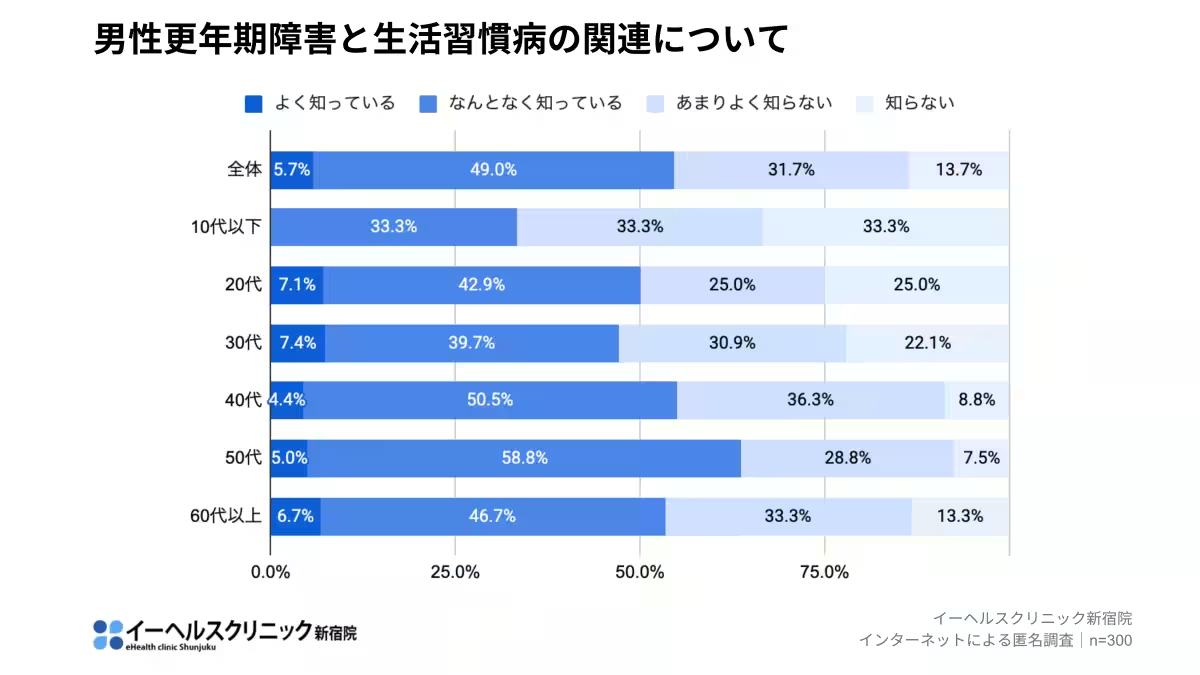
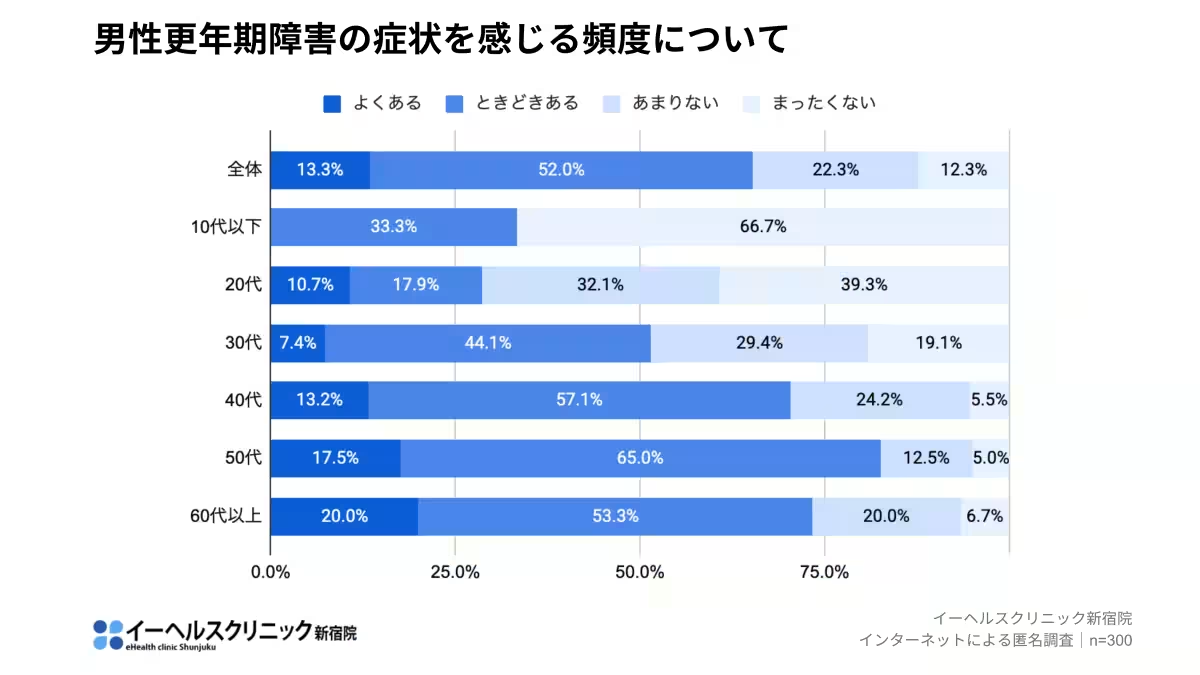
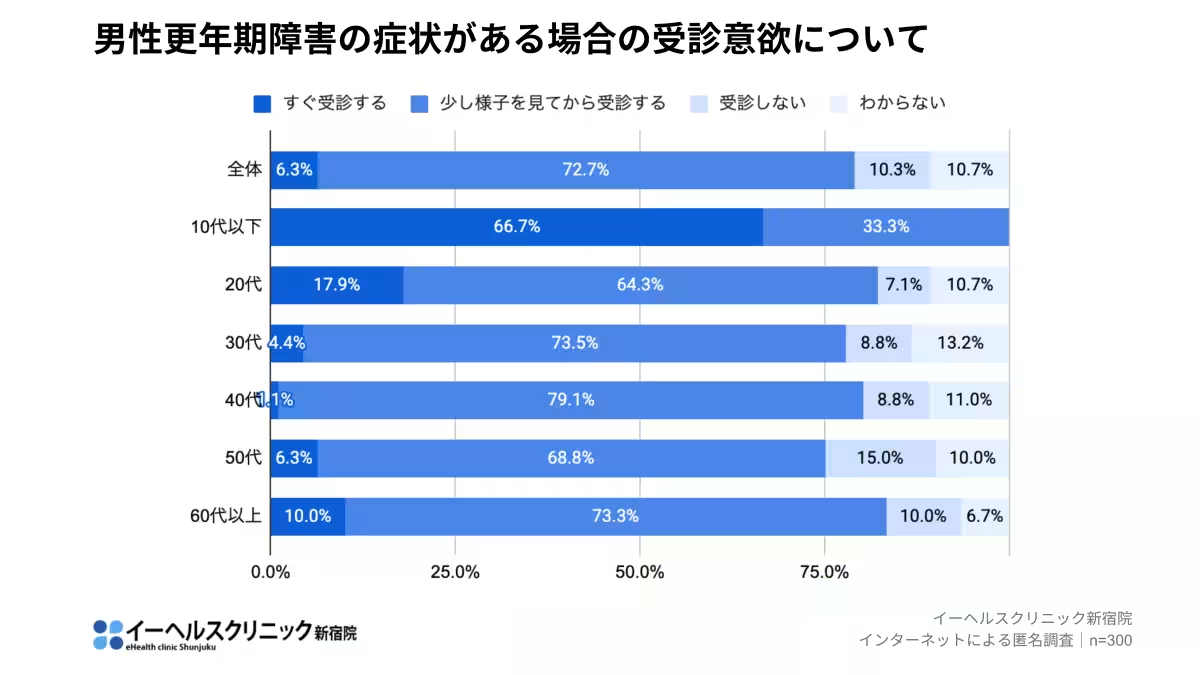
A recent survey conducted by eHealth Clinic Shinjuku, located in Shinjuku, Tokyo, focused on the alarming trends surrounding male menopause, also known as LOH syndrome. While some awareness of male menopause exists, the survey revealed a concerning 94% of men do not seek medical consultation despite experiencing symptoms. This failure to act is compounded by a lack of understanding regarding the connection between male menopause and lifestyle diseases.
What is Male Menopause?
Male menopause refers to the gradual decline in testosterone levels due to aging, which can manifest in several physical and psychological symptoms. Common signs include:
- - Severe fatigue and lethargy
- - Decreased libido and erectile dysfunction (ED)
- - Mood swings and feelings of hopelessness
- - Irritability and emotional fluctuations
- - Impaired concentration and memory
- - Sleep disturbances and reduced sleep quality
- - Decreased muscle strength and overall energy
These symptoms can significantly disrupt daily life and work performance. However, many men misconstrue these issues as typical aging changes or temporary stress-related symptoms, often ignoring the underlying health concerns.
The Connection to Lifestyle Diseases
Testosterone plays a crucial role in maintaining overall health, influencing muscle mass, lipid metabolism, blood sugar regulation, and vascular health. Low testosterone levels can lead to:
- - Increased visceral fat
- - Higher insulin resistance
- - Elevated blood sugar levels
- - Progression of arterial stiffness
These conditions exacerbate the risk of developing lifestyle diseases such as diabetes, hypertension, and dyslipidemia. Therefore, male menopause should not be dismissed merely as an age-related phenomenon; it may represent critical warnings for potential lifestyle health issues.
As lifestyle diseases progress, they may lead to further complications, compounding the symptoms associated with male menopause. This underscores the necessity for early detection and appropriate treatment to improve long-term health outcomes.
The Growing Awareness of Male Menopause as a Social Issue
The Japanese Men's Health Medical Society emphasizes that male menopause significantly impacts not only individual health but societal welfare. In a groundbreaking recognition, the Japanese government included male menopause in its Basic Policy on Economic and Fiscal Management and Reform (June 2025). For the first time, it has been formally acknowledged as a pressing social issue rather than merely a natural aging process.
Economic Implications
Government reports estimate that health challenges unique to men, including those related to male menopause, result in economic losses of approximately 1.2 trillion yen annually. Many of these losses stem from issues associated with menopause symptoms, signaling a pressing need for work-style reforms and increased medical consultations.
In response, the Ministry of Health, Labour and Welfare plans to intensify research into the realities and mechanisms of male menopause, promoting initiatives to encourage early detection and treatment.
Survey Insights
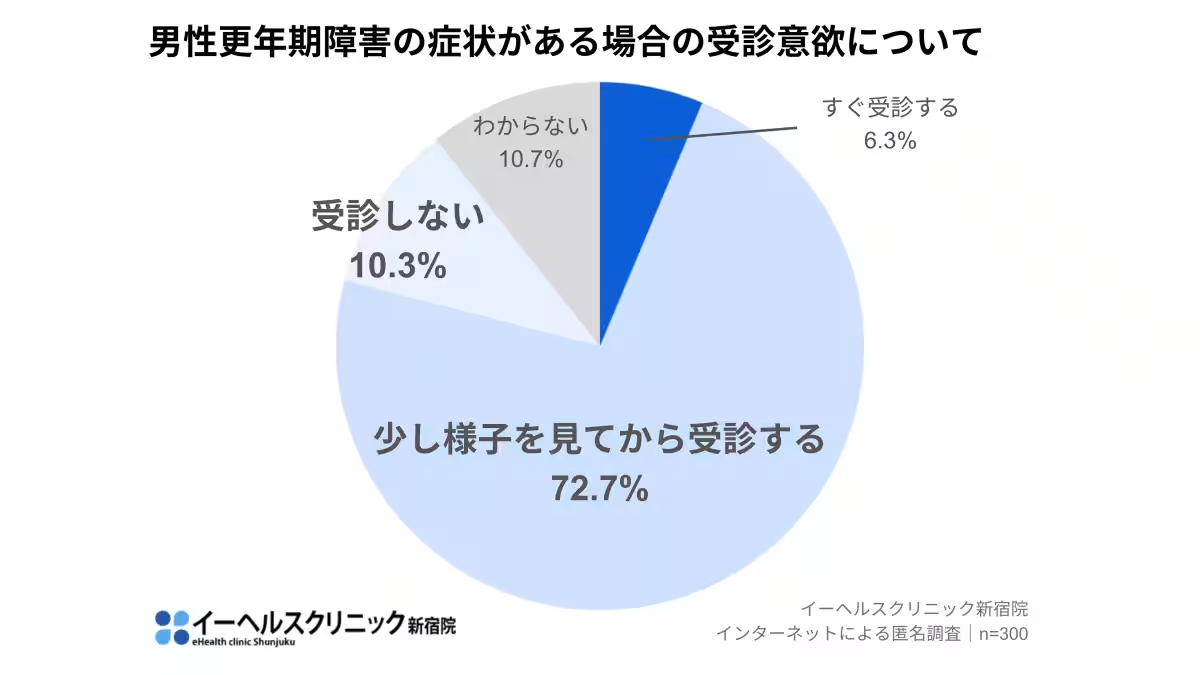
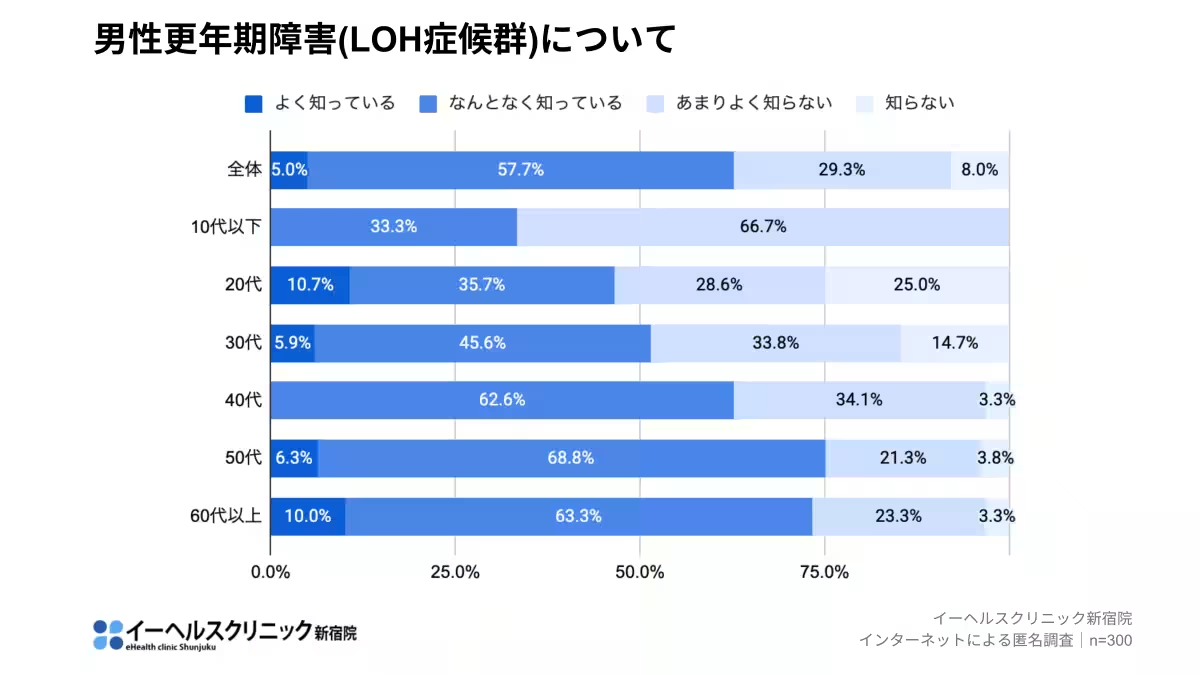
The survey involved 300 men with an average age of around 45, conducted anonymously online from December 27, 2025, to January 3, 2026. Findings revealed that approximately 63% of respondents recognized male menopause, yet only 55% understood its link to lifestyle diseases. Alarmingly, about 65% reported experiencing symptoms, but a staggering 94% hadn't sought medical attention.
Breaking Down Barriers to Consultation
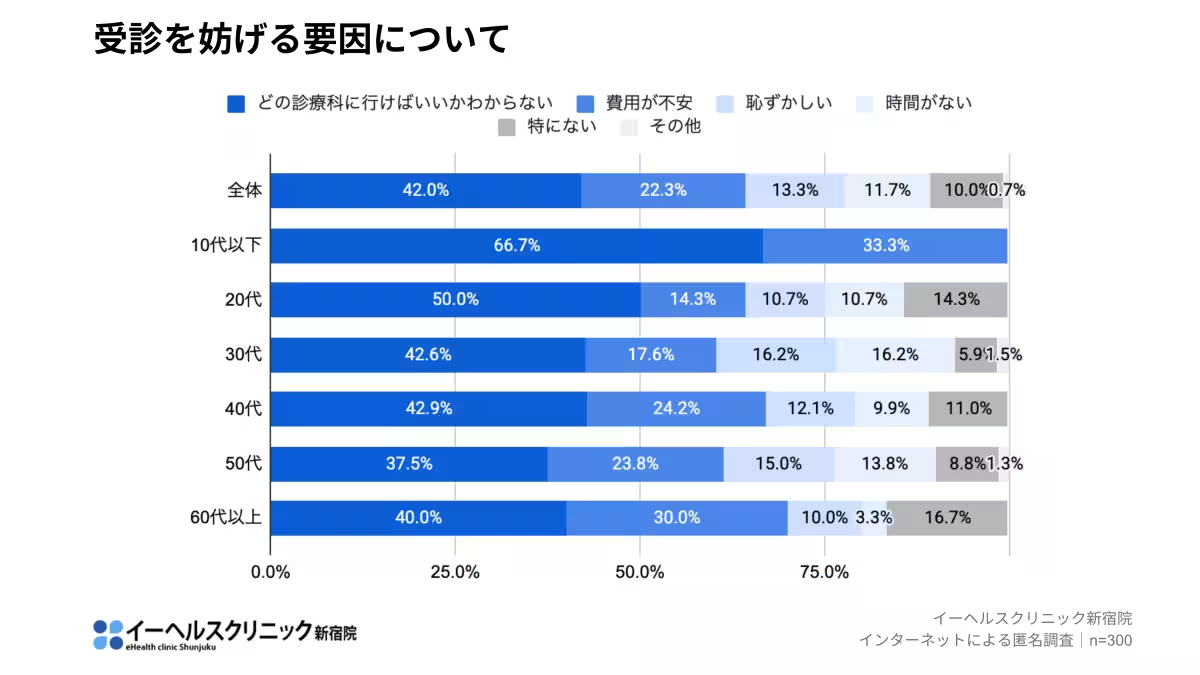
Among respondents, the leading barriers to seeking care included uncertainty about which specialist to consult, with 42% expressing this concern. This points to a clear need for enhanced public awareness regarding the relevant medical specialties such as urology, internal medicine, and endocrinology.
Taking Action
Men experiencing any of these symptoms should not hesitate to seek medical help. eHealth Clinic Shinjuku offers personalized treatments, involving a healthcare team of physicians, nurses, and nutritionists dedicated to providing comprehensive care for conditions like male menopause, ED, and lifestyle diseases.
To learn more or discuss specific concerns, feel free to visit our official website or contact us directly.
Clinic Overview
Clinic Name: eHealth Clinic Shinjuku
Location: 3F, Toyo Building, 2-6-4 Shinjuku, Shinjuku-ku, Tokyo
Director: Koichi Amano
Opened: April 2022
Contact Number: 03-5315-0514
Website: eHealth Clinic
In conclusion, while awareness of male menopause appears to be growing, significant gaps remain. Recognizing the symptoms and seeking timely help can enhance health outcomes and contribute to better overall societal health.

Topics Health)
【About Using Articles】
You can freely use the title and article content by linking to the page where the article is posted.
※ Images cannot be used.
【About Links】
Links are free to use.