



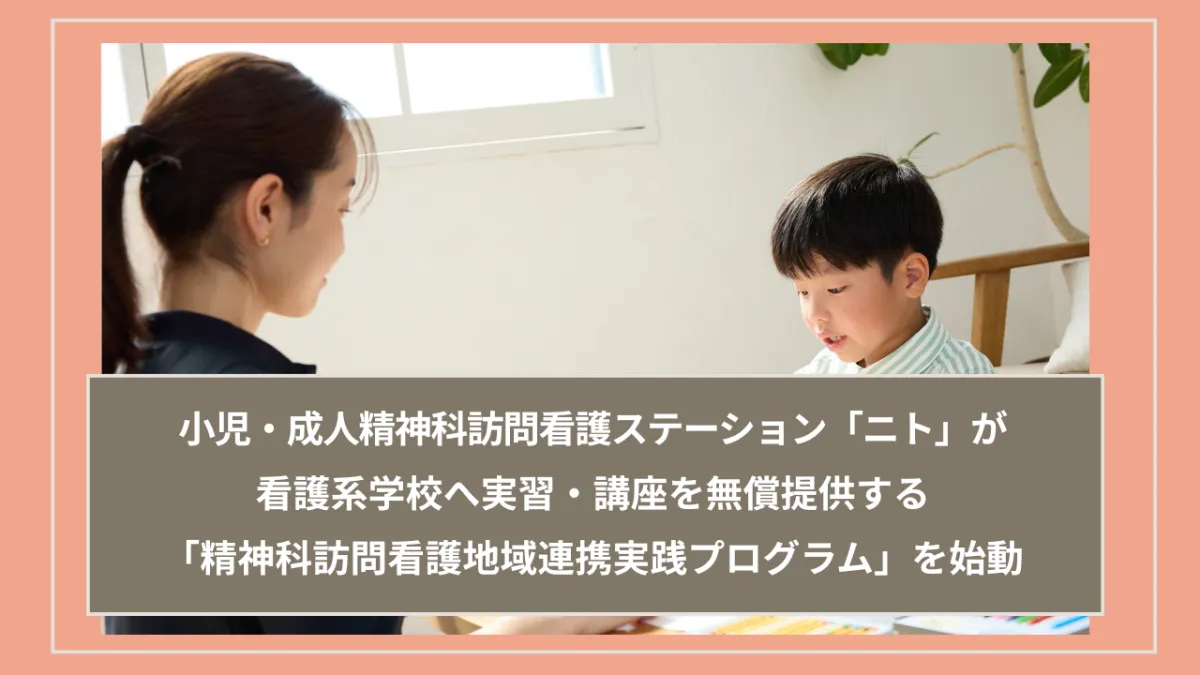
Launching a Free Practical Training Program for Nursing Schools by Nito
Nito's Innovative Psychiatric Nursing Training Program
In a groundbreaking initiative, Nito, a psychiatric home care facility located in Itabashi, Tokyo, plans to start a free educational program targeting nursing schools and universities known for their rehabilitation programs. This initiative, called the Psychiatric Home Nursing Community Collaboration Practical Program, is set to commence in September 2025. It aims to arm future healthcare professionals with essential skills and insights for working with children and adults suffering from mental health issues and developmental disabilities.
Program Goals and Structure
The essence of this program is to foster the next generation of nursing and rehabilitation staff by providing them with hands-on experiences and deeper understanding of on-site nursing practices. Rather than focusing solely on textbook knowledge, the program emphasizes the importance of practical skills like communication and relationship-building that are crucial in home care settings.
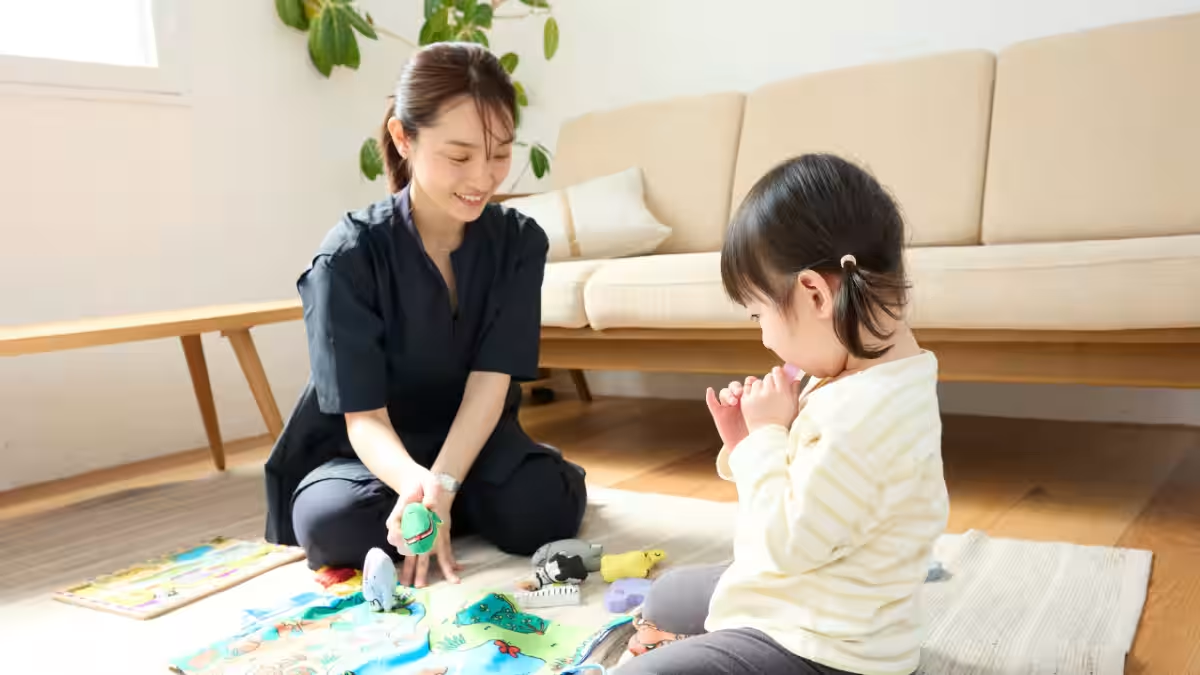
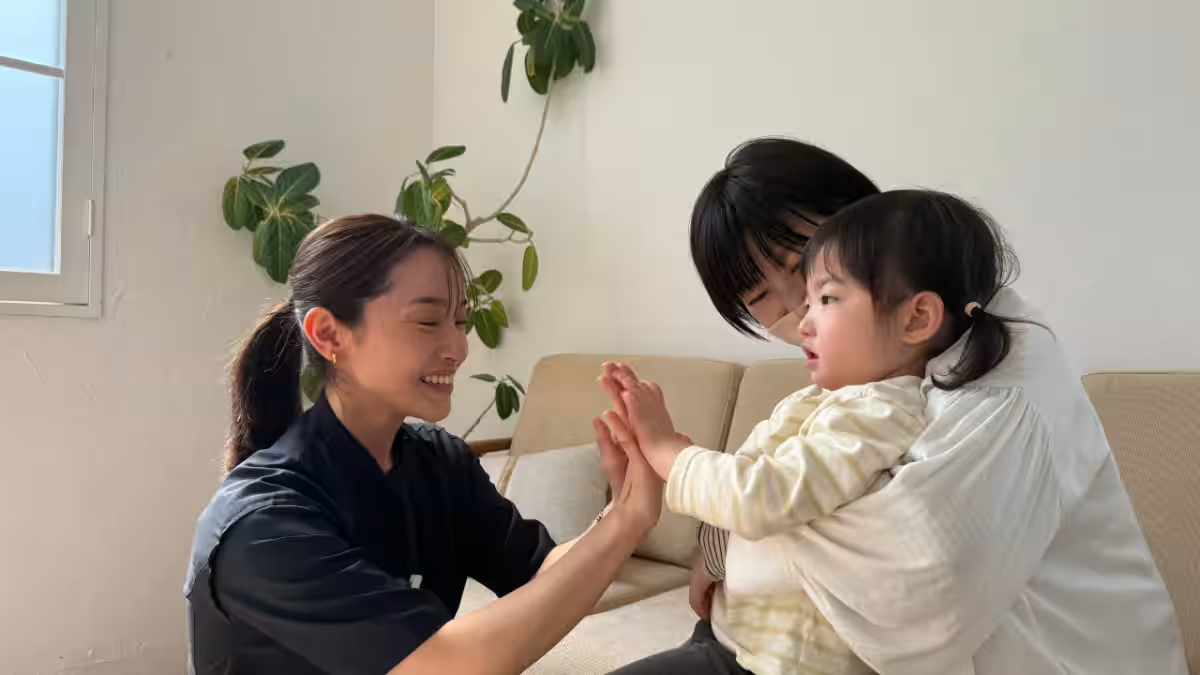
Through direct interaction with experienced nurses and specialists, students will learn how to create trust-based relationships with their patients and ensure the best possible care is provided. Each lecturer comes from varied backgrounds, including nursing and occupational therapy, allowing students to receive a well-rounded education based on real-life experiences.
Training Sessions
Training will encompass lectures combined with practical simulations and case studies reflecting real-life situations in psychiatric home care. Some examples of program components include:
- - Learning the Roles and Workflow: Students will understand the essential functions of home nursing in psychiatric care.
- - Multidisciplinary Collaboration: Participants will experience teamwork with practitioners across various specializations including nurses, occupational therapists, clinical psychologists, and social workers.
- - Role Play and Case Studies: Students will engage in self-reflection regarding their strengths and weaknesses through controlled scenarios.
- - Reducing Anxiety about Patient Interaction: The program also aims to alleviate student concerns related to communicating with users during visits.
- - Accompanying Visits: Upon request, students can participate in actual home care visits to understand the day-to-day challenges and experiences involved.
According to Nito, this initiative was set in motion to ensure that future care providers have the groundwork needed to operate effectively within a community-focused psychiatric care framework. By actively incorporating aspects of real-world applications into the curriculum, Nito seeks to nurture students who might, in turn, become pivotal players in community healthcare.
Inaugural Lecture
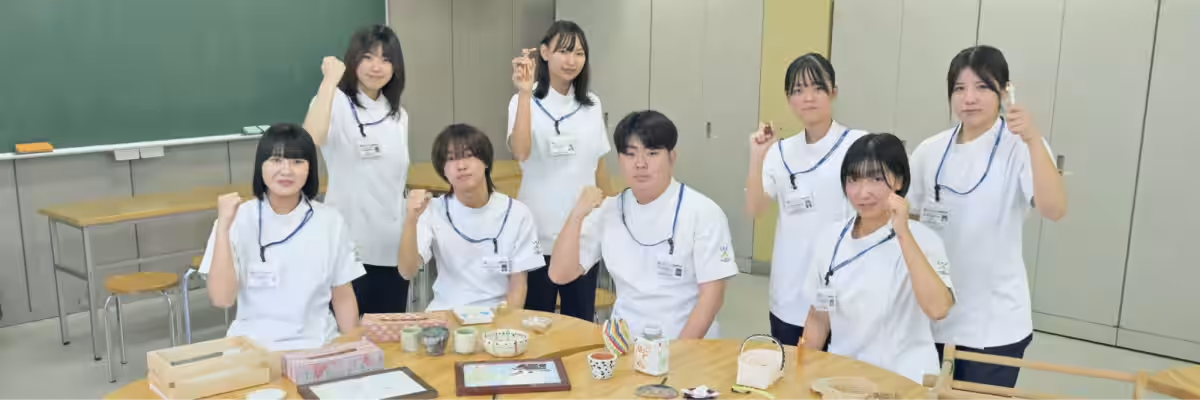
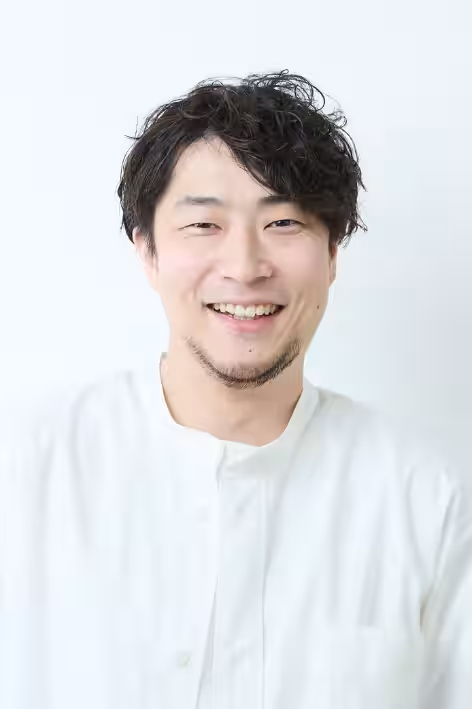
The first lecture will be held on September 19, 2025, at the Tama Rehabilitation College. Former student and current occupational therapist at Nito, Keisuke Genda, will conduct the session. Genda transitioned from rehabilitation hospitals to community-based psychiatric care and is passionate about sharing valuable insights from his journey with the upcoming generation of care providers.
About Tama Rehabilitation College
Tama Rehabilitation College is dedicated to training professionals in physical therapy, occupational therapy, speech-language pathology, and caregiving. The institution emphasizes developing immediate contributors to community healthcare and offers over 1,000 hours of clinical training.
Addressing the Need for Effective Training
Over the years, Nito has worked diligently to provide care for individuals with psychiatric conditions and developmental disorders, realizing the critical importance of preparing future nurses through tailored training. This program reflects a response to the growing demand for integrated community-based healthcare approaches, fostering collaborative efforts among various roles in the medical and health support sectors.
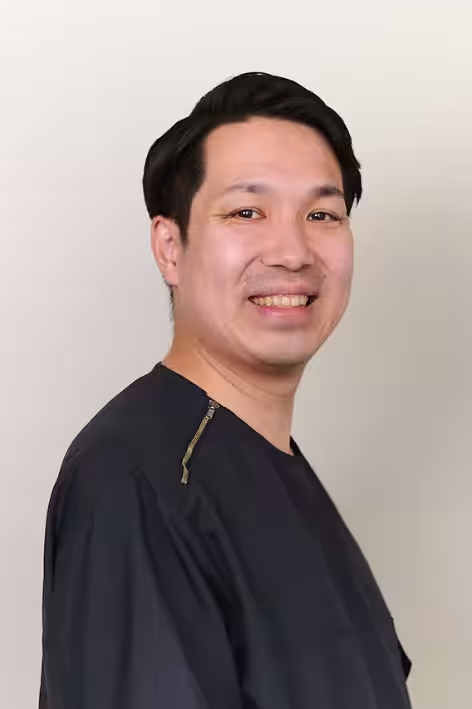
CEO Shotaro Kawasaki expressed that, having witnessed the supportive role of caregivers firsthand, there's a pressing need to cultivate more professionals willing to engage with families and individuals in their homes. He hopes that students will come to understand the true nature of care that enters the home environment.
Conclusion
The Psychiatric Home Nursing Community Collaboration Practical Program is positioned to provide invaluable knowledge and skill development for nursing and rehabilitation students in Tokyo, preparing them to thrive in community healthcare environments. By bridging the gap between theoretical aspects of nursing training and practical, experience-based learning, Nito is striving to elevate the standards of psychiatric care in the region and ensure that a new generation of compassionate care providers is ready for the challenges ahead.
Topics Health)
【About Using Articles】
You can freely use the title and article content by linking to the page where the article is posted.
※ Images cannot be used.
【About Links】
Links are free to use.