




Exploring the Insights of Personality Tests in Modern Society
Insights into Personality Tests
Personality tests have surged in popularity over recent years, not just as a form of entertainment but as valuable tools for self-discovery and understanding interpersonal dynamics. A recent study conducted by Cross Marketing in Tokyo surveyed individuals aged 20 to 69 across Japan, unveiling intriguing insights into the recognition, acceptance, and perceptions of personality assessments.
Research Overview
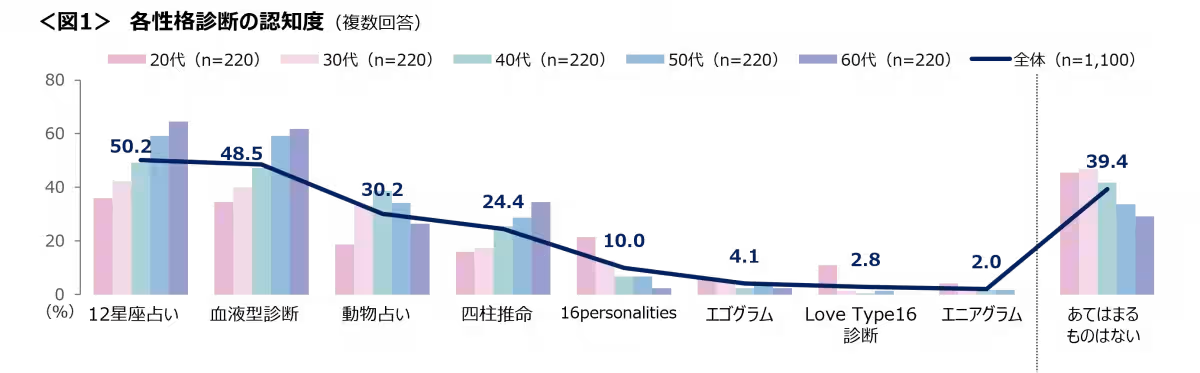
The research was aimed at determining how well-known various types of personality tests are among the population. Respondents were presented with eight different assessments, including zodiac astrology and blood type personality traits. The results indicate that zodiac astrology topped the list in recognition at 50.2%, followed closely by blood type assessments at 48.5% and animal personality tests at 30.2%. Interestingly, older generations displayed a higher recognition rate for zodiac and blood type assessments, while younger respondents in their twenties tended to favor more contemporary tests such as 16personalities and the Love Type16 diagnostics.
Agreement with Test Results
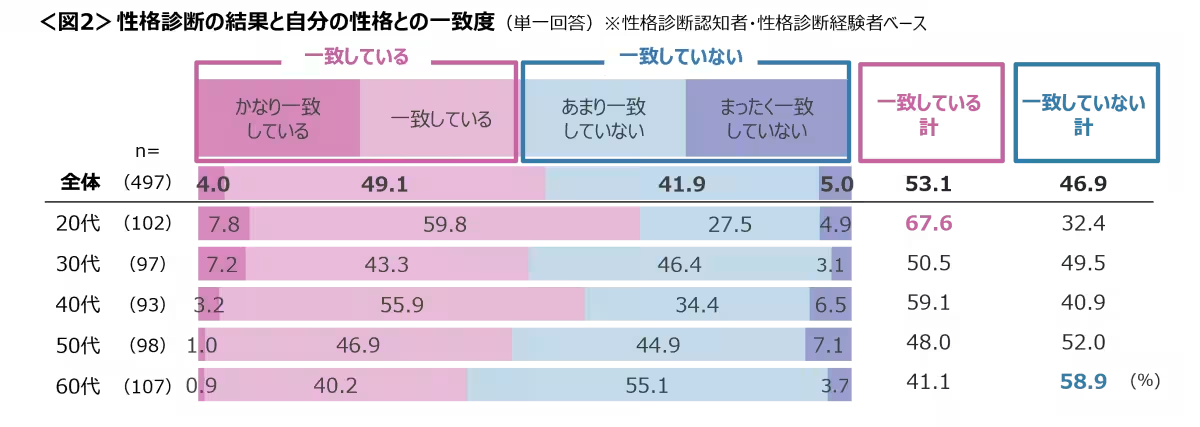
When it comes to how closely individuals relate their test results to their actual personalities, more than half of the respondents, 53.1%, agreed that their results aligned with their self-perception. Notably, this agreement was strongest among individuals in their 20s and 30s (nearly 70%) but noticeably dropped among those in their 50s and 60s, with over half believing there was a discrepancy.
Attitudes Towards Sharing Results
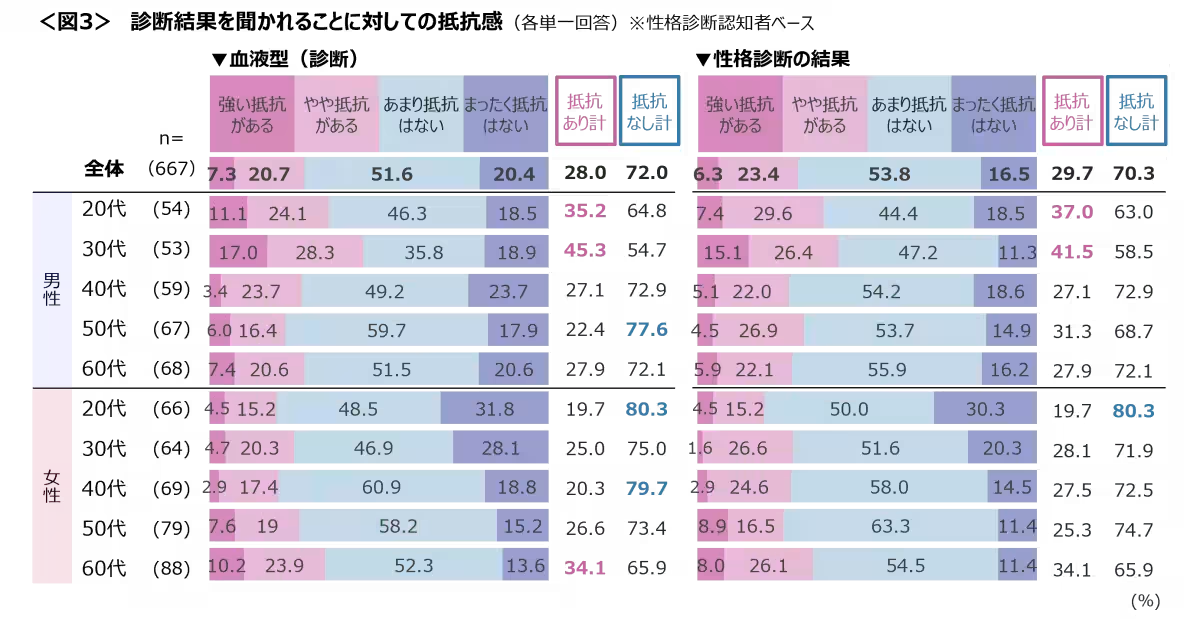
The survey also explored people's feelings regarding disclosing their personality test results. Around 70% of respondents expressed no resistance to sharing their results with others, although this attitude was less prevalent among male participants in their 20s and 30s, who reported higher levels of resistance. In contrast, younger women were more open, with only a small percentage stating they would feel uncomfortable sharing.
Positive Perceptions of Personality Tests
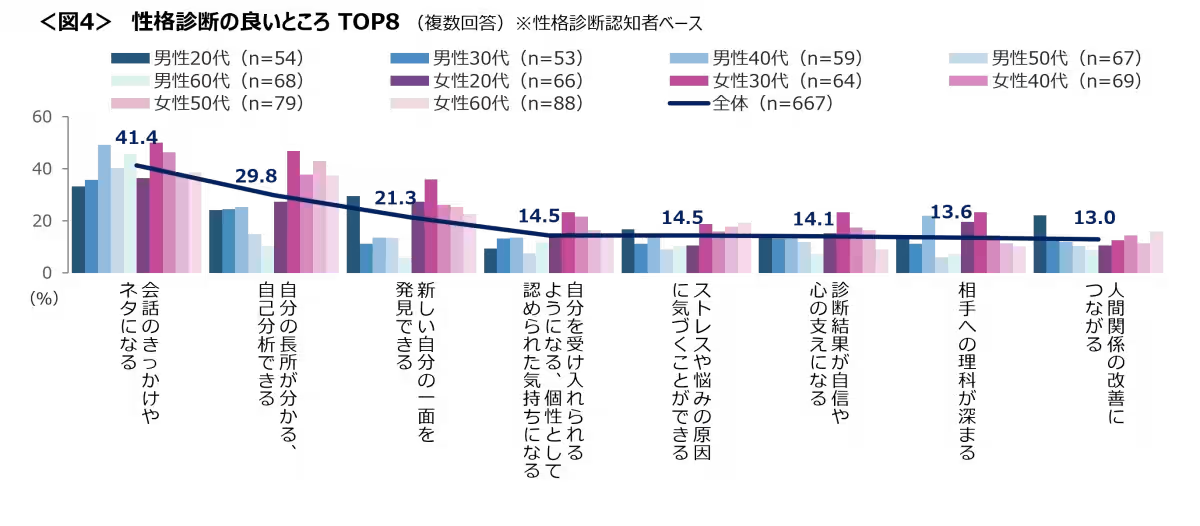
When discussing the benefits of personality tests, respondents highlighted two primary advantages: they serve as great conversation starters and allow individuals to discover their strengths and conduct self-analysis. Notably, women reported a higher tendency to appreciate the self-discovery aspect of these tests, while younger men seemed to favor insights that could improve their interpersonal relationships.
Negative Perceptions and Criticisms
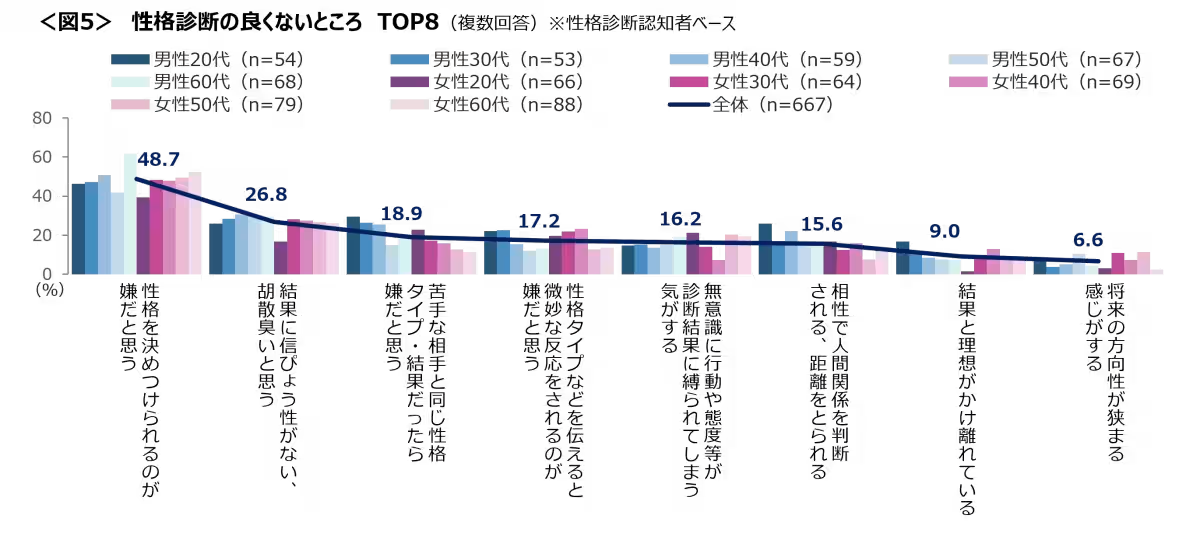
However, not all perceptions of personality assessments were positive. About 50% of respondents expressed discomfort with the idea of being labeled or pigeonholed by their results. This discomfort was particularly pronounced among older men, where 60% expressed concerns about being mischaracterized. Furthermore, many younger men cited worries about sharing the same personality type with challenging individuals, fearing it could hinder relationships.
Conclusion
The data collected provides a fascinating glimpse into how personality tests are perceived in contemporary society. While they are generally embraced for their potential to facilitate self-discovery and social interaction, concerns over stereotyping and personal alignment with test results persist. As these assessments continue to shape discussions about identity, their role in our lives will undoubtedly grow, prompting further exploration and conversation.
For more detailed insights into the survey and its findings, visit Cross Marketing's Official Report.
Research Methodology
- - Method: Internet research through Cross Marketing's self-administered tool 'QiQUMO'.
- - Participants: 1,100 individuals aged 20 to 69 across all 47 prefectures in Japan.
- - Duration: Research was conducted from October 10 to 11, 2025.
This analysis was conducted by Cross Marketing, a marketing research company established on April 1, 2003, headquartered in Tokyo.

Topics People & Culture)

【About Using Articles】
You can freely use the title and article content by linking to the page where the article is posted.
※ Images cannot be used.
【About Links】
Links are free to use.