




In-Depth Analysis of Isotretinoin Usage and Side Effects Based on 100 Experiences
Exploring Isotretinoin: Usage and Experiences
Isotretinoin, a well-known medication for severe acne, has garnered much attention for both its effectiveness and its associated side effects. Recently, a comprehensive survey was conducted, gathering detailed information from 100 individuals who have used isotretinoin. Here, we delve into their experiences, shedding light on the common practices, financial considerations, and potential side effects of this potent medication.
Key Findings of the Survey
Purchasing Sources
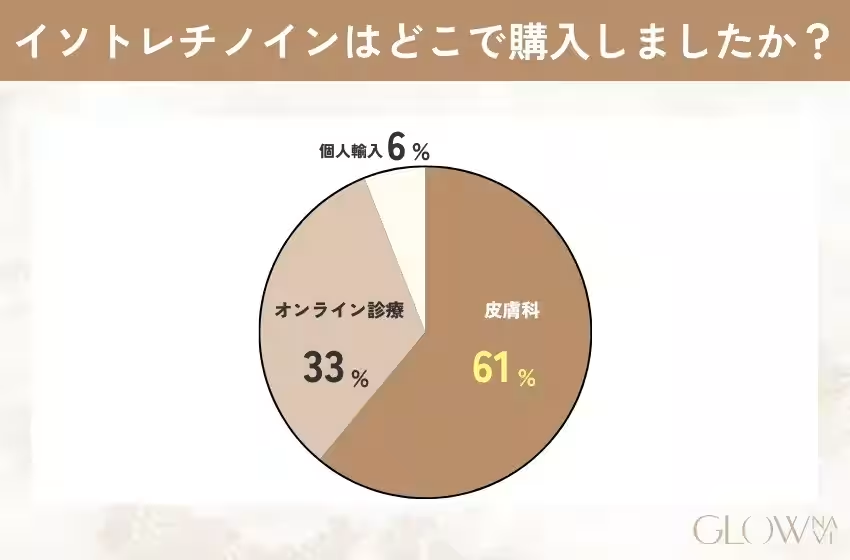
Survey results indicated that a significant majority of 61% of respondents acquired isotretinoin from dermatology clinics. This option not only ensures proper medical oversight but also provides necessary aftercare to monitor any adverse effects during treatment. In contrast, 33% reported obtaining their medication through online consultations, while a mere 6% relied on personal imports, raising concerns about the safety and authenticity of their sources.
Duration of Use
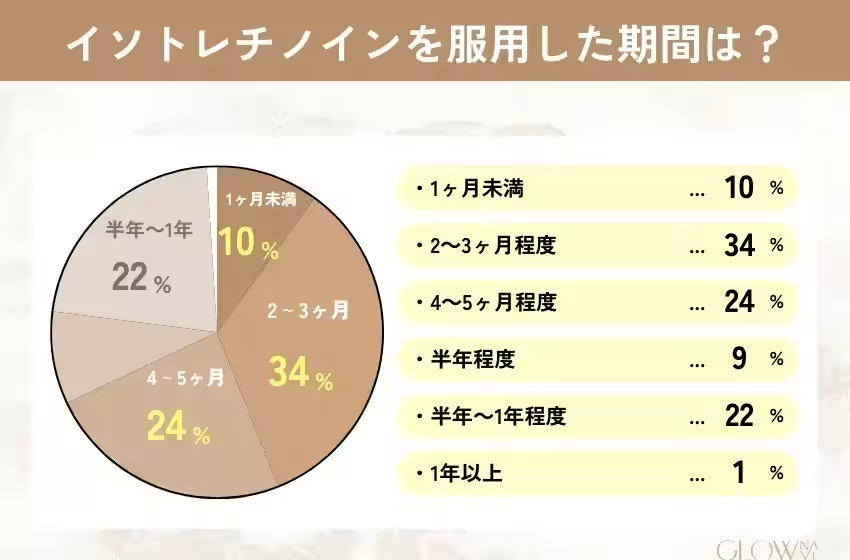
When asked about the duration of isotretinoin treatment, the most common response was 2 to 3 months, which accounted for 34% of participants. Notably, the treatment length can vary significantly from person to person, depending on individual skin conditions and body types. Therefore, while this statistic serves as a general guideline, adjustments should be made based on personal medical advice.
Monthly Expenditure
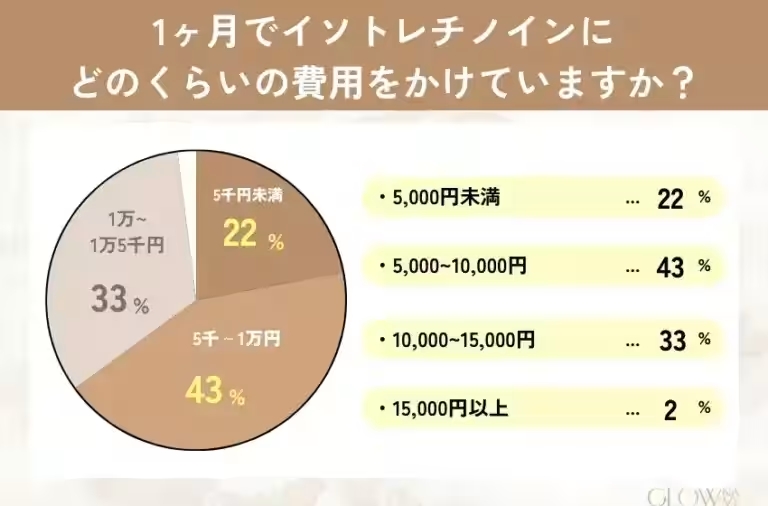
Regarding the financial aspect, 43% of participants indicated they spent between 5,000 and 10,000 yen monthly on isotretinoin. When combined with those spending between 10,000 and 15,000 yen, a substantial 76% of users fell within this price range. This data suggests that budgeting approximately 5,000 to 15,000 yen per month for isotretinoin treatment is sensible.
Side Effects Experienced
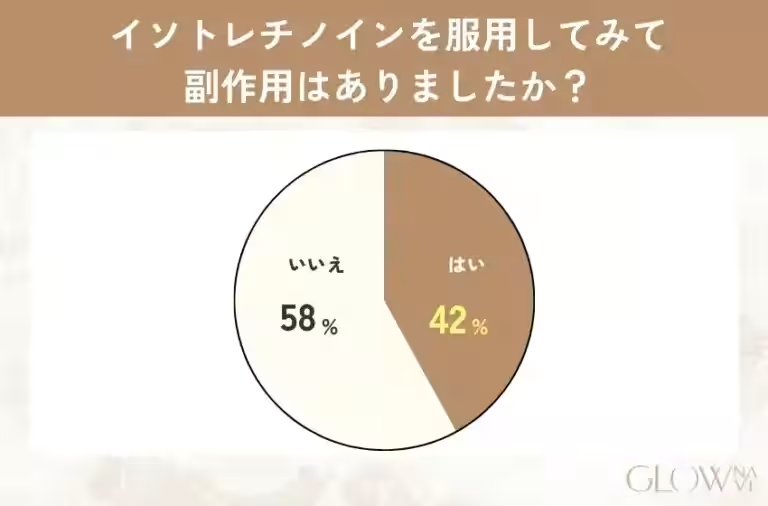
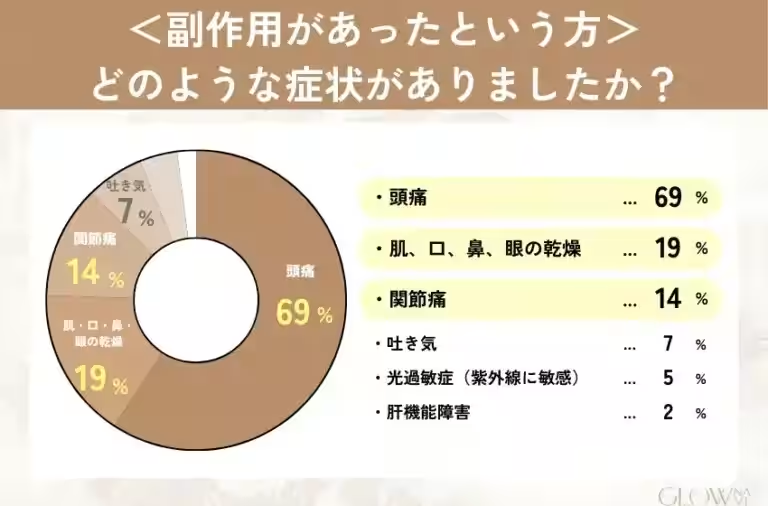
The survey revealed that 42% of respondents experienced some form of side effect from isotretinoin. Among those, the most prevalent symptom reported was headache, with a staggering 69% indicating this discomfort. Other side effects included dryness of skin, mouth, nose, and eyes (19%), joint pain (14%), nausea (7%), and more severe implications such as photosensitivity and liver dysfunction, though these were less common. With such a substantial portion of users facing side effects, it is critical for anyone considering this medication to engage in careful monitoring and maintain open lines of communication with medical professionals.
Effectiveness of Treatment
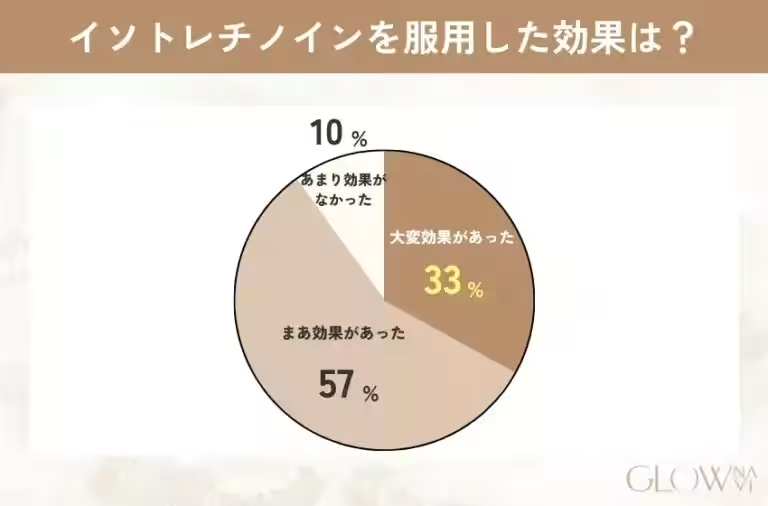
However, the effectiveness of isotretinoin is encouraging. An impressive 90% of respondents stated that they experienced positive effects from the medication, with 33% categorizing it as “very effective.” For individuals grappling with chronic acne or acne scars, seeking professional consultation is vital, as guided prescription can lead to optimal treatment outcomes.
Conclusion
The insights from this survey highlight both the opportunities and challenges associated with isotretinoin. With a significant percentage of users reporting effectiveness coupled with the likelihood of experiencing side effects, informed decision-making is crucial. Consulting with healthcare providers can ensure that individuals navigate their treatment plans safely and effectively.
About the Conducting Company
This survey was organized by CrowdWorks, a pioneer in conducting online research, emphasizing the significance of user experiences in dermatological treatments. The gathered data not only reflects the landscape of isotretinoin usage but also aims to enhance understanding in the realm of dermatological care, ensuring that patients can make informed choices regarding their skin health.
With isotretinoin remaining a compelling option for many struggling with severe acne, it serves as a reminder of the importance of appropriate medical supervision and ongoing support throughout treatment.
For further insights into various beauty and medical treatments, visit GlowNavi, a comprehensive resource dedicated to the nuances of cosmetic medicine.

Topics Health)
【About Using Articles】
You can freely use the title and article content by linking to the page where the article is posted.
※ Images cannot be used.
【About Links】
Links are free to use.