



New Study Links periodontal disease to infertility, highlighting potential risks
Overview of the Research
In a groundbreaking study conducted by Okayama University, researchers have unveiled a troubling correlation between periodontal disease and infertility. This research represents a collaborative effort between the university's departments of oral health and reproductive medicine, utilizing both clinical studies and animal models.
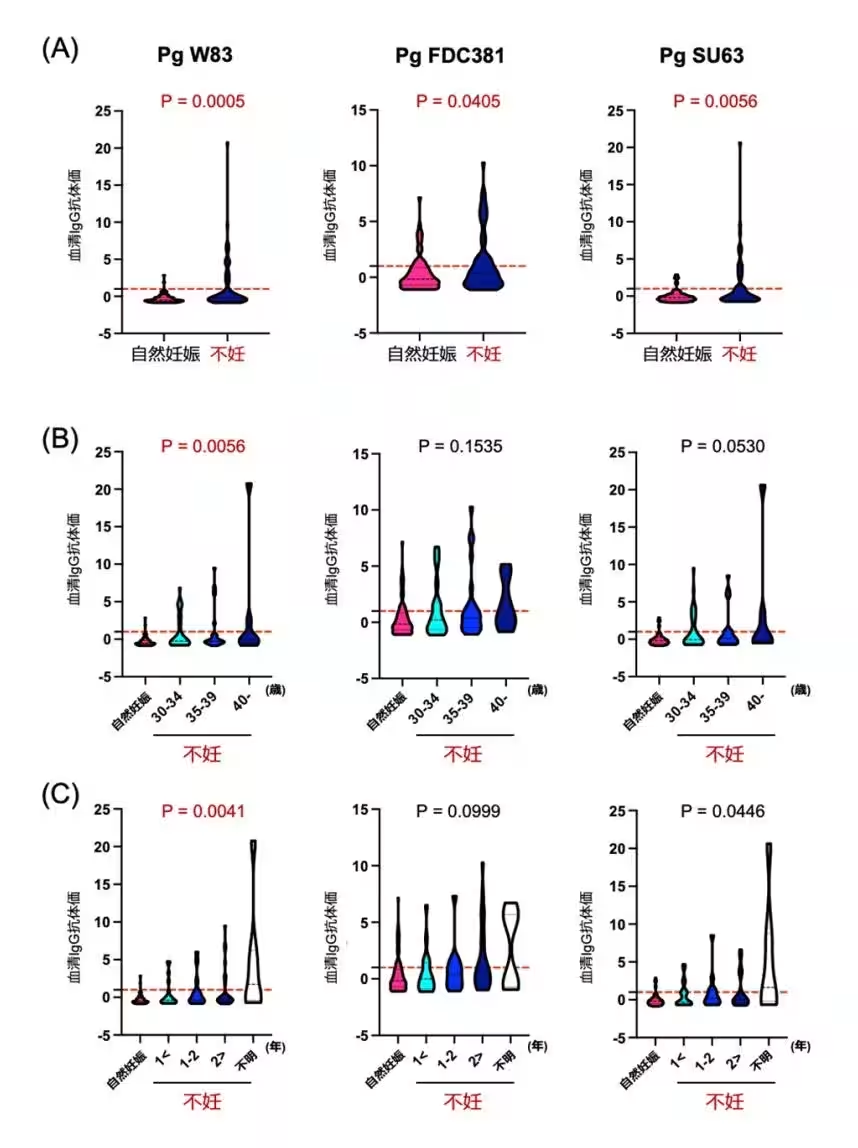
The study's lead researchers, including Dr. Chiaki Kamei-Nagata, a visiting researcher, and Professor Kazuhiro Omori from the Department of Periodontology, investigated the impact of Porphyromonas gingivalis, a bacteria associated with periodontal disease, on infertility rates among patients experiencing difficulties conceiving. The findings reveal that patients undergoing infertility treatment exhibited a significantly higher infection rate of Pg bacteria compared to those who achieved natural pregnancies.
Dr. Miyake Takahito, director of the Miyake Clinic's reproductive medicine center, emphasized the rising number of couples seeking infertility treatment, underscoring the urgency of this research. The novel insights suggest that not only does periodontal disease contribute to preterm births and low birth weight, but it may also play a role in establishing an infertility-prone environment.
Significant Findings
The research team discovered that fertility-challenged patients had elevated levels of Pg antibodies, indicating a relationship between this bacterial infection and infertility. In animal experiments, female mice infected with Pg showed notable uterine hypertrophy, reduced number of offspring, and lower birth weights, marking the first instance globally where such effects were established.
Potential implications of this study include advising patients to address oral health prior to or during infertility treatments, especially in light of the increasing challenges faced in achieving successful pregnancies. The researchers caution that the existing links between oral diseases and reproductive health necessitate further examination, as a healthy oral environment becomes increasingly important for those considering conception.
Researchers’ Insights
- - Dr. Chiaki Kamei-Nagata: When we first began this study, the direct link between periodontal disease and infertility surprised me. However, analysis of our clinical data from patients offered compelling evidence to support our hypothesis. I am grateful to all participants who contributed to this study.
- - Professor Kazuhiro Omori: My own experiences treating patients with severe periodontal disease offered a unique perspective on this issue. Witnessing a patient restore their reproductive health following appropriate periodontal treatment was enlightening. This research could facilitate a collaborative approach in reproductive medicine across disciplines.
- - Dr. Miyake Takahito: The significant number of couples dealing with infertility highlights a pressing need for ongoing research. Our findings underscore a revolutionary perspective linking dental health to reproductive success, which we hope will enhance pregnancy rates in future infertility treatments.
Conclusion
This pioneering research has been published in the reputable journal Scientific Reports, underscoring its importance in advancing the dialogue surrounding infertility. By addressing periodontal disease, we might enhance the chances of successful pregnancies and newborn health outcomes. As society grapples with declining birth rates, this connection offers a promising avenue for improving reproductive health outcomes. By prioritizing oral health, we can support couples in their journey towards parenthood.
For a detailed view of the study, please refer to the original publication: Scientific Reports.
References
- - Okayama University: Department of Periodontology
- - Okayama University School of Medicine: Research Institute
- - Miyake Clinic – Reproductive Medicine Center



Topics Health)
【About Using Articles】
You can freely use the title and article content by linking to the page where the article is posted.
※ Images cannot be used.
【About Links】
Links are free to use.