



Survey Reveals Families Struggle to Connect During Disasters: Are We Prepared?
Communication Challenges During Disasters: A Survey Analysis
Natural disasters like earthquakes, typhoons, and heavy rain often lead to power outages and communication disruptions, occurring unexpectedly anywhere and anytime. In such situations, smartphones frequently serve as the primary source of information and means of contact. Thus, the ability to connect becomes directly linked to our sense of security in daily life.
While families tend to focus their preparedness on essentials like emergency food and flashlights, the planning concerning communication methods is often overlooked. To shed light on this issue, a joint survey was conducted by WiFiGO!, a pocket WiFi rental service, involving 500 men and women aged 20 to 59 from across the country to investigate awareness regarding disaster preparedness and communication methods.
This survey aimed to understand several aspects, including individuals' awareness of disasters, the preparations they have made, their experiences of losing communication, and what they prioritize with their smartphones during emergencies.
Survey Overview
- - Survey Name: Disaster Preparedness and Communication Methods Survey
- - Methodology: Online survey
- - Period: August 15, 2026 - August 22, 2026
- - Participants: 500 men and women aged 20-59 across the nation
Key Findings
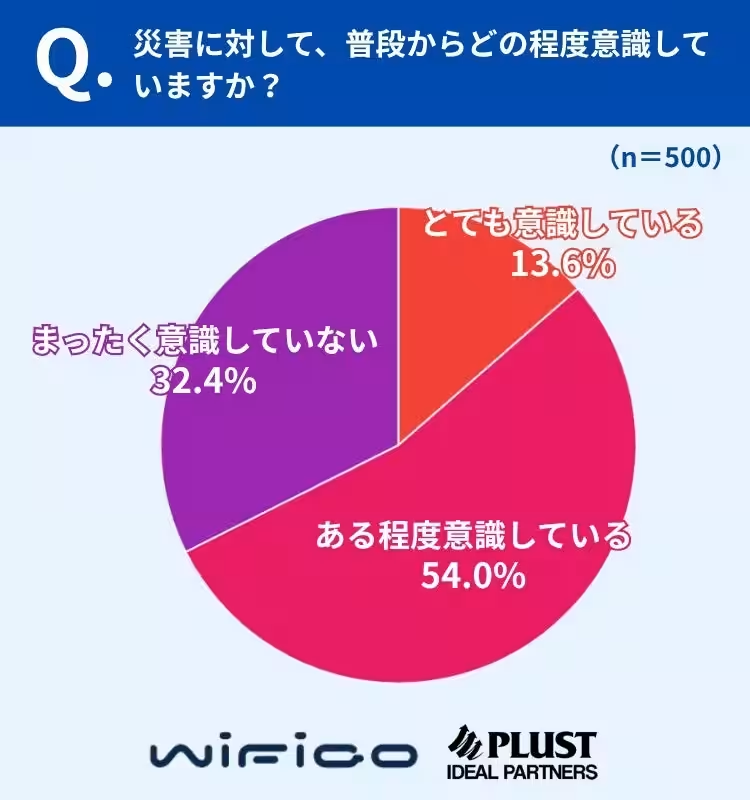
- - Disaster Awareness: 67.6% of respondents indicated that they have some level of awareness regarding disasters, yet over 32% claimed to be completely unaware. This gap between awareness and actual preparedness reveals a significant divide.
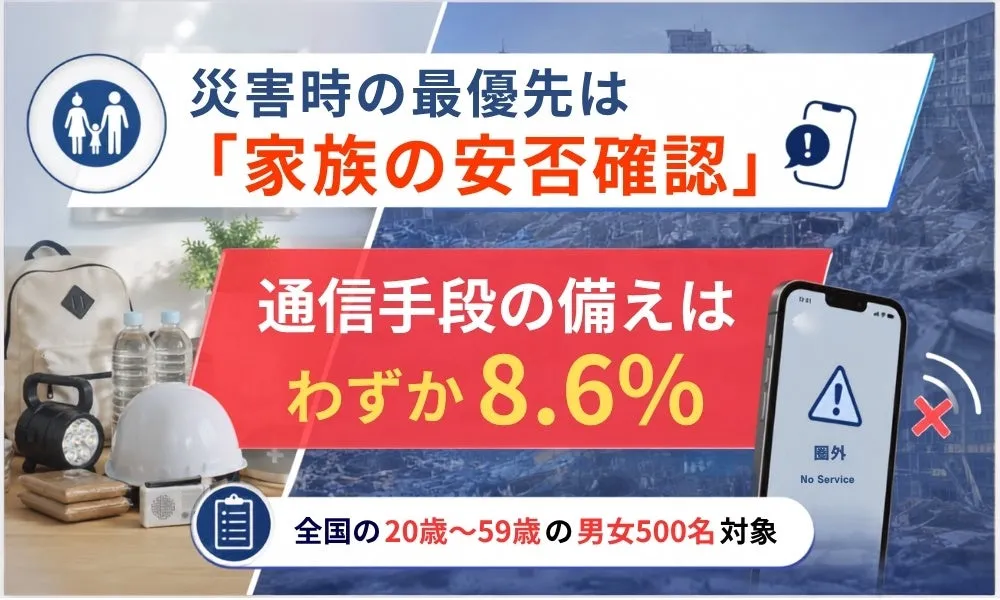
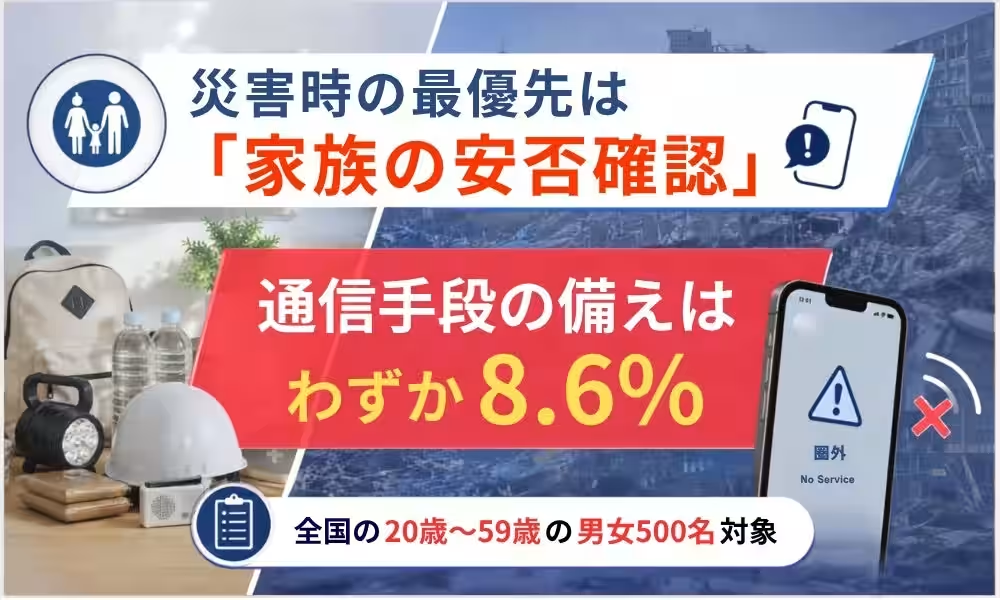
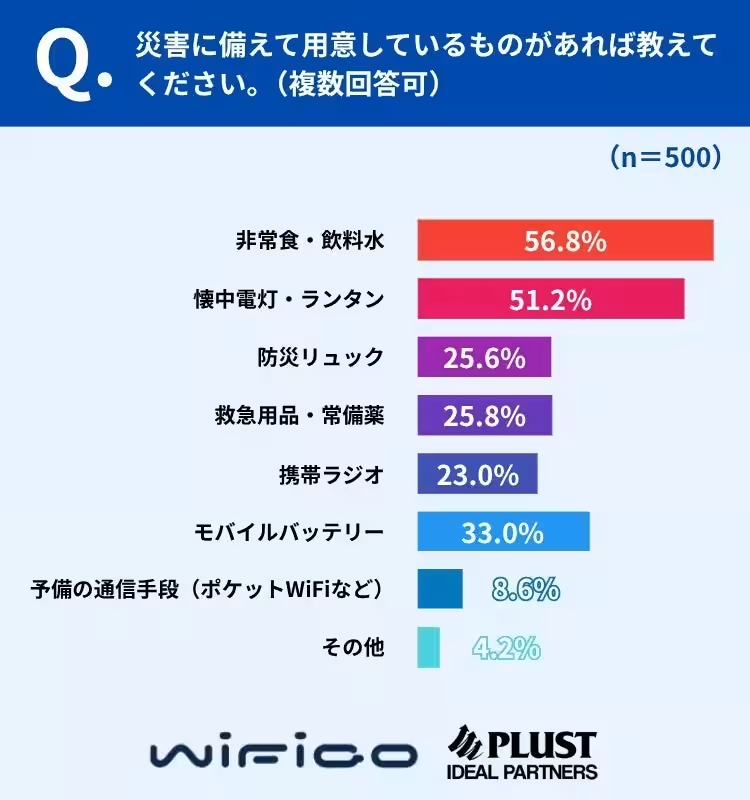
- - Preparedness Items: The most commonly prepared items include emergency food and drinking water (56.8%) and flashlights (51.2%). However, only 8.6% had prepared backup communication tools like pocket WiFi, placing it last among essential items.
Key Statistics
1. Awareness of Disasters:
- Very aware: 13.6%
- Somewhat aware: 54.0%
- Not at all aware: 32.4%
2. Prepared Items:
- Emergency food and water: 56.8%
- Flashlights: 51.2%
- Backup communication devices: 8.6%
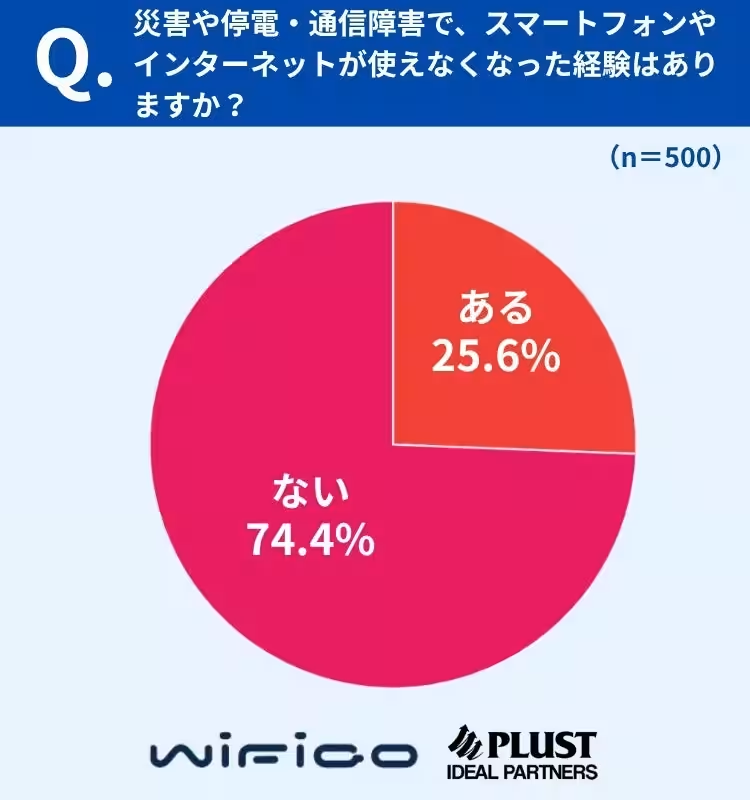
These statistics are troubling, especially considering that nearly one in four participants (25.6%) have experienced disruptions in smartphone or internet use during past disasters.
Key Concerns During Communication Loss
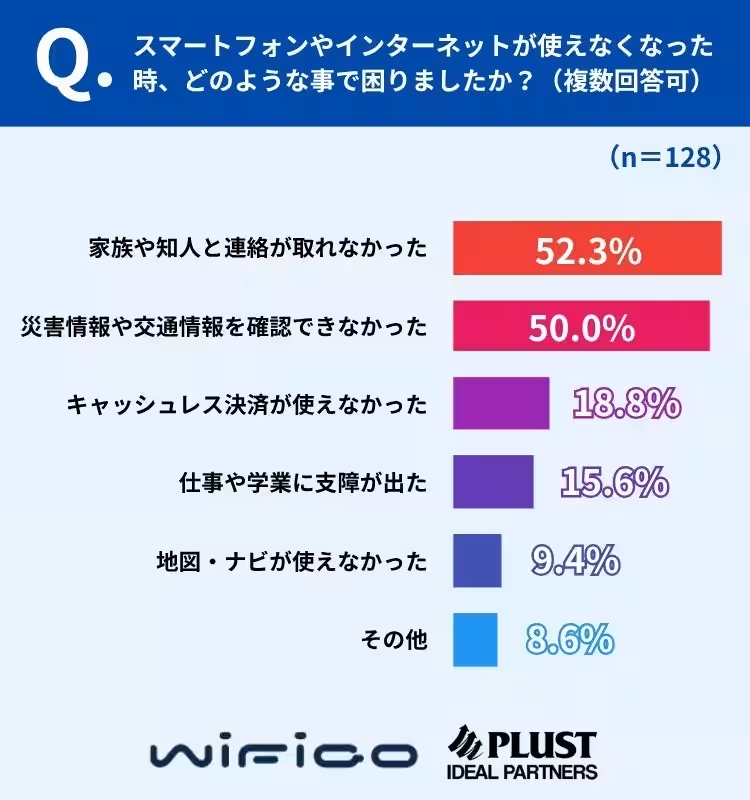
When asked what specific challenges they faced during instances when smartphones or the internet became unavailable, the most significant issues included:
- - Lack of Communication with Family: 52.3% expressed that they were most troubled by being unable to contact family or friends.
- - Inability to Access Disaster Information: Following closely was the inability to verify disaster and transportation information (50.0%).
This highlights that during a disaster, the primary concern is not merely the lack of communication but the emotional distress stemming from uncertainty regarding loved ones' safety and well-being.
Prioritizing in Emergencies
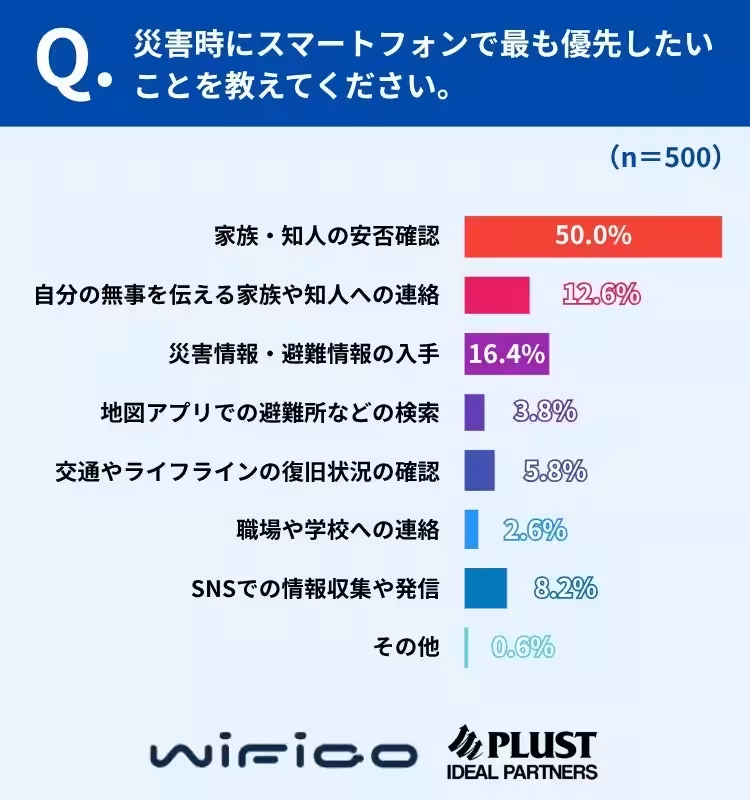
When asked what they’d prioritize doing with their smartphones during a disaster, a staggering 50.0% stated securing confirmation of their family and friends' safety. In contrast, obtaining disaster and evacuation information only garnered 16.4%. This starkly illustrates the role communication plays in our emotional equanimity during crises.
Insights from Experience
Participants shared personal experiences and insights:
- - Many focused on concerns regarding battery depletion and the pressure to keep devices charged. "How do I continue to get power for my devices once my battery runs out?" was a prevalent worry that highlights a critical need for power supply in preparation plans.
- - Additionally, the anxiety over network congestion during emergencies was frequently noted: "There is a genuine fear that all lines will be busy when trying to connect with family members."
Recommendations to Improve Preparedness
This survey draws attention to the importance of a well-rounded emergency plan that includes not only emergency supplies but also effective communication strategies. Incorporating the following could enhance preparedness:
- - Establishing Backup Plans: Setting up meeting points in case of communication failure and assigning specific roles within the family.
- - Investing in Communication Devices: Families should consider portable WiFi solutions as essential components of their emergency toolkit.
- - Staying Informed: Acknowledging potential unreliable information distribution during crises can lead to better decision-making and resilience.
In summary, while public awareness of disaster preparedness is commendable, the critical aspect of communication readiness is frequently neglected. Enhancing our strategies in this area is essential for supporting our most vital goal: keeping families connected during emergencies.
For further information about the survey, visit WiFiGO! or read the full article here.
Topics Other)
【About Using Articles】
You can freely use the title and article content by linking to the page where the article is posted.
※ Images cannot be used.
【About Links】
Links are free to use.