



Successful Completion of Autonomous Beach Cleaning Robot Prototype in Japan
Introduction
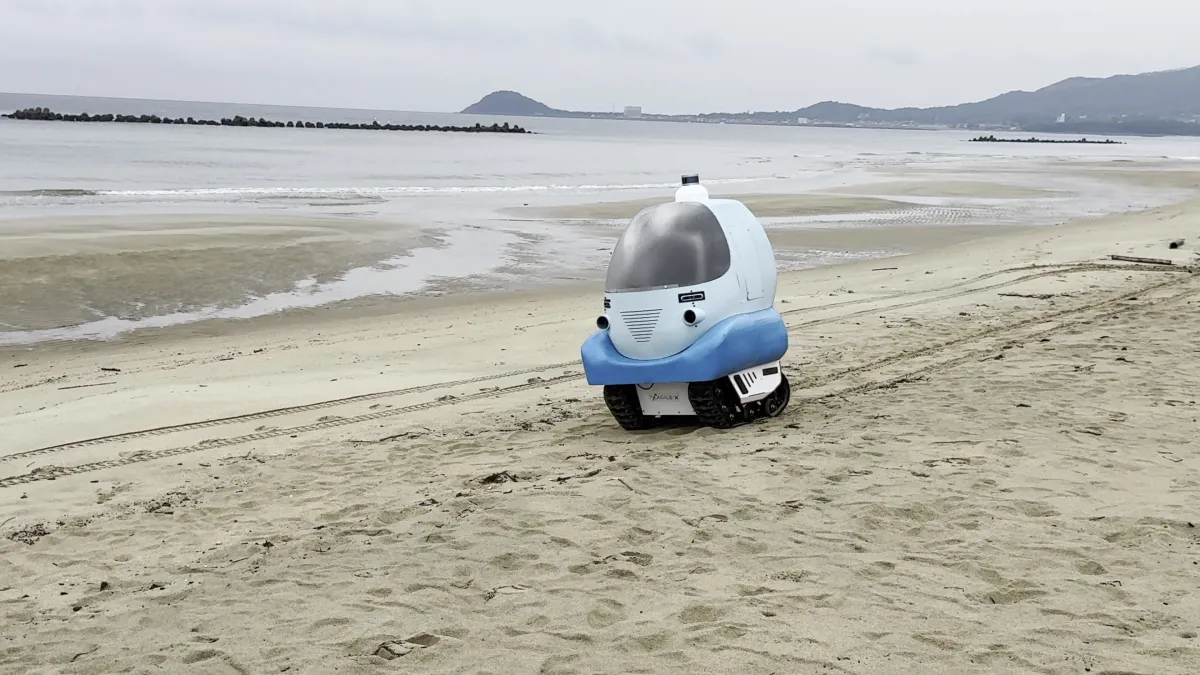
In a significant breakthrough for environmental technology, OceanBlue Technologies has completed their prototype of an autonomous beach-cleaning robot, designed to tackle the pressing issue of marine debris along Japan's coastlines. This robot successfully demonstrated its operational capabilities in Munakata City, Fukuoka, confirming its self-driving features and efficiency in collecting microplastics and other fine debris from sandy beaches. This development is a crucial step towards automated solutions for Japan's coastal cleanup efforts.
Background: Japan's Marine Pollution Challenge
Japan is recognized as one of the world's six largest maritime nations, possessing an expansive Exclusive Economic Zone (EEZ) and a coastline that stretches approximately 35,000 km. Despite this maritime strength, the nation grapples with a growing problem of debris washing ashore from both domestic and international sources. Traditionally, municipalities and volunteer groups have relied heavily on human labor for cleanup operations. However, an increase in the aging population and labor shortages has made it increasingly difficult to maintain cleanliness along these beaches. Particularly concerning are the microplastics and minute debris that become ensnared in the sand, posing potential dangers to marine ecosystems and fisheries if left unchecked. To address this structural challenge, OceanBlue Technologies has been working to develop a robotic solution that operates continuously rather than relying solely on human goodwill.
Pilot Test Overview: Operations Confirmed
In May 2026, a comprehensive pilot test was conducted in collaboration with Kyushu Institute of Technology. The prototype successfully demonstrated the following capabilities:
1. Autonomous Navigation
The robot was able to autonomously navigate over the soft and uneven sand terrain, avoiding various natural obstacles. This demonstrated its robustness in handling the dynamic beach environment.
2. Effective Debris Collection
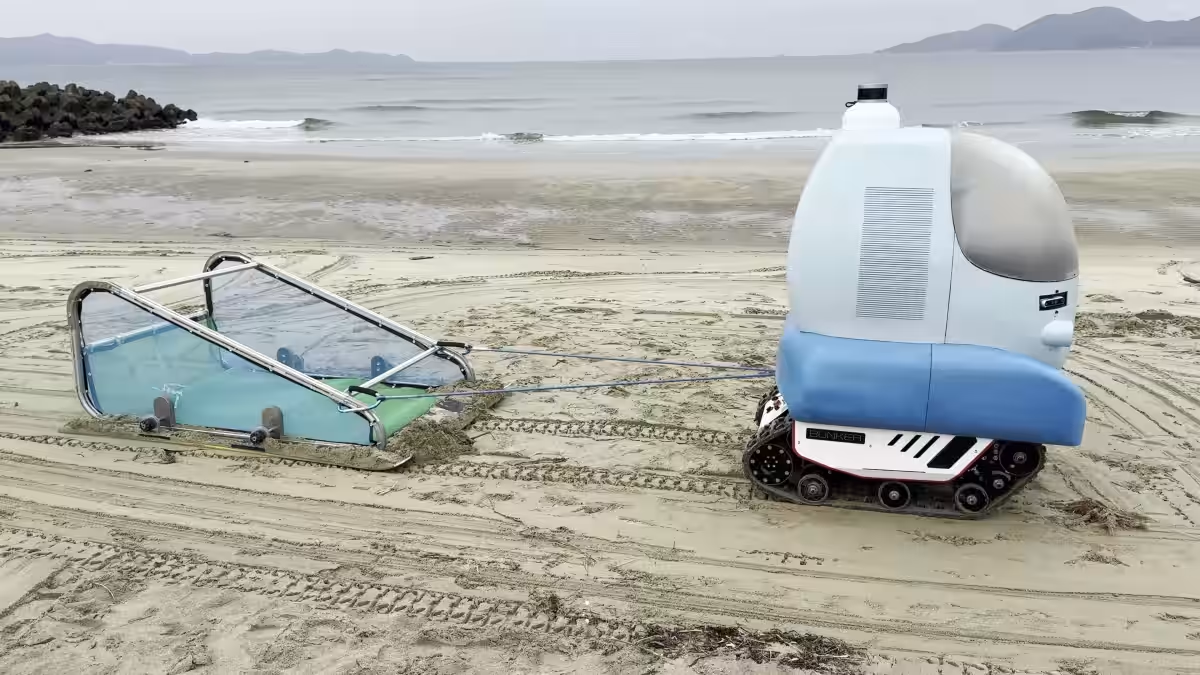
The mechanism was capable of collecting microplastics along with fine debris effectively. The collection process was observed in real-time, confirming that the robot could efficiently separate and retrieve litter from the sand.
Robot Specifications
- - Dimensions/Weight: 800 x 1028 x 1500 mm, 160 kg
- - Movement: Crawler system suitable for uneven terrain
- - Collection Method: Trailing collection unit designed to separate and collect microdebris from the sand
- - Development Partnership: Collaborative research with Kyushu Institute of Technology
Research Collaboration Details
The robot's development has been a joint effort with Professor Eiji Hayashi from Kyushu Institute of Technology, a recognized expert in AI and rough-terrain robotics. Further guidance has been provided by Ura Takaru, an esteemed professor emeritus at the University of Tokyo and IEEE Fellow. The partnership also involves noted cooperation from Katsuhiko Nagano, the university’s industry-academia coordinator.
Insights from the Experts
1. Professor Eiji Hayashi: "Navigating on sand presents a unique challenge—unlike paved roads or indoor environments, where the surface remains stable, sand shifts and deforms. The successful confirmation of both navigation and collection capabilities at a real beach is a testament to our collaborative research; this robot's autonomy offers promising applications across various fields. We will continue to enhance its functionality towards practical use."
2. Ura Takaru: "Having worked extensively with marine robots, I've found that beach ecosystems serve as critical battlegrounds for environmental preservation. The sand, being soft and exposed to salt and moisture, is one of the toughest environments for robots. Achieving successful navigation and collection in this context marks a significant advancement, and I am excited about future developments in real-world applications."
Future Prospects: Call for Partners and Collaborating Municipalities
Encouraged by the testing results, OceanBlue Technologies is now seeking:
1. Early Partner Companies: Businesses interested in environmental initiatives and brand enhancement through the adoption of beach cleaning robots are invited to join as technology partners in joint development or material supply.
2. Collaborating Municipalities: Local governments dealing with beach debris issues and interested in providing demonstration fields or collaboration opportunities are encouraged to reach out.
For interested companies, municipalities, and media organizations, inquiries can be directed to the contact information provided below. We welcome discussions about potential coverage as well.
Company Overview
- - Name: OceanBlue Technologies Inc.
- - Location: Shibuya, Tokyo, Japan
- - CEO: Shigenobu Kato
- - Establishment: October 2023
- - Business Activities: Development and operation of beach-cleaning robots, environmental marketing
- - Website: OceanBlue Technologies
Contact Information for Inquiries
- - Email: [email protected]
- - Media Kit: High-resolution images and videos available upon request for interested media outlets.
Topics Other)
【About Using Articles】
You can freely use the title and article content by linking to the page where the article is posted.
※ Images cannot be used.
【About Links】
Links are free to use.