



The Evolving Landscape of Alternative High Schools for Today's Teens
Understanding the Changing Perception of Alternative High Schools for Teens
Introduction
In recent years, alternative high schools have garnered increased interest, especially among teenagers grappling with various educational and social challenges. A survey conducted by Premaceed, which operates the website Go Communication High School, highlights how a significant majority of teens perceive these schools as a valuable solution to their anxieties and uncertainties about traditional education. The survey, aimed at understanding the expectations and values associated with alternative high schools, consisted of responses from 300 teenagers aged 15 to 19 and 300 parents aged 40 to 59.
Survey Findings
Emotional Reactions to Enrollment
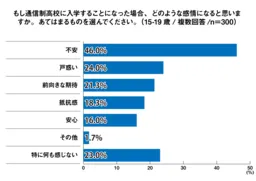
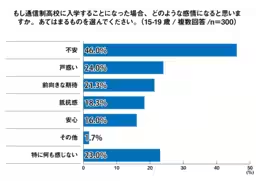
When asked about their feelings regarding enrollment in an alternative high school, 46.0% expressed feelings of anxiety, a sentiment echoed by 24.0% who reported feeling confused. In contrast, only 21.3% had a positive expectation regarding their potential paths in these schools. These findings underscore a prevailing uncertainty surrounding alternative high schools, fueled by limited awareness and understanding of their operations.
Concerns and Expectations
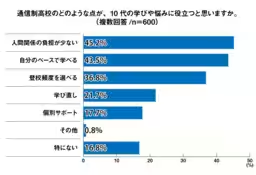
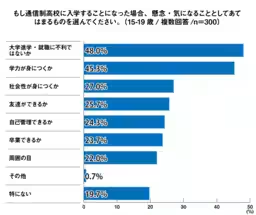
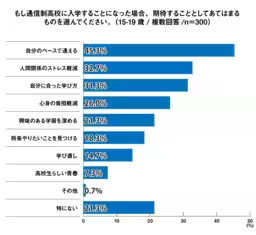
The survey also explored various concerns that teenagers have when considering alternative high schools. Notably, 48.0% worried about potential disadvantages in college admissions and employment prospects, while 45.3% questioned the adequacy of learning outcomes. Conversely, expectations included benefits such as the ability to study at their own pace (45.3%), reduced social pressures (32.7%), and personalized learning approaches (31.3%).
Insights from Premaceed's CEO
Akihito Iwata, CEO of Premaceed, commented on the disconnect between parental and teen perceptions of alternative high schools. Although parents often focus on the long-term social consequences of non-traditional education paths, teens predominantly prioritize flexible learning environments that can alleviate their immediate social and academic pressures. This difference in perspective highlights the necessity of fostering a robust support system that not only supports educational growth but also addresses emotional well-being.
The Disconnect Between Generations
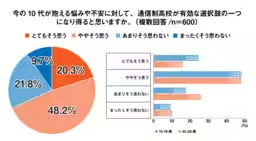
While 73% of teenagers believe that alternative high schools could be an effective means to address their current challenges, parental responses skewed toward skepticism. Many parents express doubts regarding the practical benefits of alternative schools, indicating a gap in communication about the real-world implications of such educational paths.
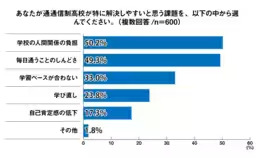
Examining factors like social burdens (50.2%) and the rigors of daily attendance (49.3%), it is clear that teens are actively seeking relief from current educational structures that may not suit their needs.
Valuing Environment Over Tradition
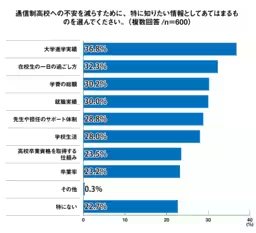
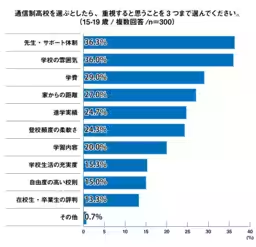
When choosing a school, teenagers indicated that the qualities they valued most included supportive faculty (36.3%), a welcoming school atmosphere (36.0%), and manageable tuition fees (29.0%), rather than focusing solely on college acceptance rates or traditional benchmarks of success.
This perception reveals a trend where teens are prioritizing their mental and emotional health alongside their education, suggesting that the most pivotal elements of the high school experience may not reside solely within the curriculum but also within the environment and culture of the school itself.
Moving Forward: Support and Transparency
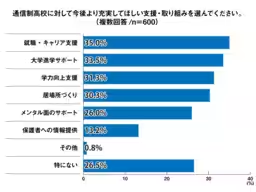
The survey further identified critical areas for improvement in alternative high school offerings, particularly in delivering affordable career counseling (35.0%) and college support services (33.5%). Additionally, transparency regarding educational outcomes, including university acceptance rates and student success stories, will be vital in mitigating the apprehensions held by both current and prospective students, as well as their families.
Conclusion
The findings suggest a robust opportunity for alternative high schools to refine their approaches to meet the evolving needs of today’s students. With increased awareness and a targeted focus on addressing both academic and emotional challenges faced by teenagers, these institutions can position themselves as formidable alternatives within the educational landscape. Given the changing nature of education, alternative high schools that offer supportive environments and flexible learning paths can resonate strongly with students actively shaping their identities and futures.
In summary, as the educational ecosystem shifts, engaging with the concerns and aspirations of teenagers will be essential for fostering effective educational environments that prepare them for success beyond the classroom.



Topics Other)
【About Using Articles】
You can freely use the title and article content by linking to the page where the article is posted.
※ Images cannot be used.
【About Links】
Links are free to use.