



Tokyo Medical University and Kyoto Science Forge Collaborative Agreement for Nursing Education and Workforce Development
Tokyo Medical University and Kyoto Science: A New Era in Nursing Education
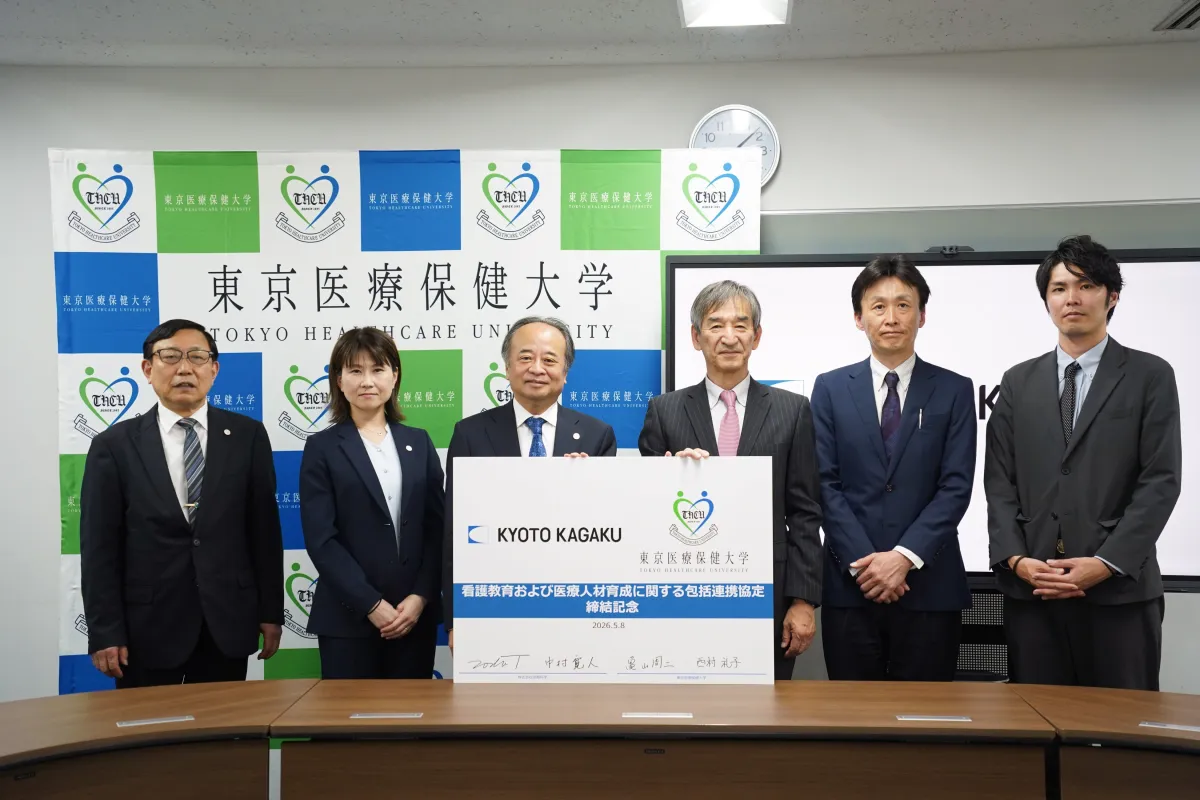
On May 8, 2026, a significant milestone was reached in nursing education as Tokyo Medical University (TMU), located in Shinagawa, Tokyo, finalized a collaboration agreement with Kyoto Science, based in Fushimi, Kyoto. This agreement aims to enhance nursing education and medical workforce development, marking an essential step towards innovating educational practices in the healthcare sector.
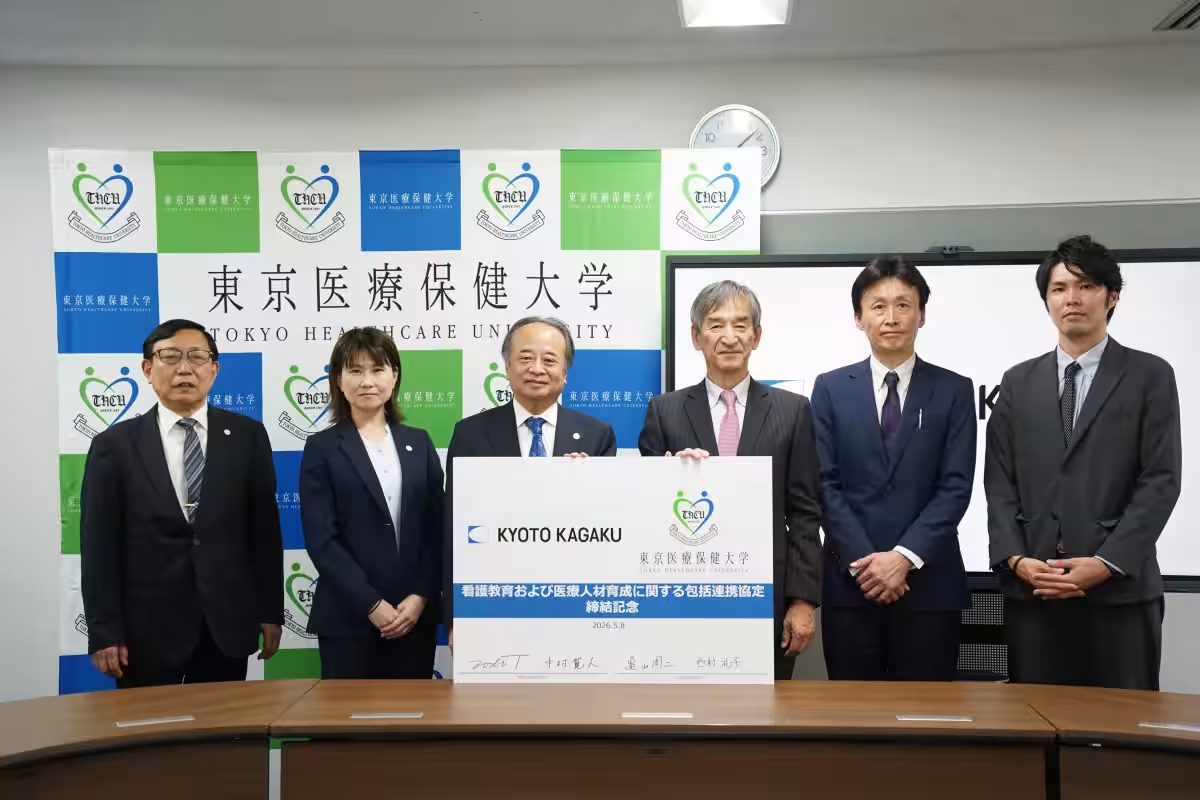
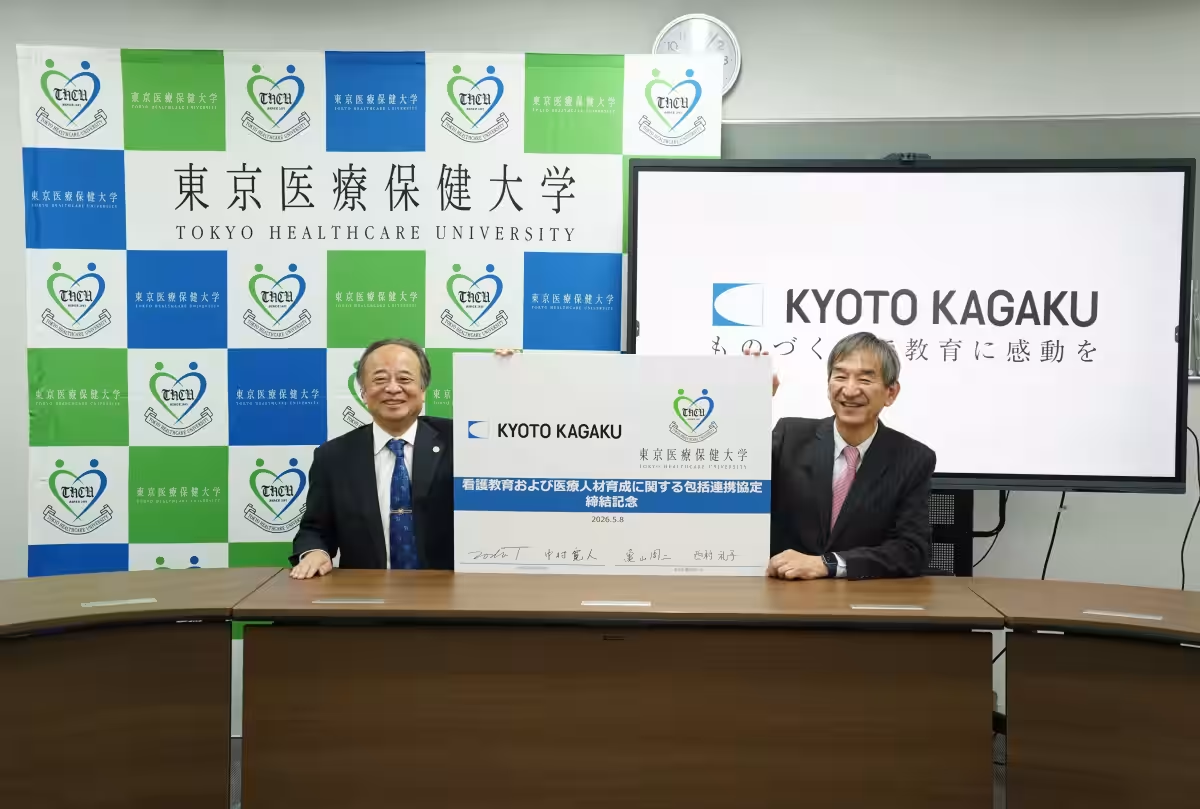
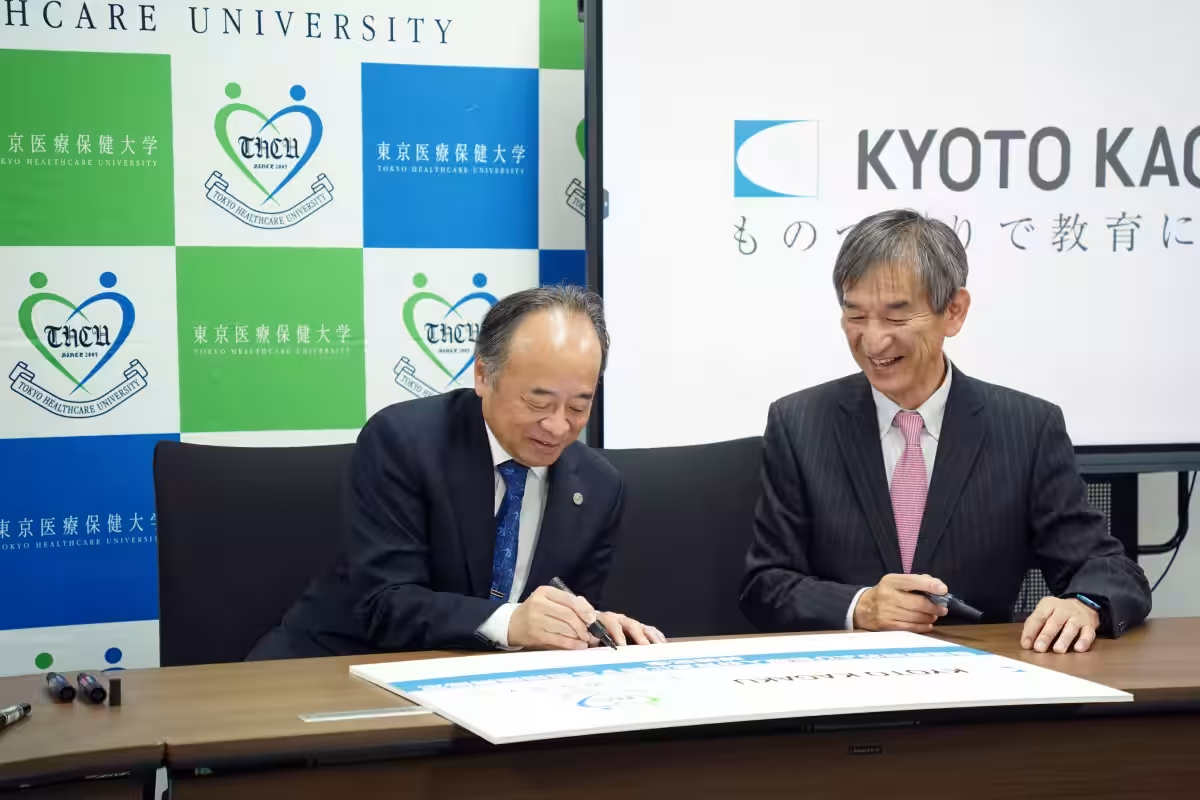
The collaboration was celebrated in an agreement signing ceremony, attended by notable figures from both institutions, including TMU's President, Shuji Kameyama, and Kyoto Science's President, Toshiyuki Takayama. This partnership is designed to leverage the strengths of both organizations in education, research, and technology to provide enhanced learning outcomes for students.
Objectives of the Collaboration
The new partnership intends to foster advanced nursing education and medical workforce training, while also promoting educational DX, or digital transformation. By sharing their expertise, technological tools like educational simulators, and other educational resources, both institutions aim to elevate the quality and effectiveness of medical training practices.
Utilizing Innovative Educational Tools
TMU has already pioneered the integration of advanced technology into its curriculum, utilizing tools such as electronic medical records, patient simulators, and virtual reality equipment. This approach allows students to hone their clinical decision-making and practical skills in an immersive learning environment. These initiatives have garnered positive evaluations from academic accreditation bodies, spotlighting the importance of measurable learning outcomes and enhanced educational quality.
In contrast, Kyoto Science has built a solid reputation for developing practical models for medical, nursing, and caregiving education. With years of experience in producing educational tools, Kyoto Science remains committed to supporting nursing education by addressing specific educational needs and challenges faced by institutions.
Key Points of the Agreement
The collaborative agreement focuses on several key areas, including:
1. Utilizing and enhancing educational simulators in nursing education.
2. Engaging in joint research and validation to promote educational DX.
3. Collaborating on training and workforce development for healthcare professionals.
4. Offering mutual support for each other’s initiatives.
5. Other related activities that arise from the collaboration.
In the initial phase, planned activities include market surveys and needs analyses for product development, practical evaluations of new educational tools within classroom settings, and organizing seminars and training sessions to share insights between faculty and employees.
Future Directions of the Partnership
Moving forward, the collaboration will be guided by three main pillars:
1. Needs-based Product Development: Both TMU and Kyoto Science will align their development strategies with the actual demands and challenges faced in nursing education, ensuring that new educational resources are practical and relevant.
2. Evaluation of New Products in Educational Settings: |The new products and resources developed by Kyoto Science will be actively utilized in TMU classes, with critical assessments conducted to measure student learning outcomes, educator usability, and areas for improvement. This feedback loop will facilitate ongoing enhancements in both education and product development.
3. Shared Insights through Workshops: Regular seminars and training sessions will serve as platforms for exchanging knowledge between educators and corporate representatives, focusing on the nuances of simulation education and clinical practice enhancement.
Remarks from Leadership
During the signing ceremony, President Kameyama emphasized TMU’s extensive role in medical education across multiple campuses, particularly in nursing talent development. He reiterated the importance of building on the existing relationship with Kyoto Science to further propel the advancement of educational DX and simulation education.
President Takayama expressed Kyoto Science's long-standing commitment to developing effective educational products for nursing and healthcare training. He highlighted the significance of creating educational models and curricula that can originate from Japan while also contributing to training advances in Southeast Asia.
Keiko Nishimura, Special Advisor to the President at TMU, outlined the historical context of the collaboration, stressing the need for quality education to adapt to the changing demographics and labor market conditions in healthcare.
This comprehensive partnership lays the groundwork for a stronger future in nursing education, as both institutions endeavor to leverage their combined strengths for better educational outcomes and workforce readiness.
About Tokyo Medical University
Founded in 2005 and located in Tokyo's Shinagawa district, Tokyo Medical University is a leading institution focused on healthcare education, particularly nursing. The university operates across several campuses and is committed to producing skilled healthcare professionals equipped with the necessary knowledge and practical skills. For more information, visit Tokyo Medical University.
In conclusion, the collaboration between Tokyo Medical University and Kyoto Science signals a promising future for nursing education, with innovative tools and methods poised to enhance learning and prepare the next generation of healthcare workers.
Topics Other)
【About Using Articles】
You can freely use the title and article content by linking to the page where the article is posted.
※ Images cannot be used.
【About Links】
Links are free to use.