



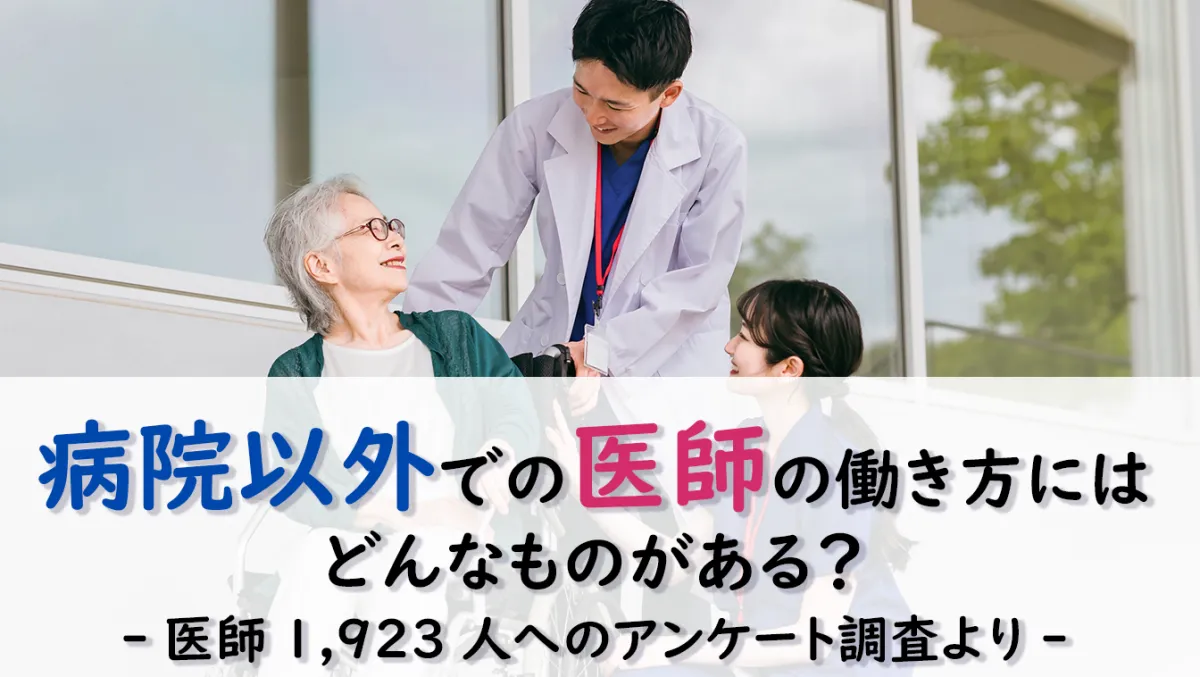
Exploring the Career Paths of Physicians Outside Hospitals: A Survey Report
Exploring the Career Paths of Physicians Outside Hospitals
In a recent survey conducted by Medwell Co., based in Sapporo, Japan, insights were gathered from 1,923 physicians regarding their experiences and motivations for working outside traditional hospital environments. As the number of physicians continues to rise, there is a notable increase in doctors aspiring to pursue careers in non-hospital settings. This shift can partly explain the growing shortage of specialists in acute care medicine, such as gastroenterologists, highlighting a significant concern in healthcare delivery.
The survey aimed to collect data on how many physicians have chosen to work outside of hospitals, as well as the reasons driving these decisions. The findings not only provide references for these physicians' future career paths but may also serve as potential solutions to the acute physician shortage in various regions.
Key Findings from the Survey
Employment Outside Hospitals
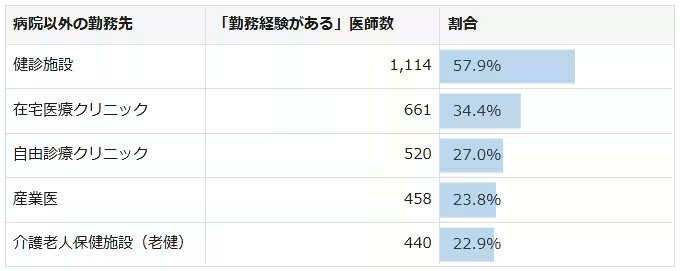
Almost 60% of physicians reported having experience working in health check centers, making it the most common choice among non-hospital workplaces. Other areas of employment included home medical care clinics, private practice clinics, industrial medicine, and geriatric health services. This diversity in career options reflects a growing trend in healthcare.
Job Satisfaction
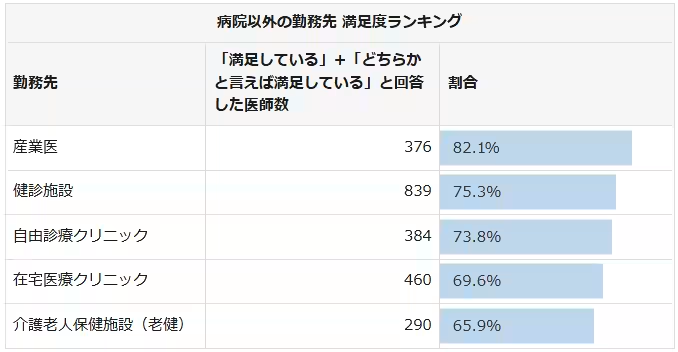
The overall satisfaction level for physicians working outside of hospitals exceeded 60%, with industrial medicine yielding the highest satisfaction ratings. Respondents noted that non-hospital work typically offered improved quality of life (QOL) factors, such as no night shifts, better salary, and a balanced workload. For instance, many industrial physicians cited excellent welfare benefits and reasonable working hours compared to traditional hospital settings.
Benefits of Non-Hospital Work
Physicians noted several advantages to working outside of hospitals, including:
- - Health Check Centers: Lower pressure and a more relaxed work environment.
- - Private Clinics: Generally easier workflows and high compensation.
- - Home Medical Care: High hourly rates for part-time positions.
- - Geriatric Services: Reliable work hours and good QOL.
Physicians reported that the absence of surgeries and immediate life-critical treatments reduced stress, allowing them to focus on patient welfare without the fast-paced demands typical in hospitals.
Drawbacks of Working Outside Hospitals
Conversely, survey participants identified several significant drawbacks to these career paths:
- - A common concern was the detachment from clinical medicine, leading to feeling undervalued among their peers in hospital settings.
- - Many expressed dissatisfaction with the monotony of routine examinations and lack of procedural responsibilities, questioning their professional fulfillment.
- - Some physicians feared that working outside would make it challenging to reintegrate into clinical roles, especially when faced with the high demands of acute care situations.
- - Concerns were voiced about inadequate knowledge updates and the risk associated with performing invasive procedures in non-hospital environments.
Conclusion
The trends highlighted in this survey reflect an evolving landscape for medical professionals, with many seeking fulfilling career pathways beyond traditional hospital settings. While increased flexibility, improved working conditions, and better remuneration are appealing, concerns regarding professional identity and clinical detachment linger.
For a comprehensive overview of the survey and detailed findings, visit Medwell’s website. Here, you can explore further studies, including the pros and cons of specific alternative medical roles and their implications on the healthcare system.
For more information, refer to the original survey details at Medwell’s official site.
Topics Health)

【About Using Articles】
You can freely use the title and article content by linking to the page where the article is posted.
※ Images cannot be used.
【About Links】
Links are free to use.