



The Erosion of Democracy Amid Economic Sanctions: Insights From Pre-War Japan's Imperial Diet
The Erosion of Democracy Amid Economic Sanctions: Insights From Pre-War Japan's Imperial Diet
Introduction
In a comprehensive study conducted by Associate Professor Makoto Fukumoto at Waseda University, new insights into the mechanics of democracy's erosion under economic sanctions have been revealed. Through the analysis of digitized data from the Imperial Diet of pre-war Japan (1936-1942), Fukumoto sheds light on the significant influences of economic sanctions and military procurement on political behavior.
Key Findings
- - The research highlights that members of parliament (MPs) affiliated with industries adversely affected by economic sanctions were more likely to support authoritarian regimes.
- - Conversely, MPs who benefited from military procurement did not necessarily align themselves with authoritarian policies.
- - This study challenges the prevailing notion that economic sanctions are primarily tools to promote democracy by demonstrating that they can actually undermine democratic processes and strengthen authoritarian regimes.
The study points out that democratic decline does not happen uniformly but is rather the result of selective incorporation of vulnerable elites into authoritarian structures.
Methodology
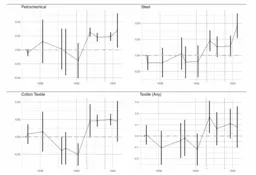
Fukumoto's research utilized a unique dataset encompassing over a thousand MPs, composed of legislative proposals, interpellations, and archival materials, along with stock market and military procurement data. Notably, the analysis employed statistical techniques such as difference-in-differences methods to assess changes in political behavior pre and post-sanction implementation.
Historical Context
This study focuses specifically on two defining moments in modern history: the American economic sanctions imposed between 1940 and 1941 and the expansion of military procurement from 1939 to 1942. While some sectors, like textiles, faced severe repercussions from sanctions, others, such as the automotive industry, experienced growth due to military procurement demands.
Notable Observations
The analysis finds that MPs representing industries impacted by sanctions shifted towards a pro-military stance after the sanctions took effect, indicating a substantial change in political inclination in response to economic pressures. Tsunami as a case, the MPs who were directly affected sought resources from government entities, revealing a growing political dependency. In stark contrast, politicians who thrived during the military procurement phases demonstrated independence and, in some instances, distanced themselves from authoritarian dependencies.
Broader Implications
Fukumoto's study calls into question the longstanding belief that economic sanctions are effective in facilitating democratic changes. Instead, it posits that economic sanctions can inadvertently bolster authoritarianism by crippling weak enterprises and politicians, which provides valuable lessons for contemporary international political strategies. Policymakers must carefully analyze the potential internal political effects when crafting sanction policies, recognizing that these measures may deepen the political divide and support authoritarian governance structures rather than democratization.
Future Directions
The research emphasizes the necessity of expanding this analysis to other nations and modern datasets to further understand the relationship between economic vulnerabilities and changes in political behavior. Long-term studies are also essential to gauge the effects of these democratic declines in subsequent political landscapes.
Conclusion
Fukumoto’s findings present a significant shift in understanding how economic vulnerability impacts political agency and the dynamics of authoritarianism in modern states. Ultimately, this research underscores the intricate relationship between economic policy and political stability, advocating for a more thoughtful and nuanced approach to policy design.
Publication Information
- - Journal: American Political Science Review
- - Article Title: The Cornered Mouse: Sanctioned Elites and Authoritarian Realignment in the Japanese Legislature, 1936–1942.
- - Author: Makoto Fukumoto (Waseda University)
- - Publication Date: March 3, 2026 (Japan Time)
- - DOI: 10.1017/S0003055426101440
Topics People & Culture)
【About Using Articles】
You can freely use the title and article content by linking to the page where the article is posted.
※ Images cannot be used.
【About Links】
Links are free to use.