



Redefining Art Thinking in the AI Era: A New Framework for Organizations
Redefining Art Thinking in the AI Era: A New Framework for Organizations
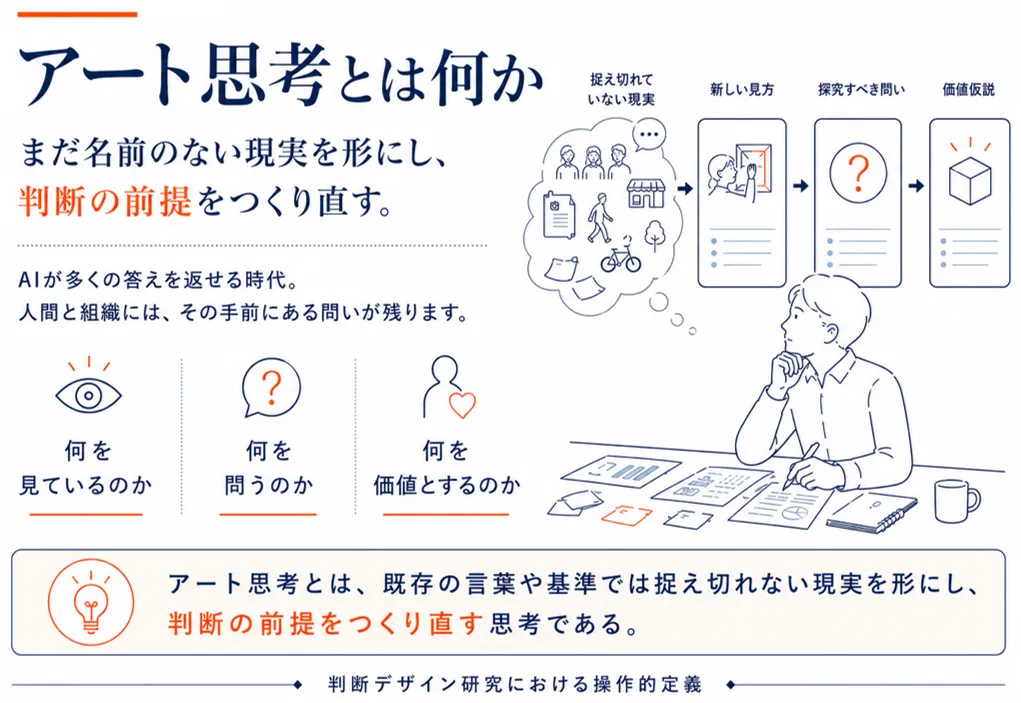
In the rapidly evolving landscape brought about by AI technology, the concept of 'Art Thinking' has taken on a renewed significance. Request Inc. has recently unveiled an 11-page document titled "What is Art Thinking?" which lays out a comprehensive framework aimed at helping organizations navigate the complexities of decision-making in this new age.
The Challenge of AI in Decision-Making
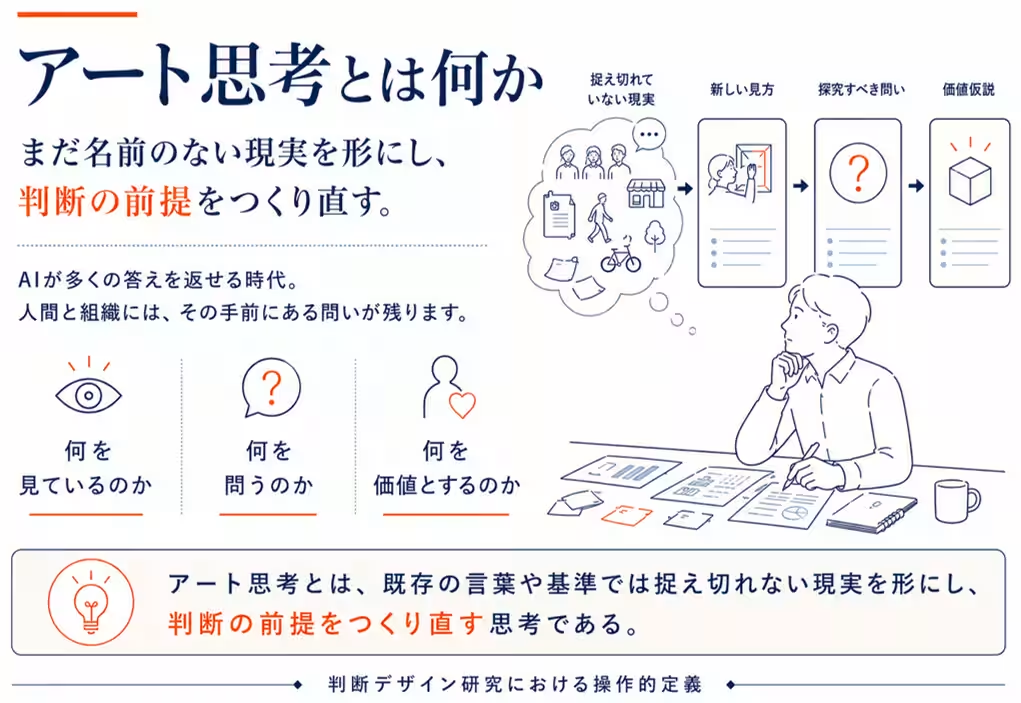
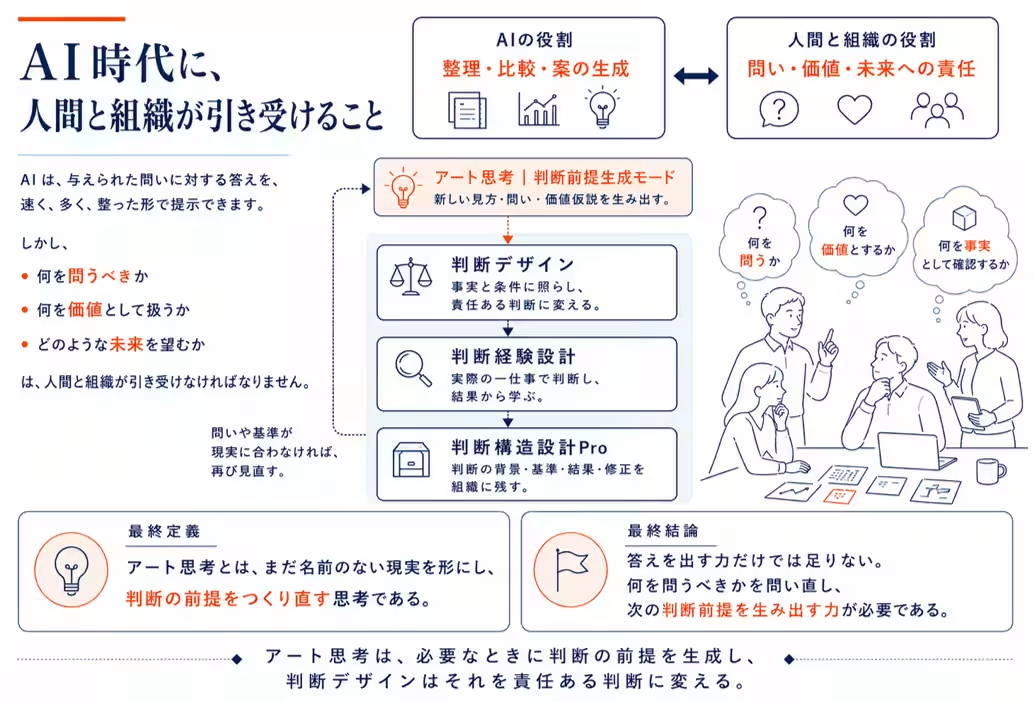
With the rise of generative AI, tasks such as information organization, summarization, and the generation of options have become faster and more efficient. However, this advancement comes with a caveat: the responsibility to determine the appropriate questions and values falls squarely on human beings and organizations. The prevalent question remains, what kind of future do we desire, and how do we frame our inquiries to reach that conclusion?
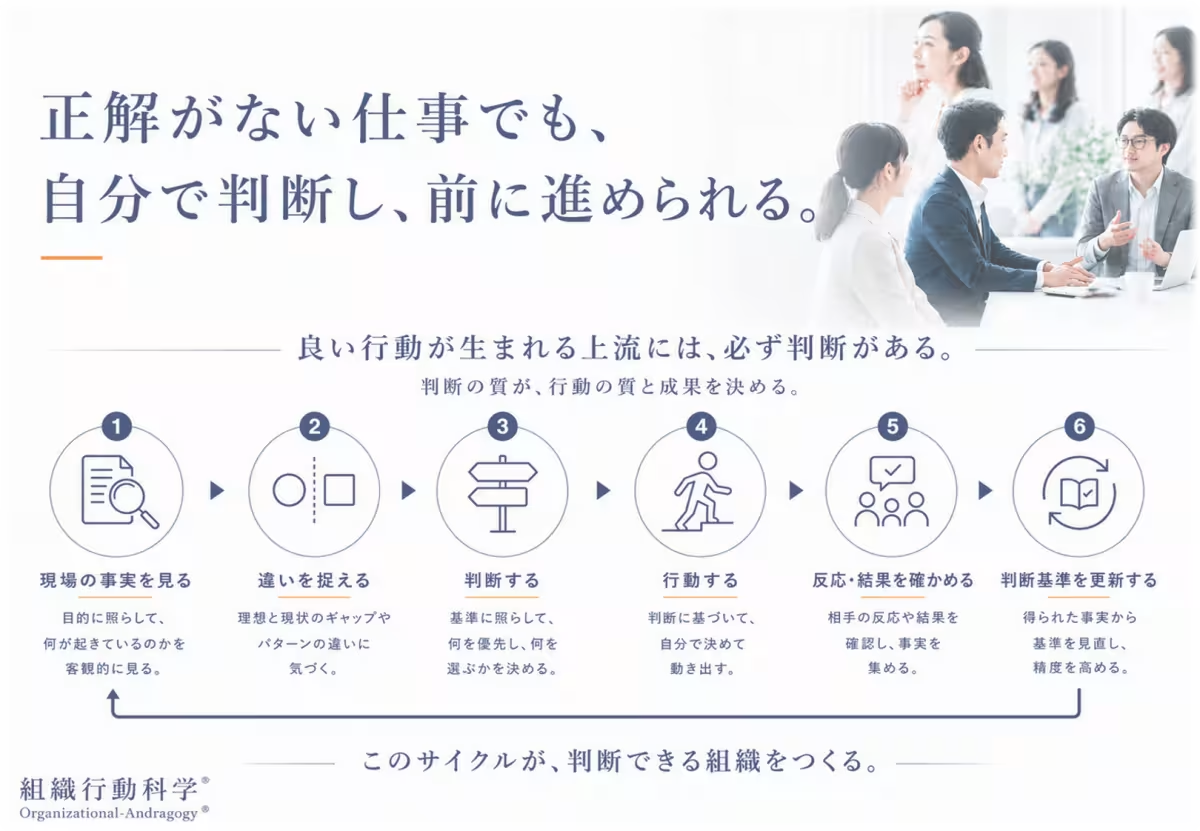
The increasing capabilities of AI raise concerns about its influence on critical judgment areas. If the foundational questions posed are inadequate or misaligned with current realities, AI can offer precise answers that may divert attention from the essential truths at stake. Thus, organizations need to cultivate a new kind of aptitude—one that goes beyond applying existing standards to decision-making. This skill requires recognizing uncharted realities and generating the necessary premises that facilitate accurate judgments.
Defining Art Thinking
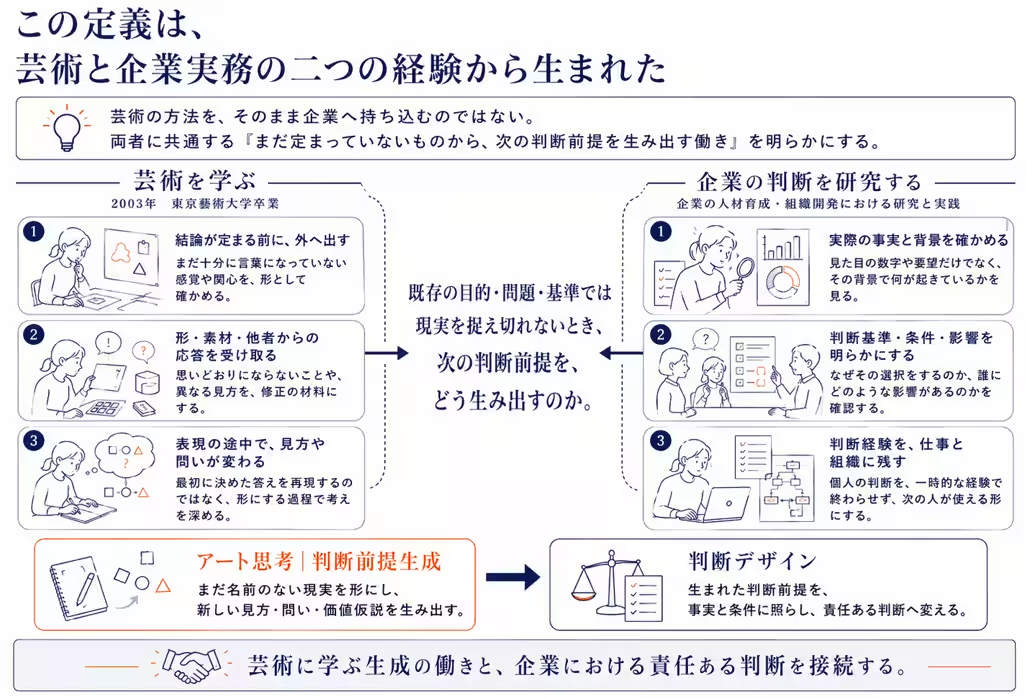
Request Inc. has embraced this urgency by clearly defining 'Art Thinking' in their recent document. This definition stems from the unique experiences of Tomoyasu Kohata, the CEO of Request Inc., who has a rich background in both art and organizational behavior sciences. Kohata graduated from the Tokyo University of the Arts in 2003 and has since dedicated his career to researching and developing organizational capabilities within various corporate environments. His dual experiences allow for a unique intersection between artistic creativity and corporate decision-making processes.
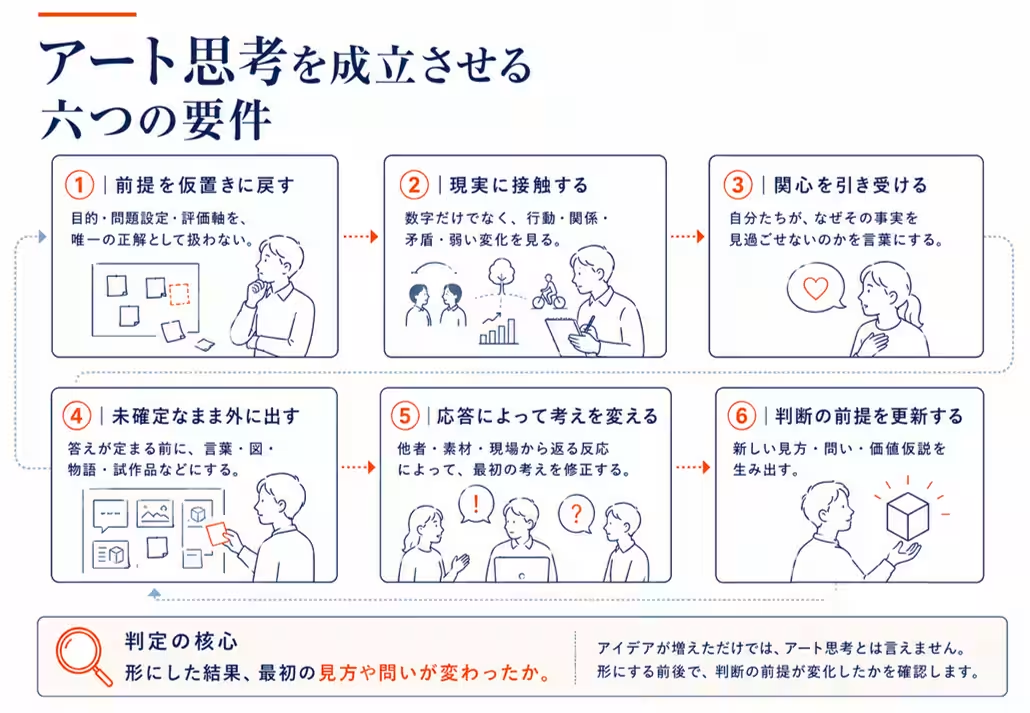
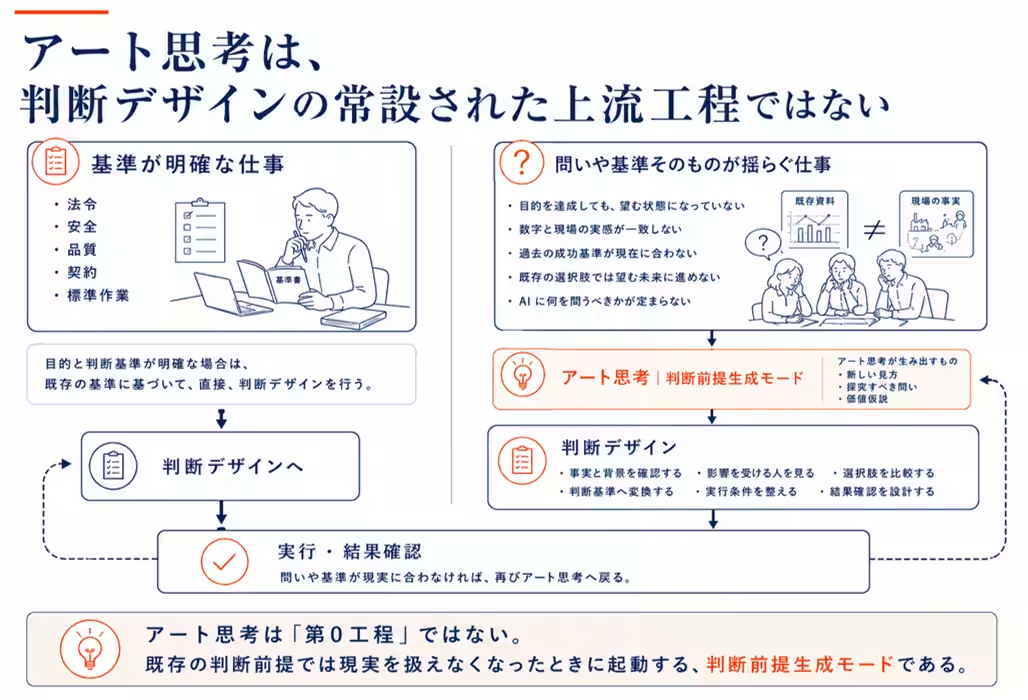
Art production does not always yield predetermined correct answers. Often, artists engage in a dynamic process of observation, adaptation, and refinement, crafting expressions that evolve based on feedback from materials and communities. However, conventional corporate environments often impose pre-established goals, metrics, and benchmarks that constrict exploration. As the role of AI becomes more significant, organizations must transcend merely executing established standards to embrace an evolving understanding of their goals and benchmarks that align with real-world dynamics.
The Essence of Art Thinking in Practice
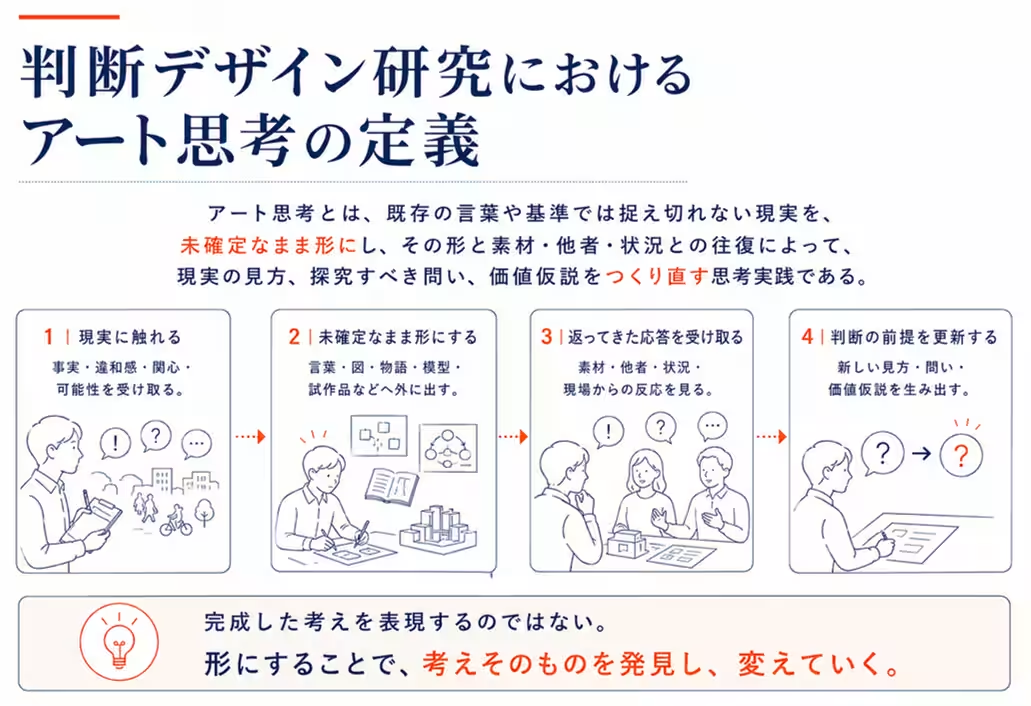
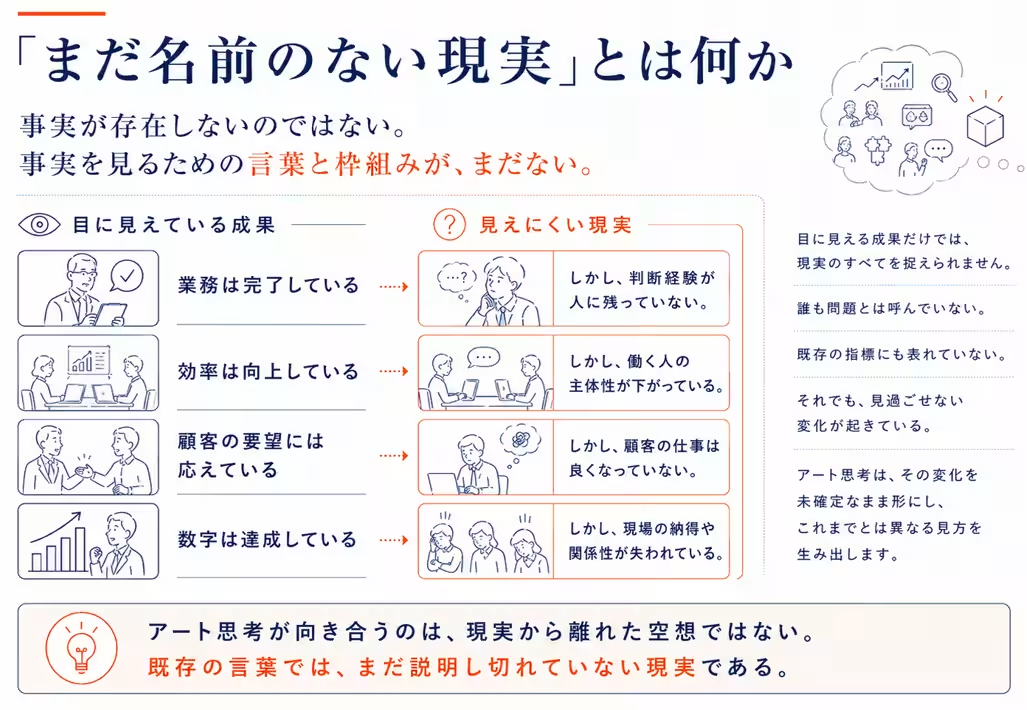
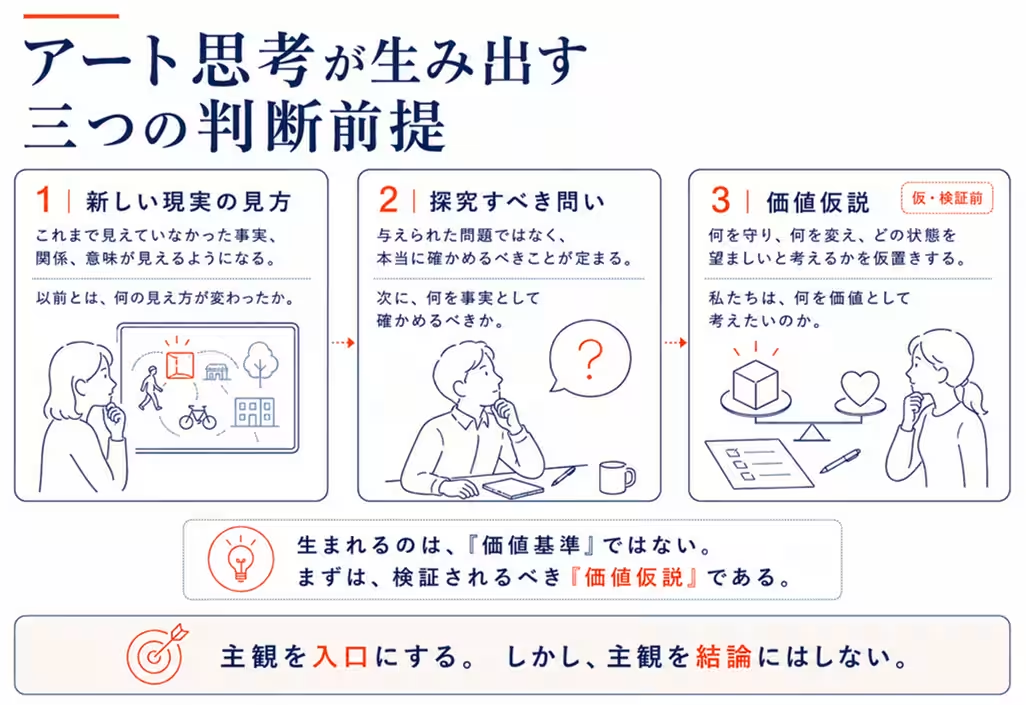
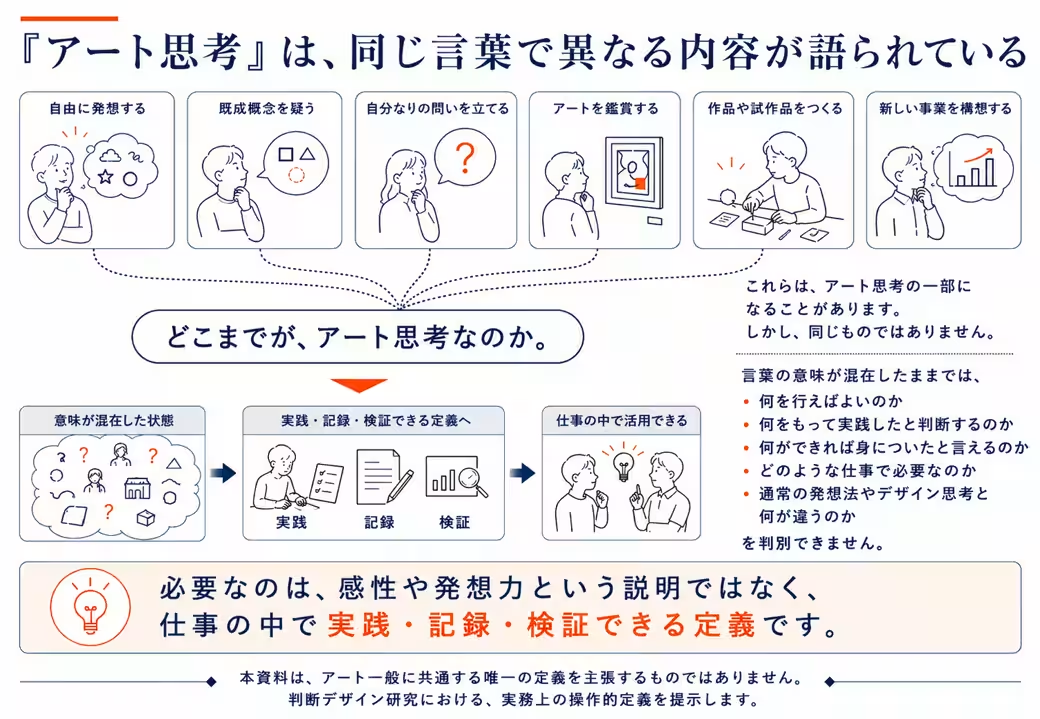
Art Thinking is not just an abstract notion; it is about leveraging creativity to reshape decision-making frameworks. By recognizing that not all realities can be captured through existing terminologies and metrics, Art Thinking directs focus on what is still unexamined or underappreciated in discourse. This method involves the act of rendering inadequately defined realities into tangible forms, facilitating deeper insight and exploration of meaningful questions.
The outcomes of Art Thinking extend beyond the mere creation of ideas or concepts. They involve three significant results: new perspectives on reality, the formulation of critical questions, and the establishment of value hypotheses. For instance, organizations that previously deemed a task 'completed' may realize that the knowledge and judgment cultivated during the process are absent, prompting a shift from questions like, 'How can we expedite work with AI?' to 'How can we ensure that decision-making experiences remain even as we leverage AI for efficiency?'
Practical Applications of Art Thinking
Request Inc. envisions the application of Art Thinking in various contexts such as:
- - Redesigning business processes and training programs following AI integration.
- - Conceptualizing new products, services, or business ventures.
- - Identifying discrepancies between customer demands and their actual needs.
- - Reevaluating KPIs and performance indicators.
- - Rethinking business models that have become outdated and ineffective.
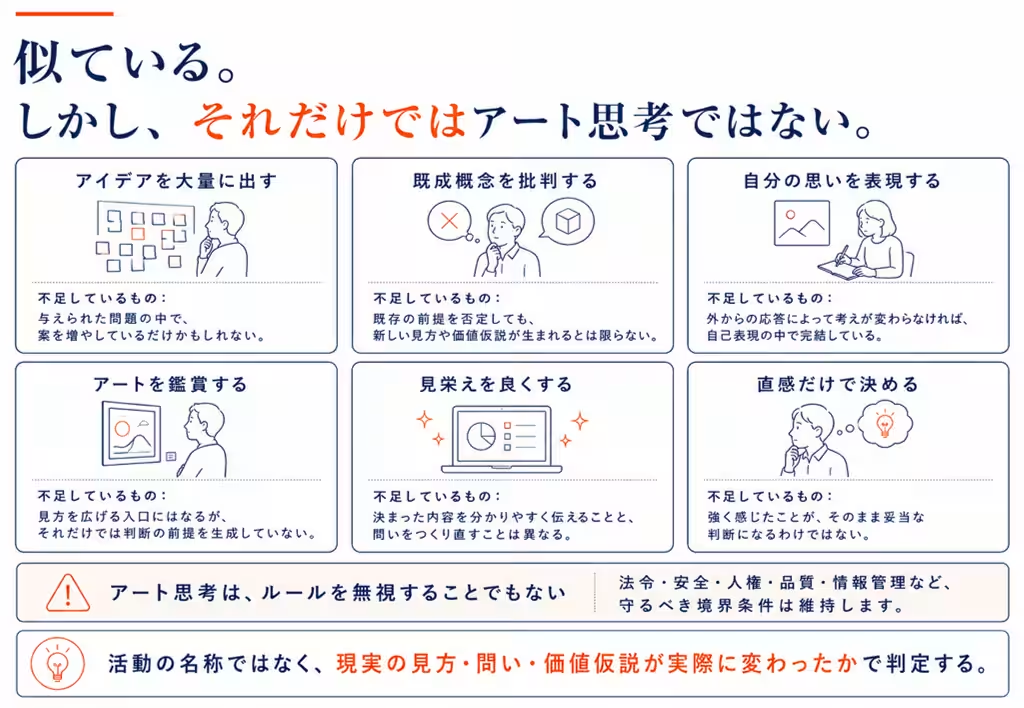
In these scenarios, the critical aim is not merely to generate artistic expressions or ideas but to facilitate meaningful discussions about the implications of AI and other market dynamics on organizational decision-making.
Conclusion
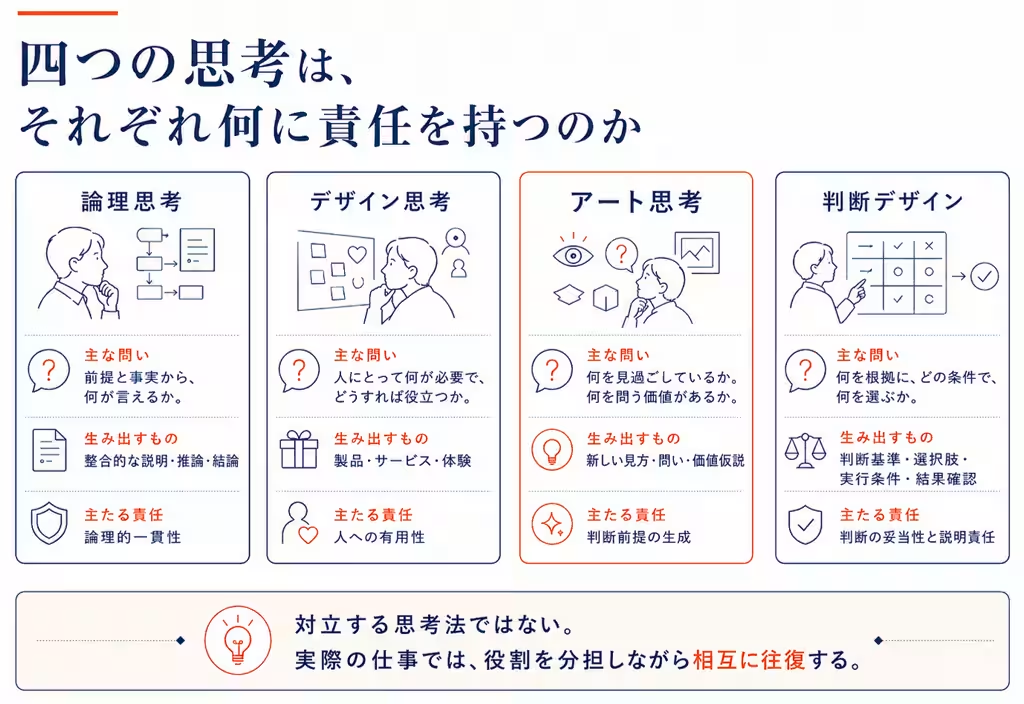
As we enter an AI-dominated world, the human capacity to question and challenge established norms becomes vital. Organizations must cultivate the ability not only to identify the problems they wish to solve but to reassess whether those problems should be the focus of their efforts. The framework developed by Request Inc. lays the groundwork for creating a dialogue around the responsibilities organizations must uphold in this new era, where Art Thinking serves as a bridge between creativity and structured decision-making. By emphasizing judgment premise generation as a key competency, organizations can better prepare themselves for the complex challenges the future holds.

Topics Business Technology)
【About Using Articles】
You can freely use the title and article content by linking to the page where the article is posted.
※ Images cannot be used.
【About Links】
Links are free to use.