



Exploring the Efficacy and Longevity of Snoring Treatment: Insights from a National Survey
The Efficacy and Longevity of Snoring Treatment: Key Insights from a National Survey
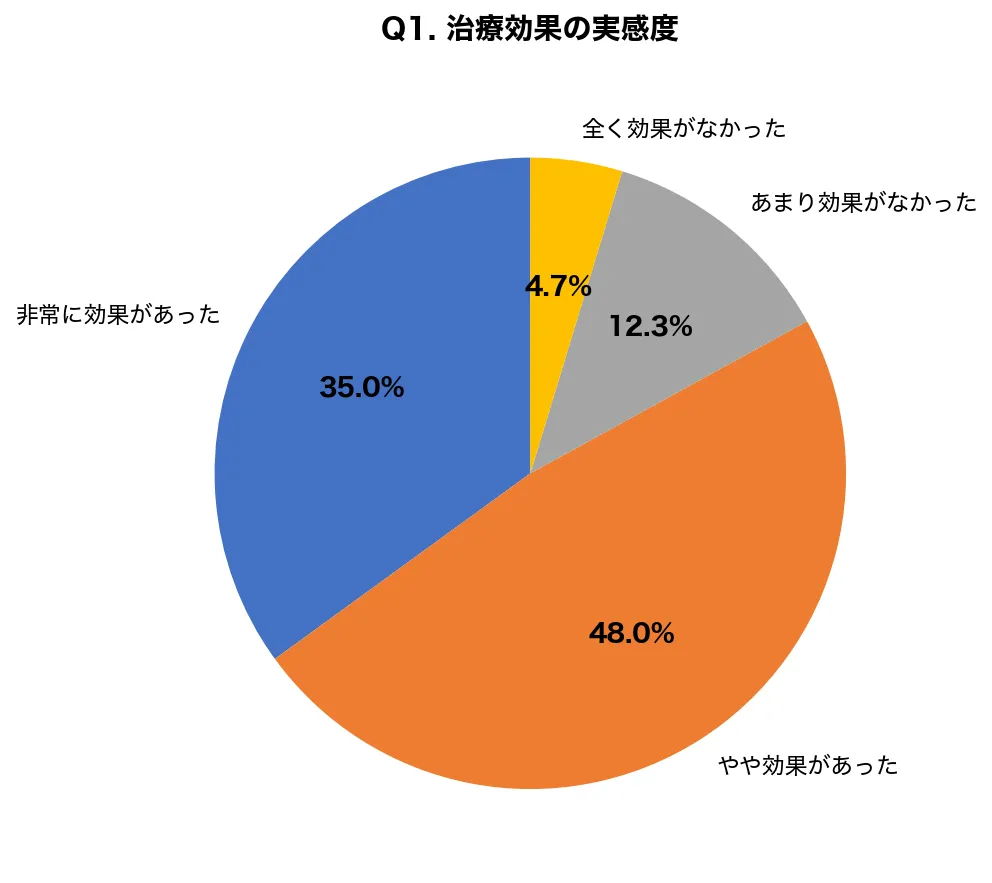
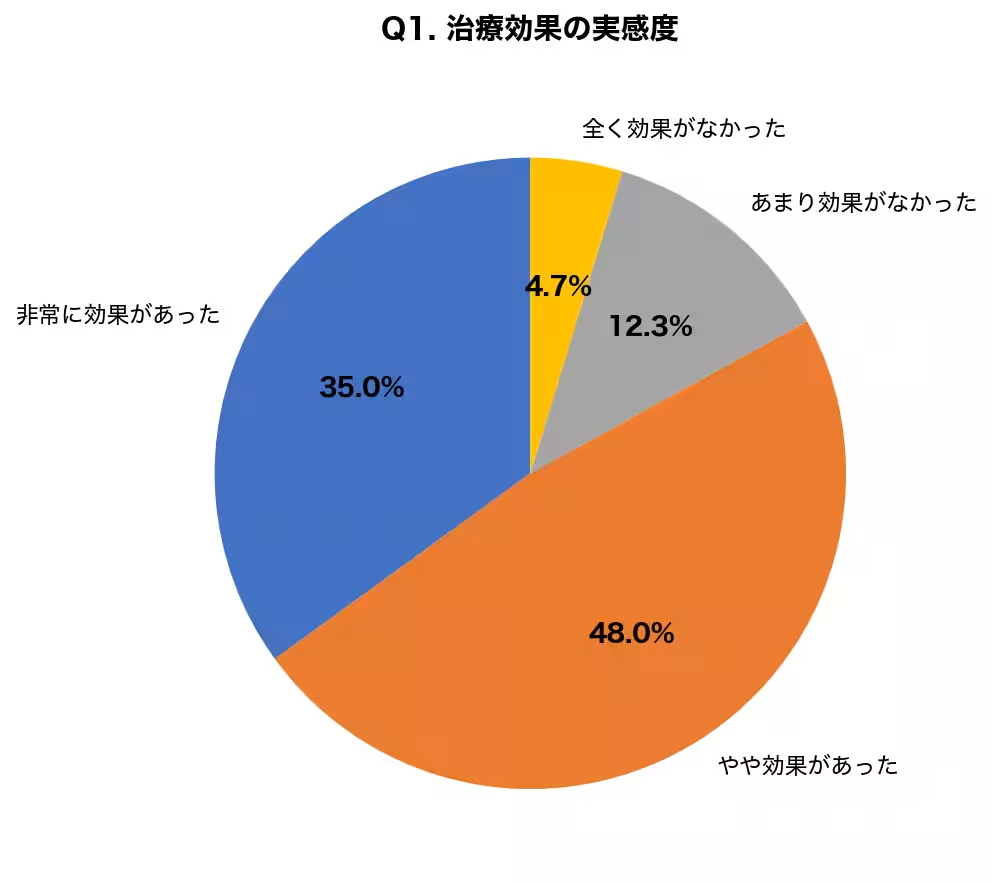
A recent investigation into the effectiveness and sustainability of various snoring treatments has unveiled some intriguing insights about patient experiences. Conducted by the I.C. Clinic - a medical institution specializing in snoring treatment - the survey included responses from 300 men and women aged 20 to 60 across the country who have undergone treatment for snoring. The results pointed to a mixture of satisfaction and lingering concerns among patients regarding their treatment choices.
Key Findings of the Survey
- - Effectiveness Realized: About 83% of participants reported feeling an improvement in their snoring after seeking treatment. Additionally, 35% indicated they experienced a significant effect.
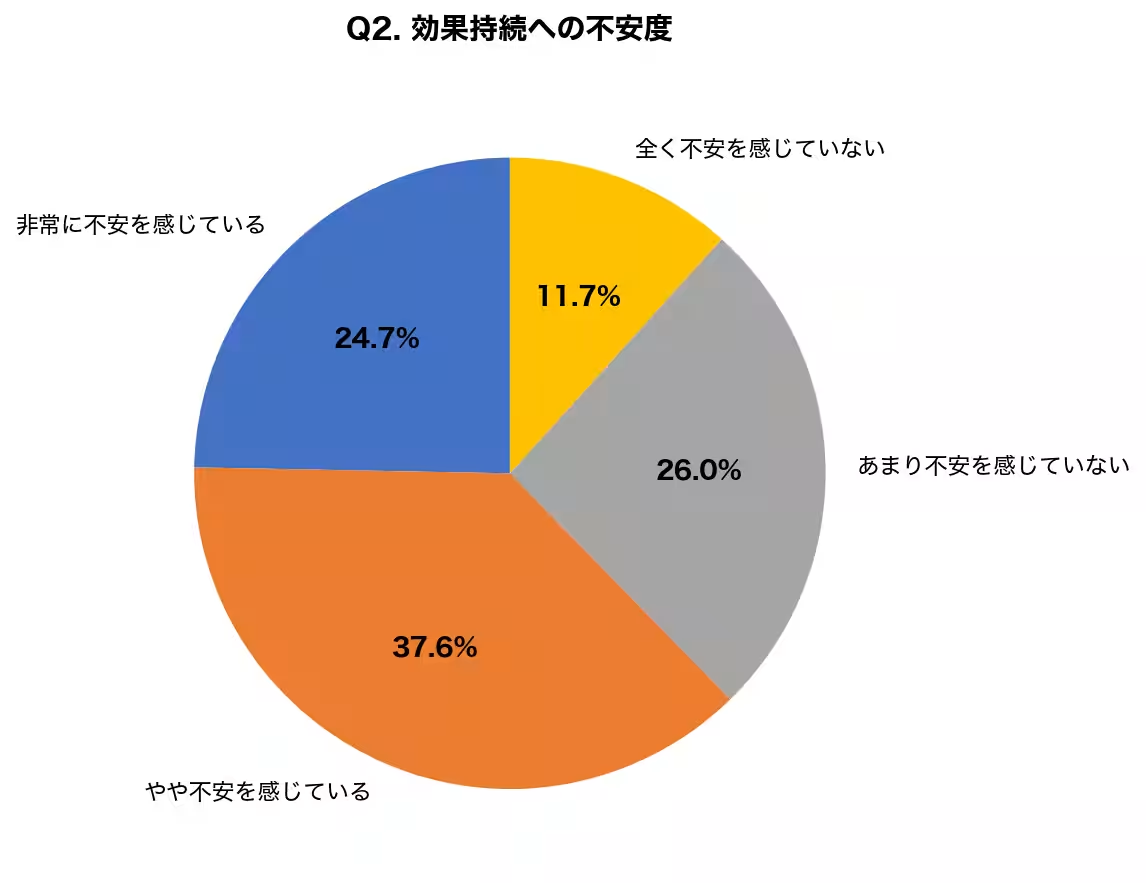
- - Concerns About Longevity: While many felt positive effects, 62.3% expressed worries about the sustainability of these effects over time. Particularly with treatments like laser therapy, which often necessitate repeat procedures, this concern is considerably pronounced.
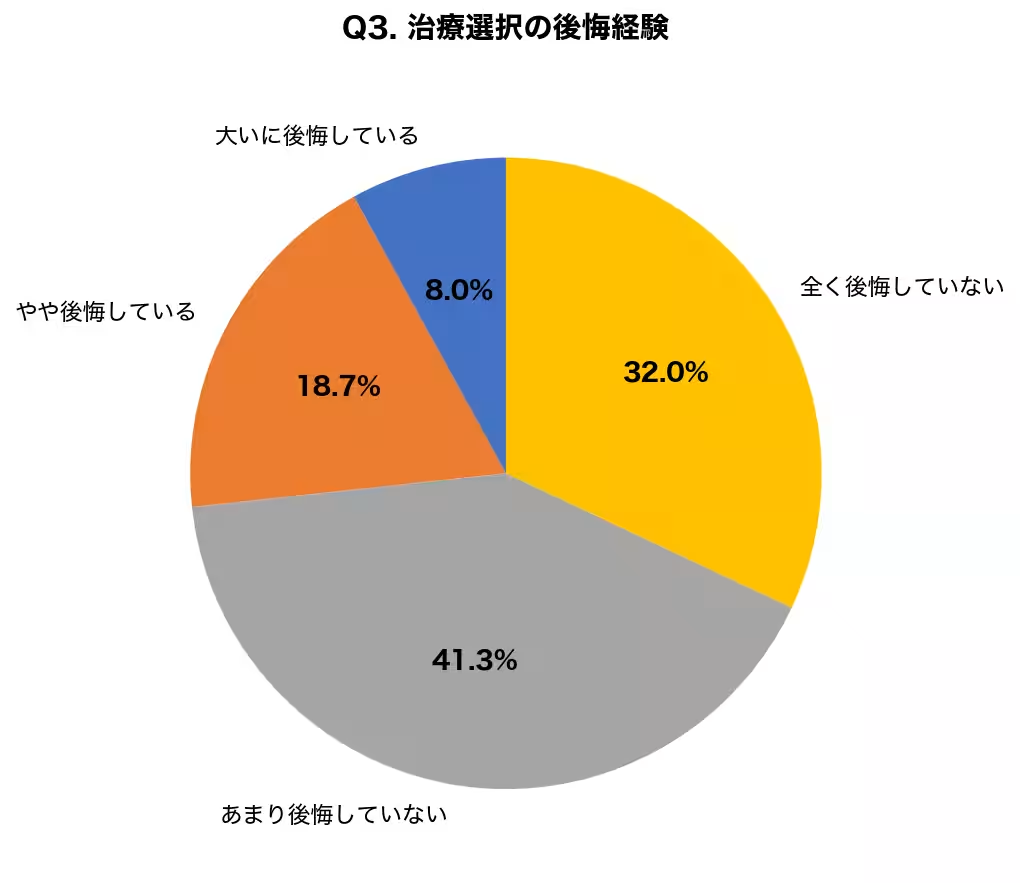
- - Treatment Regret: A notable 26.7% of respondents indicated that they regretted their treatment choices, pointing to a common theme of insufficient pre-treatment information.
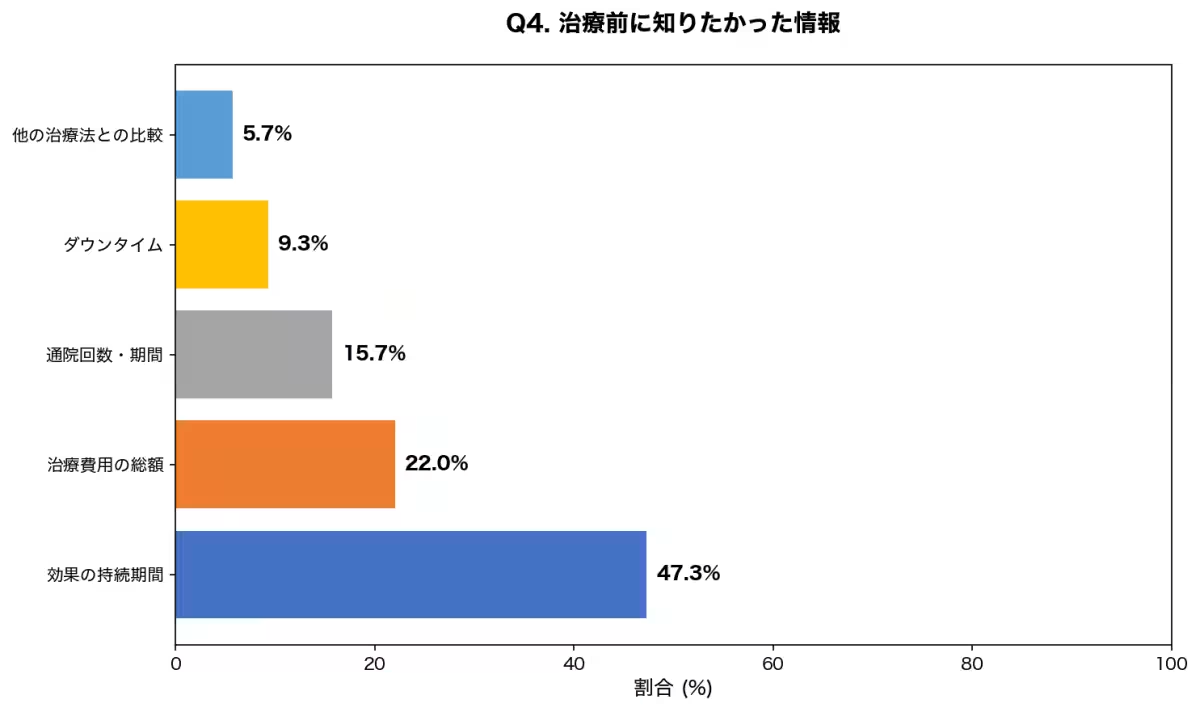
- - Pre-treatment Information: When asked what they wished they had known prior to treatment, 47.3% wanted clarity on how long the treatment effects would last, underscoring the emphasis on sustainability.
Treatment Options Explained
This investigation illuminates the efficacy of different treatment methodologies:
1. Laser Treatment
This method involves utilizing a laser to tighten the tissues around the soft palate and uvula, thereby widening the airway to reduce snoring. The primary benefits include minimal downtime and the ability to undergo the procedure on an outpatient basis. However, the effects typically last between 1 to 2 years, and many patients may need follow-up treatments.
2. CPAP Therapy
CPAP (Continuous Positive Airway Pressure) therapy employs a mask to deliver a steady stream of air, preventing airway obstruction during sleep. This method is considered the standard treatment for moderate to severe obstructive sleep apnea (OSA). It shows sustained effectiveness as long as the mask is worn consistently.
3. Mouthpiece Therapy
Custom mouthpieces can also assist in mitigating snoring by repositioning the jaw, thus opening the airway. This treatment typically requires an initial fitting and follow-up adjustments.
| Treatment | Effect Duration | Cost Estimate | Necessary Visits | Downtime |
|---|---|---|---|---|
| ---- | ----- | --- | ---- | ---- |
| Laser Treatment | 1-2 years (possible re-treatment) | ¥30,000-¥100,000 per session | 1-3 times | 1-2 days |
| CPAP Therapy | Ongoing with continual use | ¥4,000-¥5,000 monthly (insurance applicable) | Monthly | None |
| Mouthpiece Therapy | Ongoing with continual use | ¥10,000-¥30,000 (insurance applicable) | Initial fitting + adjustments | None |
Reflection on Treatment Choices
The survey results reveal a vital consideration for individuals contemplating snoring treatments: the necessity of obtaining comprehensive information before making a treatment decision is paramount. With 26.7% of participants expressing regret in choosing their treatment route, clear communication regarding what each method entails, its longevity, and potential risks should be prioritized.
Dr. Kotaro Takakuwa, a medical expert from the I.C. Clinic, emphasizes, "Proper diagnosis alongside tailored treatment decisions based on lifestyle requirements is crucial for successful outcomes. The anxiety surrounding treatment effectiveness indicates that many patients may not have received adequate pre-treatment explanations."
The Importance of Lifestyle Adjustments
Adopting healthier habits can also bolster treatment effectiveness:
- - Maintaining a healthy weight (as obesity is a significant contributor to snoring)
- - Reducing alcohol consumption, especially before bedtime
- - Sleeping on one’s side rather than on the back
- - Quitting smoking, as it can worsen airway inflammation
To summarize, while the survey conveys an optimistic overview of treatment experiences, it also highlights the need for thorough patient education regarding the effectiveness and longevity of snoring treatments. The combination of the right treatment, personal lifestyle changes, and ongoing communication with medical professionals can substantially improve satisfaction and health outcomes for those addressing the challenge of snoring.
Topics Health)
【About Using Articles】
You can freely use the title and article content by linking to the page where the article is posted.
※ Images cannot be used.
【About Links】
Links are free to use.