



The Hidden Health Risks of Alcohol Tolerance: Insights from Medical Survey
Understanding Alcohol Tolerance and Health Risks
A recent survey conducted by Sizen Shokken Co., Ltd., based in Bungo-Takada, Oita Prefecture, has shed light on some surprising findings about alcohol tolerance and its potential health impacts. The study, targeting individuals aged 20 to 60 who drink alcohol at least once a week, along with medical professionals, aimed to assess drinking habits and post-drinking care practices.
Key Findings from the Survey
1. Self-Perception of Alcohol Tolerance:
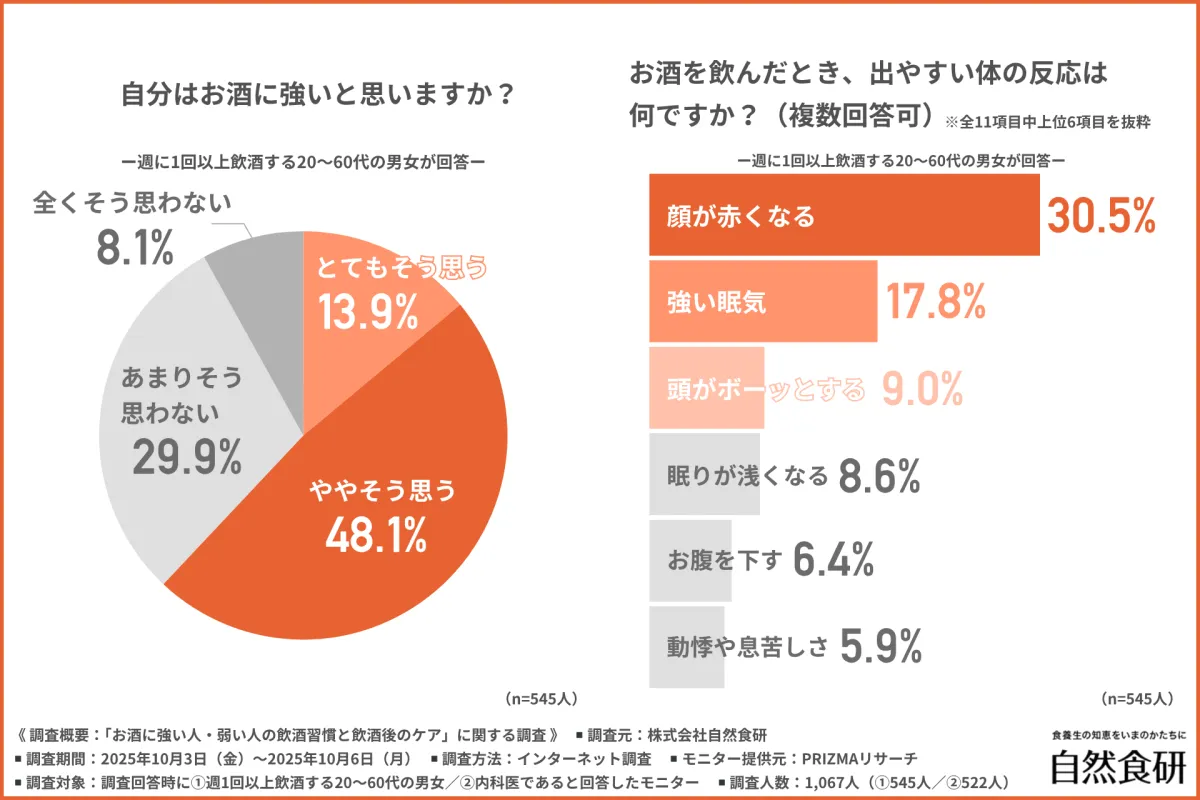
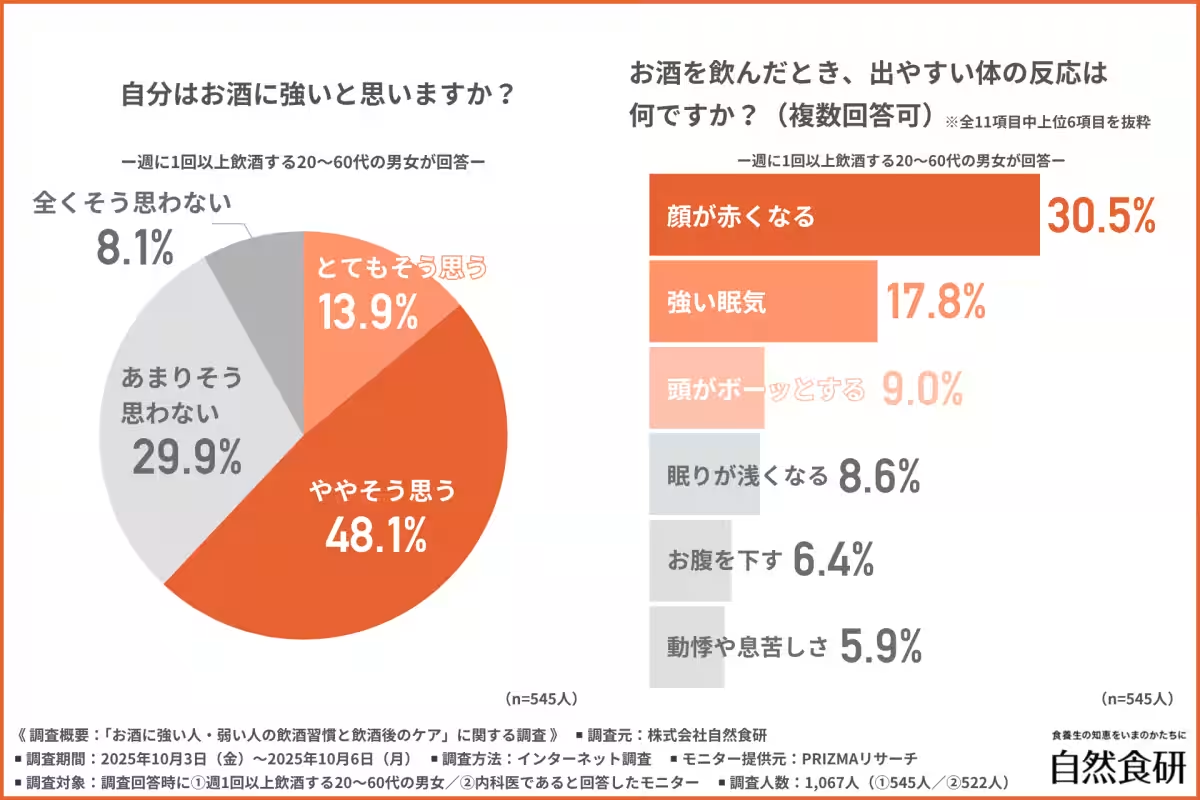
Approximately 60% of respondents believe they have high alcohol tolerance, with 13.9% claiming to be very strong and 48.1% feeling somewhat strong. This perception seemingly stems from a lack of noticeable reaction when consuming alcohol.
2. Common Reactions While Drinking:
When asked about their physiological reactions to alcohol, the most common response was "my face turns red" (30.5%). Other responses included "feeling very sleepy" (17.8%) and "feeling lightheaded" (9.0%). Such symptoms indicate that the body could be experiencing stress from alcohol consumption, emphasizing the need to consider these as warning signs rather than dismissing them.
3. Understanding Hangover Frequency:
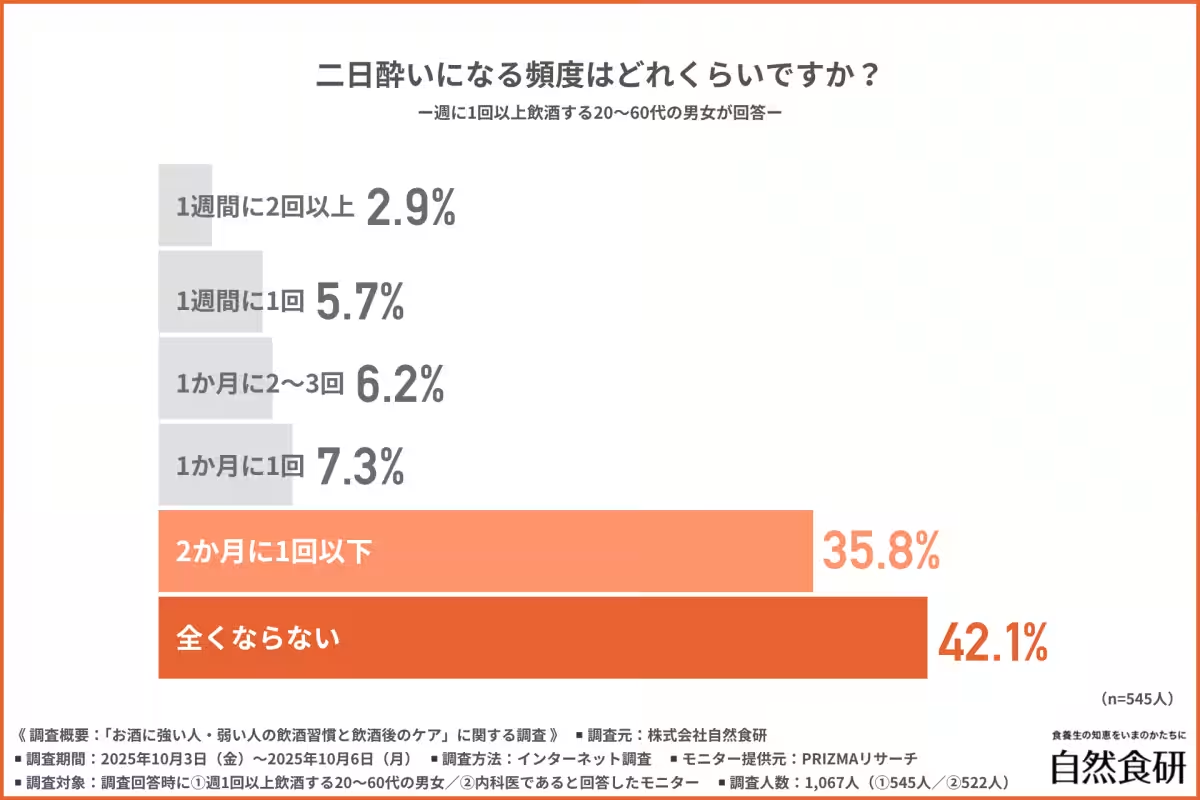
The data revealed that 42.1% of participants reported never experiencing hangovers, with many feeling they do not suffer from the much-feared post-drinking malaise. However, this does not imply that their bodies are unscathed; hidden liver issues could accumulate silently.
4. Perceptions of Health Impact Based on Tolerance:
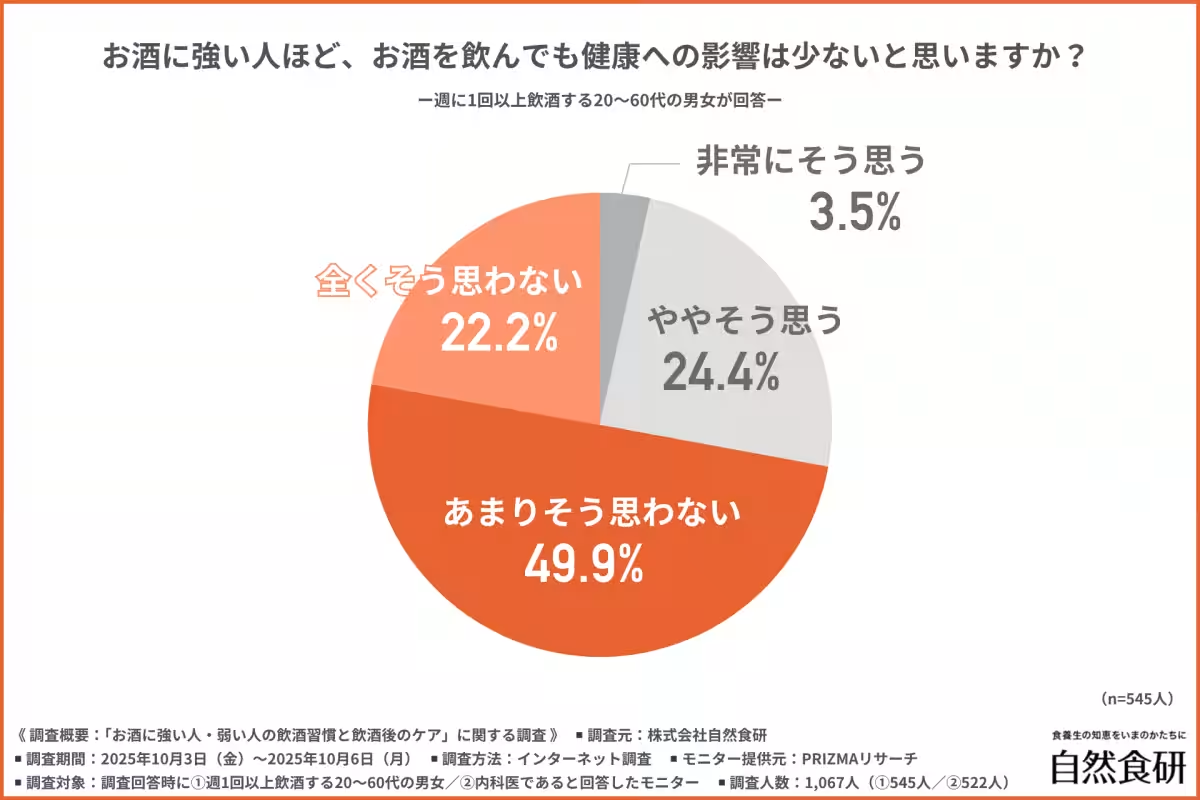
A notable 74.1% of participants maintained a cautious stance regarding the relationship between their alcohol tolerance and health impact, with only about 27.9% believing that having a strong tolerance correlates to fewer health problems. This suggests a growing understanding that alcohol tolerance does not equal health security.
Insights from Medical Professionals
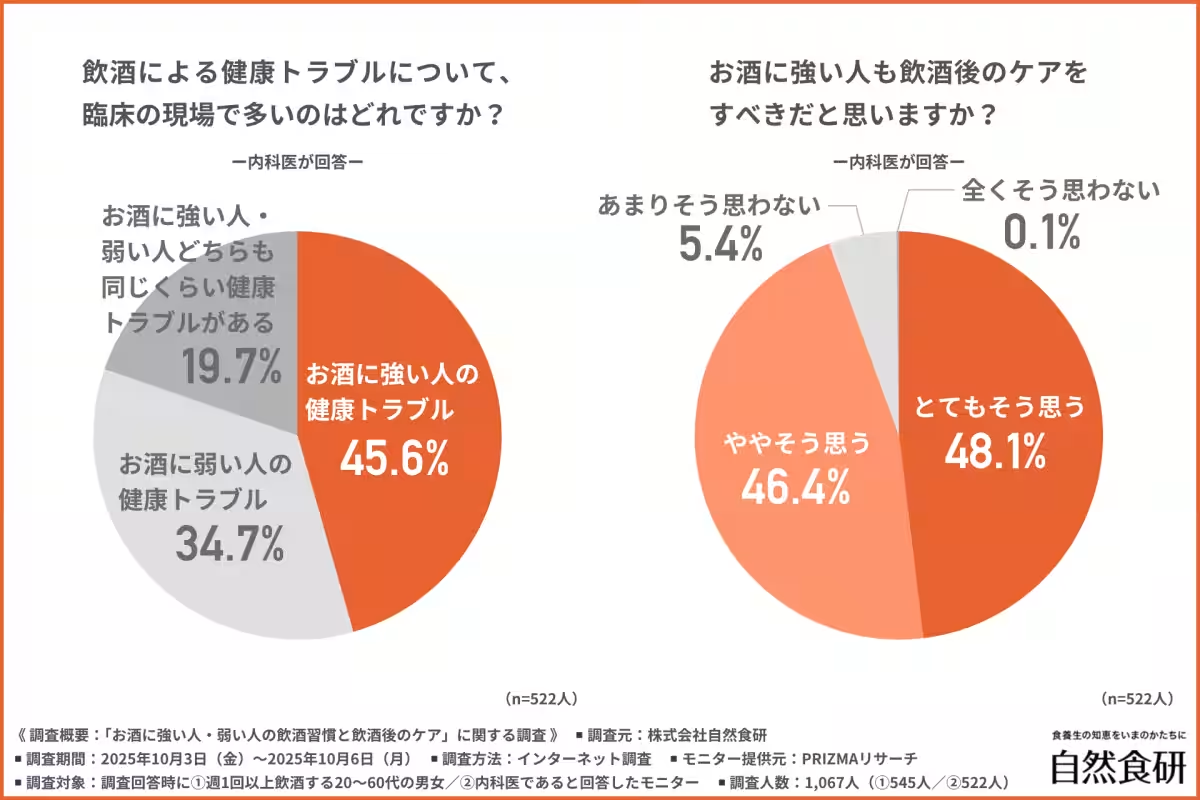
Approximately 90% of doctors agree that high alcohol tolerance demands careful post-drinking care, highlighting a significant disconnect between perception and reality. The survey showed that 45.6% of clinicians observed that health issues are more prevalent among those with a higher alcohol tolerance, resulting from excessive drinking without immediate consequences.
Causes for Health Overconfidence
Among respondents, reasons for cognitive overconfidence about health included:
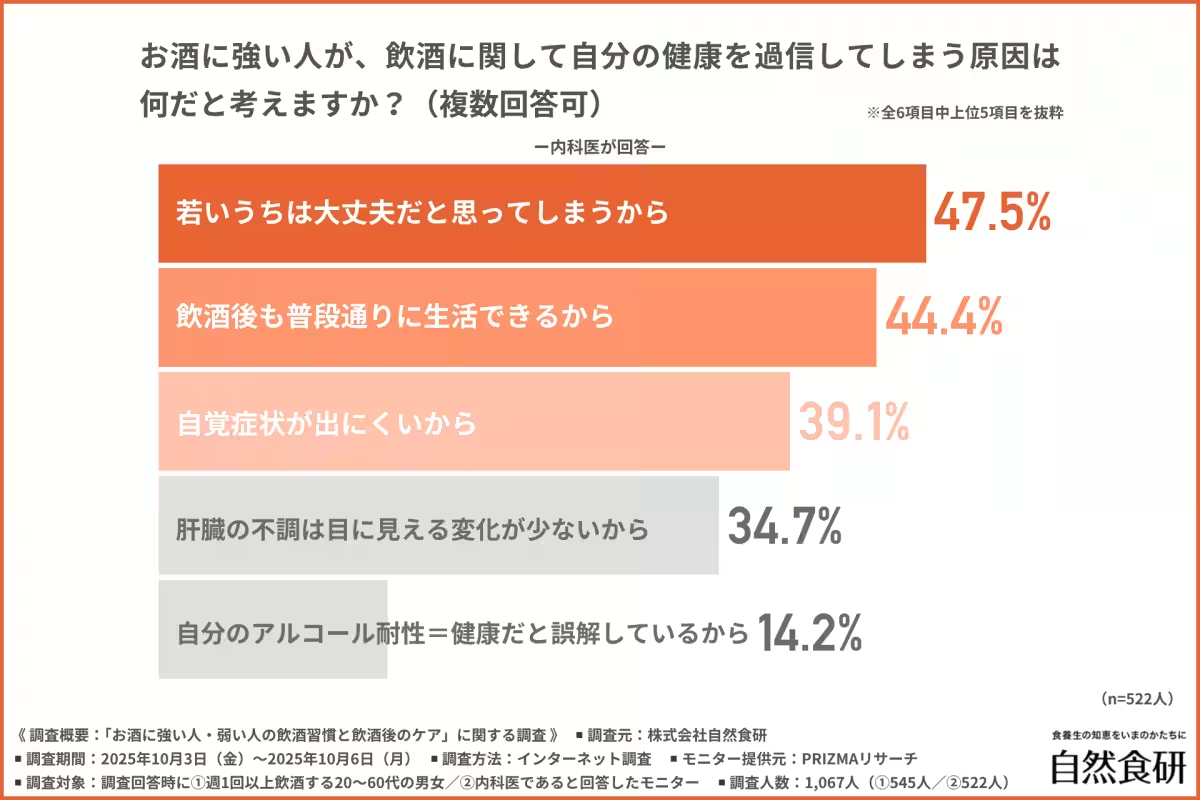
- - The belief that youth offers immunity to negative effects (47.5%).
- - The capacity to conduct daily activities normally post-drinking (44.4%).
- - A general lack of observable symptoms related to their alcohol consumption (39.1%).
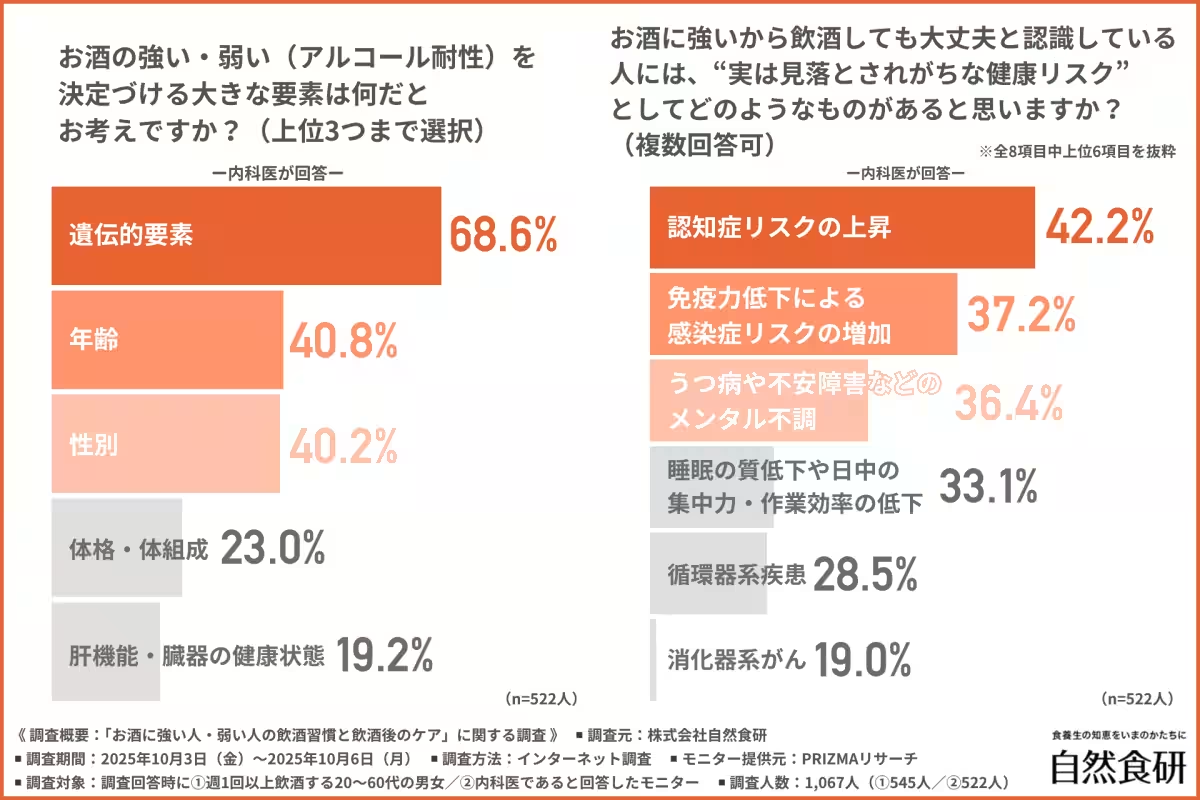
This perception can lead to overlooking chronic risks such as increased vulnerability to dementia, immune deficiencies, and mental health issues among those who drink heavily without apparent immediate consequences.
Recommendations from the Study
The findings emphasize the need for drinking moderation and highlight that both individual drinking habits and underlying genetic traits influence how alcohol affects one’s health. Medical professionals recommend incorporating post-drinking care measures like hydration and nutritional support to mitigate any potential damage done to the body. This involves recognizing that just because a person can handle more alcohol does not mean they are automatically healthy or safe to continue drinking excessively.
Conclusion
This survey conducted by Sizen Shokken Co., Ltd. underscores the complexities surrounding alcohol tolerance and health risks. Despite believing in their ability to consume alcohol without adverse effects, individuals with high tolerance may be particularly susceptible to unseen health dangers. It is crucial for everyone, regardless of their alcohol tolerance, to engage in self-care and maintain awareness of their body's signals following drinking to ensure long-term health and well-being.
For those looking to support their liver health and hydration post-drinking, Sizen Shokken offers 'Shijimi Kankaku', a product rich in natural nutrients beneficial for recovery and overall health. Visit Sizen Shokken for more information on their health-oriented products.
Topics Health)
【About Using Articles】
You can freely use the title and article content by linking to the page where the article is posted.
※ Images cannot be used.
【About Links】
Links are free to use.