



The Alarming Decline in Rescue Breaths for Children: A COVID-19 Consequence
The Alarming Decline in Rescue Breaths for Children: A COVID-19 Consequence
Recent studies conducted by Okayama University have unveiled a troubling trend: the frequency of artificial breaths administered during CPR for children has significantly decreased, particularly during the COVID-19 pandemic. This decline in rescue breaths has grave implications for pediatric survival rates in emergencies, particularly those involving cardiac arrest outside of hospitals.
Understanding the Context
According to the “All-Japan Utstein Registry,” an initiative managed by Japan's Fire and Disaster Management Agency, researchers have compared pediatric cardiac arrest cases before and during the pandemic. Their focus was on the methods of resuscitation applied by witnesses and how these changes affected outcomes such as mortality and long-term disability.
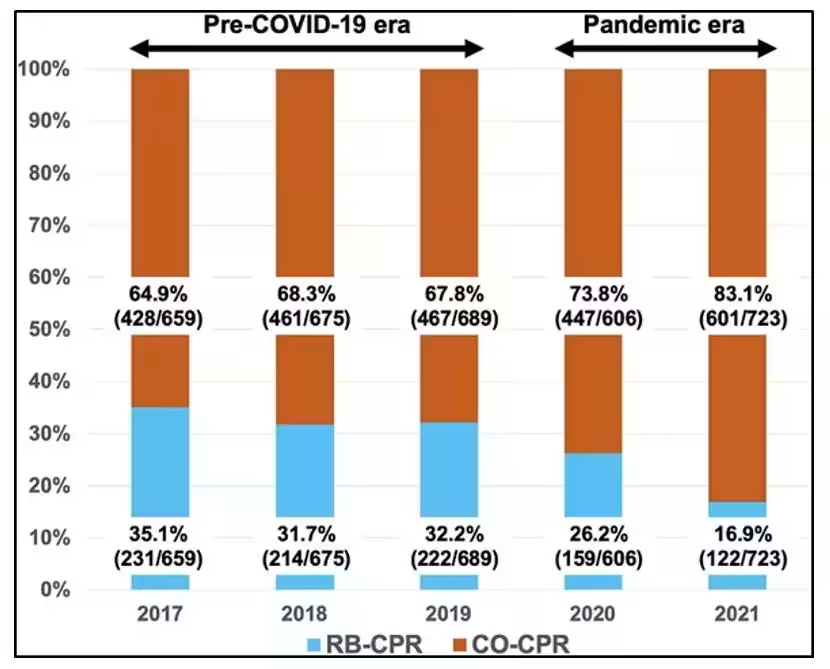
The study highlighted that during the pandemic, there was a stark shift away from performing artificial breaths, even among trained responders, due to fears of viral transmission. Instead, there was an increase in the use of chest compression-only CPR. While this approach has been effectively promoted for adults, its application in children has raised concerns.
Key Findings
The data indicated that the practice of providing rescue breaths, which had already been in decline prior to the pandemic, saw a further decrease of approximately 12% during this period. Tragically, this shift correlates with increased risks of death and severe disability in children who suffered out-of-hospital cardiac arrests. The findings suggest that nearly 10 children per year may have lost their lives when they could have been saved had rescue breaths been administered appropriately.
This research serves as a critical reminder of the crucial role that rescue breaths play in pediatric resuscitation and highlights the need for re-evaluating current CPR training and guidelines, especially during public health emergencies. The importance of ensuring safety while providing medical care cannot be overstated, necessitating discussions about how to conduct resuscitation effectively while mitigating infection risks.
Implications for Society and Future Directions
The implications of this research extend beyond mere statistics; they underscore a societal issue where child cardiac arrest is a significant concern that warrants immediate attention. Initiative leaders, including Takafumi Obara and Hiromichi Naito from Okayama University, advocate for a communal dialogue on how to create an environment where helpers can deliver aid to children without fear of infection.
With findings published in the journal Resuscitation in July 2025, the research calls for improved education and dissemination of pediatric CPR techniques that include rescue breaths, as well as the development of safety measures like pocket masks to enhance the safety of both responders and victims during resuscitation attempts.
The researchers encourage a collaborative approach to address these challenges, aiming to enhance the readiness of bystanders in emergencies. By increasing awareness and modifying training methods, society can possibly reverse the current trend and save more children from the tragic outcomes of cardiac arrests.
Conclusion
In conclusion, the decreasing rate of rescue breaths for pediatric patients during emergencies poses a critical risk to their survival. The research from Okayama University shines a light on this pressing issue and emphasizes the urgent need for reforms in training and public consciousness around child CPR, particularly during ongoing public health challenges like the COVID-19 pandemic. As a society, the responsibility lies in ensuring that every child receives a fighting chance during medical emergencies.






Topics Health)
【About Using Articles】
You can freely use the title and article content by linking to the page where the article is posted.
※ Images cannot be used.
【About Links】
Links are free to use.