



Challenges in Caregiving: The Rising Administrative Burden and Solutions through Digitalization
Rising Administrative Burden in Caregiving
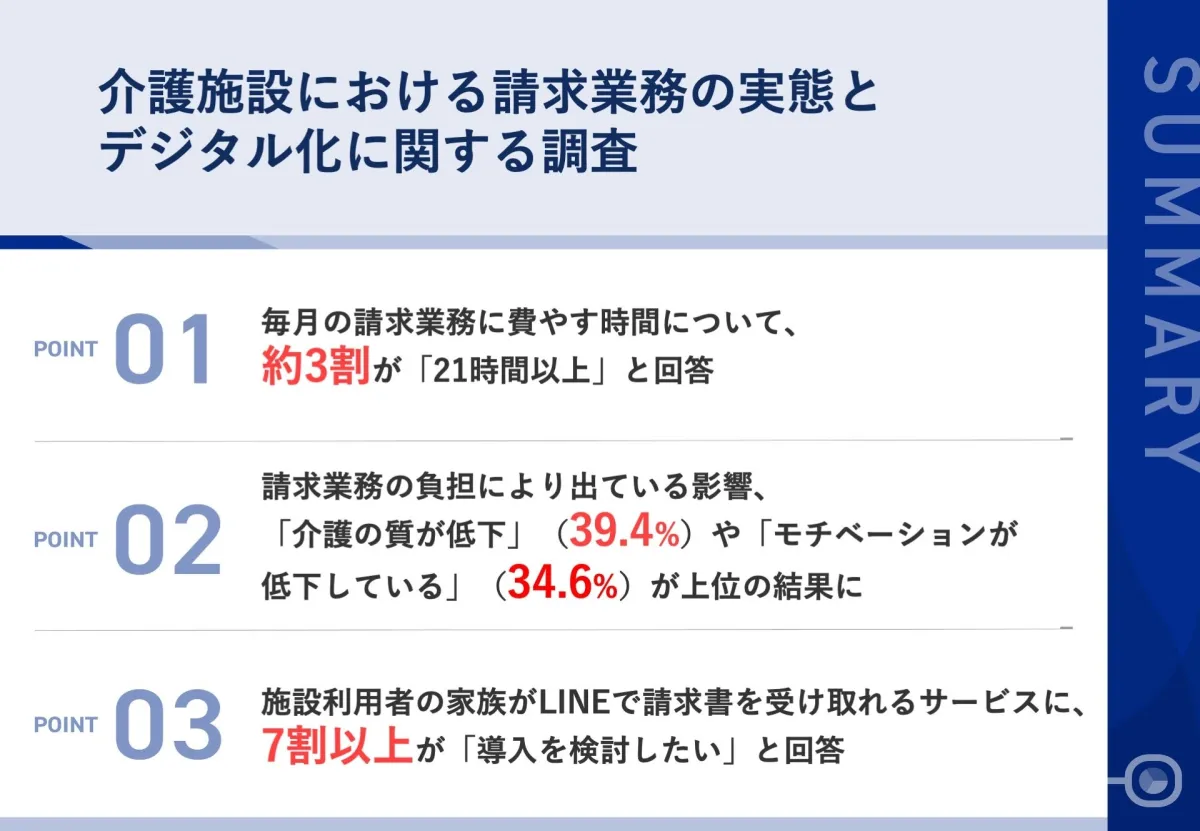
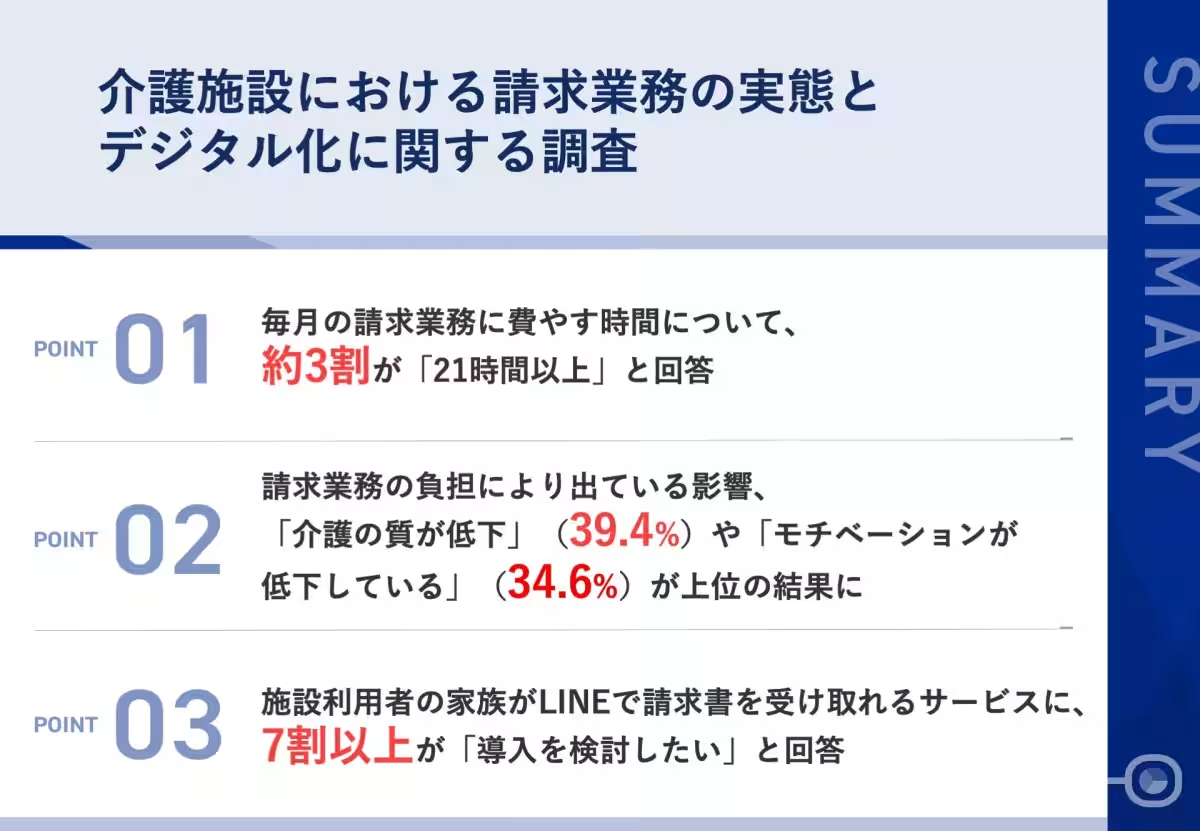
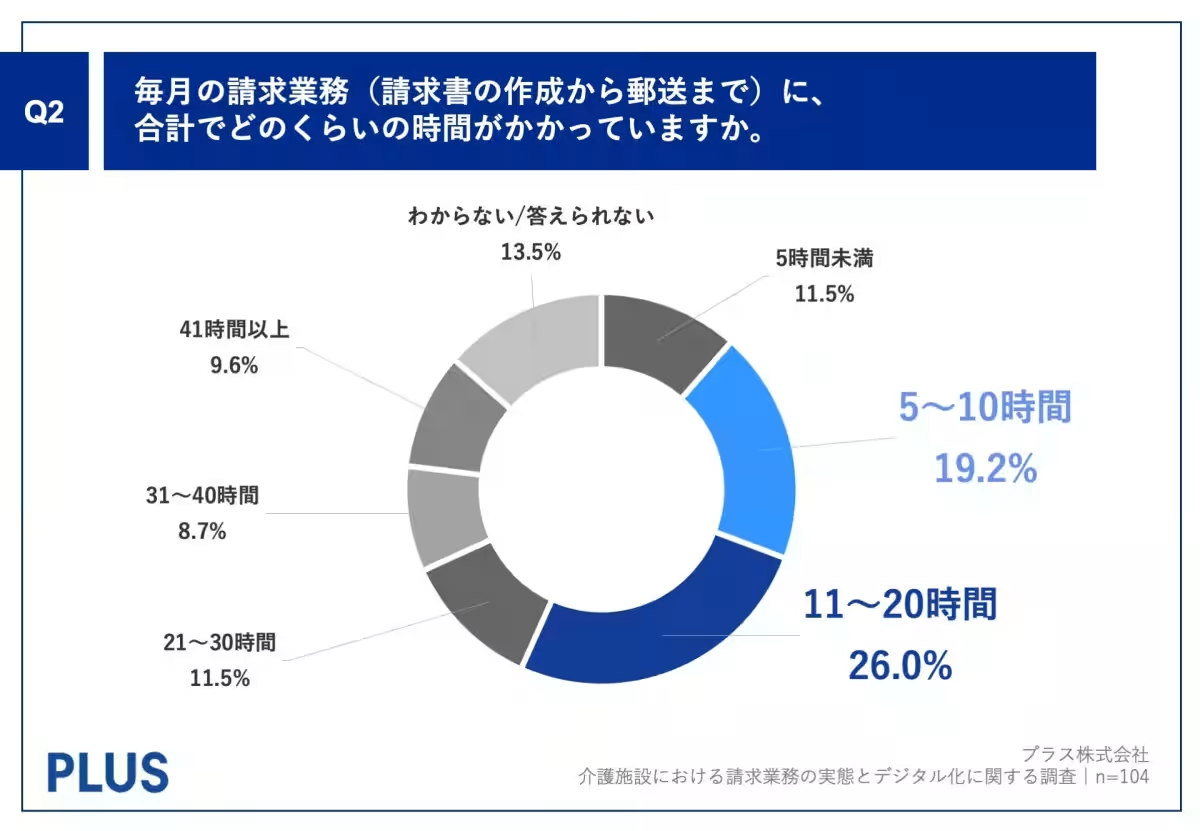
The caregiving sector has been facing a significant challenge due to a shortage of staff, which has exacerbated the administrative burden on caregivers. A recent survey conducted by Plus Inc. highlights that nearly 30% of respondents spend over 21 hours every month on billing tasks alone. This substantial time commitment is raising concerns about the quality of care provided to facility users, with nearly 40% of participants reporting a decline in caregiving standards as a direct result of administrative workloads.
The Impact of Administrative Work
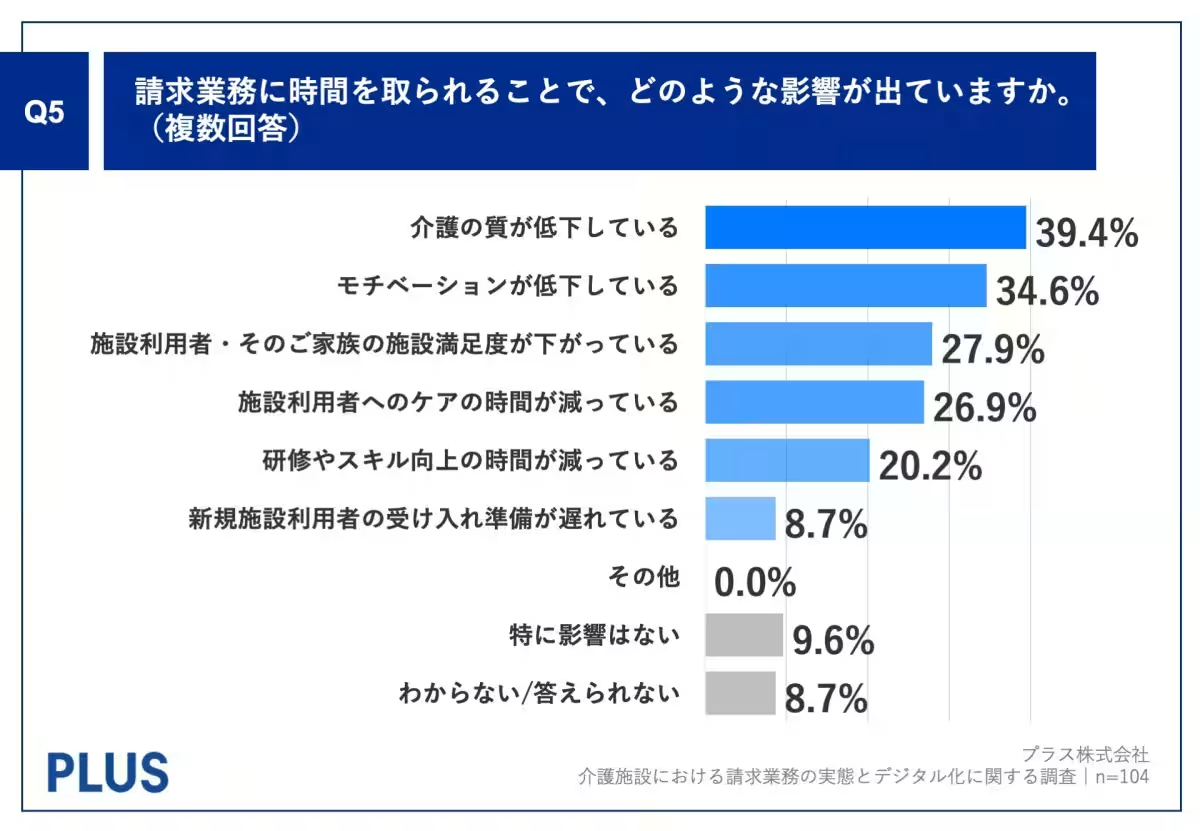
In this survey of 104 caregivers responsible for billing tasks, key findings revealed that almost 40% identified a decrease in care quality. This was closely followed by 34.6% who mentioned a decline in motivation, showcasing the psychological impact of administrative overload on caregivers. The feedback from participants indicates a pressing need for a system where caregivers can focus on their primary duty of providing care without the distraction of overwhelming paperwork.
Proposed Solutions: Embracing Digitalization
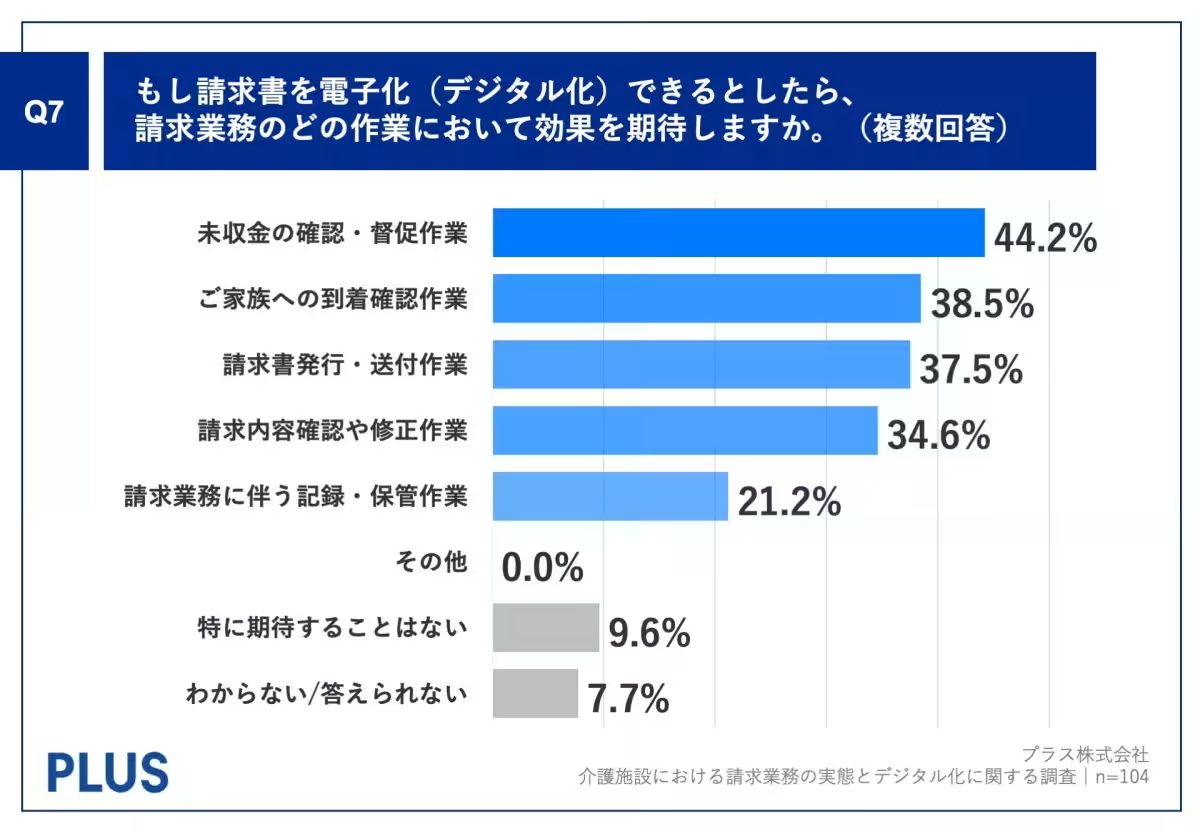
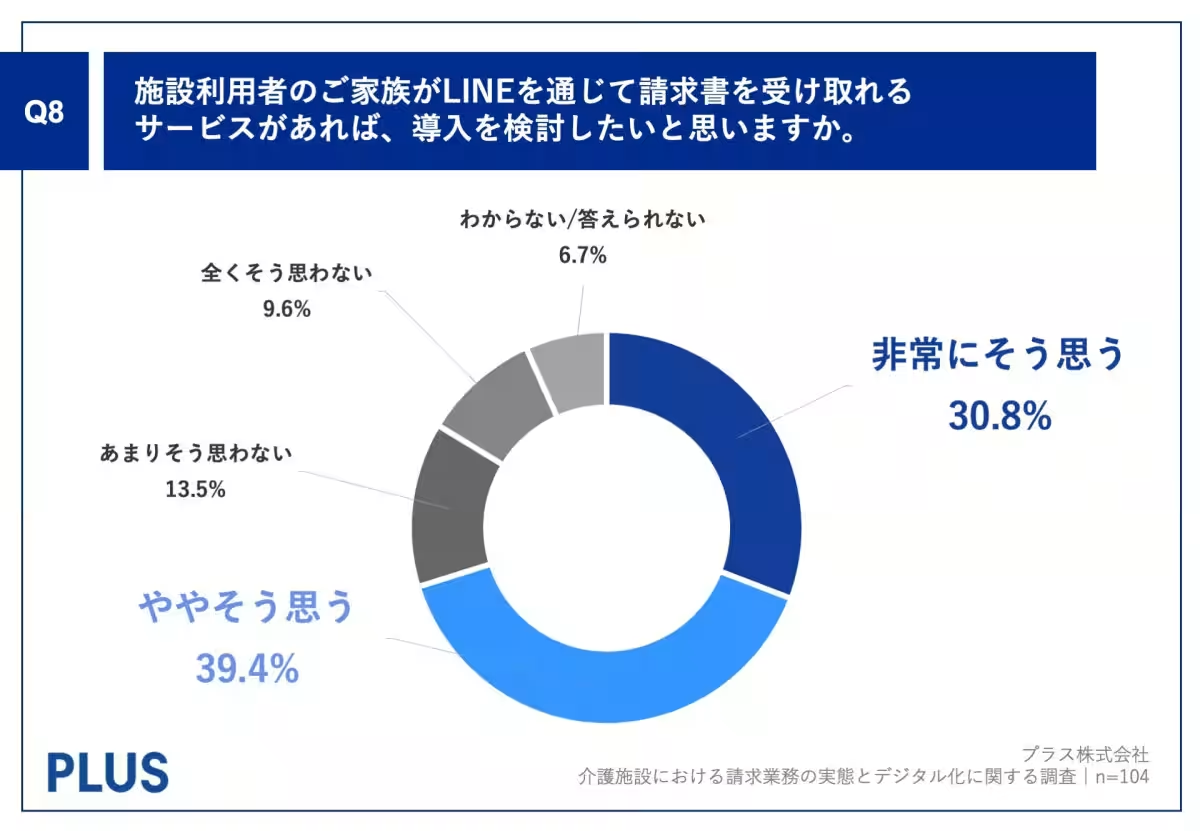
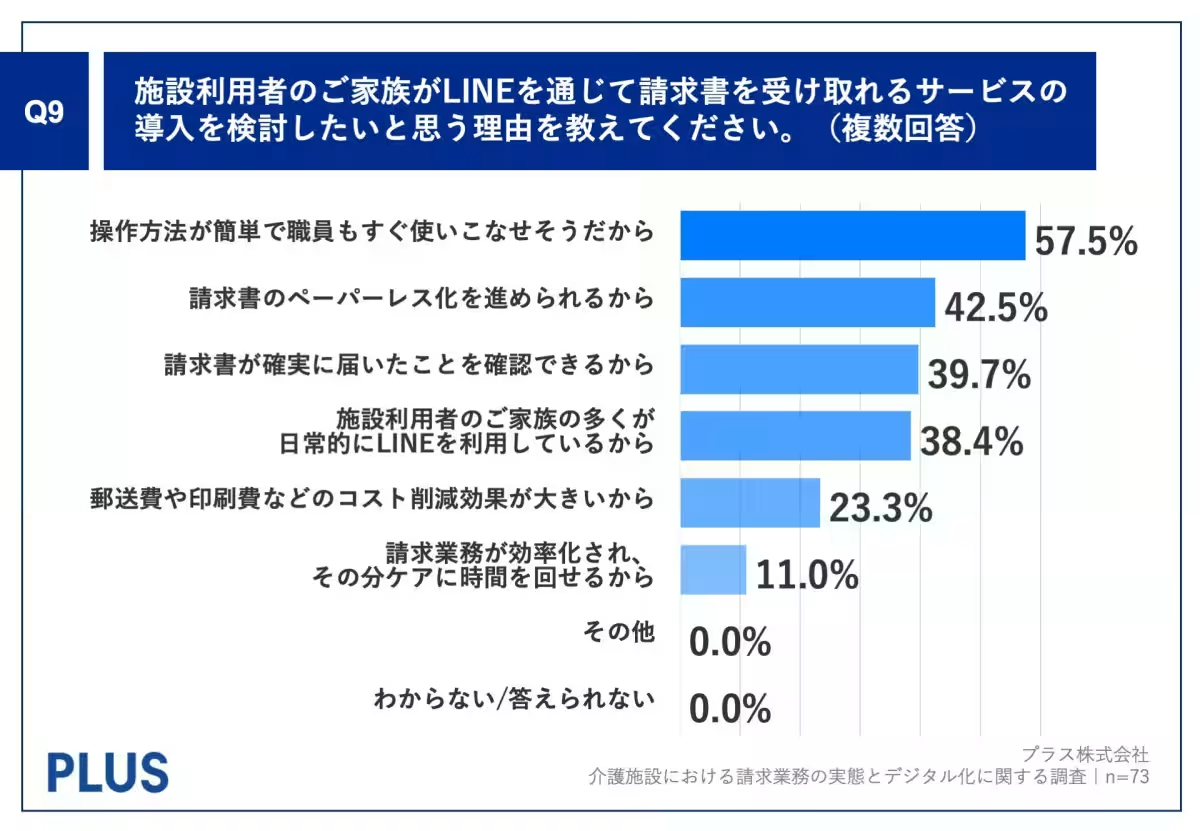
One noteworthy insight from the survey is that over 70% of caregivers expressed interest in implementing a service that allows billing information to be communicated via LINE, a popular messaging app. This indicates a willingness to adopt digital solutions that can streamline processes and reduce time spent on admin tasks. The survey revealed that responders expect significant improvements in areas such as confirming outstanding payments and delivering invoices efficiently.
Specific Administrative Burdens
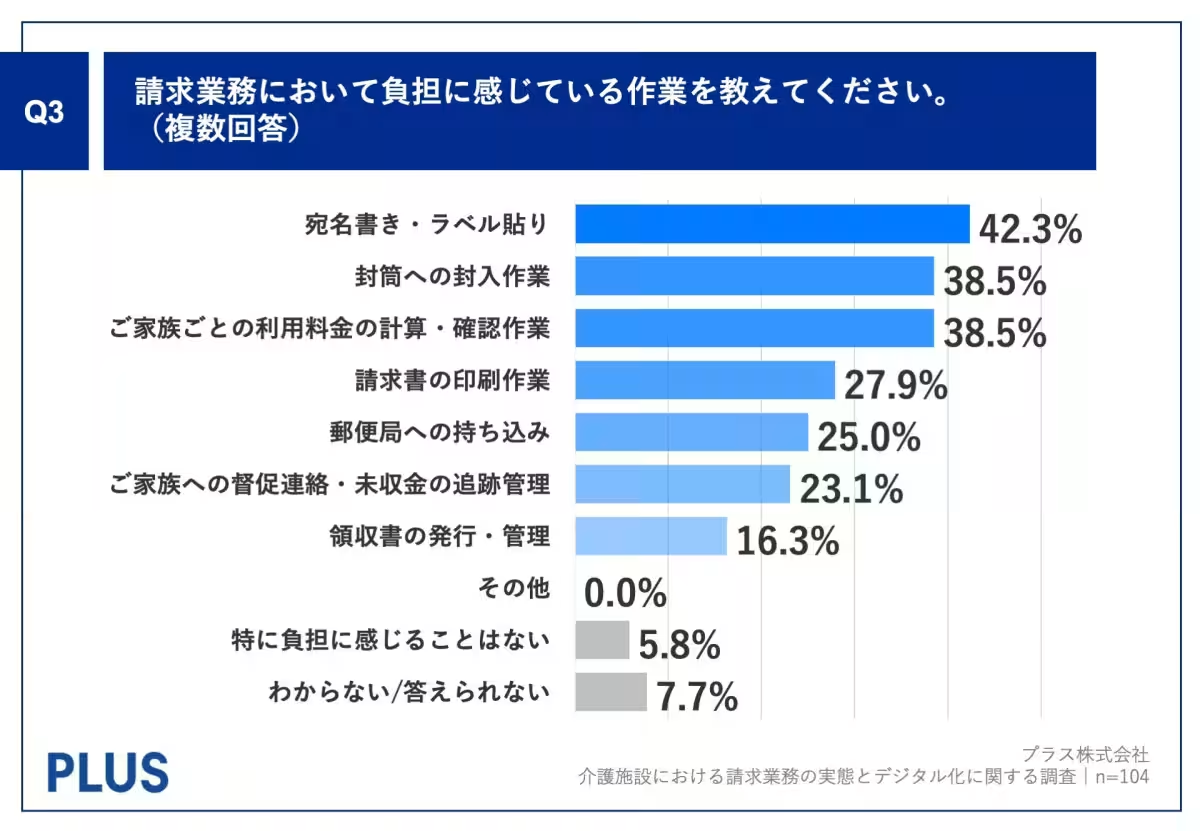
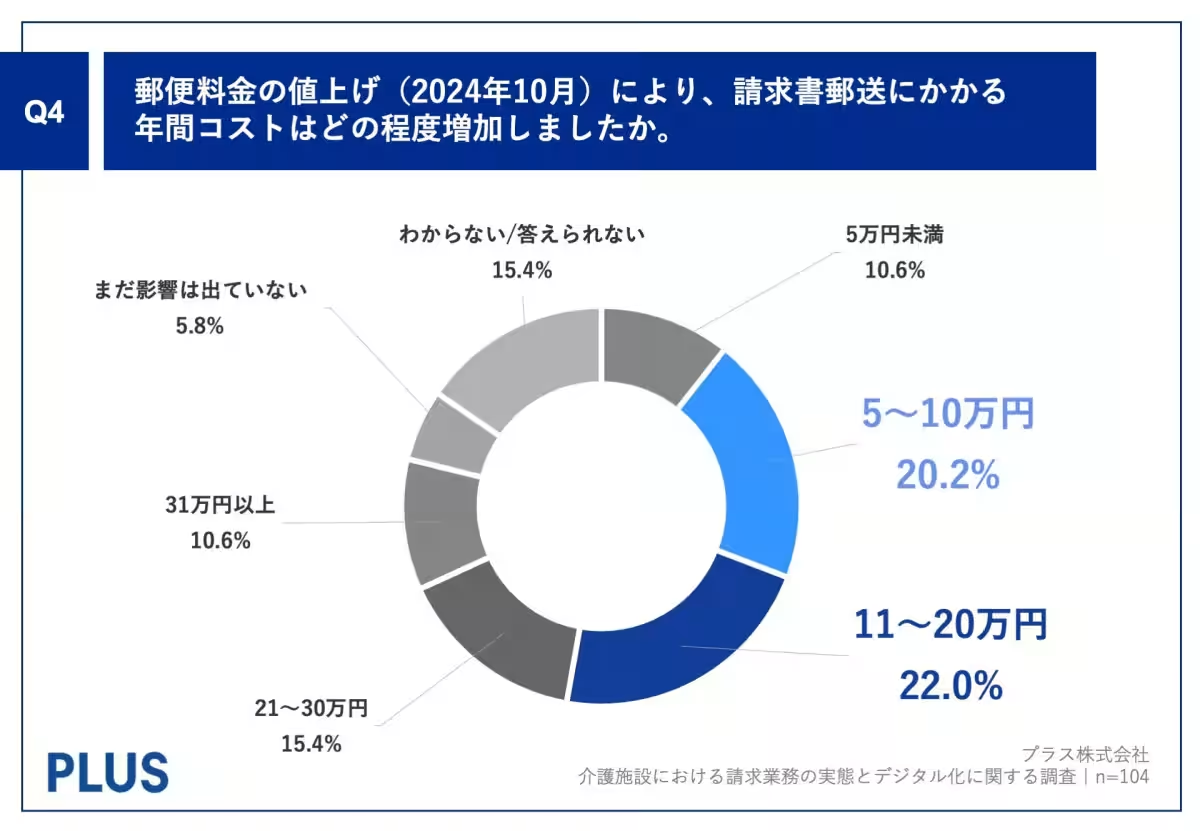
Caregivers cited various tasks that contribute to their workload. Tasks such as labeling envelopes (42.3%), stuffing envelopes (38.5%), and verifying utilization fees for each client (38.5%) were highlighted as major burdens. The increase in postal rates set for October 2024 poses an additional financial challenge, with 22% stating that this will increase their annual mailing costs by 11-20%. This is an indication that the financial strain on caregiving institutions is increasing, further complicating their operational capacities.
Effects on Quality of Care
The time dedicated to billing tasks is not only draining but is also significantly affecting the caregivers’ ability to provide quality service. 39.4% of respondents noted that precious time spent on paperwork detracts from the quality of care delivered to facility users. Moreover, the burden of administrative tasks has resulted in reduced satisfaction among both facility users and their families, with 27.9% acknowledging the diminishment in satisfaction due to the lack of time available for caregiving.
The Future of Caregiving: Digital Solutions
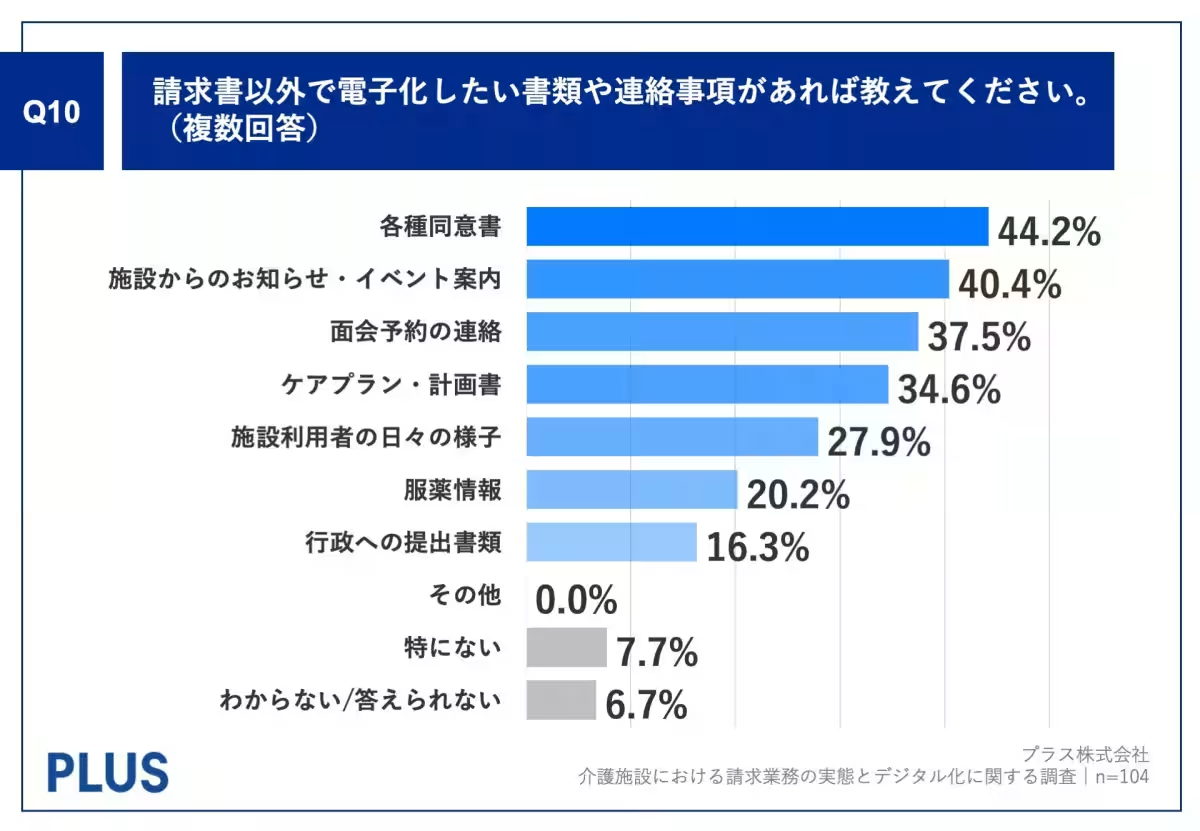
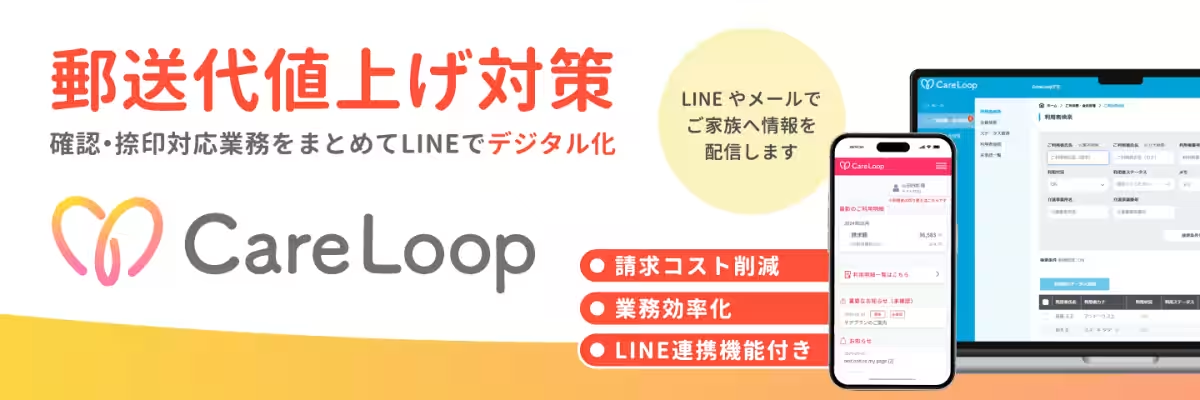
The survey findings underscore an urgent necessity for caregiving institutions to adopt digital solutions that facilitate administrative tasks. The potential for automation of billing through email or messaging applications presents a viable pathway toward alleviating the workload. CareLoop, for instance, is a service that facilitates paperless transactions and enhances communication efficiency between caregiving facilities and the families of service users, enabling staff to allocate more time to actual caregiving.
Conclusion: A Call for Innovation
Overall, the investigation into the administrative challenges faced by caregivers paints a grim picture of the current state of the caregiving industry, one that is in dire need of reform. As caregivers continue to work under increasing pressure, the implementation of digital billing processes could help streamline operations, allowing them to return to the heart of their profession—providing exceptional care. The future of caregiving should prioritize not only compassionate care but also the operational efficiency that modern technology can bring. It is essential for the sustainability of care services that such innovations are implemented without delay.
For more information on digital solutions like CareLoop, visit Smart Kaigo.
Topics Health)
【About Using Articles】
You can freely use the title and article content by linking to the page where the article is posted.
※ Images cannot be used.
【About Links】
Links are free to use.