



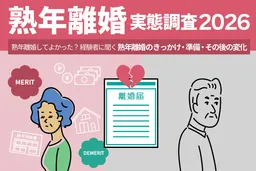
Insightful Survey Reveals Emotional and Financial Aspects of Gray Divorce Among Women
In a recent survey conducted by Agoora, 79 women in their 50s and 60s who went through gray divorce (defined as divorcing after more than 20 years of marriage) provided valuable insights into their experiences. The analysis sheds light on the processes leading to the decision to divorce, as well as the emotional and practical changes faced during and after this significant life event.
The study aimed to capture the thoughts and experiences of women who decided to pursue divorce after a long marriage. Respondents often reported substantial life changes, both emotionally and financially, following their divorce decisions.
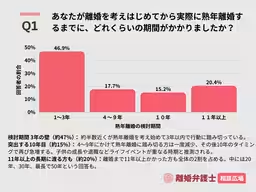
Of those surveyed, 46.9% indicated they began contemplating divorce between one and three years prior to actually ending their marriage. Interestingly, the data shows a clear distinction in contemplation periods, with a significant portion deciding around the ten-year mark of considering divorce, particularly coinciding with life events such as children's independence or retirement.
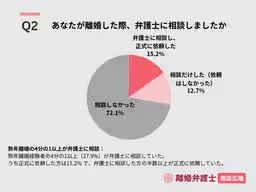
Regarding legal support, around 27.9% of participants sought advice from a lawyer, with more than half of those who consulted an attorney opting to formalize their engagement. This statistic reflects a noteworthy trend among women in gray divorce situations, as more than a quarter of them turned to legal expertise for guidance during a tumultuous time.
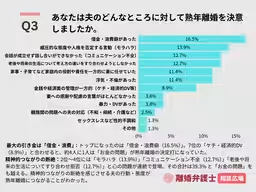
Respondents identified several factors regarding their spouses that influenced their decision to separate. The most common was financial issues, such as debt or spending habits, cited by 16.5% of participants. Other prevalent reasons included emotional abuse (13.9%), poor communication (12.7%), and ideological differences, which highlighted the role of personal dynamics in gray divorce decisions. Counting all financial-related issues, as many as one in four women pointed to financial instability as a trigger for divorce.
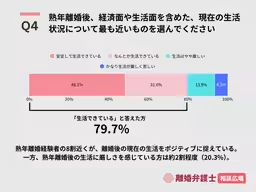
After the divorce, a remarkable 79.7% of women reported feeling positively about their current living conditions. About 48.1% mentioned they were living stably, and 31.6% stated they were managing adequately despite challenges. Notably, while some indicated that life was manageable, a smaller percentage acknowledged facing significant financial and emotional hardships.
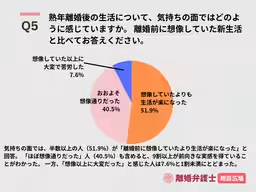
When asked about their emotional states following the divorce, over half of respondents (51.9%) indicated that life turned out to be easier than expected. Combined with 40.5% who reported a life experience similar to their expectations, it becomes evident that the overwhelming majority found their post-divorce lives to be more manageable. However, 7.6% did express that the experience was tougher than anticipated, showing that challenges still existed for some women.
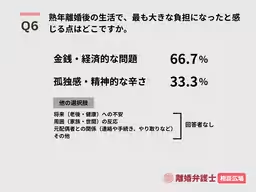
For those who faced difficulties, the main burdens post-divorce were financial concerns, affecting 66.7% of respondents, followed by feelings of loneliness or mental distress, faced by 33.3%. This emphasizes that while many women found emotional benefits in their decisions, financial stability remains a critical concern post-divorce.
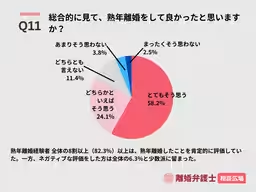
Ultimately, when asked whether they felt their gray divorce was a good decision, an overwhelming 82.3% endorsed their choice, with 58.2% responding with a strong affirmative. The data reflects that gray divorce, when approached thoughtfully, can be a positive move towards personal freedom and renewal.
Survey participants provided valuable guidance for future candidates considering gray divorce. Notable advice included:
This survey reveals a profound shift in women's emotional and financial states post-gray divorce, showcasing a predominance of positive outcomes despite associated challenges. As women increasingly embrace gray divorce as a viable option for personal development, the emphasis remains on adequate preparation in financial and emotional contexts to ensure a smooth transition into their new lives.
Survey Highlights
The study aimed to capture the thoughts and experiences of women who decided to pursue divorce after a long marriage. Respondents often reported substantial life changes, both emotionally and financially, following their divorce decisions.
Duration Before Divorce Decision
Of those surveyed, 46.9% indicated they began contemplating divorce between one and three years prior to actually ending their marriage. Interestingly, the data shows a clear distinction in contemplation periods, with a significant portion deciding around the ten-year mark of considering divorce, particularly coinciding with life events such as children's independence or retirement.
Seeking Legal Counsel
Regarding legal support, around 27.9% of participants sought advice from a lawyer, with more than half of those who consulted an attorney opting to formalize their engagement. This statistic reflects a noteworthy trend among women in gray divorce situations, as more than a quarter of them turned to legal expertise for guidance during a tumultuous time.
Common Triggers for Gray Divorce
Respondents identified several factors regarding their spouses that influenced their decision to separate. The most common was financial issues, such as debt or spending habits, cited by 16.5% of participants. Other prevalent reasons included emotional abuse (13.9%), poor communication (12.7%), and ideological differences, which highlighted the role of personal dynamics in gray divorce decisions. Counting all financial-related issues, as many as one in four women pointed to financial instability as a trigger for divorce.
Life After Divorce
After the divorce, a remarkable 79.7% of women reported feeling positively about their current living conditions. About 48.1% mentioned they were living stably, and 31.6% stated they were managing adequately despite challenges. Notably, while some indicated that life was manageable, a smaller percentage acknowledged facing significant financial and emotional hardships.
Emotional Changes
When asked about their emotional states following the divorce, over half of respondents (51.9%) indicated that life turned out to be easier than expected. Combined with 40.5% who reported a life experience similar to their expectations, it becomes evident that the overwhelming majority found their post-divorce lives to be more manageable. However, 7.6% did express that the experience was tougher than anticipated, showing that challenges still existed for some women.
Key Challenges
For those who faced difficulties, the main burdens post-divorce were financial concerns, affecting 66.7% of respondents, followed by feelings of loneliness or mental distress, faced by 33.3%. This emphasizes that while many women found emotional benefits in their decisions, financial stability remains a critical concern post-divorce.
Overall Satisfaction
Ultimately, when asked whether they felt their gray divorce was a good decision, an overwhelming 82.3% endorsed their choice, with 58.2% responding with a strong affirmative. The data reflects that gray divorce, when approached thoughtfully, can be a positive move towards personal freedom and renewal.
Lessons Learned and Advice
Survey participants provided valuable guidance for future candidates considering gray divorce. Notable advice included:
- - Make the decision sooner rather than later to avoid extended misery.
- - Consider the implications of financial stability and life restructuring before proceeding.
- - Importance of open communication with spouses during the marriage.
- - Prioritize planning for asset division and securing competent legal representation.
Conclusion
This survey reveals a profound shift in women's emotional and financial states post-gray divorce, showcasing a predominance of positive outcomes despite associated challenges. As women increasingly embrace gray divorce as a viable option for personal development, the emphasis remains on adequate preparation in financial and emotional contexts to ensure a smooth transition into their new lives.
Topics People & Culture)


【About Using Articles】
You can freely use the title and article content by linking to the page where the article is posted.
※ Images cannot be used.
【About Links】
Links are free to use.