




Understanding Car Ownership Trends Among American Consumers in 2025
Analyzing Car Ownership Trends in the United States: A Comprehensive Survey
A recent survey conducted by Asmark Co. Ltd., a marketing research company based in Shibuya, Tokyo, has shed light on the evolving landscape of car ownership in the United States. With a sample population of men and women aged 20 to 60 who possess a driver's license and drive their cars at least once every three months, the study aimed to capture the current state of American car owners.
Key Findings
The survey results, made public on December 23, 2025, reveal that a significant transformation is occurring in the automotive market, partly due to changes in economic policies and consumer behavior. For instance, the influence of high tariffs under Trump's administration led to a surge in new car sales as consumers anticipated price increases. In contrast, varying trends in car ownership are apparent across Japan, America, and China, requiring a deeper understanding of consumer needs for effective product planning and marketing strategies.
Current Car Ownership Statistics
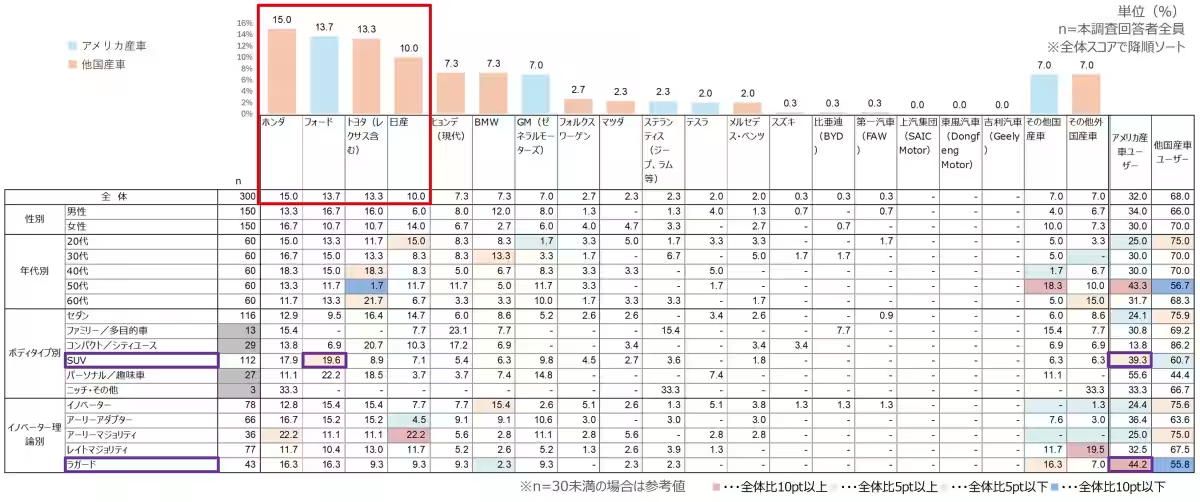
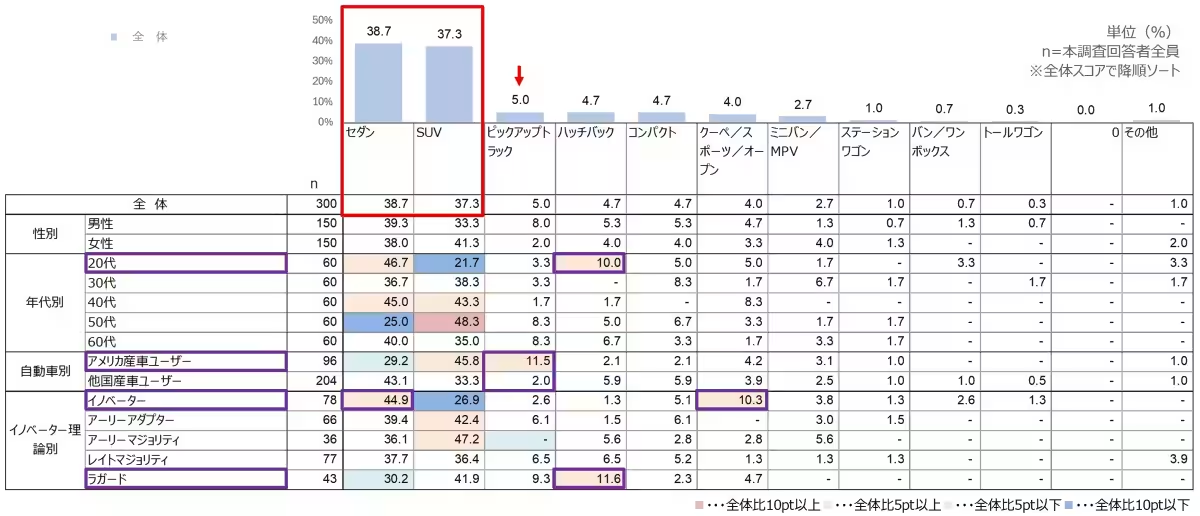
The survey indicates that sedan and SUV body types each account for nearly 40% of ownership among American drivers, highlighting these categories as the dominant vehicle types. Among manufacturers, Honda emerged as the top brand, followed closely by Ford, Toyota, and Nissan. Notably, there is a pronounced preference for American-made vehicles among pickup truck users, with a noticeable representation of Ford users in this category, reflecting a strong connection to the local automotive culture.
Usage Patterns and Preferences
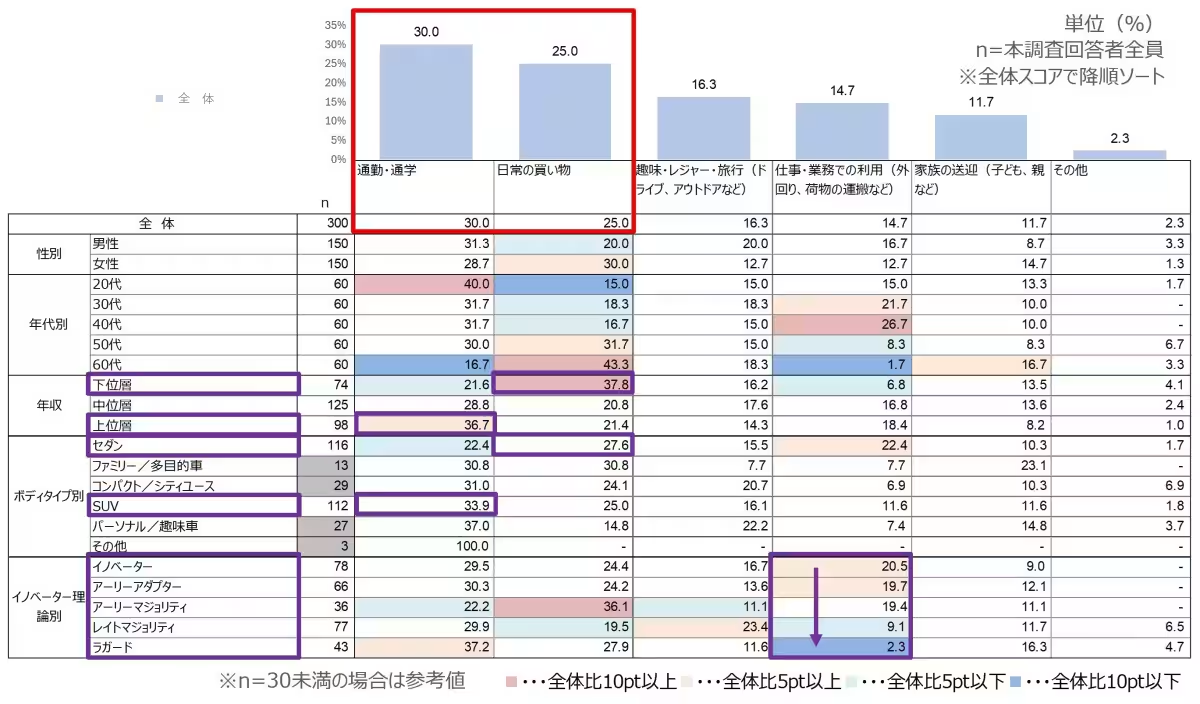
When examining the primary purposes for vehicle usage, commuting and schooling ranked at the top, which demonstrates the vehicle's crucial role in daily life. In contrast, the category of everyday shopping fell to second place. This distinction illustrates the demographic differences in car usage: while upper-income individuals prioritize commuting, lower-income groups emphasize shopping activities. SUV owners were more likely to list commuting as their primary use, whereas sedan users often cited work-related driving.
Purchase Behavior Insights
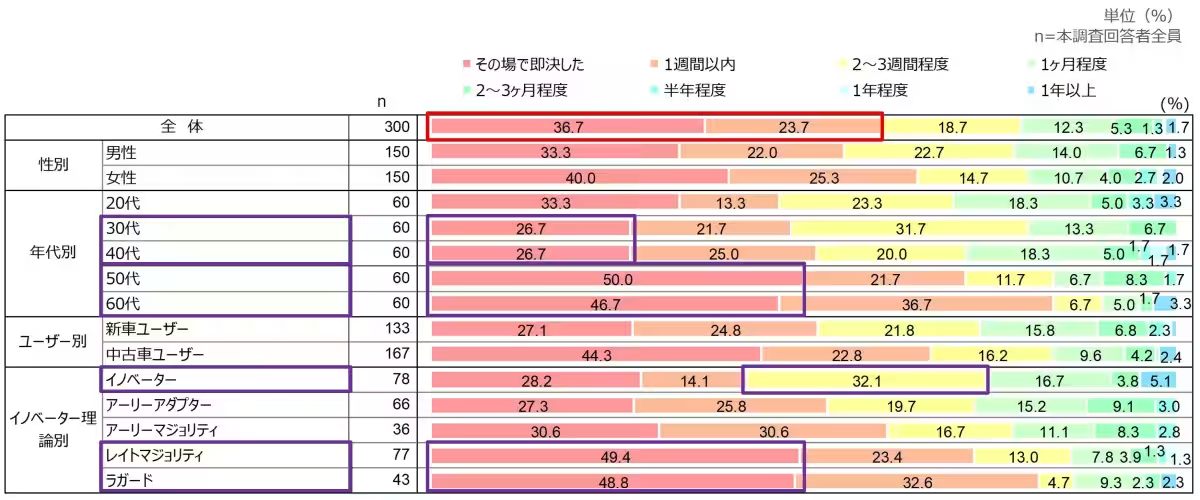
The survey also delved into purchasing behavior, revealing that the majority of consumers decide on their vehicles within a week of beginning their search. This quick decision-making is likely influenced by cultural habits, such as the common practice of driving off with a vehicle purchased on the same day. However, innovative buyers tend to invest a longer time in comparing options, typically between two to three weeks, reflecting a more analytical approach to their buying decisions. In contrast, late majority and laggard segments showed a significant tendency to make immediate purchases, indicating differing levels of enthusiasm and engagement with vehicle ownership.
Buying Channels
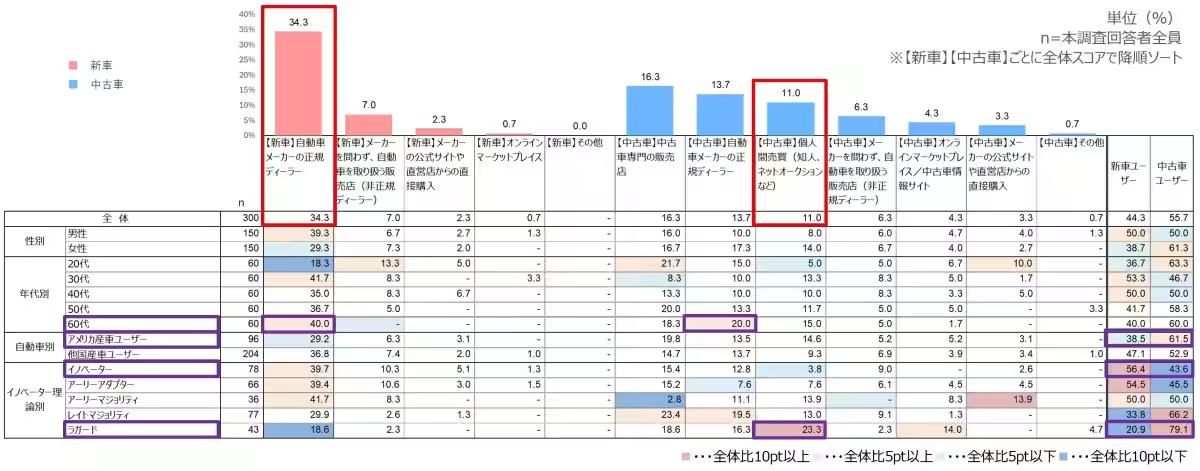
For new car purchases, authorized dealerships remain the preferred channel, but when it comes to used cars, consumers diversify their sources, utilizing used car specialist dealers, dealers with certified pre-owned options, and even private sales. Notably, approximately 10% of buyers engage in private sales, a trend distinctively high among older age groups, who tend to trust dealers more for their purchasing needs.
Conclusion
Overall, the results from this survey provide a detailed glimpse into the current state of car ownership in America and the varying influences that shape consumer behavior and preferences. With insights shedding light on vehicle types, usage, purchasing channels, and consumer demographics, auto manufacturers and marketers can better cater to the evolving needs of American drivers. As these trends continue to develop, staying attuned to the shifting dynamics within the automotive market will be essential for success in the industry.
For more detailed findings, including raw data, aggregated tables, and comprehensive reports, the survey materials are available for download.


Topics Consumer Products & Retail)


【About Using Articles】
You can freely use the title and article content by linking to the page where the article is posted.
※ Images cannot be used.
【About Links】
Links are free to use.