



Rising Awareness About Sensitive Teeth: What You Need to Know
Understanding the Rising Awareness Around Sensitive Teeth
On July 25th, a unique awareness day for sensitive teeth was observed, shedding light on the disturbing truth revealed by a recent survey conducted by Haleon Japan. As society becomes increasingly conscious about oral health care and aesthetic treatments like teeth whitening, the prevalence of sensitivity has been notably highlighted, especially among younger populations.
The Survey Findings
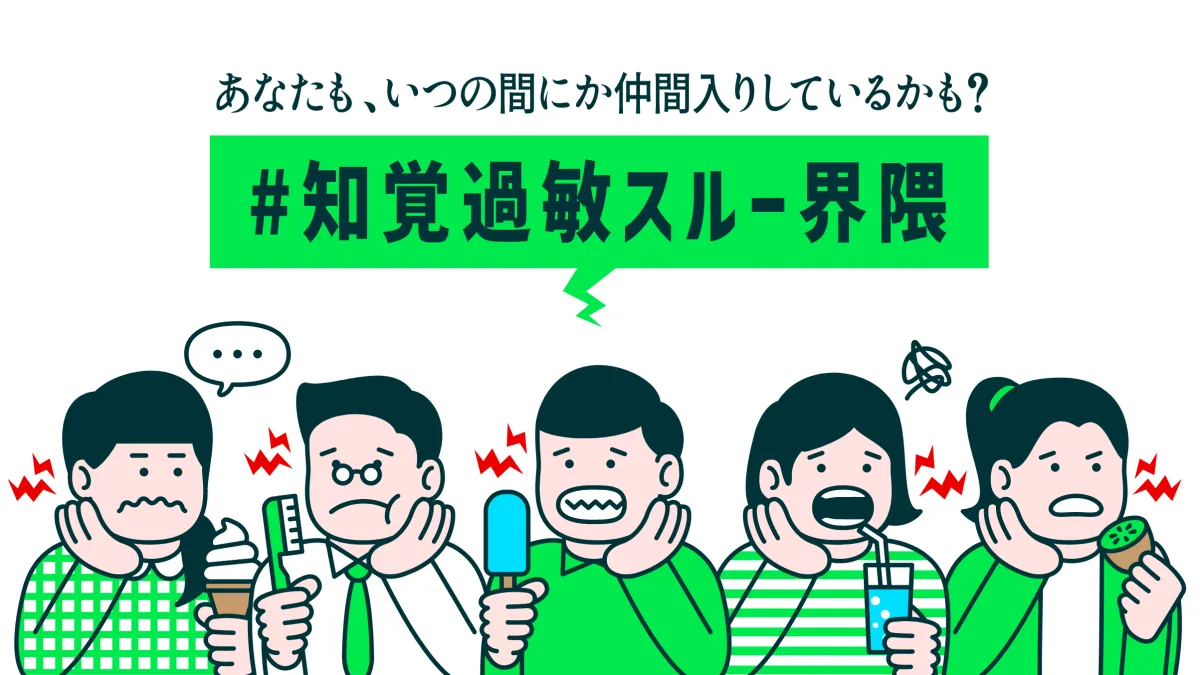
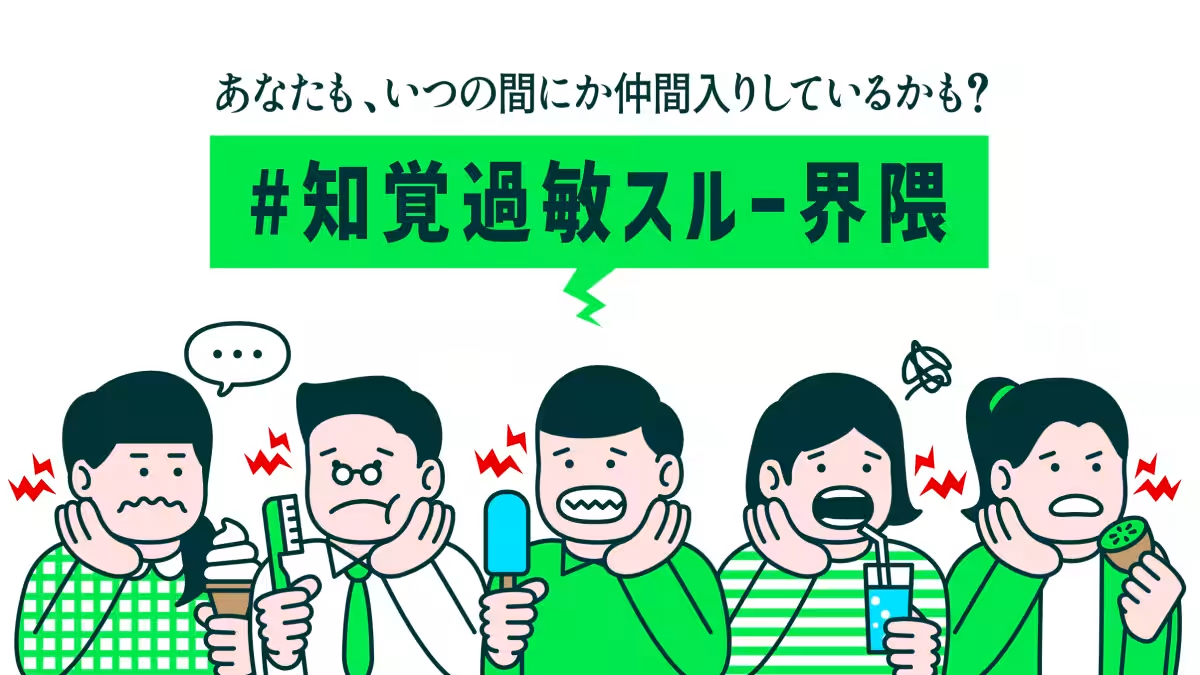
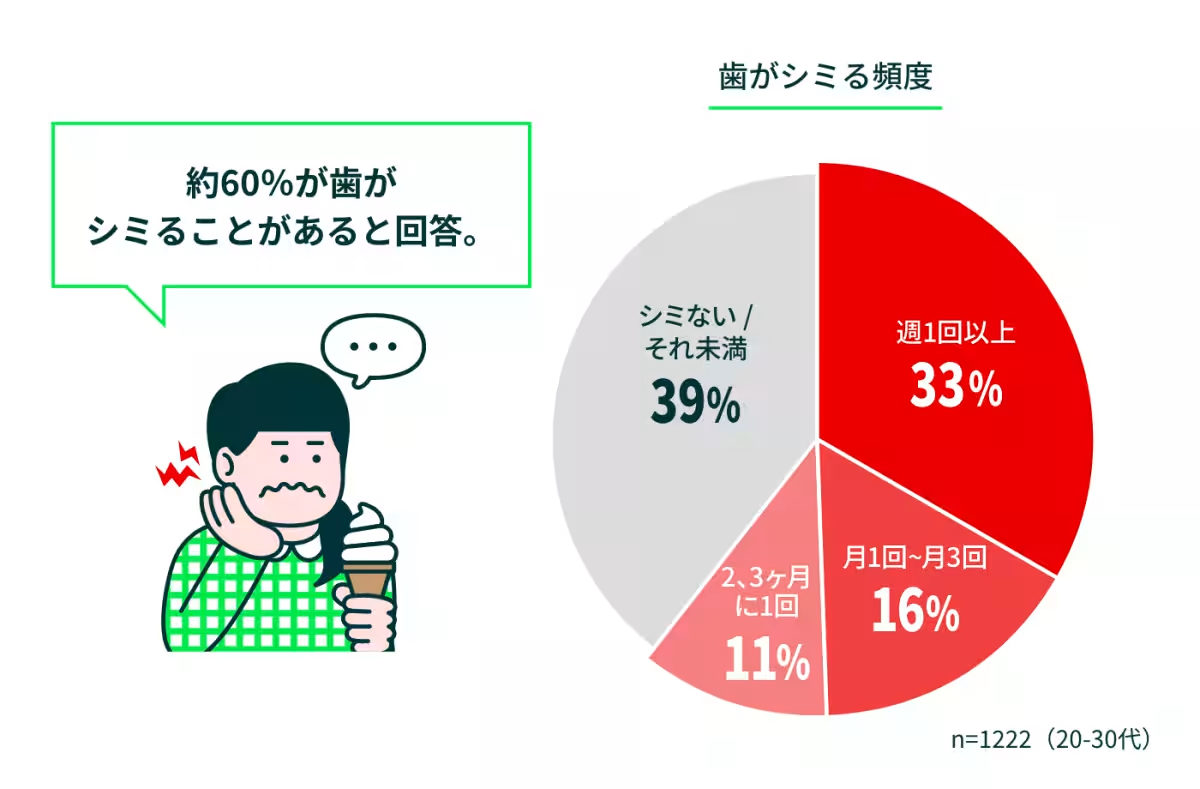
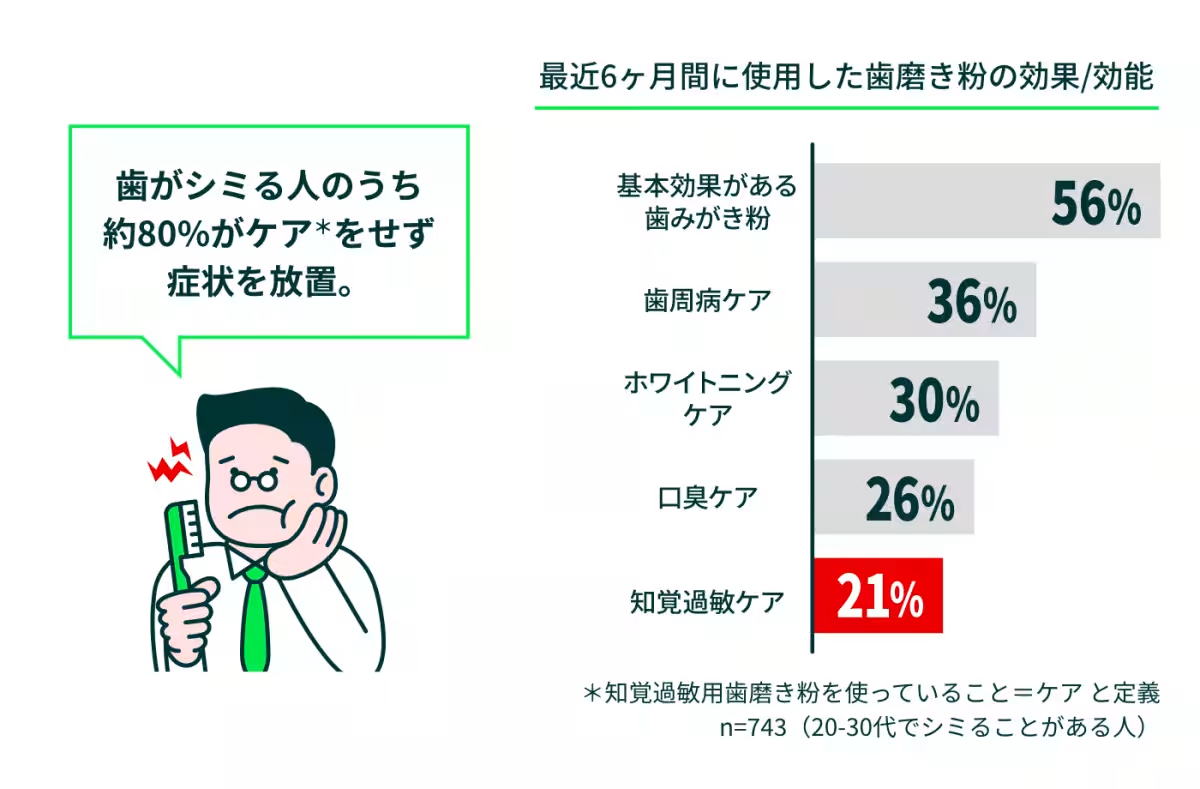
The survey indicated that approximately 60% of individuals in their 20s and 30s have experienced sensitive teeth. This alarming statistic emphasizes that awareness and proper care are crucial, yet approximately 80% of those experiencing sensitivity are neglecting necessary treatments. This has led to the emergence of the phenomenon termed "#SensitiveTeethNegligence", signaling a concerning trend where individuals dismiss their dental discomfort.
Why Do Young People Ignore Their Dental Issues?
The mindset that sensitive teeth are merely a temporary nuisance leads many to overlook proper care routines. Consequently, this negligence might lead individuals to avoid certain foods due to the pain associated with sensitivity, thus restricting their enjoyment of meals and potentially leading to more severe conditions such as periodontal disease and cavities.
A common challenge identified by the survey is the importance that younger generations place on appearances over their oral health, as their primary interest lies in whitening products rather than solutions for sensitivity.
Background of the Study
In the fiscal year of 2024, the toothpaste market is projected to reach ¥142.9 billion, with a growth rate of +10% from 2022. Notably, toothpaste designed for sensitivity has seen a 13% increase in market size, indicating a rising demand. However, the survey reveals a paradox where, despite the acknowledgment of sensitivity issues, whitening remains the primary concern for many in their 20s and 30s.
Key Insights from the Survey:
1. High Sensitivity Rate: 60% of participants aged 20-30 reported experiencing sensitivity, with 49% noting episodes occurring at least once a month.
2. Neglected Symptoms: Among those with sensitivity, only 21% utilize toothpaste specifically recommended for sensitive teeth, revealing a stark contrast between awareness and action.
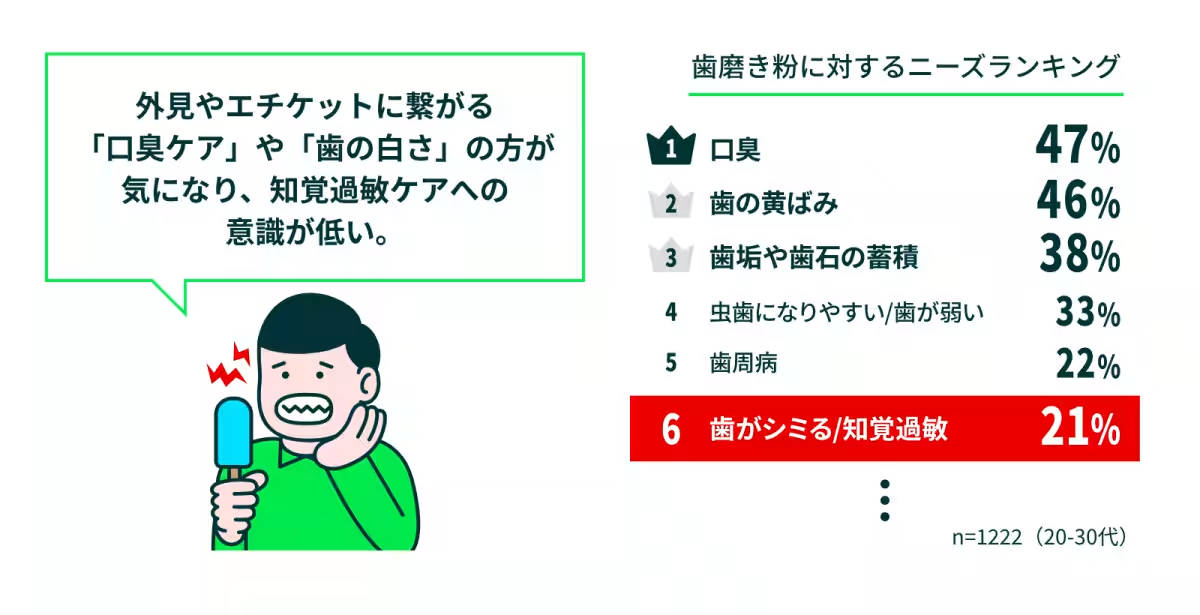
3. Misplaced Priorities: The lack of urgency regarding sensitivity care is evident as many prioritize managing bad breath and tooth discoloration over understanding and treating their sensitivity.
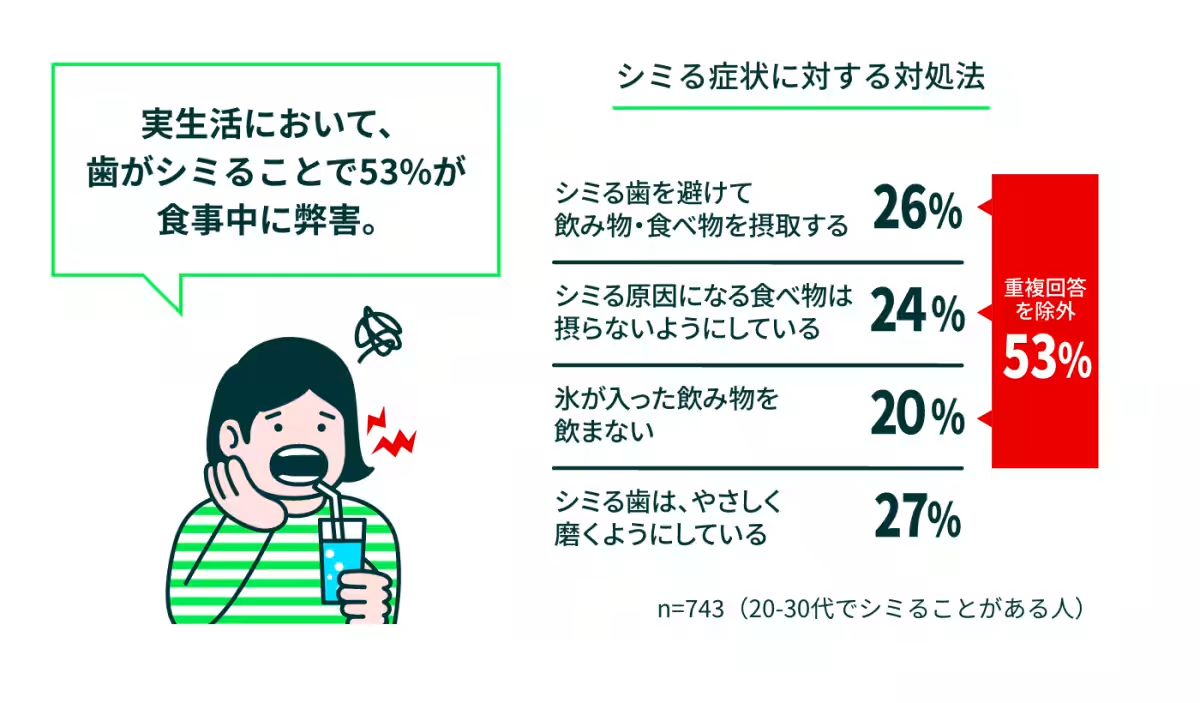
4. Daily Life Impact: Over half of the respondents indicated that sensitivity affects their eating habits, which may lead to discomfort, necessitating further avoidance of certain foods and potentially increasing risks for oral diseases.
Detailed Results
The extensive results illustrate a clear trend: The younger populace is significantly more affected by tooth sensitivity, yet they underestimate its implications. Awareness must transform into action to prevent long-term dental health issues.
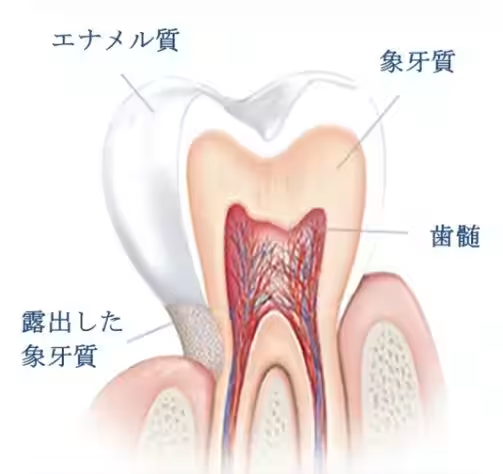
In an analysis conducted by experts, Dr. Mayumi Maesaku from Aichi Gakuin University's Faculty of Dentistry, discussed the mechanics behind sensitivity and its implications. Sensitive teeth occur when the underlying dentin gets exposed due to various factors, leading to brief but sharp pain sensations when consuming hot, cold, or acidic foods.
What to Consider Moving Forward
Maintaining dental hygiene becomes crucial in preventing sensitivity and its effects. Those experiencing sensitivity symptoms are advised to:
- - Use desensitizing toothpaste: Toothpaste containing potassium nitrate can significantly relieve discomfort for many.
- - Avoid acidic foods and drinks: This includes common items like carbonated beverages and citrus fruits that can exacerbate sensitivity.
- - Seek regular dental check-ups: Engaging with dental professionals can provide personalized advice to mitigate sensitivity issues and enhance overall oral health.
In conclusion, the recent findings surrounding the awareness of sensitive teeth highlight a critical gap between knowing and doing. As society continues to grow more aware of the importance of oral health, it is essential to address these misconceptions and encourage proactive measures to ensure healthier smiles for future generations.
For further insights and effective dental care products, visit Haleon Japan's website.

Topics Health)
【About Using Articles】
You can freely use the title and article content by linking to the page where the article is posted.
※ Images cannot be used.
【About Links】
Links are free to use.