


Exploring the Transformative Role of Black Markets in Tokyo's Urban Landscape
Black Markets and the Reimagining of Tokyo
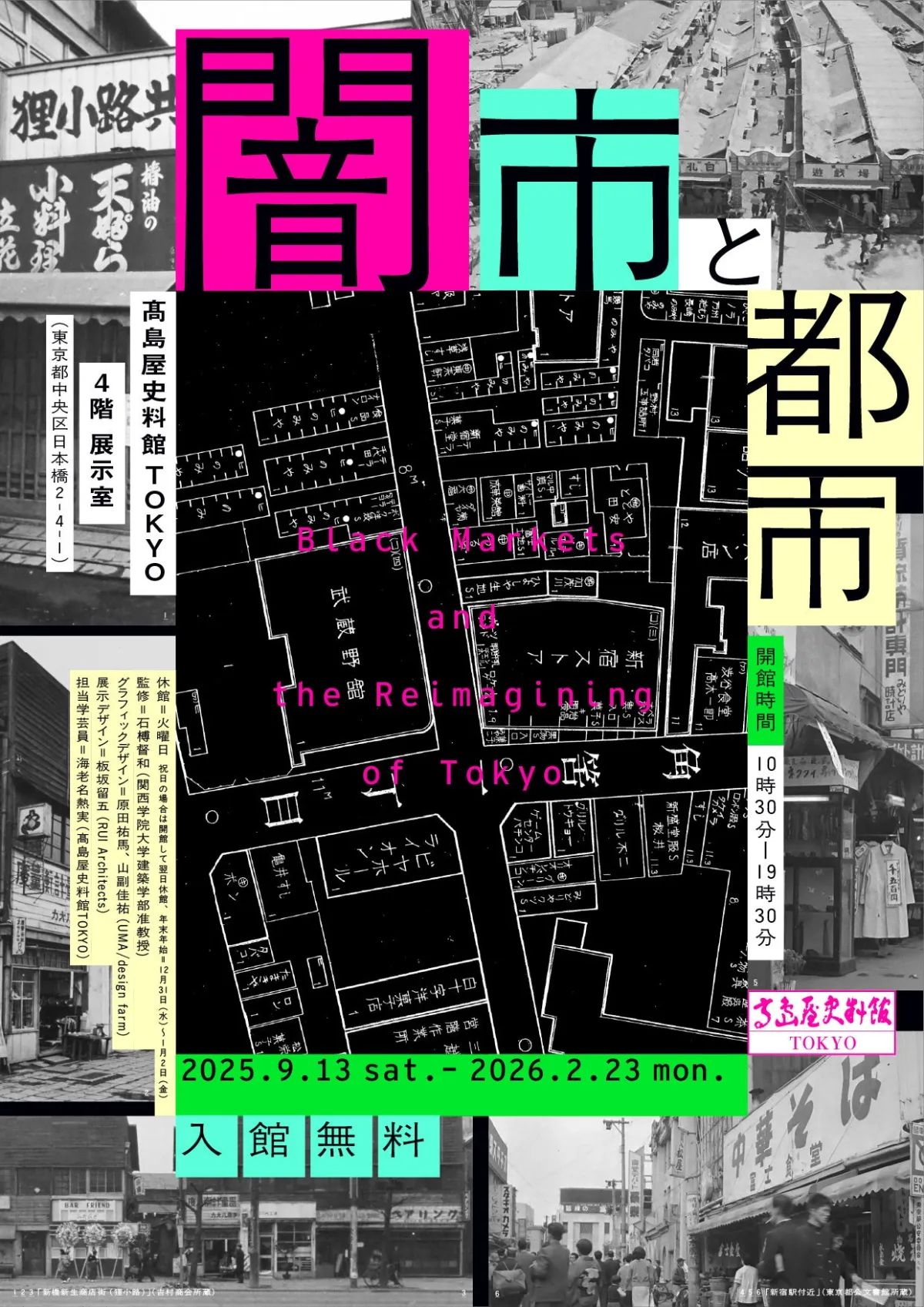
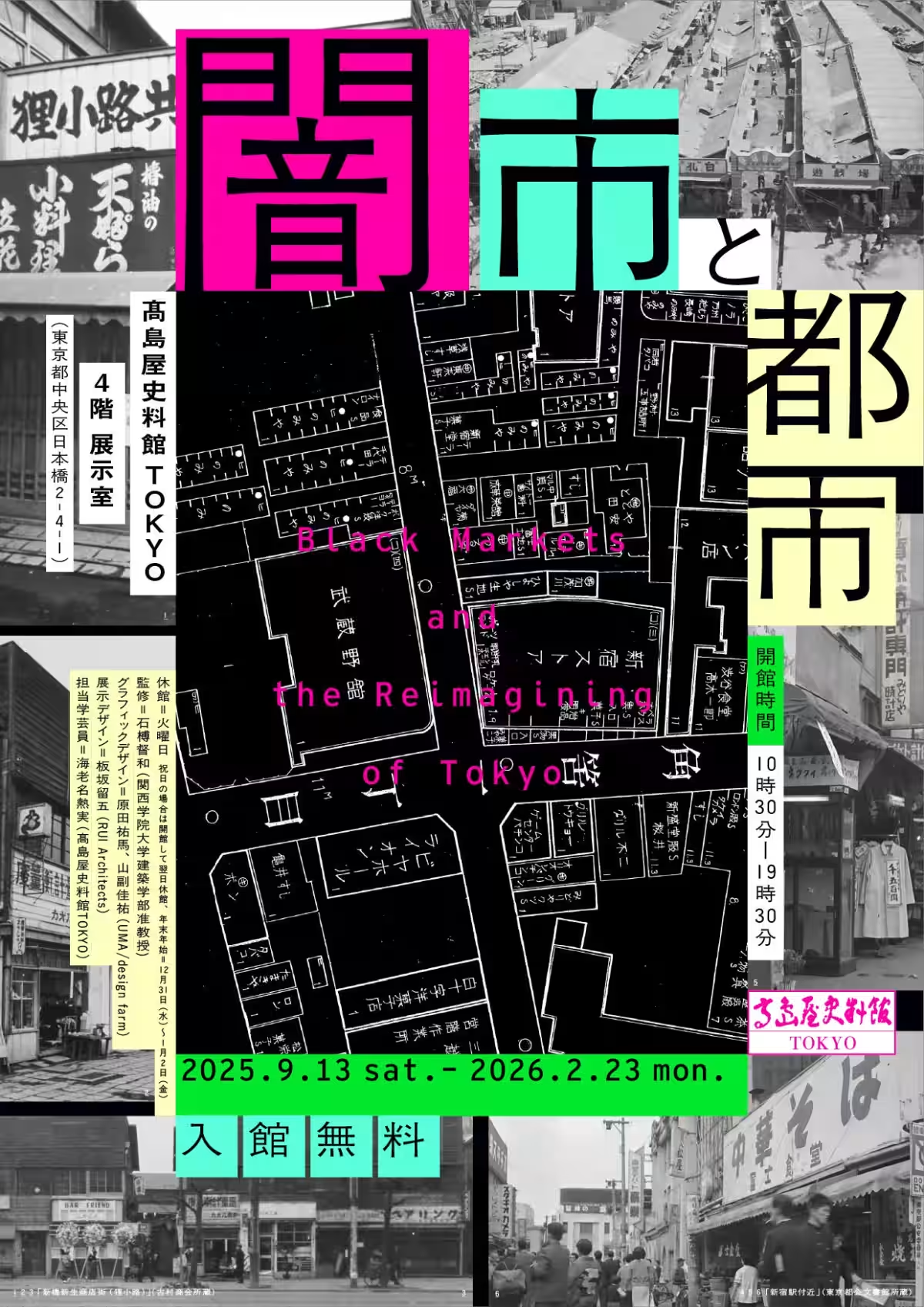
The upcoming exhibition at Takashimaya Historical Museum, titled "Black Markets and the Reimagining of Tokyo," delves into the transformative impact of black markets on Tokyo's urban evolution. Opening on September 13, 2025, and running until February 23, 2026, this exhibition offers free admission and a chance to explore the rich tapestry of history that has shaped one of the world's most dynamic cities.
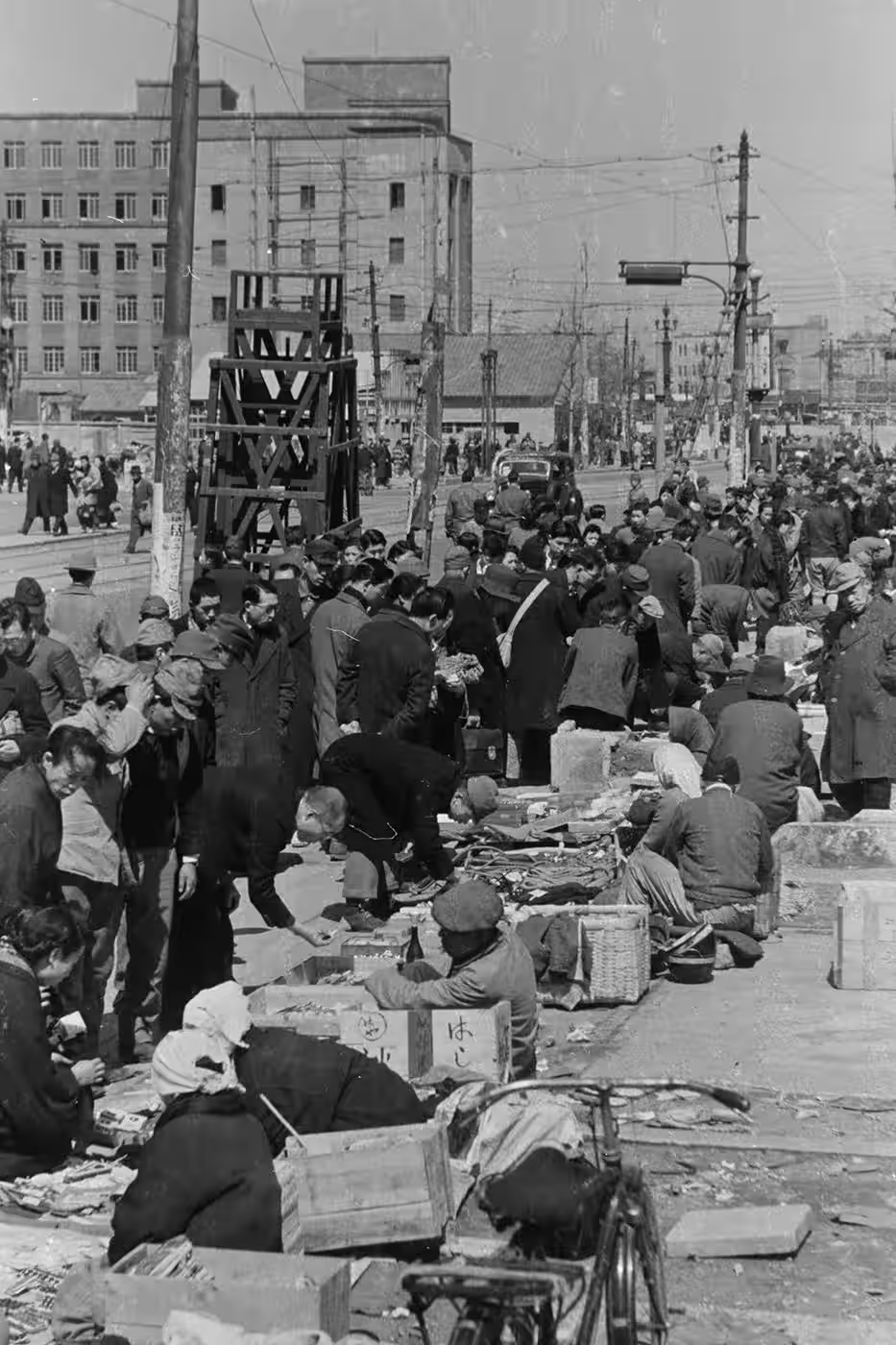
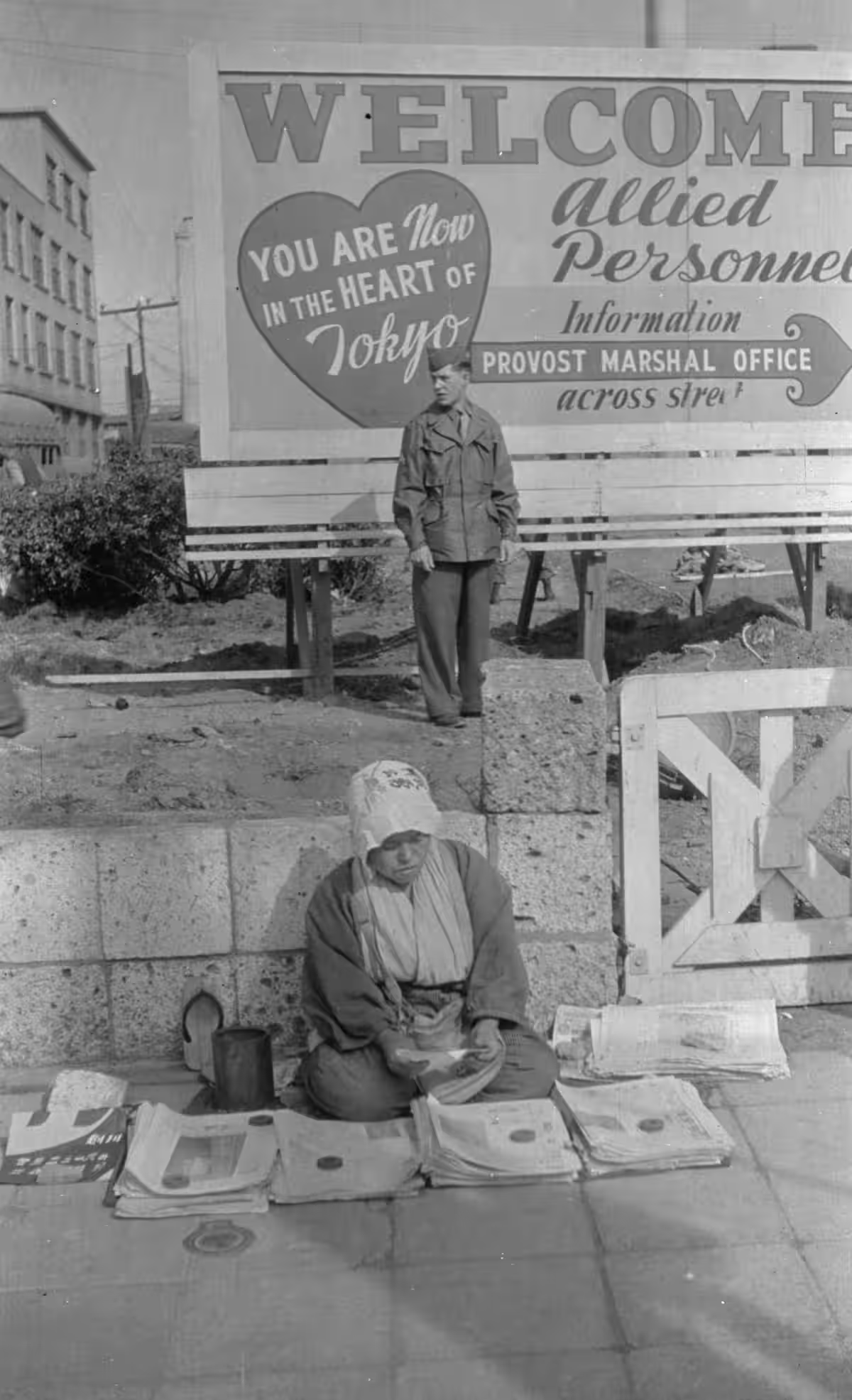
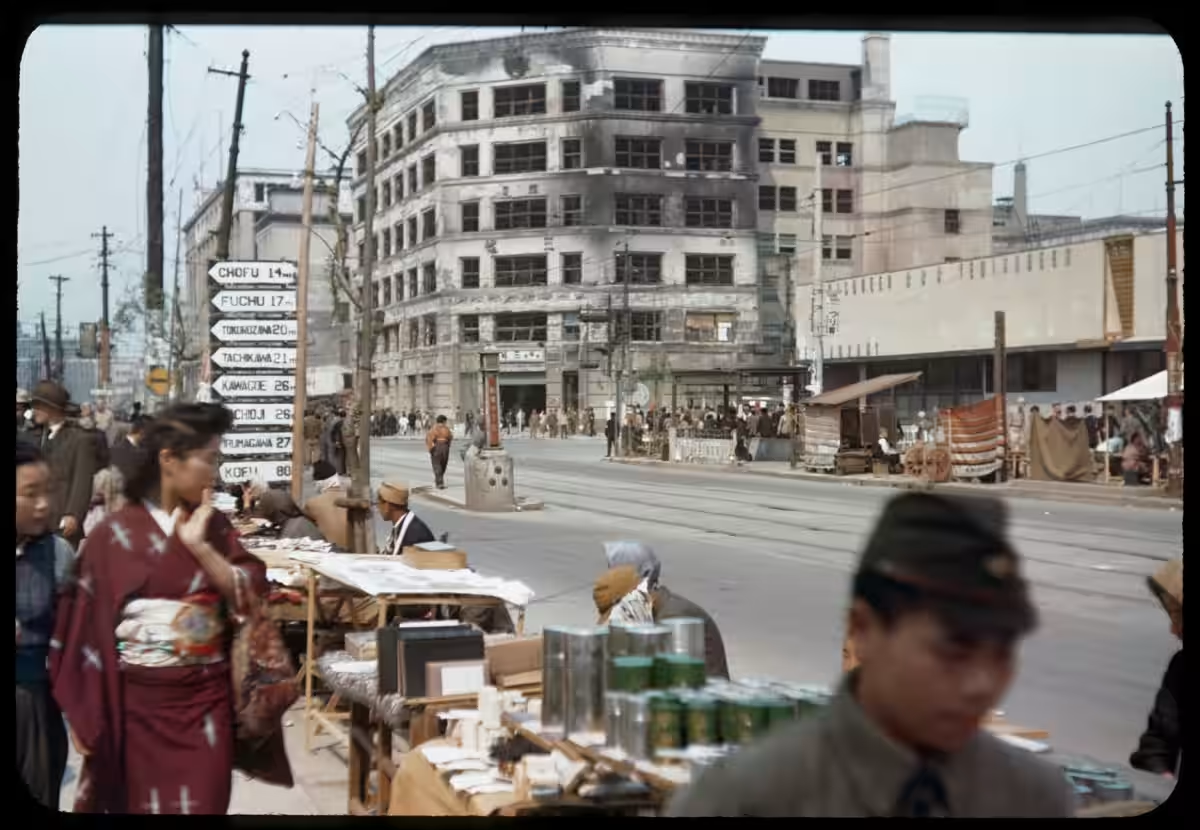
Tokyo is a city defined by change, with each street, alley, and terminal telling a story of its past. As Tokyo approaches the 80th anniversary of the post-World War II era, this exhibition will particularly focus on the phenomenon of black markets that emerged during and after the war, drawing attention to the vacant lots that became catalysts for urban growth.
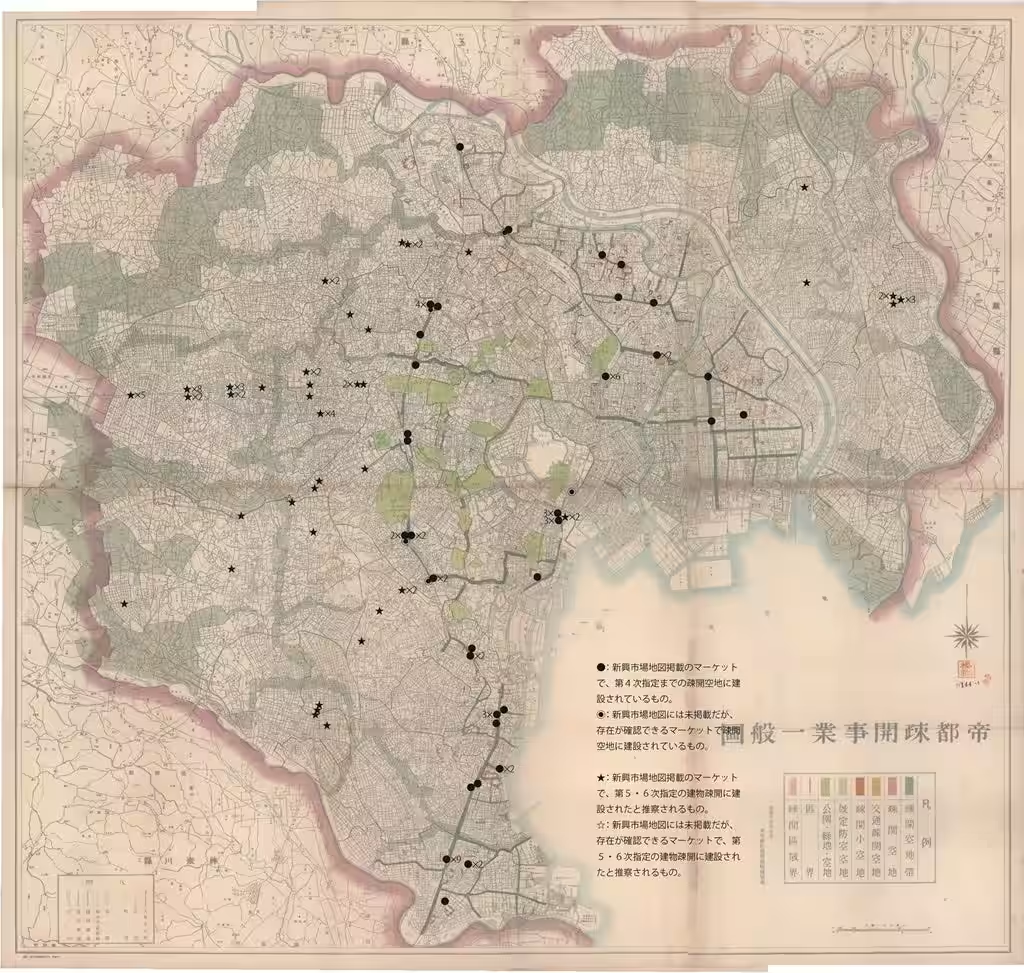
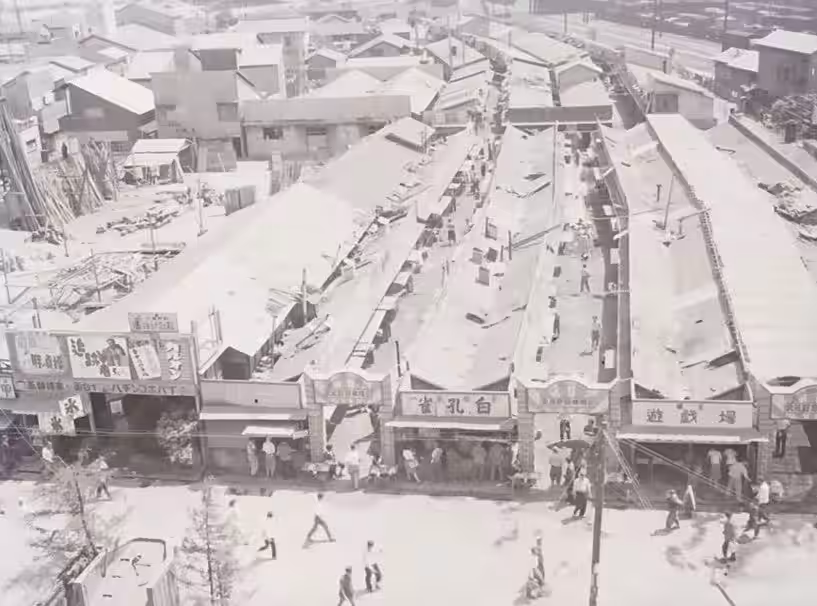
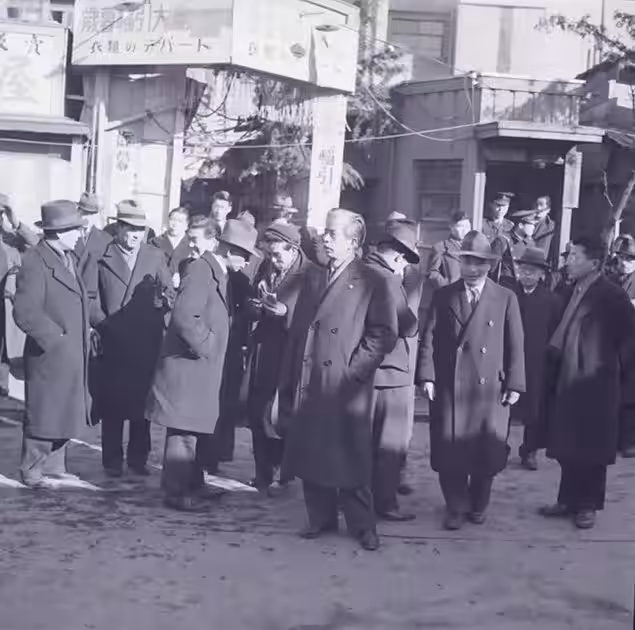
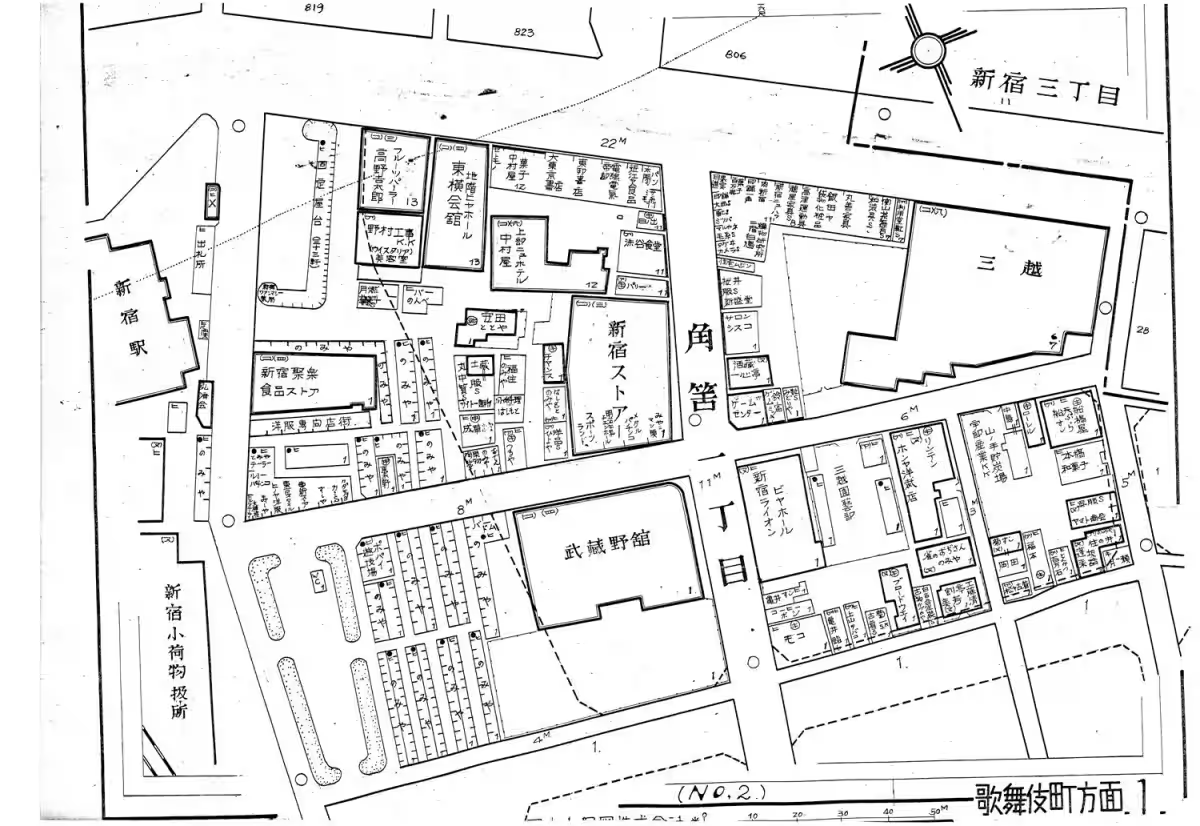
During the war, the government implemented a policy known as "building evacuation," aimed at preventing fires caused by aerial bombings. This led to the forced demolition of homes in densely populated areas, creating vacant lots throughout the city. In the chaotic aftermath of the war, these empty spaces, along with the ruins of the bombed-out cityscape, became makeshift markets, commonly known as black markets. Some of these markets grew to reflect a unique vibrancy, notably in areas like Shinjuku, which was transformed from a black market hub into a thriving entertainment district.
The exhibition offers a reflective narrative on how these markets provided not only a means of survival for many but also contributed to the city’s physical and social renewal. War can often be seen as a destroyer of urban life, yet it also served as a catalyst for new beginnings. The black markets, while often viewed through a lens of illegality and disorder, actually laid the groundwork for the bustling urban center we see today.
This exploration extends beyond mere historical documentation; it seeks to redefine our understanding of Tokyo's urban identity. It encourages visitors to look at remnants of the past, recognizing that elements of the black markets remain embedded in the city's infrastructure and culture even today.
In addition to the exhibition, a commemorative talk will take place on the opening day featuring Takushiki Tokuwaka, the exhibition curator and associate professor at Kwansei Gakuin University. He will discuss the narratives woven into the subtitle of the exhibition—"The Reimagining of Tokyo"—and how the image of black markets goes beyond notions of illegality to recognize their role in shaping contemporary urban spaces. This event will provide valuable insights into the ongoing dialogue about Tokyo's past and present.
Throughout the exhibition period, further talks and walking tours focusing on Shinjuku and other significant areas will be announced, promising an enriching experience for attendees.
This historical inquiry into Tokyo's black markets is poised to offer a fresh perspective, challenging paradigms and encouraging deeper reflections on the nature of urban development. It invites every visitor to engage with the layered histories that continue to influence Tokyo's evolution.
For further details about the exhibition and upcoming events, please explore the Takashimaya Historical Museum's official website or follow them on social media. Whether you're a history buff, architecture enthusiast, or just curious about Tokyo, this exhibition offers a unique opportunity to discover how the shadows of the past inform the city's bright future.
Event Details
- - Location: Takashimaya Historical Museum, 4th Floor, 2-4-1 Nihonbashi, Chuo-ku, Tokyo
- - Opening Hours: 10:30 AM - 7:30 PM
- - Admission: Free
- - Closed: Tuesdays (with exceptions for holidays), and during New Year’s period from December 31 to January 2.
Contact Information
- - Website: Takashimaya Historical Museum
- - X: @shiryokantokyo
- - Instagram: @takashimayashiryokantokyo
- - Contact us: Contact Form
- - Phone: 03-3211-4111 (Nihonbashi Takashimaya)
Topics Entertainment & Media)



【About Using Articles】
You can freely use the title and article content by linking to the page where the article is posted.
※ Images cannot be used.
【About Links】
Links are free to use.