



Implementing Art Thinking in the AI Era: A Structured Approach Beyond Concepts
Implementing Art Thinking in the AI Era: A Structured Approach Beyond Concepts
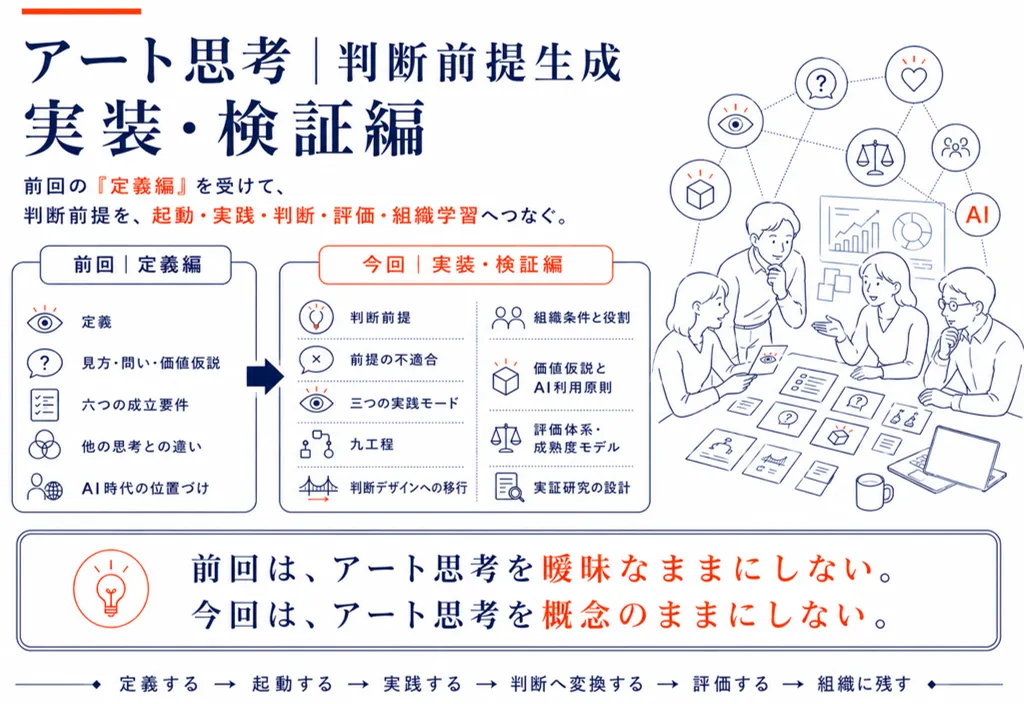
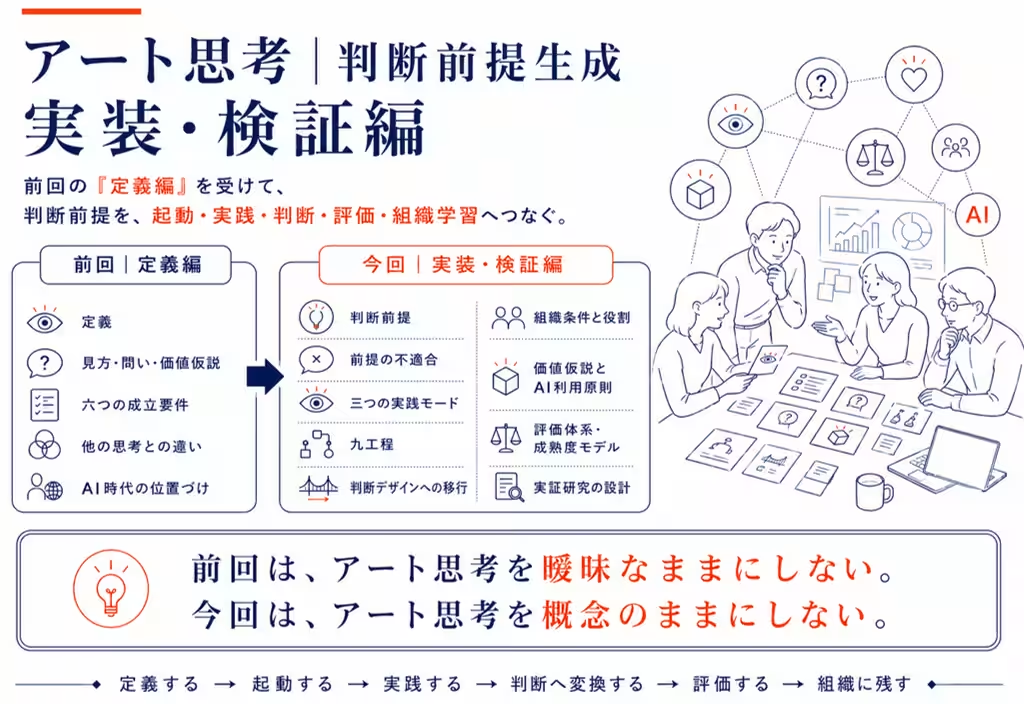
In the rapidly advancing landscape of artificial intelligence, it's crucial to evolve our thinking paradigms. Request Corporation, headquartered in Shinjuku, Tokyo, has taken on the task of redefining and implementing 'Art Thinking' through a comprehensive 13-page document that outlines how to transition from abstract ideas to actionable frameworks for decision-making. The emphasis is on moving beyond mere conceptualization to actual workplace application.
Understanding 'Art Thinking'
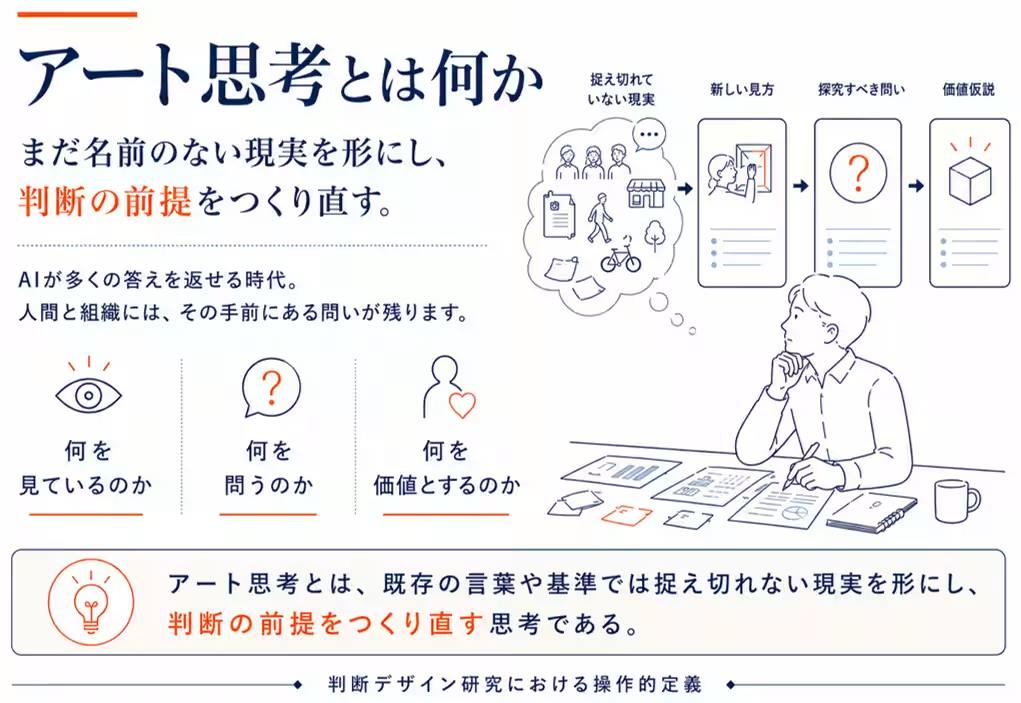
Previously, art thinking was defined merely as a set of abstract abilities characterized by free thought and sensitivity. However, Request Corporation redefined it as a process termed 'Judgment Premise Generation.' This term signifies generating new perspectives and inquiries that cannot be encapsulated by existing standards or norms. Going beyond definitions, this document emphasizes the necessity of practical implementation in the workplace.
Key Considerations for Implementation
The new framework lays out essential questions that organizations must answer to utilize art thinking effectively:
- - When should art thinking be activated?
- - What should be externalized and what responses ought to be anticipated?
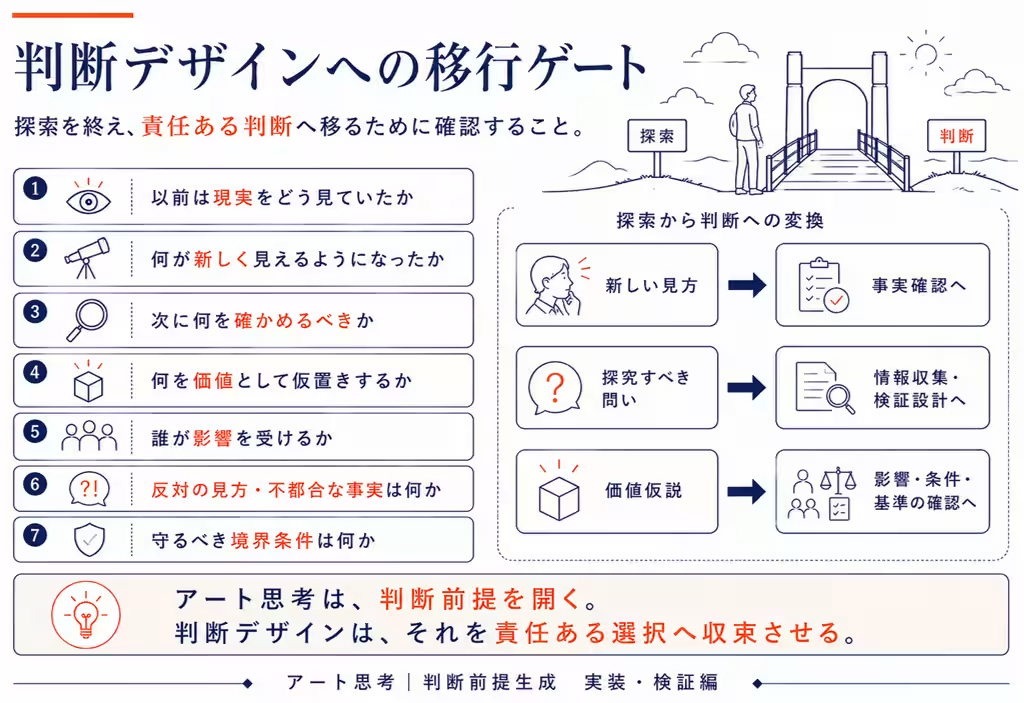
- - When does exploration end and responsible judgment begin?
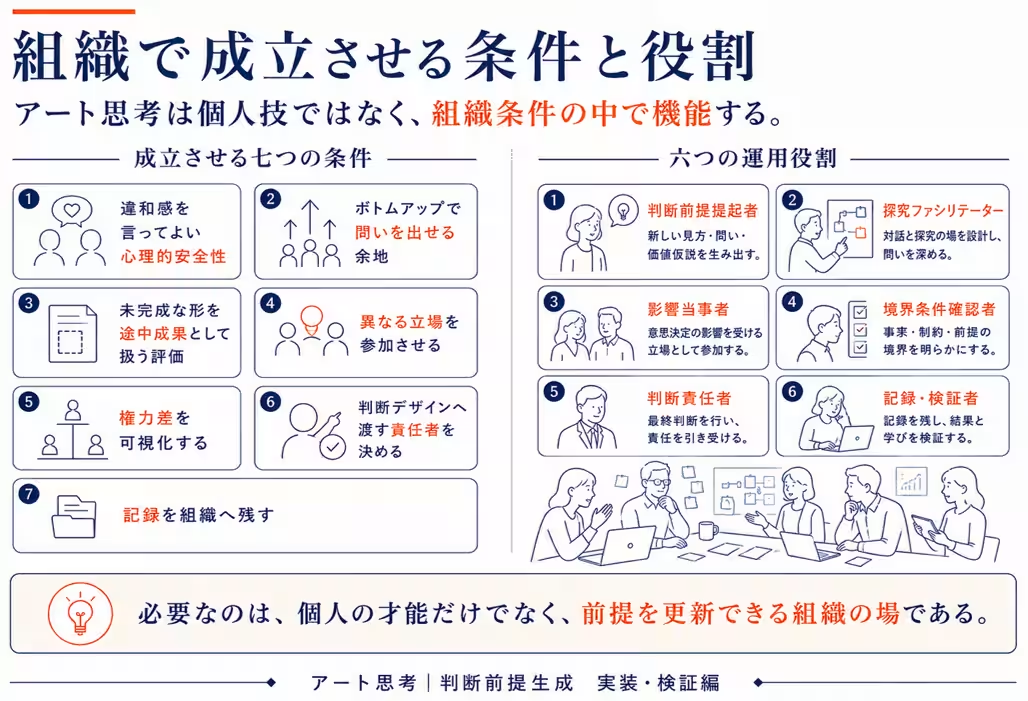
- - Who is accountable for what aspects?
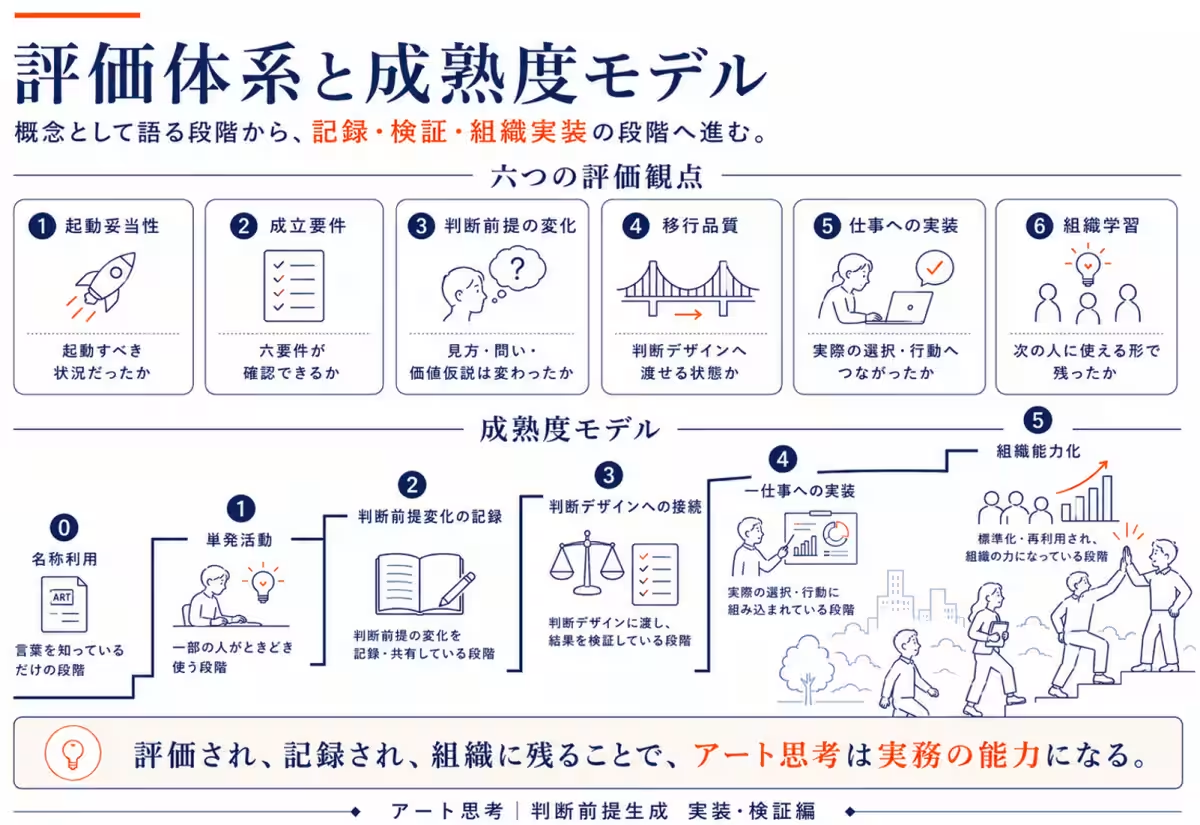
- - What needs to be recorded and how will evaluations be conducted?
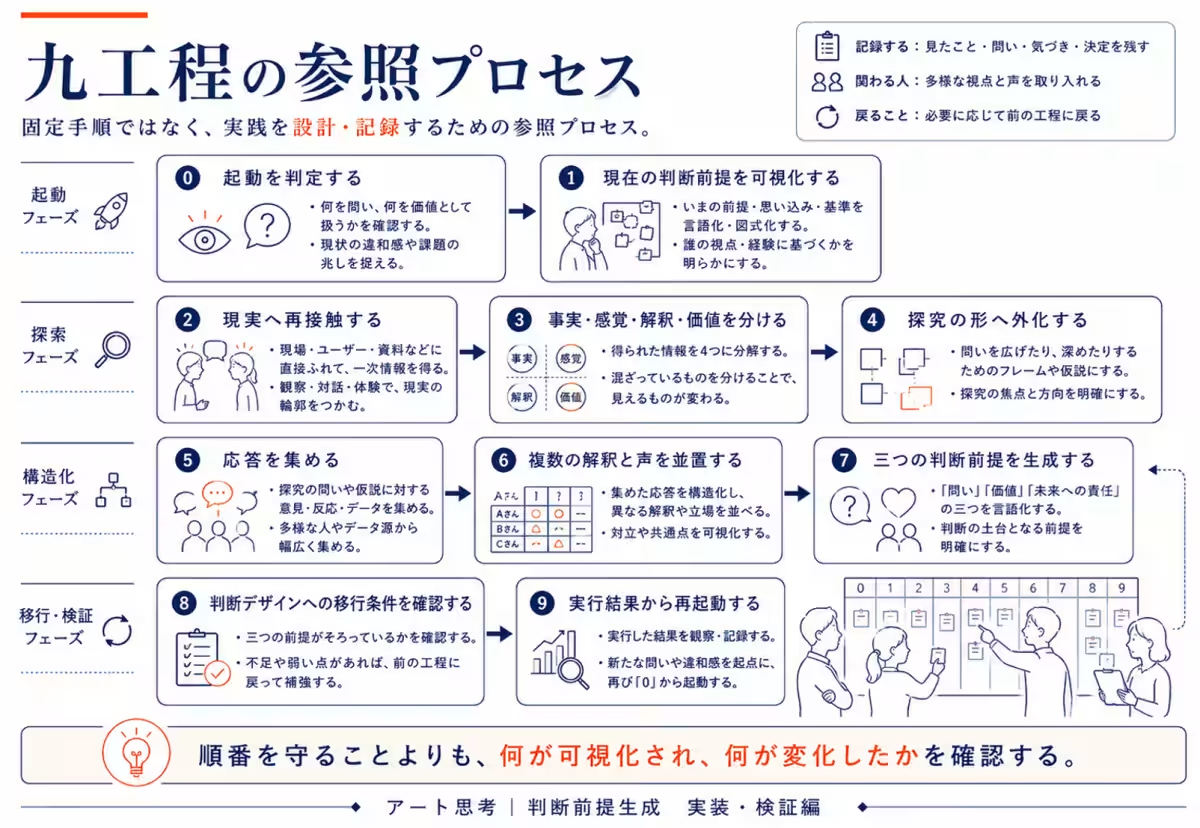
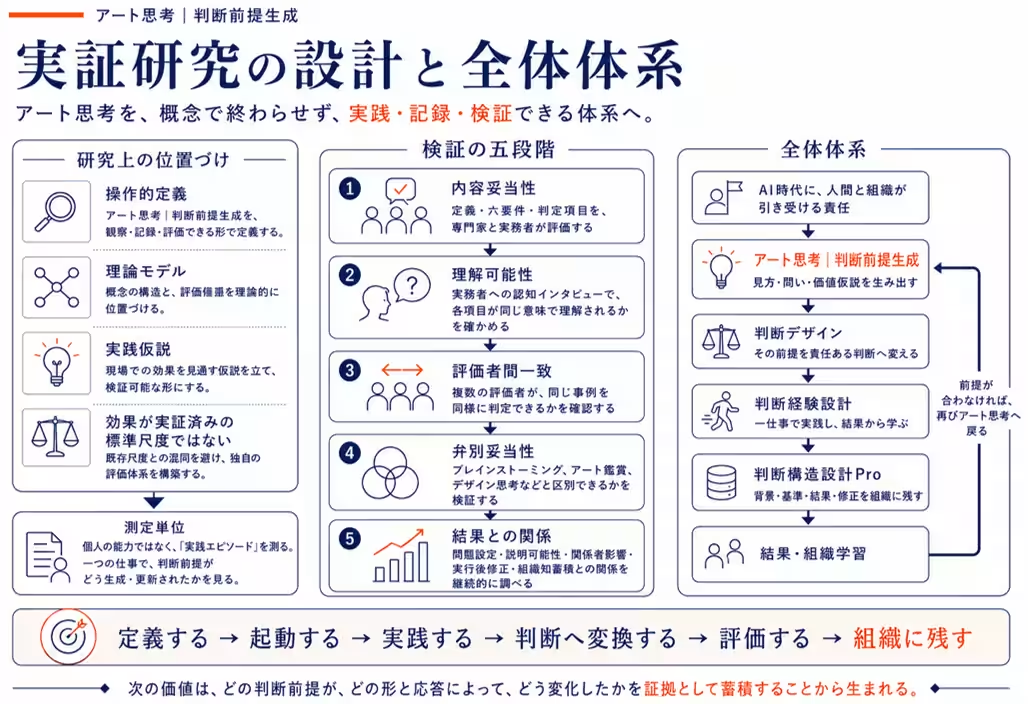
With these considerations, the move towards transforming art thinking from merely a concept to a systematic practice is underscored.
From Concept to Practice
This second part of the document not only defines the art thinking paradigm but also provides a pathway to its practical application. It is essential to distinguish between the generation of new perspectives through art thinking and the subsequent design of judgments that need to be made based on those perspectives. Prior to making responsible decisions, the process requires a conscious separation of inquiry and eventual decision-making.
By doing this, organizations foster a proactive environment where generative practices are encouraged, suppressing the retrospective tendency to revert to previously established, traditional formats of decision-making.
Understanding Judgment Premises
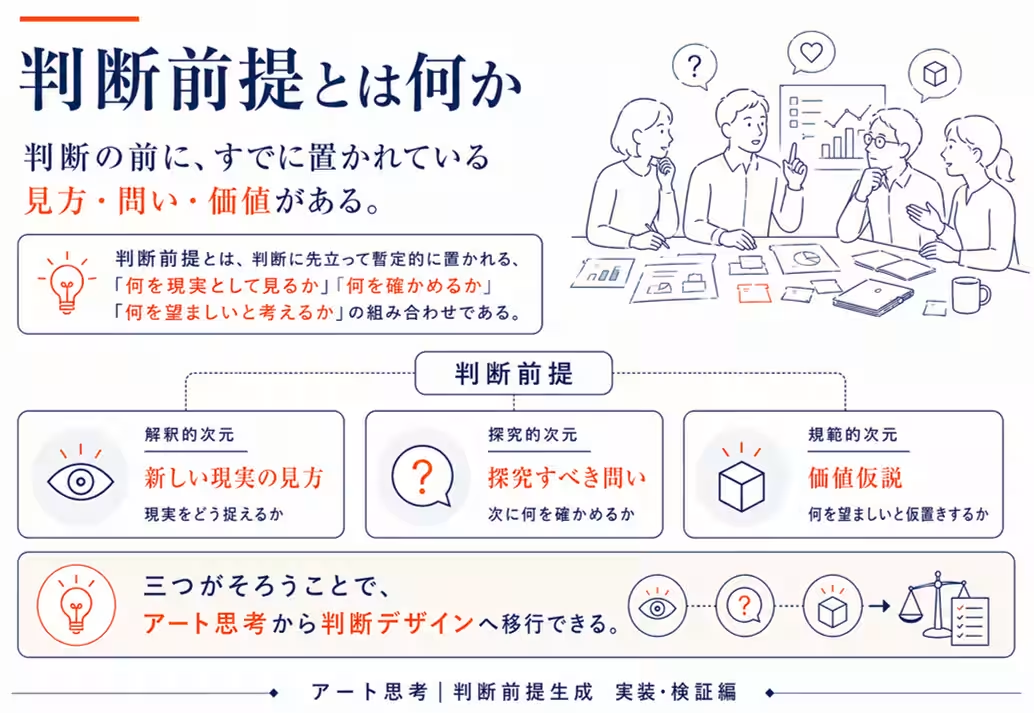
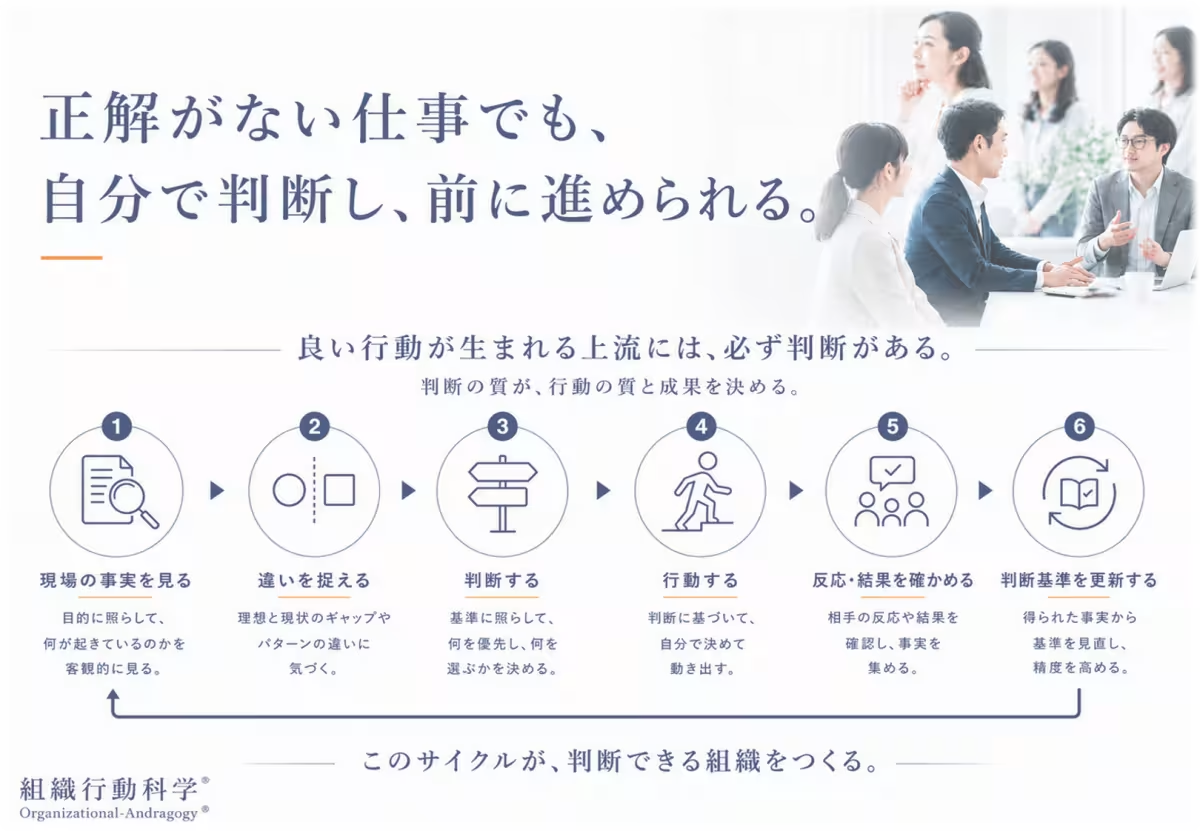
The document articulates how human judgments do not arise from a vacuum. People invariably evaluate choices based on a pre-existing framework of judgment premises—what we perceive as 'reality', the next steps we think should be taken, and our definitions of desirable outcomes. The framework encourages organizations to visualize these premises and recognize them for continuous improvement.
Addressing the Incompatibility of Premises
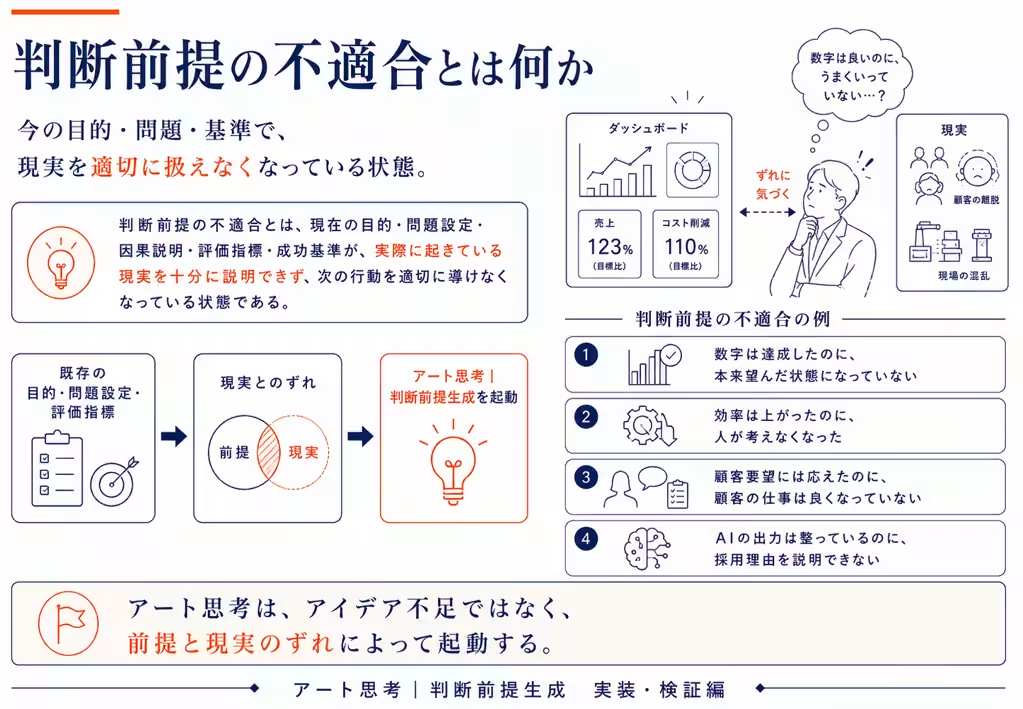
An important aspect discussed is the notion of 'Judgment Premise Incompatibility.' It arises when existing goals or standards fail to align with observed realities. It becomes imperative to reframing how issues are perceived and what constitutes an acceptable outcome. This misalignment is not a deficiency of ideas; rather, it highlights an essential disconnection that needs to be addressed.
The Role of Subjectivity in Judgment Premises
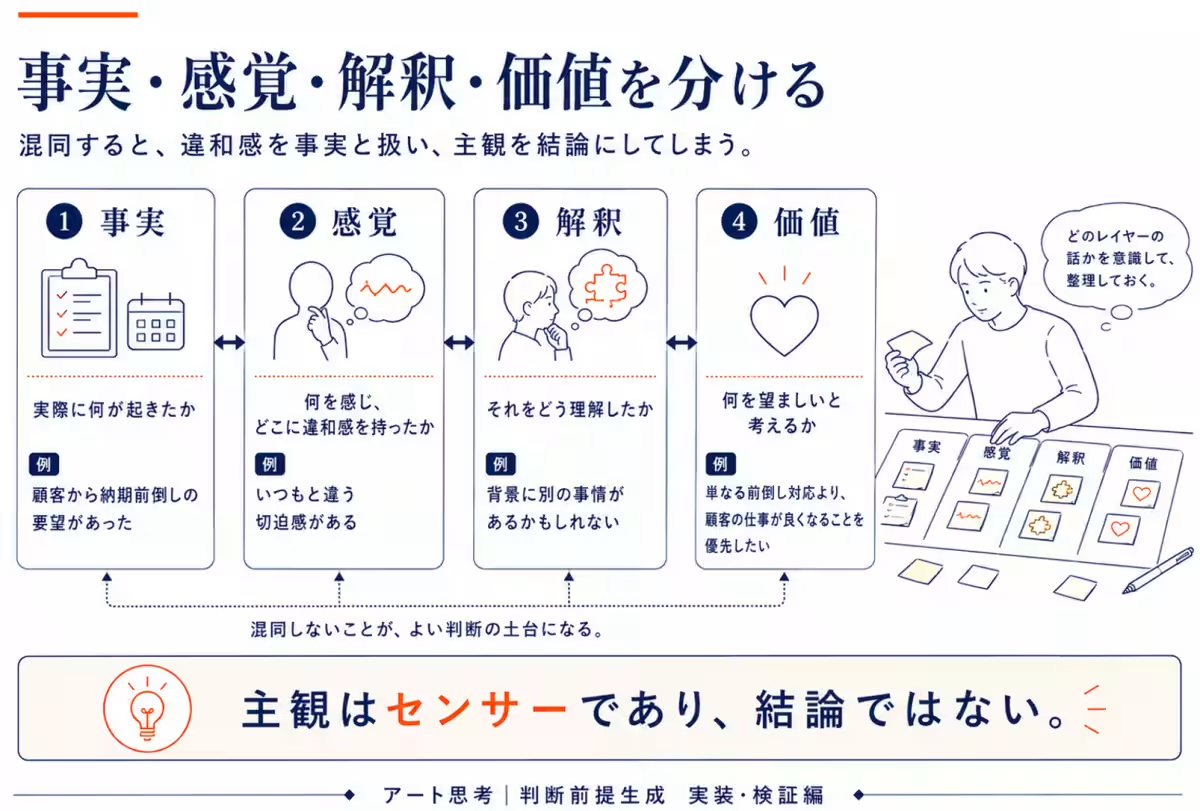
Subjectivity plays a significant role in shaping judgment premises. Acknowledging initial feelings of discrepancy or discomfort is essential, as ignoring them can prevent organizations from recognizing transformative changes. The framework stresses keeping subjective interpretation separate from definitive conclusions and observable facts, turning initial discomfort into a guiding sensor rather than a dictatorial force.
Paths to Effective Exploration
To explore these dynamics, organizations must construct a template that documents the path from exploration to decision-making, allowing for iterative development and reassessment of premises as circumstances change. The creation of such a structured process is vital for transparency and sustaining the generation of new ideas.
Creating an Environment for Art Thinking
However, recognizing the potential for artistic thinking in a corporate environment is not enough. It requires a suitable organizational culture, fostering an environment where zero tolerance for critique and established hierarchies do not stifle innovation. For true art thinking to take root within organizations, there must be clearly defined roles that separate the functions of exploration from the ultimate decision-making authority.
AI as a Tool, Not a Decision Maker
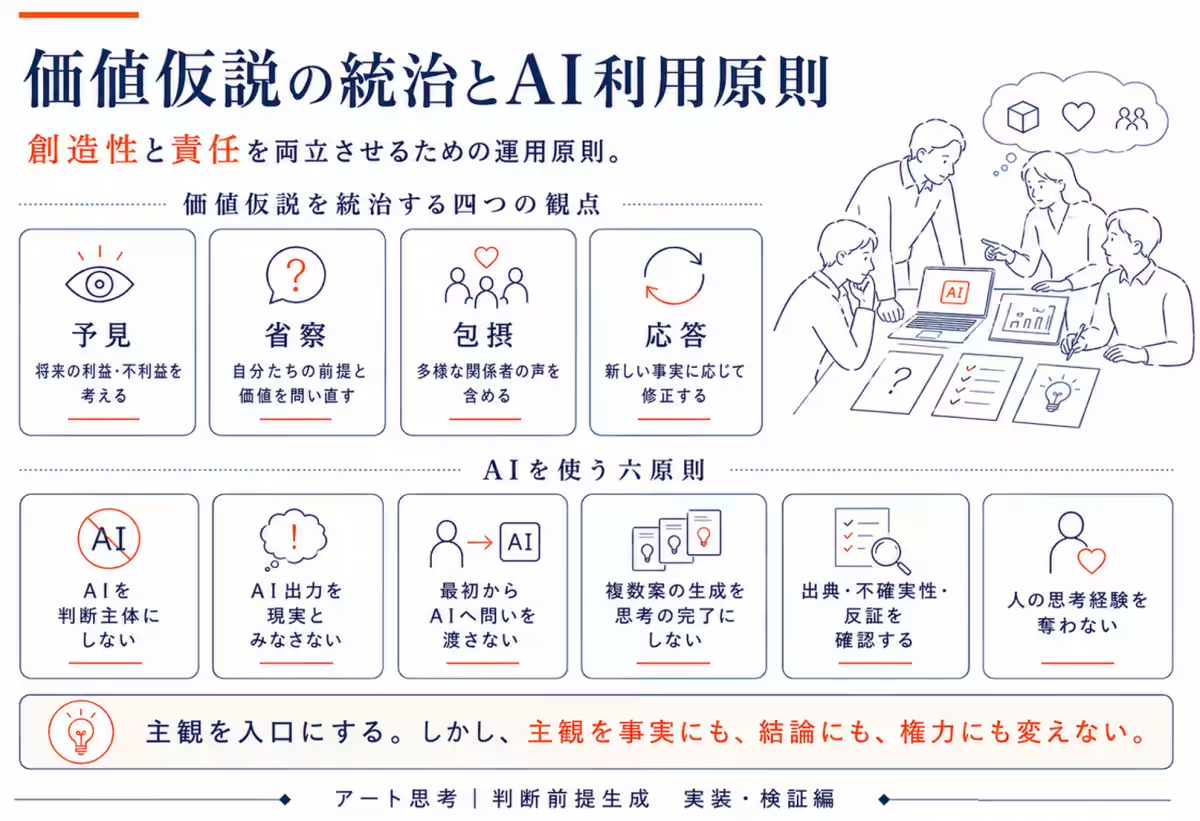
AI can serve as an aid to expand judgment premises but must not become the decision-maker. Organizations are cautioned to tread carefully and ensure that AI outputs do not overshadow or replace the human aspect of observation and interpretation. An effective use of AI requires clarity on how human judgment and AI-generated data interact, without losing the intuition that leads to meaningful decision-making.
Ultimately, the framework presented by Request Corporation acts as a critical tool in guiding organizations through the intricacies of blending art thinking practices into their decision-making processes, enabling improved overall outcomes that adapt to AI advancements while ensuring accountability and meaningful exploration of new ideas.


Topics Business Technology)
【About Using Articles】
You can freely use the title and article content by linking to the page where the article is posted.
※ Images cannot be used.
【About Links】
Links are free to use.