



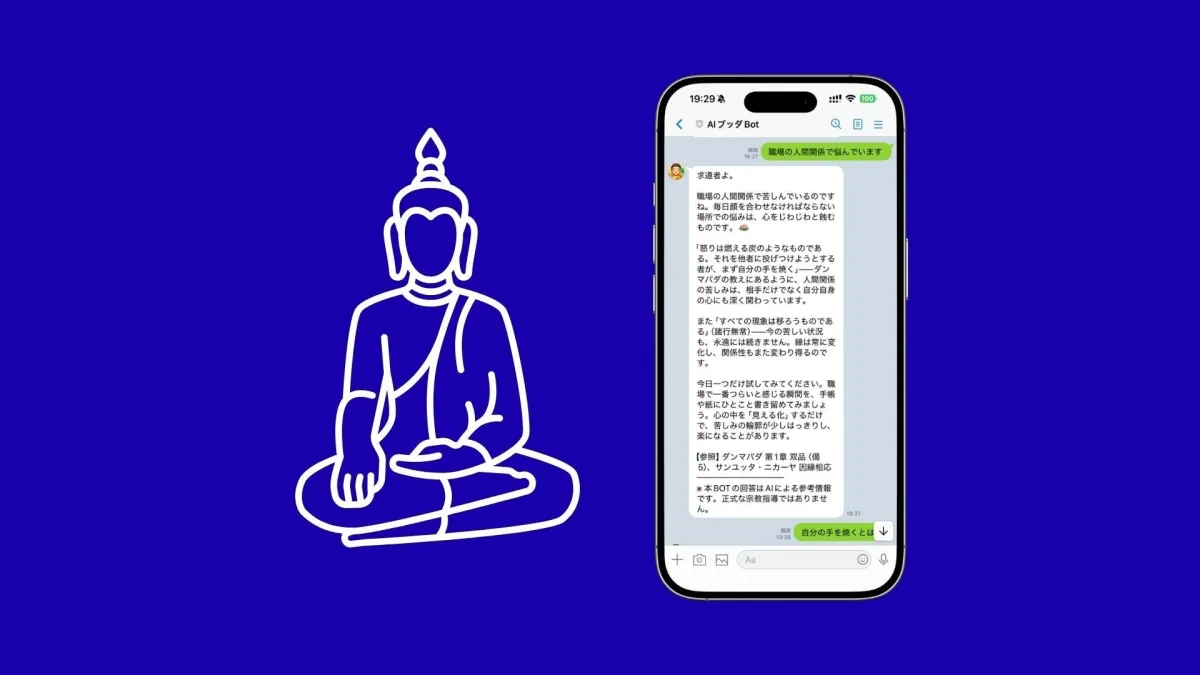
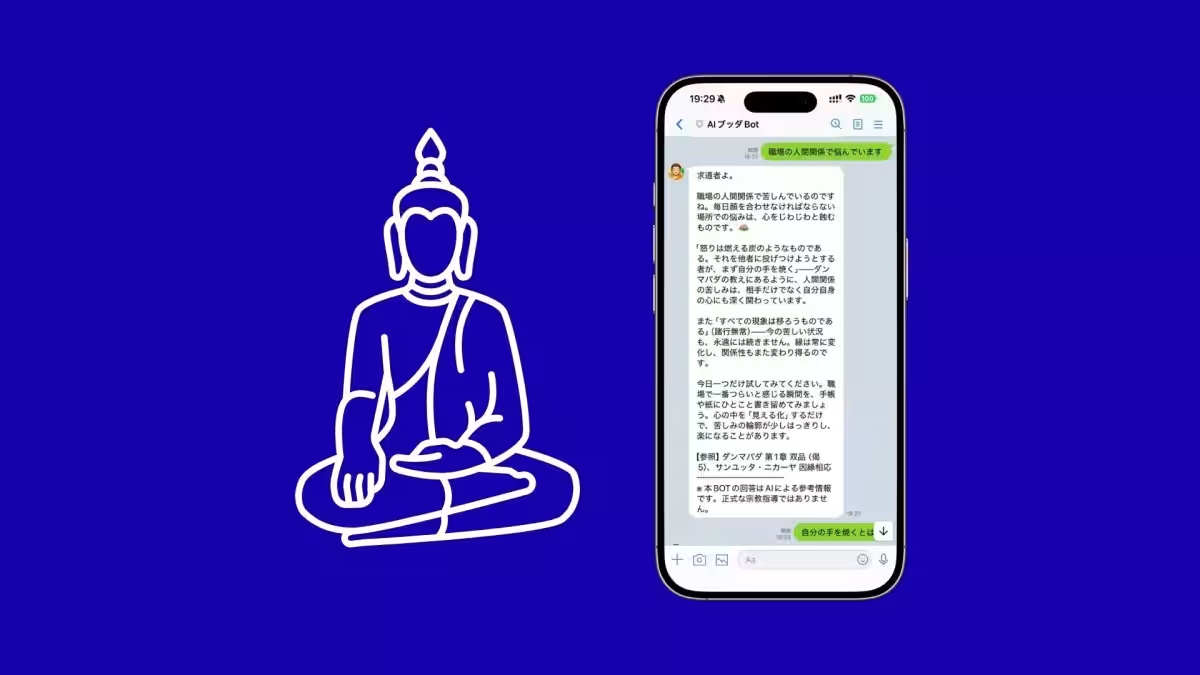
VeritasChain Announces Transparent Licensing Policy for AI Buddha Zen Data
Transparency in Licensing the AI Buddha Zen
VeritasChain Co., Ltd., based in Shibuya, Tokyo, has introduced a groundbreaking approach to its Buddhist AI dialogue service, AI Buddha Zen. With the objective of maintaining transparency, the company has clearly outlined the source and licensing policy of the scripture data utilized in its service. This initiative is particularly crucial amidst growing debates around the legal and ethical implications of using sacred texts in AI applications.
Background of the Policy Announcement
AI Buddha Zen is designed to facilitate user interaction by employing over 10,000 verses from 19 different texts of the Pali Canon and Mahayana scriptures. Utilizing a Retrieval-Augmented Generation (RAG) system, the platform ensures that every response is accompanied by the name of the scripture, chapter, and verse number. This feature is aimed at boosting user trust and interaction.
Despite the service being a positive endeavor, there have been criticisms regarding the use of Buddhist texts in AI. Many argue that uploading these scriptures into AI systems equates to cultural appropriation or violates copyright laws due to the translations involved. In light of this, AI Buddha Zen seeks to illuminate the dialogue surrounding the intersection of Buddhism and AI by providing factual information and definitive transparency regarding the sources of its data.
Sources of Scripture Data - SuttaCentral and Bhante Sujato
AI Buddha Zen gleans its scripture data exclusively from SuttaCentral, an online archive established by Bhante Sujato, an Australian monk, in collaboration with Rod Bucknell and John Kelly in 2005. This database has become a significant resource, widely utilized by scholars, monks, and lay practitioners, offering comprehensive and reliable access to early Buddhist texts.
The components of AI Buddha Zen's scripture data are rooted in materials that are licensed under the Creative Commons Zero (CC0) designation, which publicly dedicates these texts to the public domain without the constraints of copyright. Every verse included in the database is thoroughly vetted to ensure it does not involve any commercially available literature or copyrighted translations.
Bhante Sujato's own translations express a commitment to the accessibility of these spiritual insights. He emphasizes that these translations are dedicated to public domain use to promote accessibility and comprehension among all beings. His motto, resonating with the Buddhist principle of sharing wisdom for the benefit of all, underscores the moral responsibility inherent in his work.
Legal Implications of CC0
The CC0 declaration allows creators to relinquish their copyright and related rights, placing their works in the public domain for any and all use. This includes commercial purposes without the need for attribution, a significant aspect that removes concerns about copyright infringement.
The design of CC0 supports a three-tiered structure that ensures its effectiveness in various legal jurisdictions. Effectively, by utilizing scripture data from SuttaCentral, AI Buddha Zen sidesteps potential copyright issues entirely, as the rights have been relinquished.
Configuration of AI Buddha Zen's Database
AI Buddha Zen currently incorporates:
1. Number of scriptures: 19 texts from various Buddhist traditions.
2. Number of verses: Over 10,000 verses categorized across 20 thematic areas, including wisdom, suffering, anger, and relationships.
3. Examples of scriptures: Dhammapada, Suttanipata, Majjhima Nikaya, and the Lotus Sutra, among others.
Each verse is linked back to SuttaCentral's CC0 data, with translations crafted by VeritasChain based on the publicly available original Pali texts.
Focus on Ethical Non-Usage of Copyrighted Works
AI Buddha Zen explicitly avoids incorporating any copyrighted materials, including:
- - Commercial Buddhist books or protected translations.
- - Original essays or commentary by individuals.
- - Protected notes or academic papers.
The AI successfully sidesteps accusations of copyright infringement by adhering strictly to texts that SuttaCentral's founders have designated as CC0. Thus, the translations used by AI Buddha Zen fall under the same non-licensure umbrella.
Ensured Verifiability of Citations
One of the unique features of AI Buddha Zen is its commitment to transparency regarding citations. Unlike typical AI chatbots, which may generate plausible responses based on fuzzy learning data, AI Buddha Zen employs advanced technology to ensure that all provided verses are verifiable. Responses from the AI will always include clear references to the scripture, ensuring accountability in the quoting process.
The platform consistently maintains a 100% citation display rate, reassuring users that they can independently validate the quoted material through accessible databases and libraries.
AI Buddha Zen’s Role: A Complement to Traditional Monastic Guidance
The AI Buddha Zen service does not aim to replace monks or temples but rather serves as an 'upaya' or expedient means to bring the teachings of Buddhism to a wider audience. In moments of existential crisis, it presents an avenue for guidance that might otherwise be unavailable at odd hours, evidenced by the platform's noted activity during late-night hours.
Prioritizing Safety Measures
Ensuring user safety is critical. AI Buddha Zen incorporates a crisis detection system based on established standards, offering support to individuals expressing self-harming ideations. Furthermore, during sensitive hours, the AI is programmed to adjust its tone and response features to provide more empathetic interactions, enhancing its sensitivity to potential crises.
Revenue and Donations
Through its operations, AI Buddha Zen allocates 75% of its earnings to Buddhist organizations, reinforcing its mission to spread the teachings of Buddhism rather than generate profit.
Collaboration with Academic Institutions
Recognizing the importance of collaboration, AI Buddha Zen is currently engaging with monasteries and universities in Japan to further explore the ethics and design of Buddhist AI technology. Notably, it also intends to present its findings in reputable forums dedicated to artificial intelligence and its implications in cultural contexts.
Media Presence and Future Developments
AI Buddha Zen has been recognized in publications such as Forbes Japan and continues to outreach to the Buddhist community and academic circles to facilitate a healthy discourse on the future of AI in Buddhist practice.
In summary, AI Buddha Zen represents a significant technological advance in making Buddhist teachings accessible while upholding ethical standards and transparency. It endeavors to bridge the gap between ancient wisdom and modern accessibility, fostering a platform for enlightenment in contemporary society.
Topics Entertainment & Media)





【About Using Articles】
You can freely use the title and article content by linking to the page where the article is posted.
※ Images cannot be used.
【About Links】
Links are free to use.