



Why is Influenza Spreading Earlier This Year? Insights and Recommendations
Understanding the Early Spread of Influenza
As of October 2025, influenza infections are noticeably increasing earlier than usual. According to the Ministry of Health, Labor and Welfare, the predominant strain this season is the Hong Kong A type (A/H3), accounting for nearly half of the cases nationwide. This strain is associated with a higher risk of severe illness and tends to be less responsive to vaccines, underlining the need for heightened vigilance.
A Closer Look at Vaccination Trends
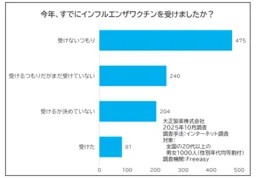
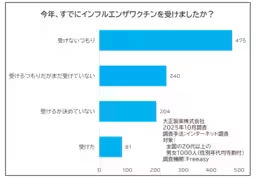
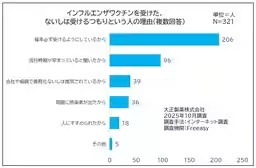
A survey conducted by Taisho Pharmaceutical in October 2025 involving 1,000 men and women aged 20 and older revealed that 8.1% have already received this year's influenza vaccine. Among those who plan to get vaccinated, the most common reason (206 respondents) was their habit of getting vaccinated annually. Additionally, 96 respondents indicated their decision was influenced by warnings of an earlier-than-usual flu season. Notably, over 10% cited the presence of flu cases within their communities as a reason.
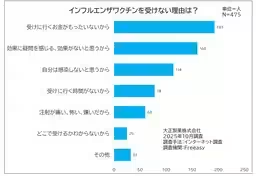
Conversely, among the 475 individuals unwilling to get vaccinated, the most cited reason (193 respondents) was the perceived wastefulness of the cost, followed by doubts about the vaccine's effectiveness (160 respondents) and a belief that they would not contract the virus (114 respondents). Other comments mentioned concerns about potential side effects.
Insights from an Expert
So, what can we do to prevent the flu? We consulted Dr. Eiji Kusumi, Director of Tachikawa Parks Clinic, who specializes in infectious diseases.
Factors Behind the Early Flu Spread
This summer brought unusually high temperatures, contributing to a depletion of physical strength. The prolonged periods of fluctuating temperatures and heat may have led to reduced outdoor activity and diminished sleep quality, affecting our overall immunity. In fact, recovering from fatigue can take two to three months, and many might still be experiencing disruptions in their autonomic nervous system and hormonal balance. Chronic stress from economic and international situations can also weaken immune defenses.
Dr. Kusumi observes, "The flu appears to be emerging about a month earlier than average this year. In our clinic, we often see children contracting the virus from group settings at school. This year, about half of the nationwide flu cases are attributed to the Hong Kong A strain, which has a reputation for being challenging for vaccines and for causing severe illness."
Adjusting Vaccination Strategies
Given the vaccine's effectiveness period of roughly two weeks, early vaccination is crucial, especially for those at risk, such as children in group settings, elderly individuals, and those with pre-existing conditions. Dr. Kusumi emphasizes the importance of prompt testing and treatment when symptoms arise since the presence of mild symptoms or "hidden influenza" can lead to unintentional virus spread.
Effective Prevention Measures
Preventative measures include wearing masks, thorough hand washing, and regular alcohol disinfection, which can significantly reduce the risk of influenza infection. Recognizing both droplet and contact transmission risks is key to maintaining protective strategies.
Nutritional Support for Immunity
To support immune function, several nutrients should be prioritized:
- - Taurine: Found in seafood like squid and oysters, taurine helps maintain gut health, a critical factor considering that about 70% of immune cells reside in the intestines.
- - Dietary Fiber: Ensuring a balanced gut flora with soluble fiber from apples and barley promotes immune cell activity.
- - B Vitamins: Essential for energy production and immune cell function, foods rich in B vitamins, such as lean pork, shellfish, and leafy greens, are vital.
- - Protein: The building blocks for immune cells, sources like eggs and white fish should be easily digestible.
- - Ginseng: Known for its benefits to stamina and immune maintenance, it can be beneficial post-influenza.
Incorporating interval walking and maintaining good sleep hygiene will also help support immunity. Short periods of moderate exercise like the Japanese walking method, which involves alternating between brisk and slow paces, can yield benefits, while regular high-quality sleep is essential.
Moving Forward
The early onset of influenza and the rise in mild "hidden influenza" cases this year stress the importance of being proactive regarding personal health. The combination of fundamental preventive measures and an internal focus on boosting immunity will be crucial in combating flu infections this season.
In summary, maintaining vigilance in health practices and making appropriate lifestyle adjustments can help mitigate the impact of influenza as it spreads. Let us prioritize our overall well-being as we navigate this flu season.

Topics Health)
【About Using Articles】
You can freely use the title and article content by linking to the page where the article is posted.
※ Images cannot be used.
【About Links】
Links are free to use.