



Creating Inclusive Spaces: Insights from the Multi-Generational Meeting by Pal System Group
Creating Inclusive Spaces: Insights from the Multi-Generational Meeting by Pal System Group
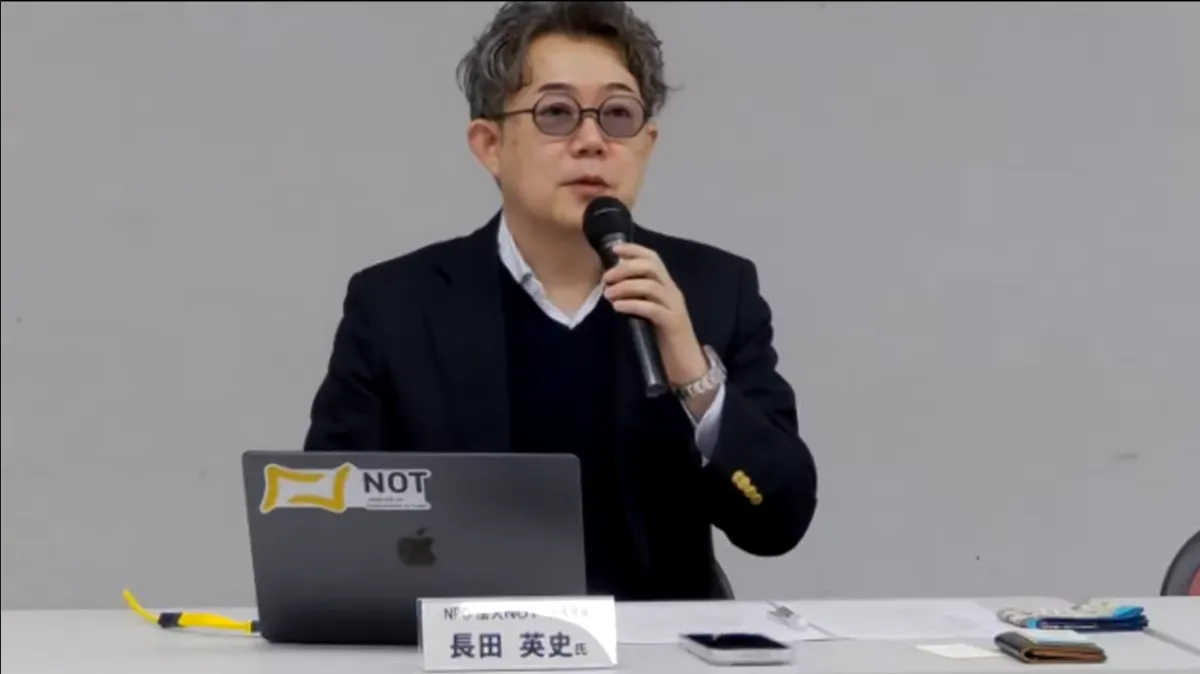
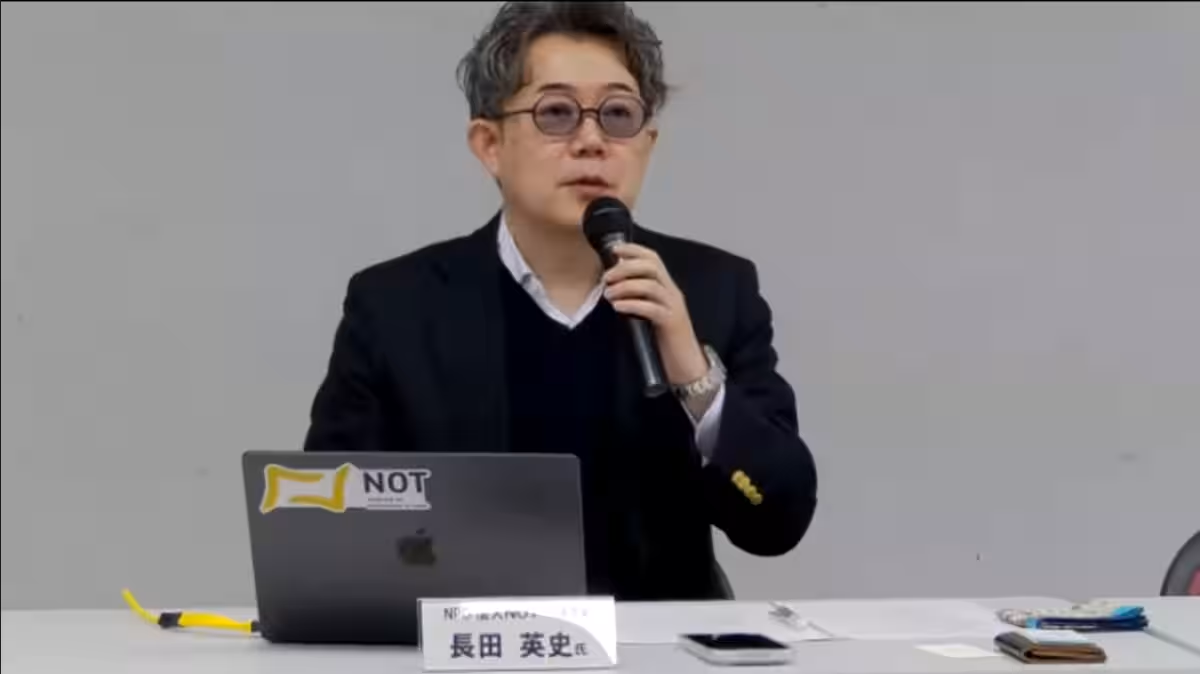
On January 8, 2024, the Pal System Cooperative Group held its annual "Multi-Generational and Multi-Functional Gathering" at their headquarters in Higashi-Shinjuku, Tokyo. The meeting attracted 84 participants, including those joining online, who came together to discuss the vital need for inclusive spaces that empower individuals from diverse backgrounds to express their true selves. The session featured insights from Teruchika Nagata, the representative director of the NPO NOT, who shared strategies for cultivating such environments.
The Importance of Inclusive Spaces
Nagata emphasized the necessity of creating spaces where everyone can comfortably gather. Since founding his organization in 1996, prior to obtaining NPO status, he has dedicated over 30 years to establishing supportive environments for children and various community members. His experience shaped the insights he provided at the meeting, which aimed to equip organizers with the tools they need to enhance the richness of these spaces.
The gathering served as a platform for the 10 cooperatives of Pal System to share practical instances of community engagement across 12 prefectures. Nagata introduced a crucial concept: rather than attempting to address every need within a single venue, it is essential to foster various spaces that cater to specific needs throughout the community. This approach not only diversifies the offerings but also enhances the sense of belonging for participants.
Tailored Approaches for Community Needs
The “Multi-Generational and Multi-Functional Gathering” is part of a broader initiative by the Pal System Group to promote local gathering spots through collaboration with community organizations and governmental bodies. This annual meeting was designed to foster ongoing discussions and practical actions leading into the next year.
Nagata highlighted that a well-defined purpose and understanding of the participants’ demographics are paramount for creating welcoming environments. By ensuring clarity at the entry points of these spaces, organizers can cultivate trust and comfort, essential for community bonding.
To inspire collaboration and expansion, Nagata suggested that organizers utilize newsletters and social media to attract partners and opportunities. Starting with single events can facilitate a gradual buildup of community engagement, leading to comprehensive, regular activities that allow connections to flourish.
After each event, it’s critical to reflect on the experiences, acknowledging what worked and what didn’t, in order to prepare for the next gathering. By nurturing the preparation stages with enjoyment and involvement, the operational aspects become more engaging, increasing motivation and participation.
Strengthening Community Ties
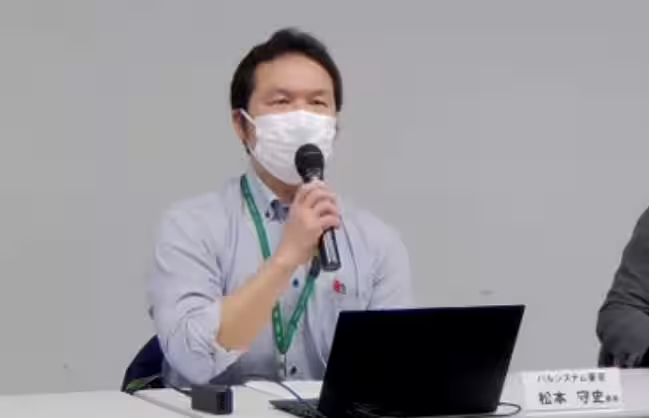
While the meeting explored the intricacies of nurturing gathering places, it also clarified how critical it is to strengthen partnerships among local community members. The Pal System Tokyo Cooperative introduced its 2022 regional activity strategy aimed at supporting individuals in need, focusing on five pillars: eating, living, learning, working, and gathering.
The cooperative has been responding to a variety of local needs through initiatives like providing food supplies in collaboration with local organizations, utilizing vacant houses for residential support, and conducting community meals and educational support sessions. Future goals include encouraging users to engage in these support activities actively.
As the meeting concluded, participants celebrated the achievements made thus far towards the "Pal System 2030 Vision" and discussed ongoing regional efforts to continue this support. Each cooperative outlined their respective goals and progress, reinforcing the commitment to fostering environments where people can thrive and embrace their individuality.
Pal System remains dedicated to creating a world where everyone can contribute and live authentically within their communities. The legacy of these gatherings lays the groundwork for broader connections and relationships that will only strengthen the fabric of society.
Conclusion
As communities evolve, the work of organizations like Pal System and NPOs is integral to ensuring that these spaces remain open, supportive, and enriching for everyone. The insights gleaned from the Multi-Generational Meeting not only highlight practical strategies but also emphasize the importance of collaboration and adaptability in community-building efforts. The journey to creating these vital spaces continues, driven by a vision of inclusivity and support for all.
Topics People & Culture)
【About Using Articles】
You can freely use the title and article content by linking to the page where the article is posted.
※ Images cannot be used.
【About Links】
Links are free to use.