



Latest Research Highlights Benefits of Hypoxic Training for Obesity and Cholesterol Management
The Promising Role of Hypoxic Training in Combatting Obesity and High Cholesterol
Recent studies have shed light on the potential benefits of hypoxic training, suggesting it may serve as an effective non-pharmaceutical intervention for improving obesity and hypercholesterolemia. In comparison to traditional training in normal oxygen conditions, participants who engaged in hypoxic training demonstrated a significant enhancement in lipid profiles and reductions in body fat levels.
Understanding Hypoxic Training
Hypoxic training involves exercising in low-oxygen environments, leading to physiological adaptations that benefit metabolic rates and fat burning. An international study published in the International Journal of Molecular Sciences highlighted the effectiveness of hypoxic training, especially when paired with calorie restriction. This research involved 20 overweight and obese men between the ages of 30-40, wherein results showed a remarkable improvement in their lipid profiles compared to those exercising under normal oxygen conditions.
Key Findings
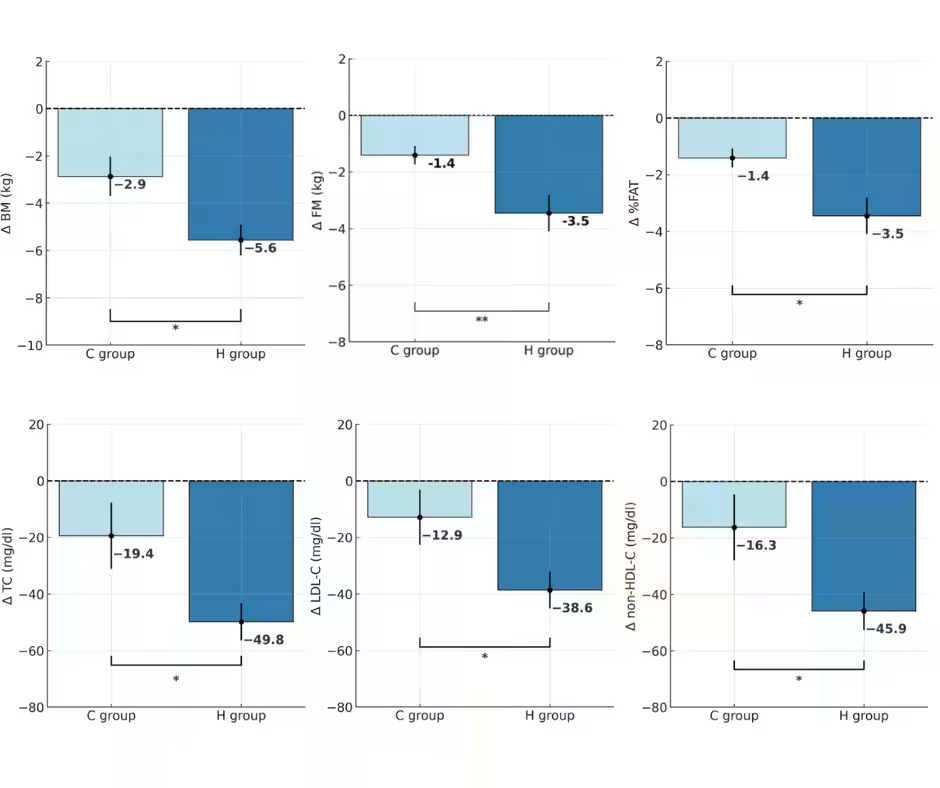
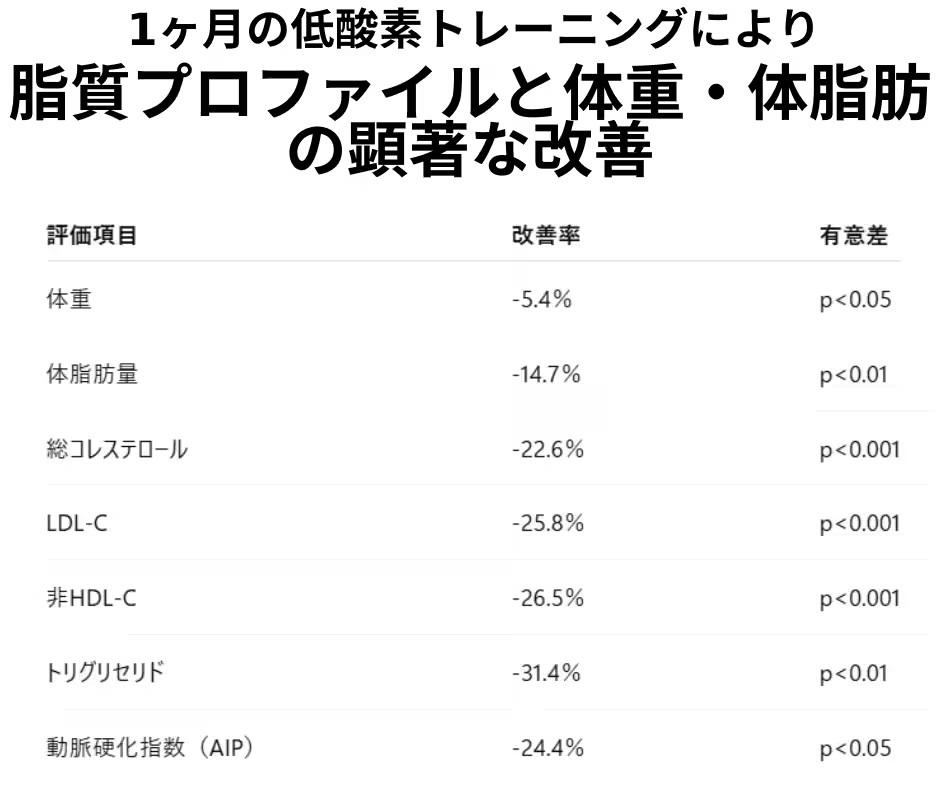
Over just a month of undergoing hypoxic training, participants in the hypoxic group achieved a 5.4% reduction in body weight compared to a mere 2.6% in the control group. Notably, the hypoxic training group showed reductions of 22.6% in total cholesterol and 25.8% in LDL cholesterol, alongside significant decreases in triglycerides. Additionally, the atherosclerosis index (AIP) improved substantially in the hypoxic group, further emphasizing the approach's potential benefits for metabolic health.
The Need for Non-Pharmaceutical Interventions
As lifestyle diseases become more prevalent, the importance of finding new and effective non-drug interventions is critical. According to the Ministry of Health, Labour and Welfare, about one-third of Japanese adults are considered hypercholesterolemic, particularly those who are overweight or obese. Addressing this issue is vital not only for individual health but also to mitigate rising healthcare costs associated with chronic diseases.
Conventional approaches often include dietary changes and exercise; however, many individuals struggle to see adequate improvements due to challenges such as limited time for workouts or insufficient results from existing methods. Consequently, there is a pressing demand for shorter, manageable forms of exercise that can yield significant health benefits—enter hypoxic training.
An Innovative Approach to Wellness
Hypoxic training is gaining traction as an innovative addition to wellness routines, providing a unique option for people who find it challenging to adhere to longer, more strenuous workout regimens. Research indicates that even moderate, brief exercise in a low-oxygen environment can help regulate blood sugar levels effectively, appealing to busy individuals seeking improved metabolic health without extensive time commitments.
Conclusion
The implications of hypoxic training are vast, offering new avenues for improving lipid profiles and body composition while also making exercising more accessible for busy individuals. As this area of research continues to expand, it’s plausible that hypoxic training may soon become a standard part of non-pharmaceutical interventions for metabolic disorders. The promising findings advocate for a shift in how we view exercise, especially in relation to health targets, underscoring that wellness doesn't merely stem from effort but can be significantly influenced by informed choices.
References
- - Jędrzejewski E, et al. Hypoxic Training with Calorie Restriction Improves Lipid Profile and Body Composition in Men with Obesity-Related Hypercholesterolemia: A Controlled Intervention Study. International Journal of Molecular Sciences. 2025 Nov 14.




Topics Health)
【About Using Articles】
You can freely use the title and article content by linking to the page where the article is posted.
※ Images cannot be used.
【About Links】
Links are free to use.