



Navigating the Challenges of Full-Time Work for Power Couples with Young Schoolchildren
Introduction
As the spring enrollment season arrives, the societal issue of the "1st grader wall" has come into focus. With the increasing number of dual-income households, the challenge of balancing work and parenting has become more pressing. Even among power couples, who are often financially stable and informed, some have found it challenging to maintain full-time positions after their children enter elementary school. This is a significant issue that companies cannot ignore, particularly from the perspective of human capital investment. However, specific barriers and workplace conditions required to maintain full-time jobs remain under-researched. To address this gap, LOBBY, a domestic services company based in Shinjuku, Tokyo, conducted a survey titled "Power Couples and the '1st Grader Wall.'"
Survey Background
The survey targeted power couples, defined as couples with a household income exceeding 15 million yen, who are raising elementary school children. It aimed to uncover the changes in work habits, parenting challenges, and the workplace environments required for maintaining full-time employment following their child’s enrollment in elementary school.
Key Findings
According to the survey, approximately 75% of power couples reported no changes in their working patterns when their children started elementary school. The challenges that emerged as their children entered school primarily included securing time for homework help and finding suitable care during long school breaks. Interestingly, over 15% reported a decrease in household income due to changes in work patterns associated with their child's school enrollment. The main obstacles for parents who did experience changes in work patterns included difficulties in responding to sudden emergencies concerning their children and a lack of flexible working hours.
Work Pattern Changes
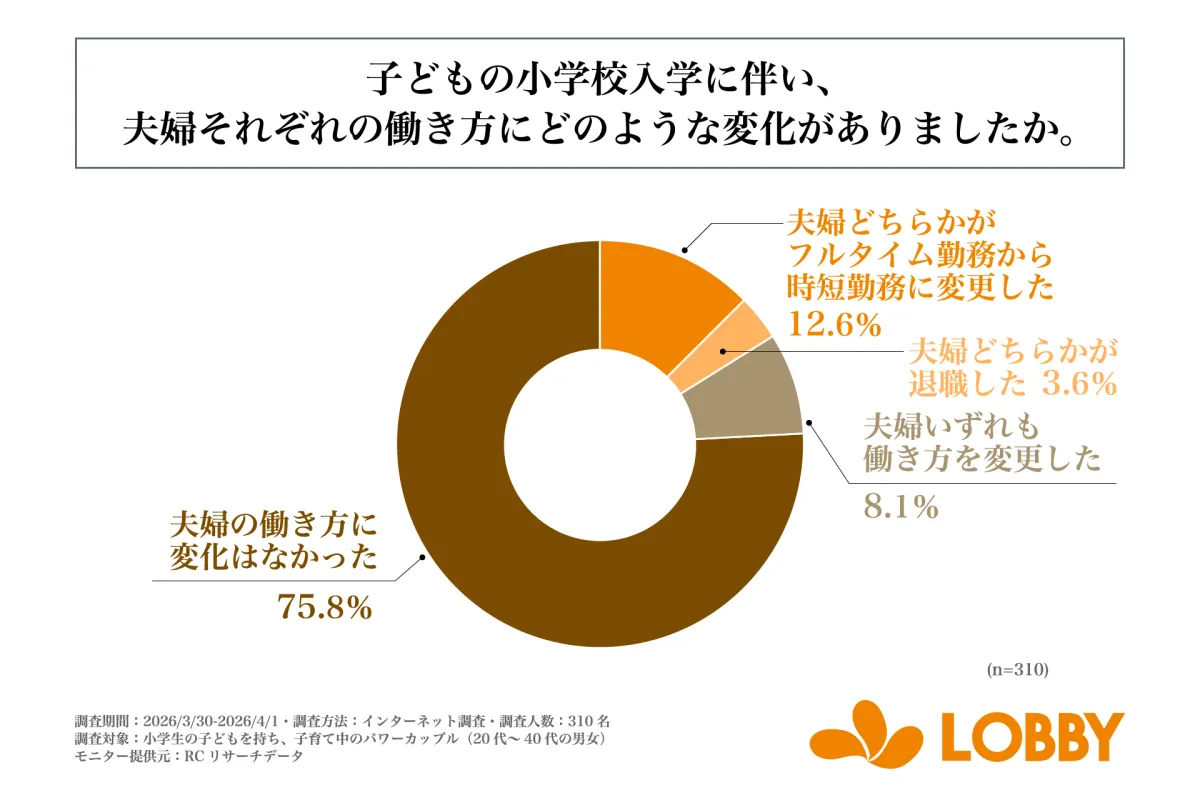
1. No Change: A striking 75.8% of respondents said there were no alterations in how they worked following their child's school entry.
2. Shift to Part-Time: Approximately 12.6% of couples saw one partner change from full-time to part-time work.
3. Both Change: 8.1% reported modifications in both partners’ employment styles.
4. Resignation: 3.6% noted that one partner left their job altogether.
This indicates that while a significant majority of power couples continued their existing work styles, around 25% made adjustments due to their child's entrance into elementary school.
Parenting Challenges
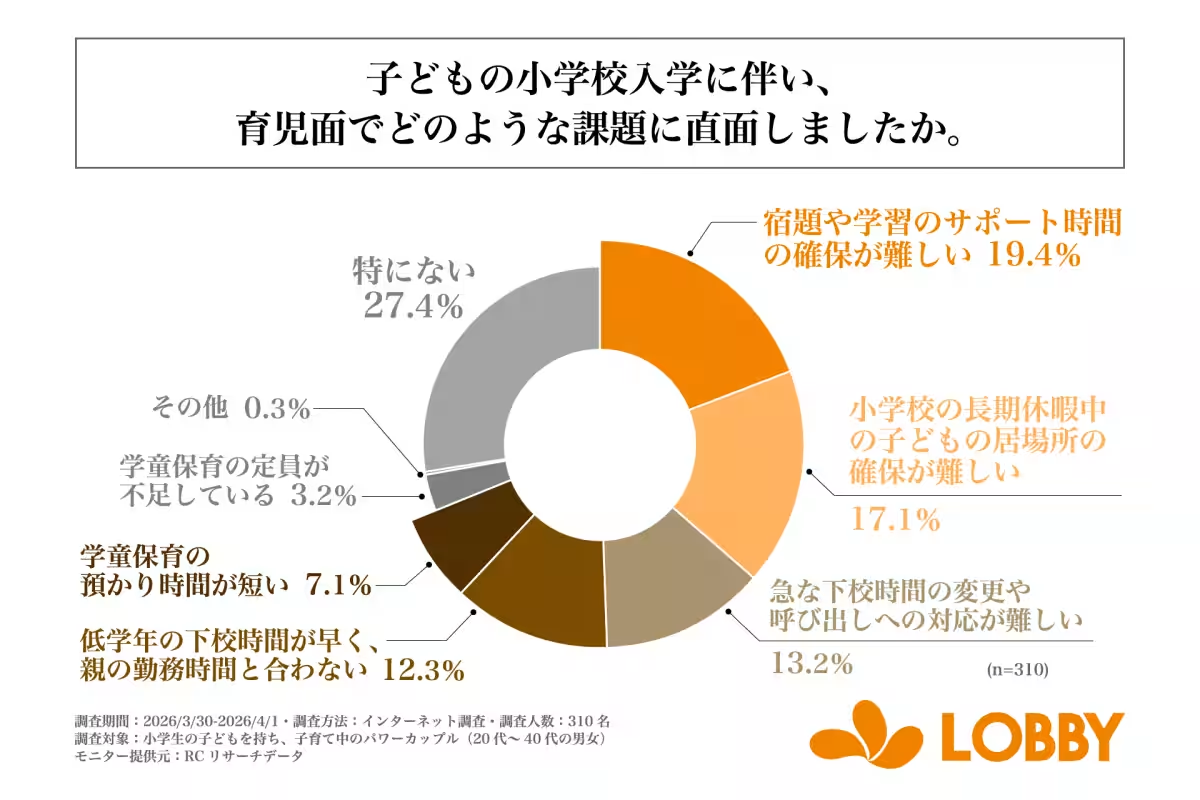
Regarding parenting difficulties arising from the school transition, 27.4% indicated they faced no issues at all, while the primary challenges included:
- - Homework assistance: Securing time for homework support was difficult for 19.4% of respondents.
- - Long Breaks: 17.1% struggled to find suitable activities or supervision during extended school vacations.
Impact on Income
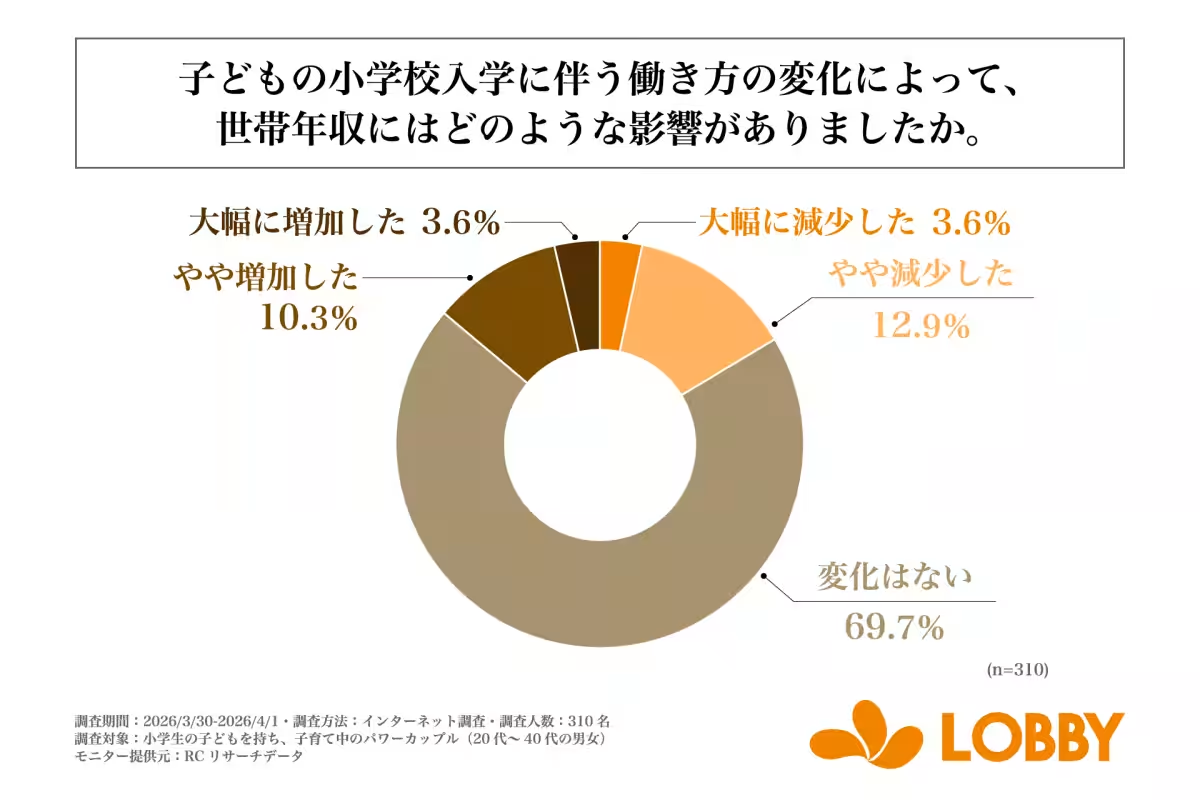
On the financial front, when asked about the impact of work changes associated with their child's school enrollment, a majority—69.7%—indicated no change in their household income. However, 12.9% reported a slight decrease, and 3.6% faced a considerable income reduction as a direct result of these changes.
Barriers to Continuing Full-Time Work
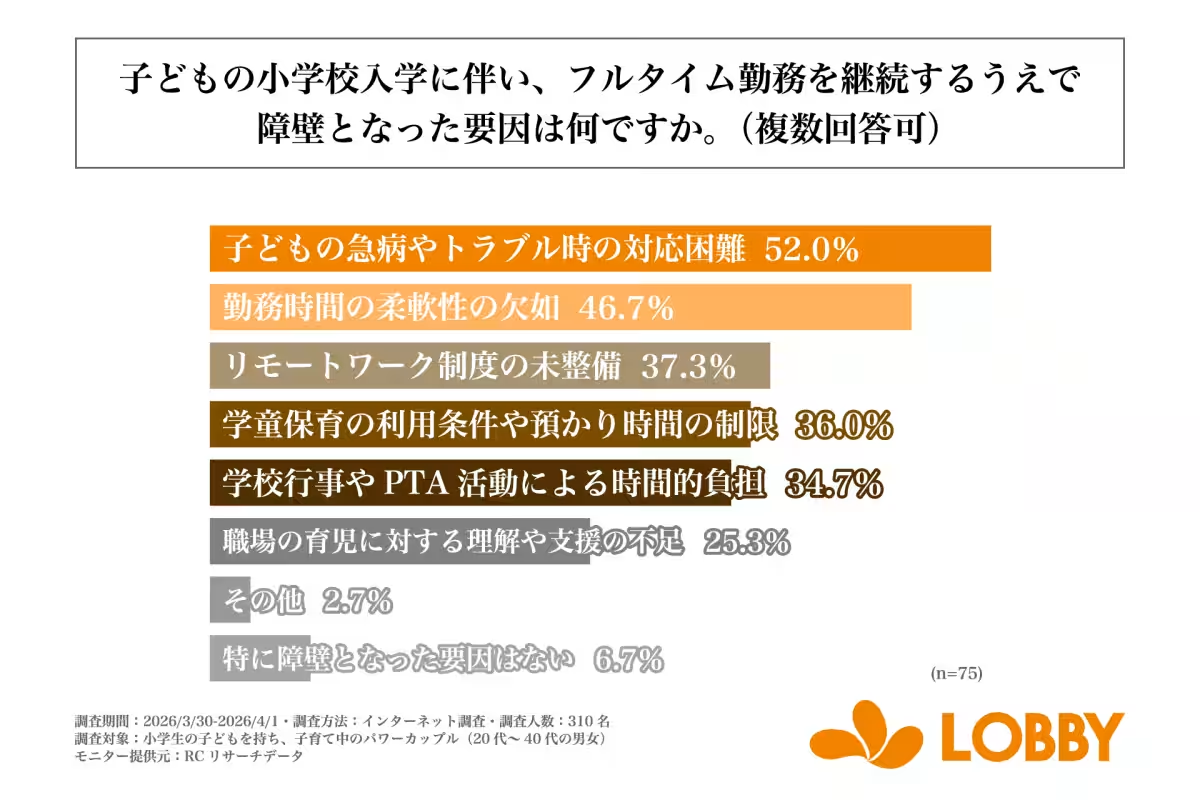
For couples who did change their work style, the most significant barriers to continuing full-time employment included:
1. Child Emergencies: Difficulty in dealing with children’s sudden illnesses or problems (52.0%).
2. Lack of Flexible Hours: Limited flexibility in working hours was reported by 46.7%.
3. Absence of Remote Work Policies: 37.3% of respondents faced challenges due to inadequate remote work arrangements.
Desired Workplace Flexibility
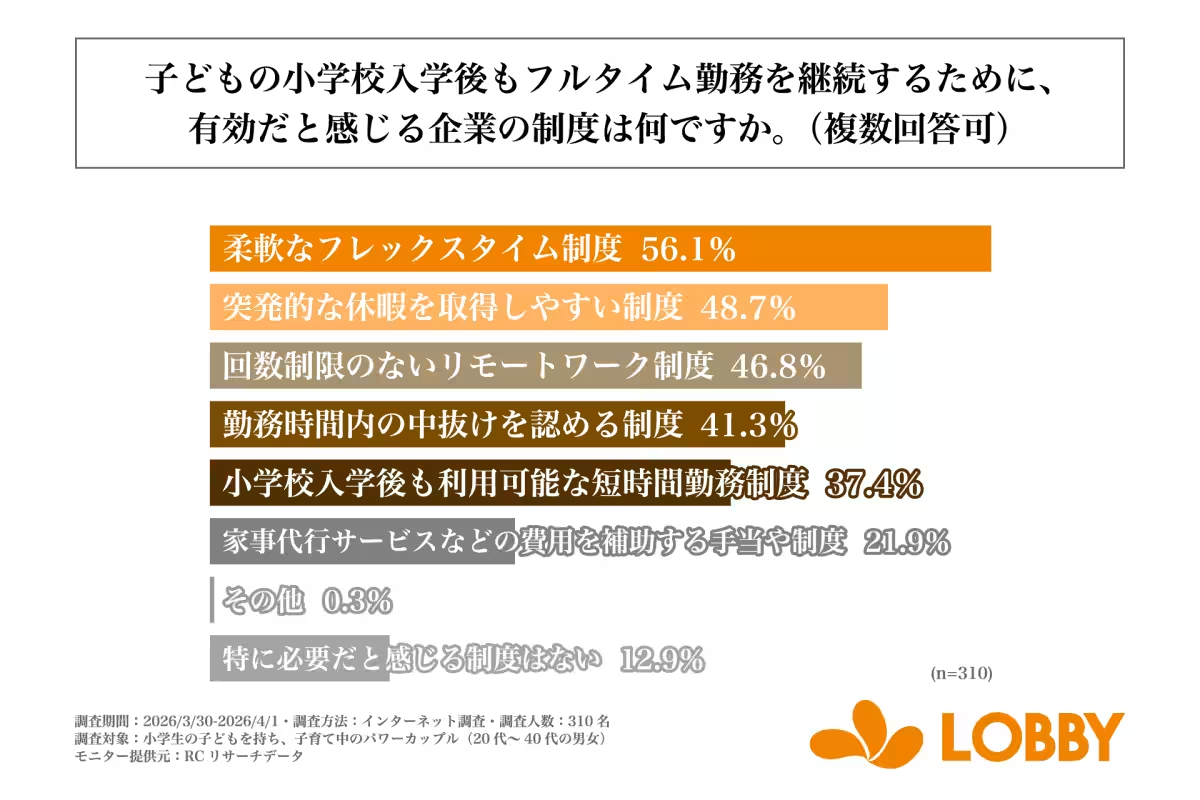
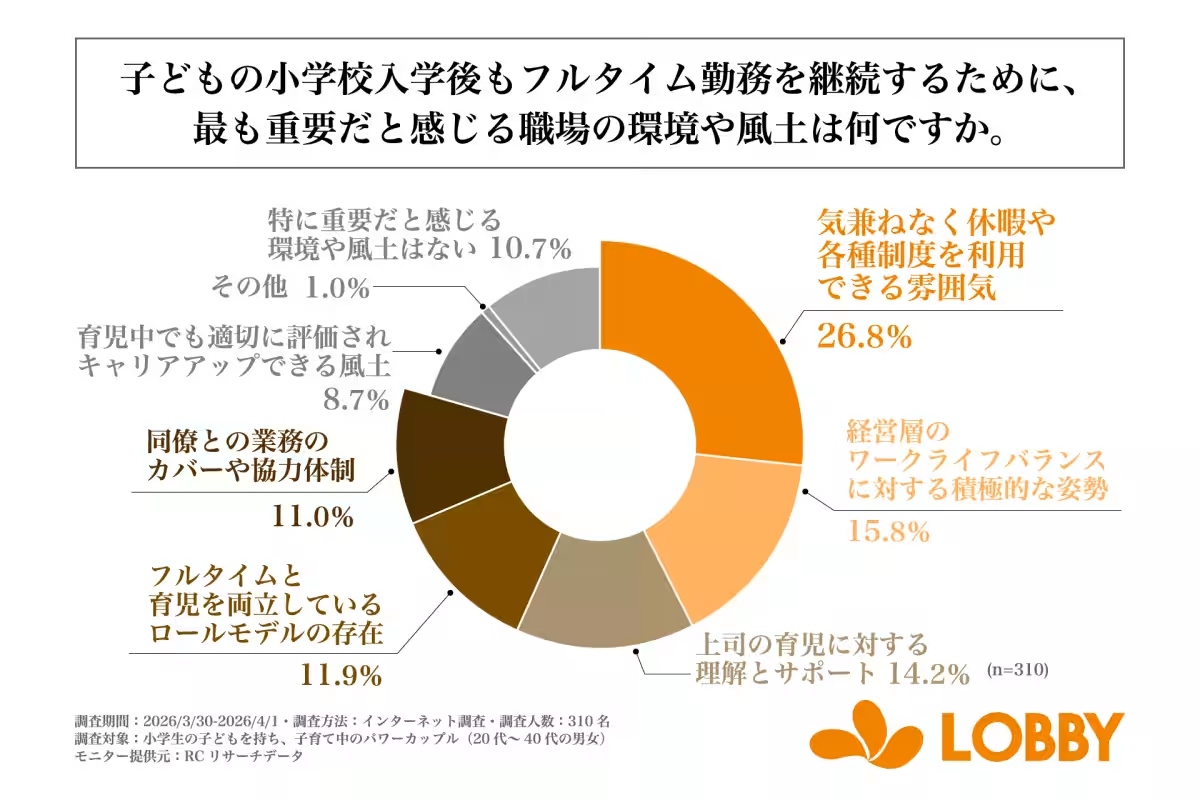
Interestingly, over 55% of responding power couples believe that a flexible work schedule, particularly through flextime arrangements, is crucial for maintaining their professional commitments post their child’s school enrollment. Additionally, a comfortable atmosphere where taking leave and utilizing various corporate systems without hesitation was highlighted as vital.
Conclusion
The survey demonstrates that while the majority of power couples encounter minimal disruption in their work-life balance when their children start school, many still face significant challenges. To alleviate these issues, LOBBY offers high-quality domestic services catering to affluent families. Their approach provides individual care suited to each family’s needs, ensuring that busy power couples can balance their professional and domestic duties effectively. In doing so, LOBBY contributes to creating a society where power couples can thrive in both their careers and parenting.
About LOBBY
Founded by Takahito Tsushima, LOBBY has revolutionized domestic services for affluent families in Japan since 2006. The company aims to provide families with the option to delegate household tasks, ensuring a balanced and supportive environment for both work and parenting. For more details, visit LOBBY's website.


Topics People & Culture)





【About Using Articles】
You can freely use the title and article content by linking to the page where the article is posted.
※ Images cannot be used.
【About Links】
Links are free to use.