




Exploring the Realities of Fertility-Related Erectile Dysfunction: Causes and Insights
Understanding Fertility-Related Erectile Dysfunction
In an unprecedented investigation into the psychological impacts of fertility treatments on men's health, Fit Clinic of Shibuya, Tokyo, recently conducted a survey involving 100 men who have experienced erectile dysfunction (ED) during their fertility journey. Known as fertility ED, this condition often emerges under significant emotional strain and pressure, becoming a critical concern for many couples trying to conceive.
Key Findings from the Survey
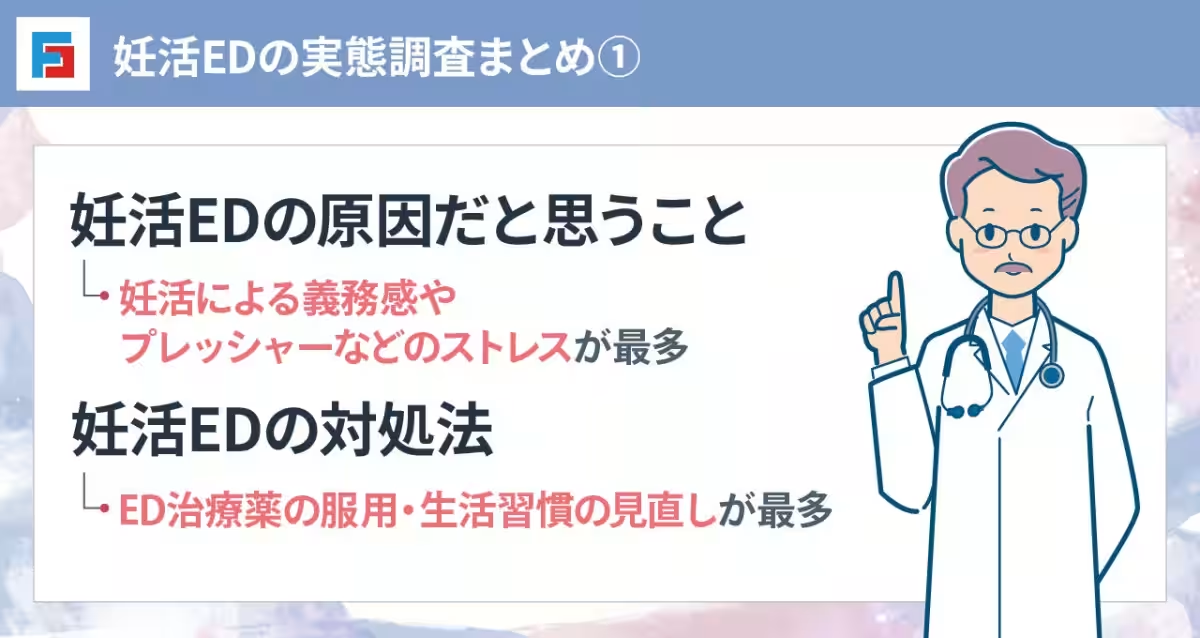
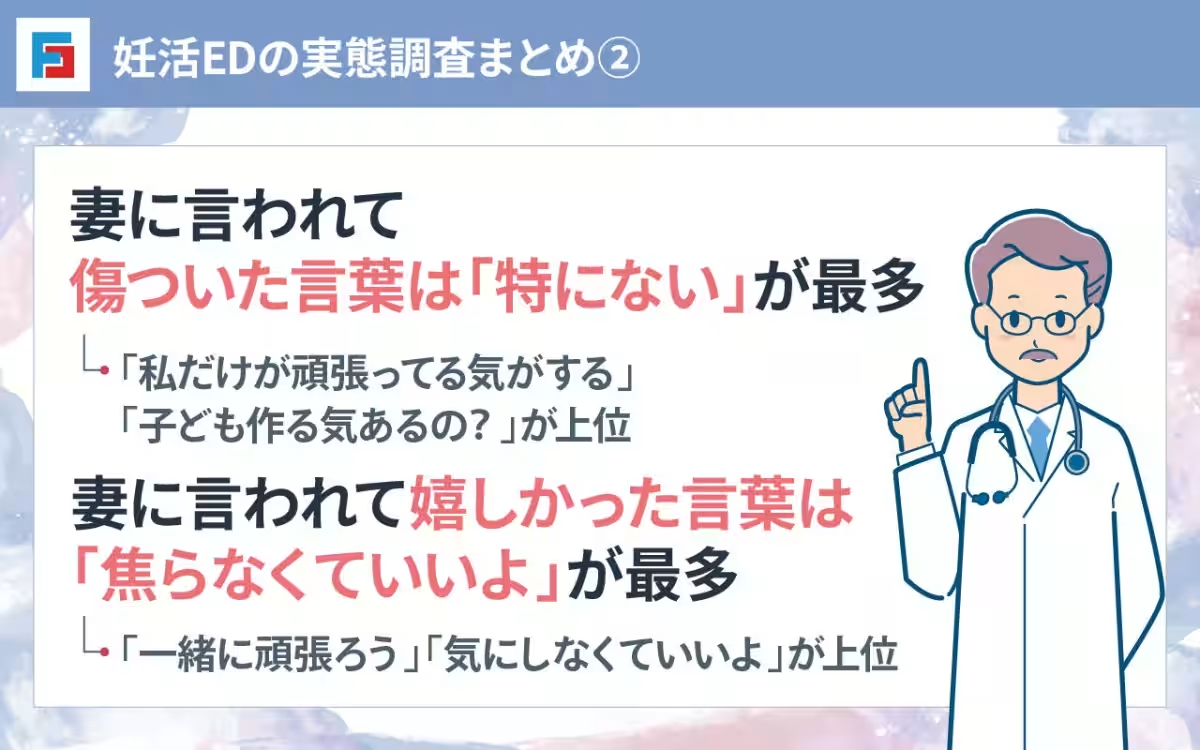
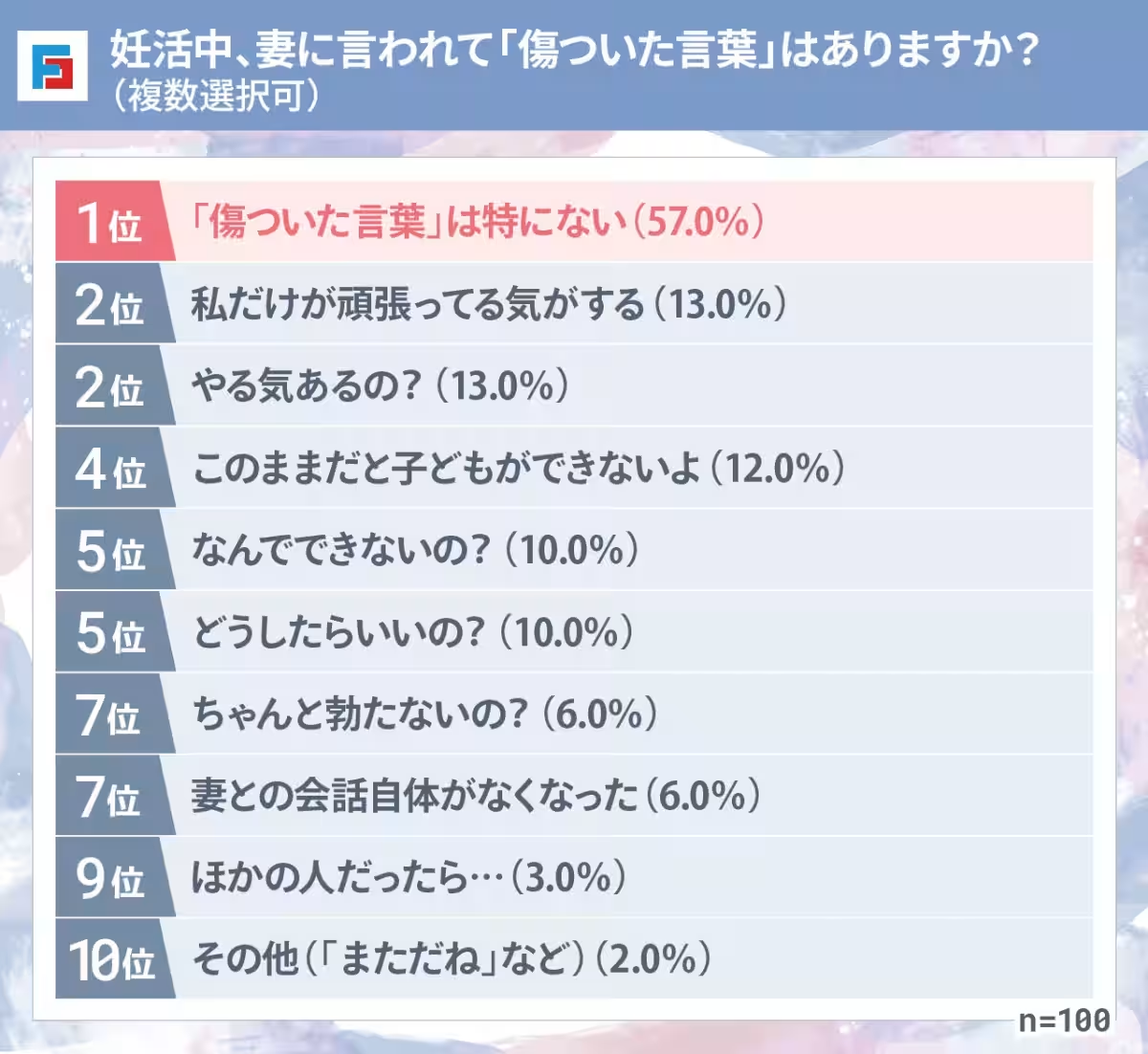
The results indicate that the primary trigger for fertility-related ED was duty and pressure associated with infertility, echoing the struggles within many couples. Interestingly, more than 50% of the respondents noted that there were no hurtful words from their wives during this challenging time. This suggests a complex interplay of external and internal pressures affecting these men, where even the absence of negative comments cannot fully mitigate the stress experienced.
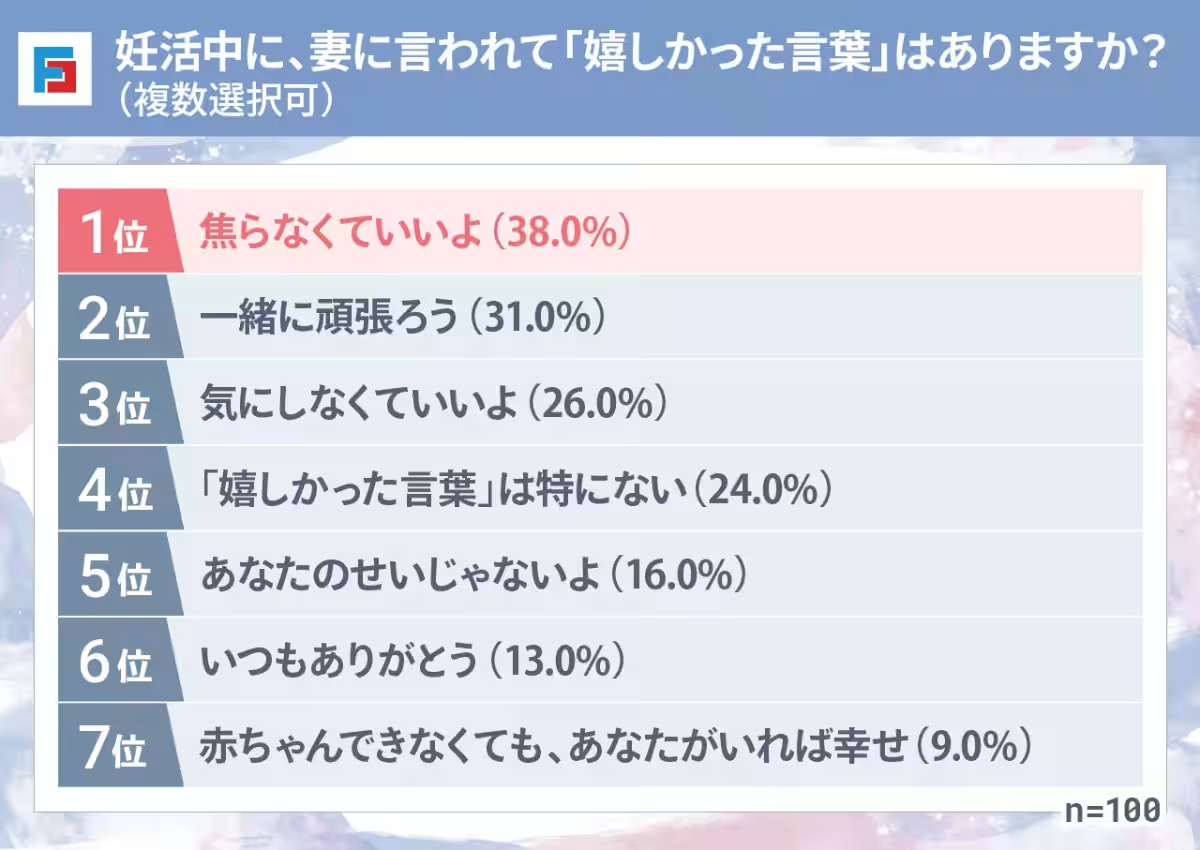
Furthermore, the most comforting phrase a wife could say during this period was “You don’t have to rush.” This highlights the necessity for supportive communication within relationships, which seems to alleviate some of the psychological burdens.
The Current Landscape of Fertility and ED
As marriage age rises and fertility treatment durations extend, many men find themselves confronting heightened psychological pressures. The delicate timing of intercourse during fertility attempts can exacerbate these feelings, leading to a concerning rise in erectile dysfunction cases.
With the inclusion of ED treatment medications such as Viagra and Cialis under health insurance since 2022, awareness of such options remains low, further complicating the situation for men trying to navigate fertility challenges.
When Do Symptoms Occur?
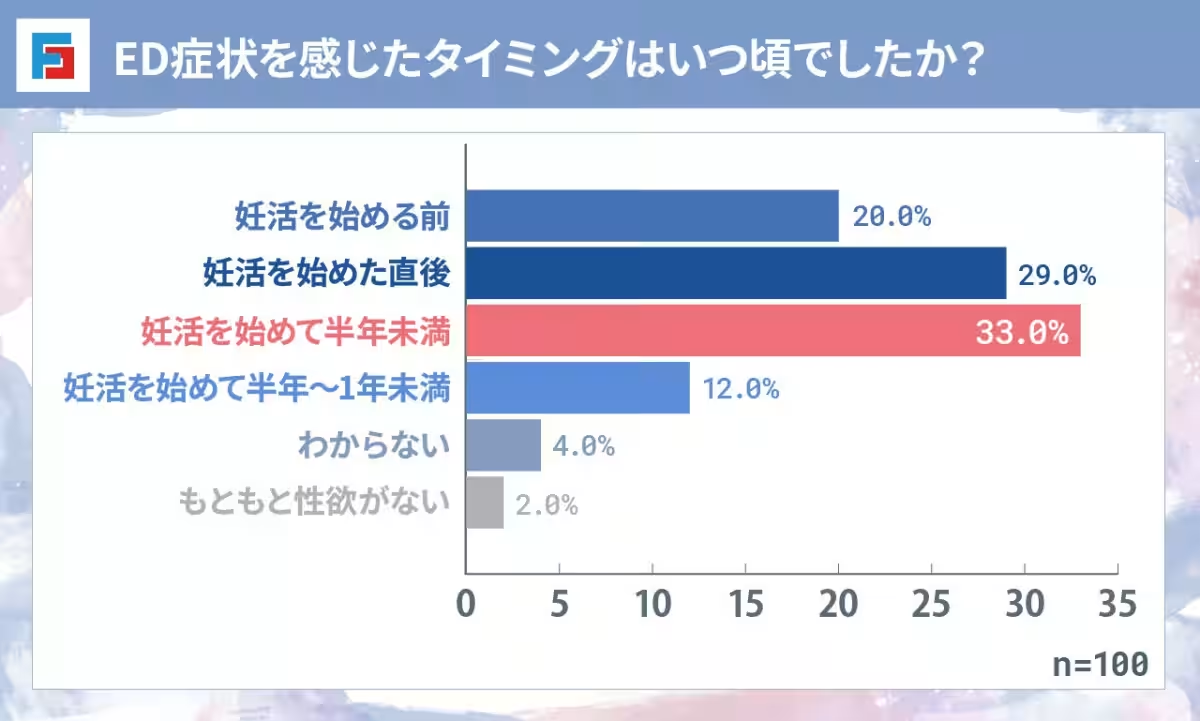
Survey results revealed that about 30% of men noticed ED symptoms within the first six months of trying to conceive. This marks a crucial period where emotional and psychological strains are at their peak, pointing to the necessity for mental health support in fertility treatments.
Various Causes of ED
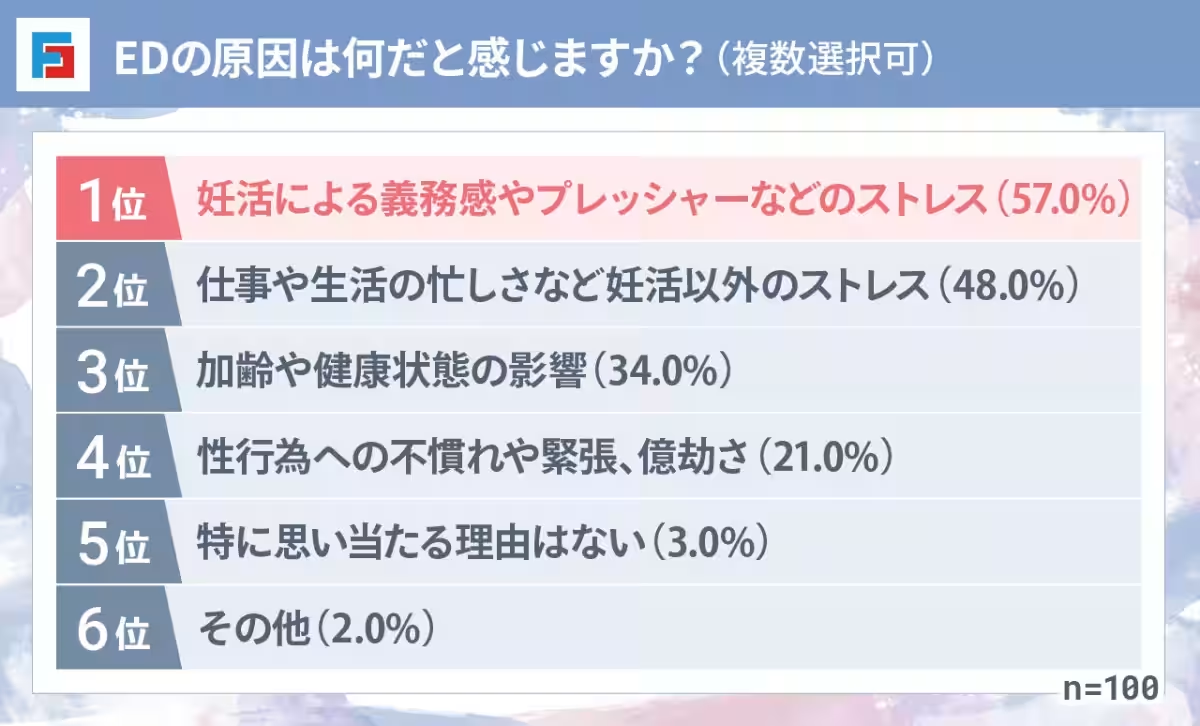
The leading factor contributing to ED as reported in the survey was stress stemming from the duty and pressure of fertility. Other contributors included work-related stress and health factors, indicating that multiple factors converge to influence this condition.
Treatment Approaches
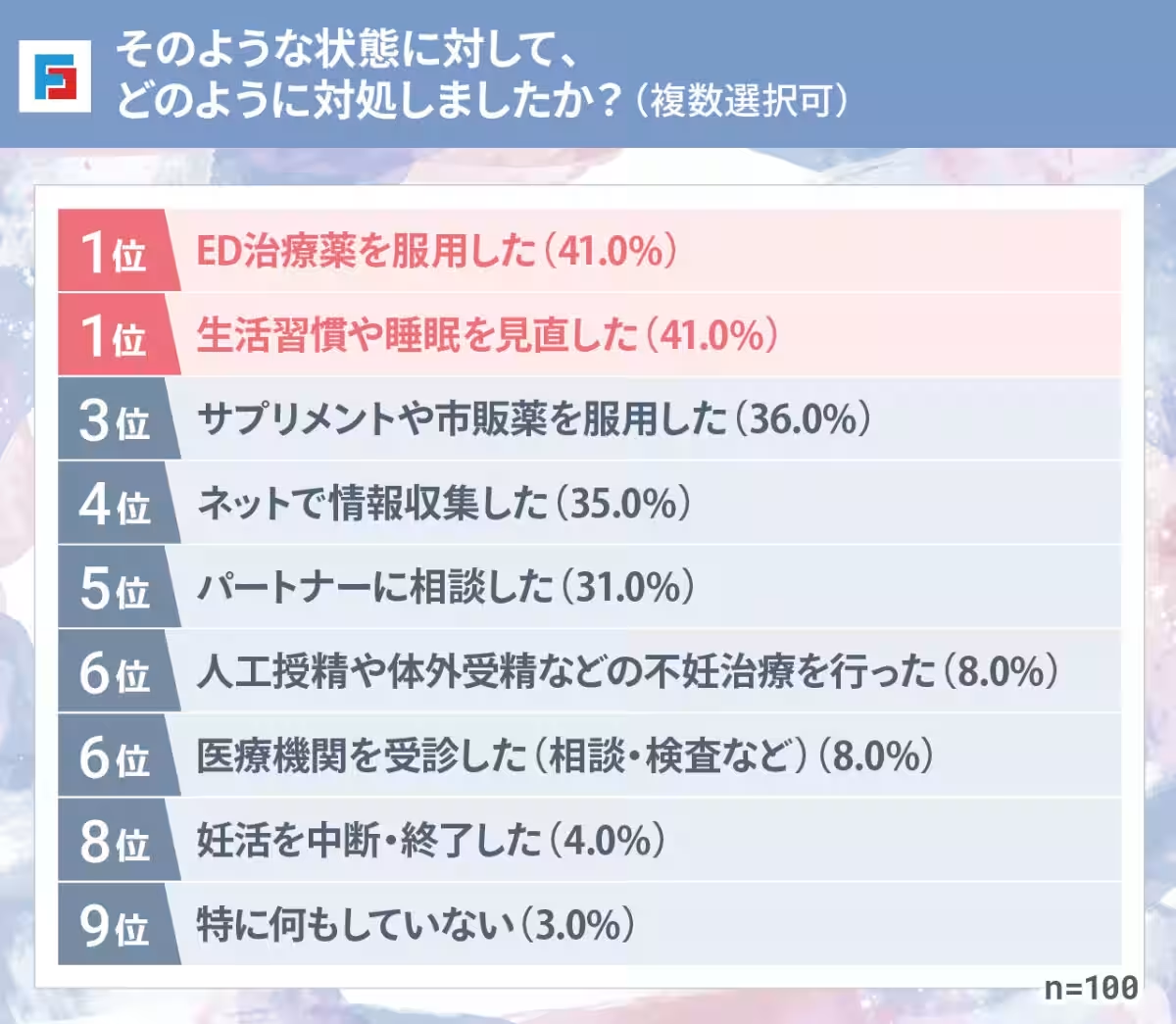
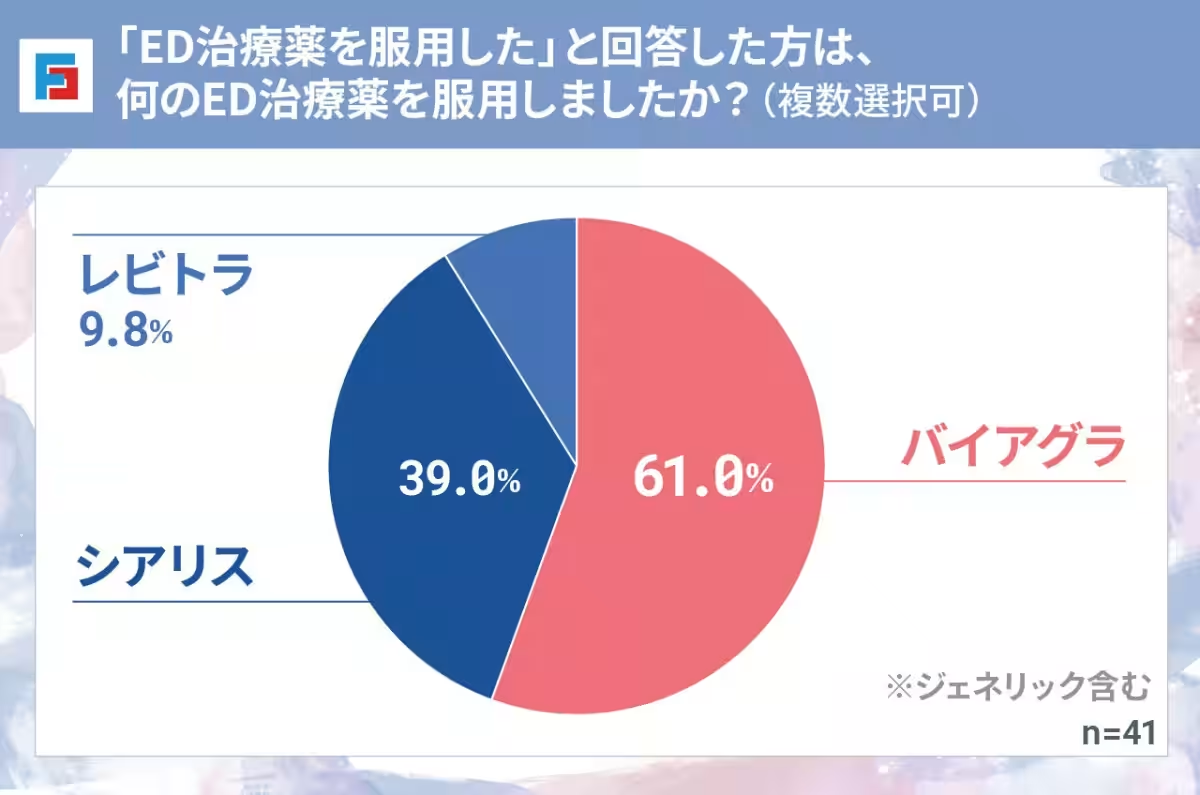
When responding to ED symptoms, many men turned to medication or healthier lifestyle choices to combat their difficulties. The survey revealed that the most popular treatment methods included consulting on ED medications and improving lifestyle habits. Medicinal support was primarily sought through widely recognized drugs like Viagra, with a noticeable preference for this brand.
Insurance Awareness and Utilization
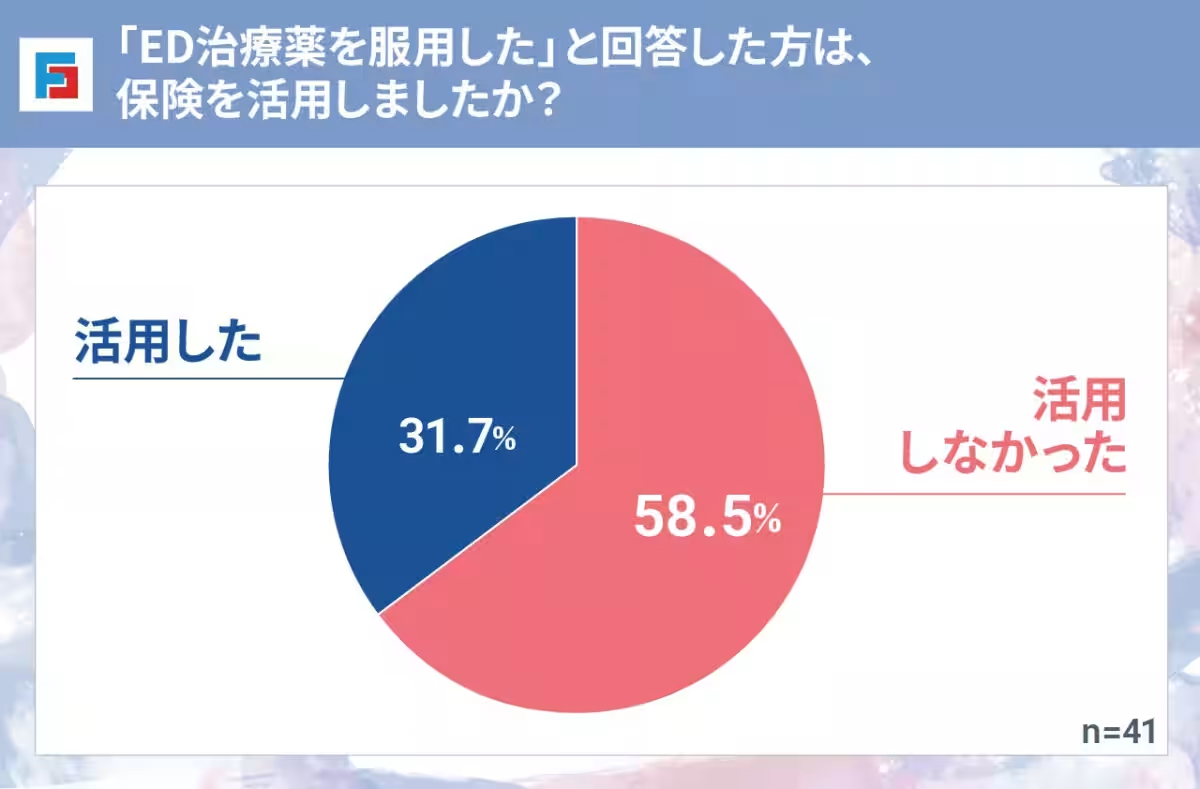
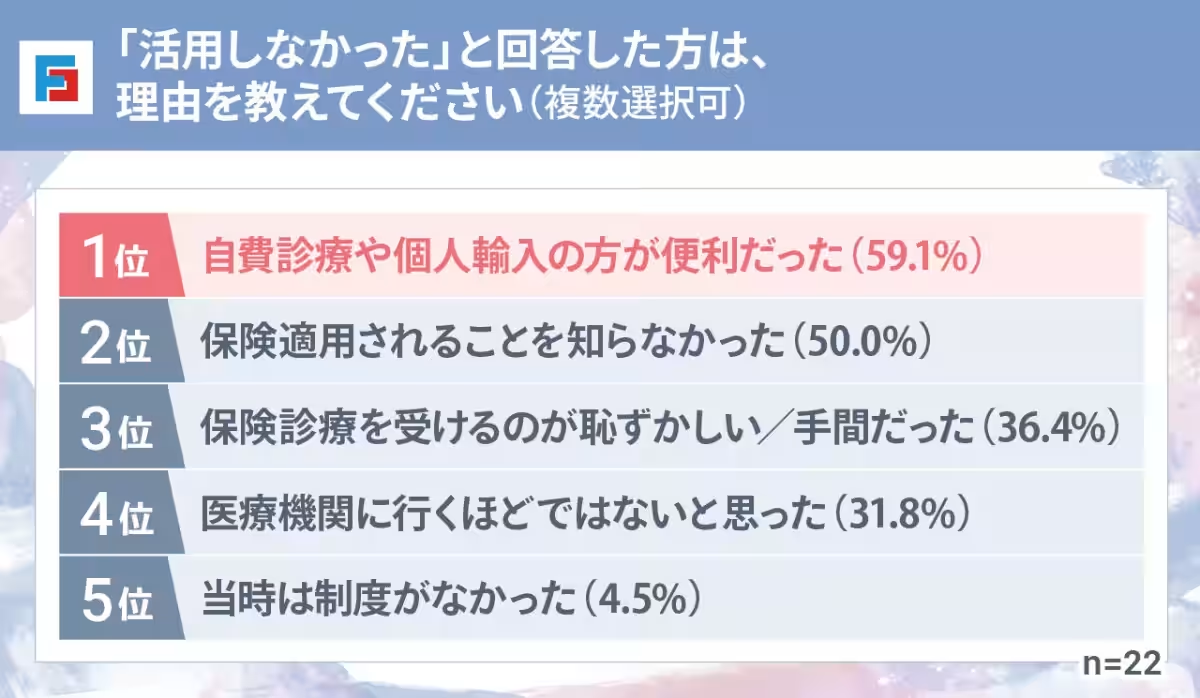
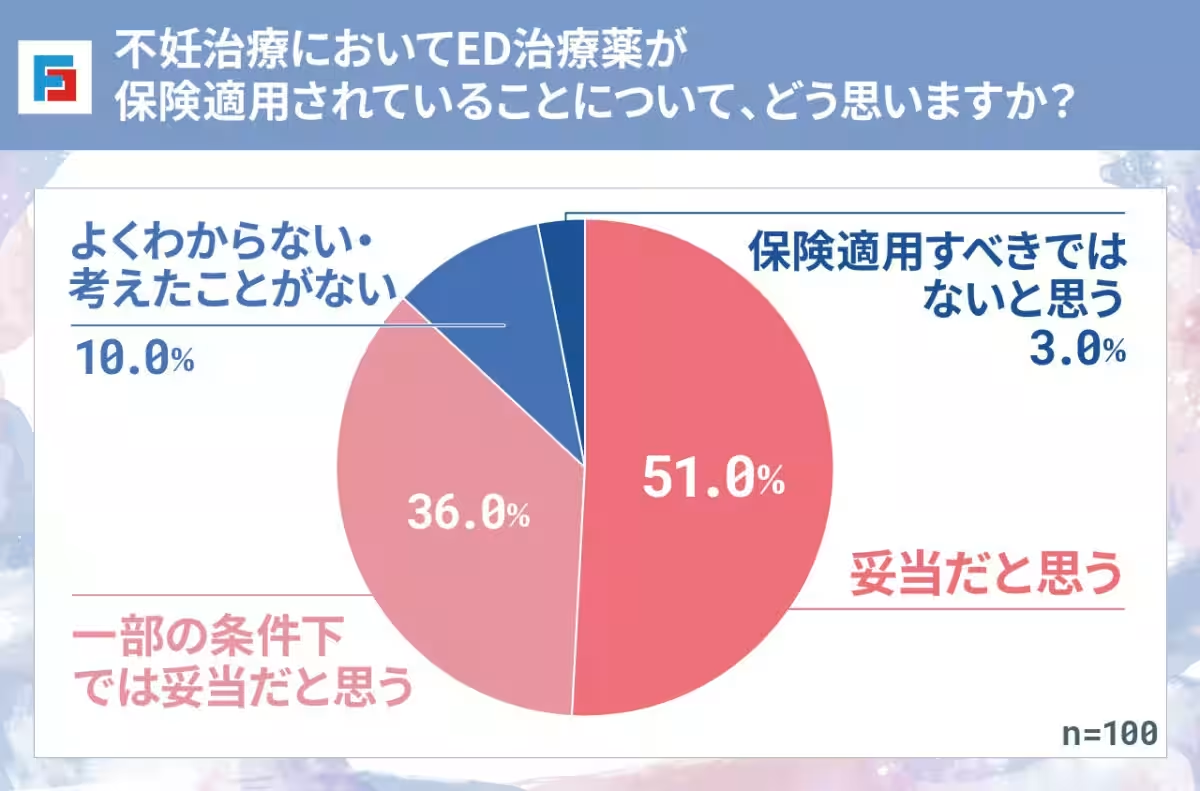
Despite the availability of insurance coverage for ED medications, only about 30% used these benefits. The barriers to utilization primarily stem from a lack of knowledge about the coverage and concerns regarding stigma or inconvenience of the insurance process. Notably, nearly 90% of respondents viewed insurance coverage for ED medications as appropriate, emphasizing the need for better awareness of these services.
Symptoms Continuing Beyond Fertility Treatment
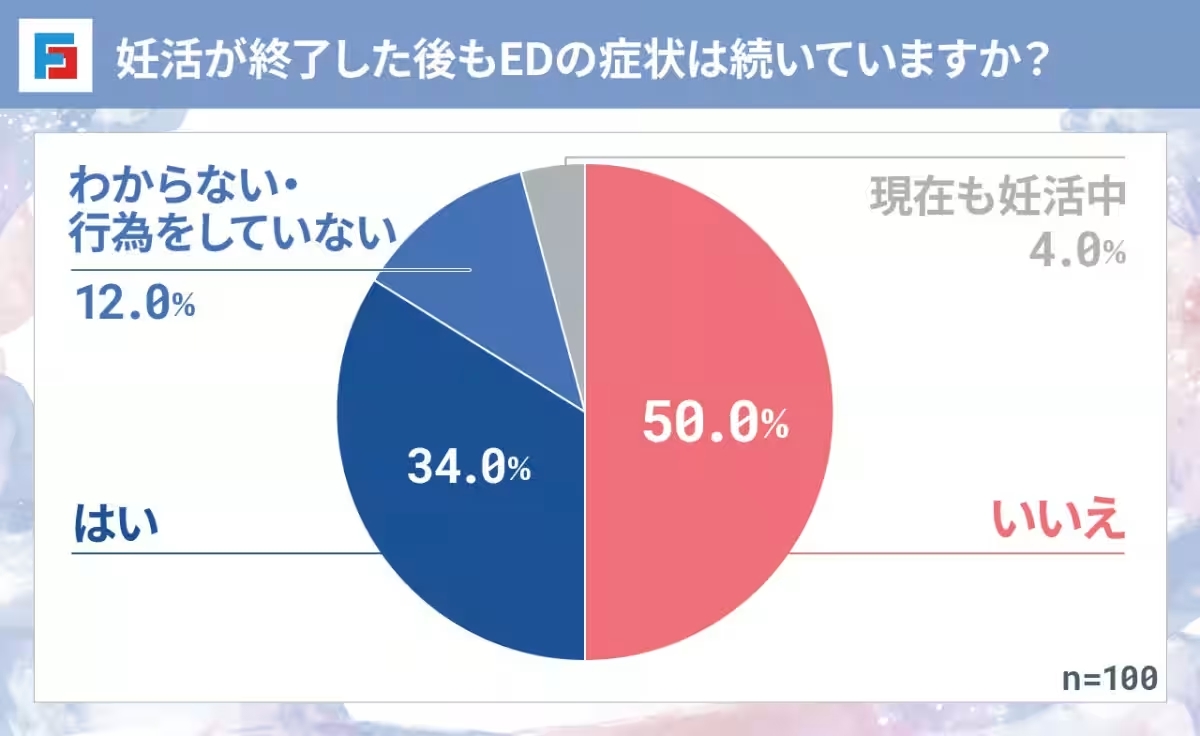
After the cessation of fertility treatments, a striking 30% of men continued to experience ED symptoms, indicating that the journey does not always end with the fertility process, and further support may be necessary.
Desired Information and Communication
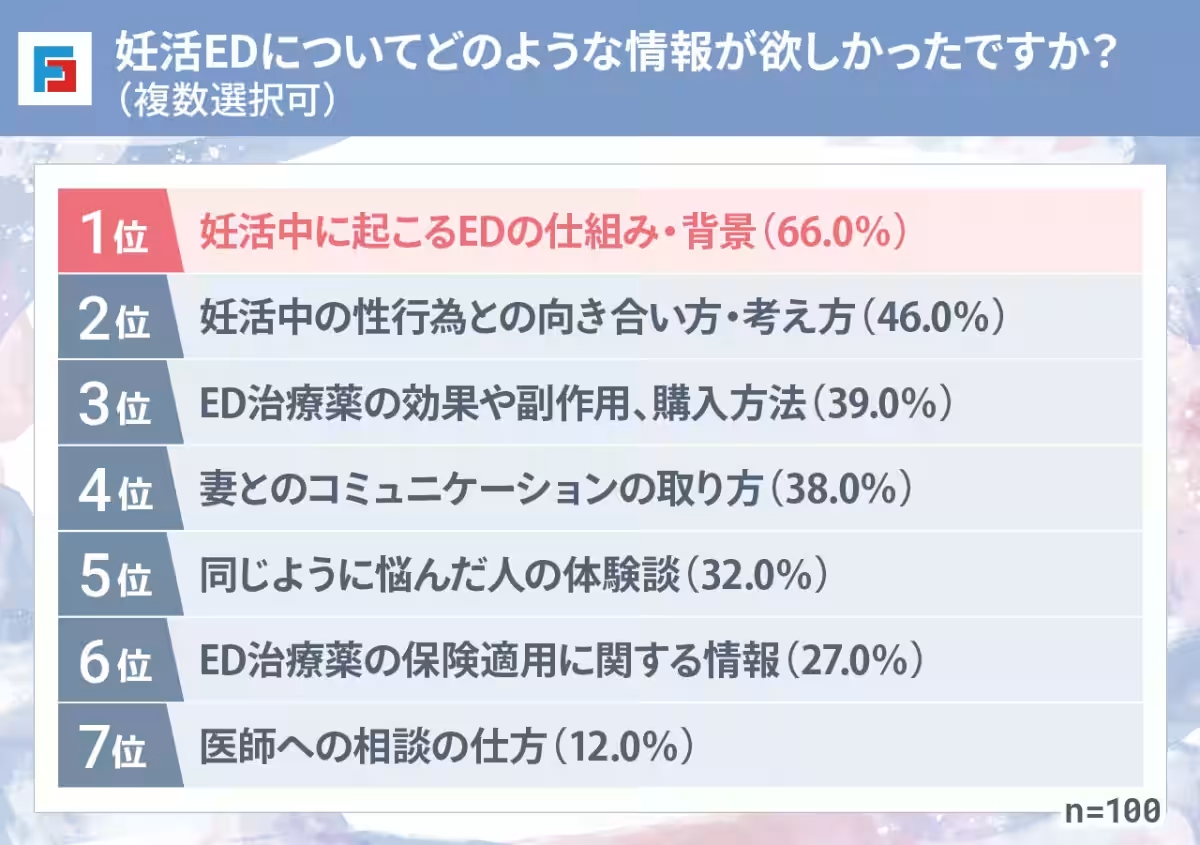
Many survey participants expressed a desire for more comprehensive information about the mechanisms behind fertility ED, tips on healthy sexual relationships during treatment, and the benefits and side effects of ED medications. This desire for understanding clearly reflects the anxiety and uncertainty men face during these fertility journeys and underscores the need for accessible education and open dialogue.
Supportive Communication – A Key Takeaway
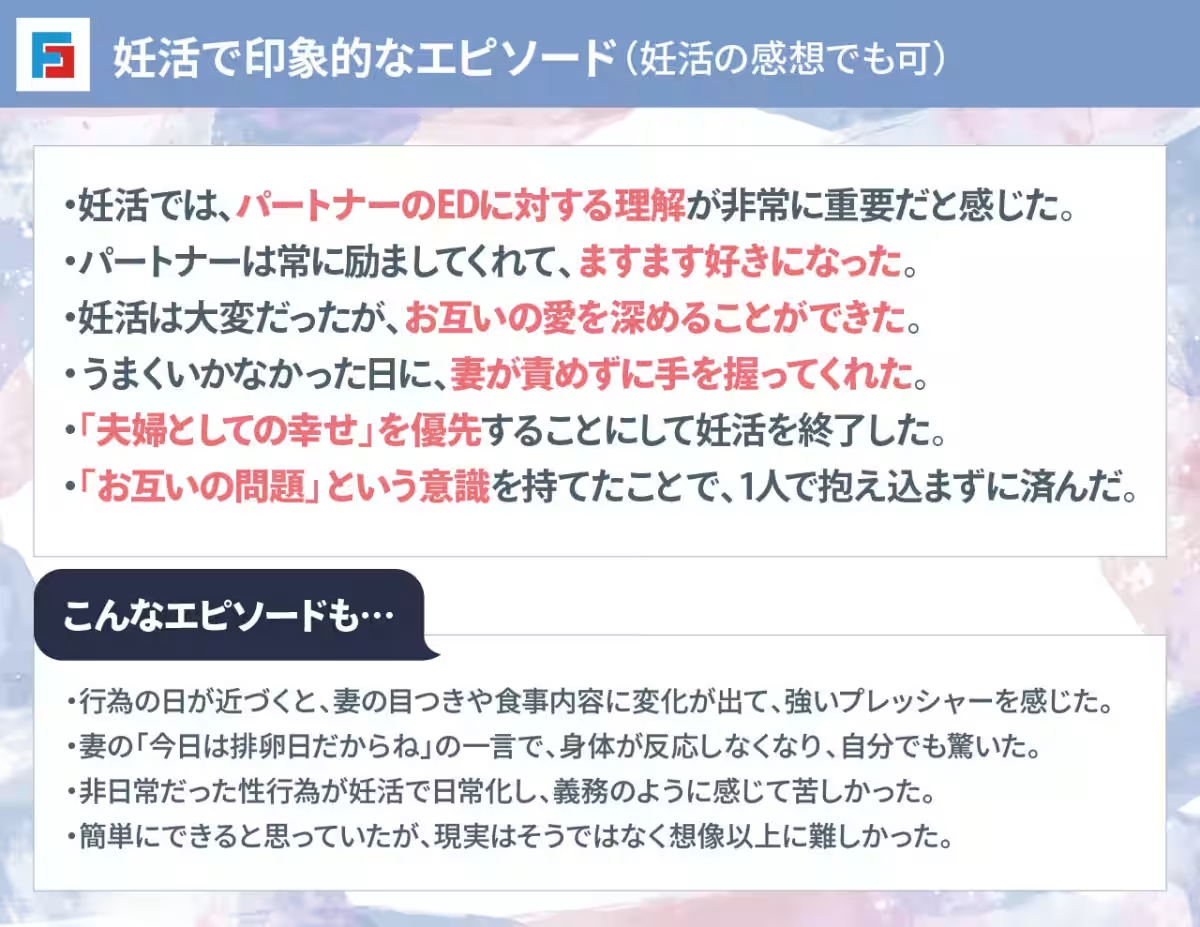
Supportive and reassuring words from partners emerged as pivotal during this journey. The phrase “You don’t have to rush” resonated positively, illustrating an essential element of empathy and understanding needed in tense times. Conversely, while many reported not being hurt by their wives' comments, some acknowledged feeling hurt by comments suggesting doubts about their efforts, highlighting the critical importance of sensitive communication during this vulnerable period.
The Psychological Burden
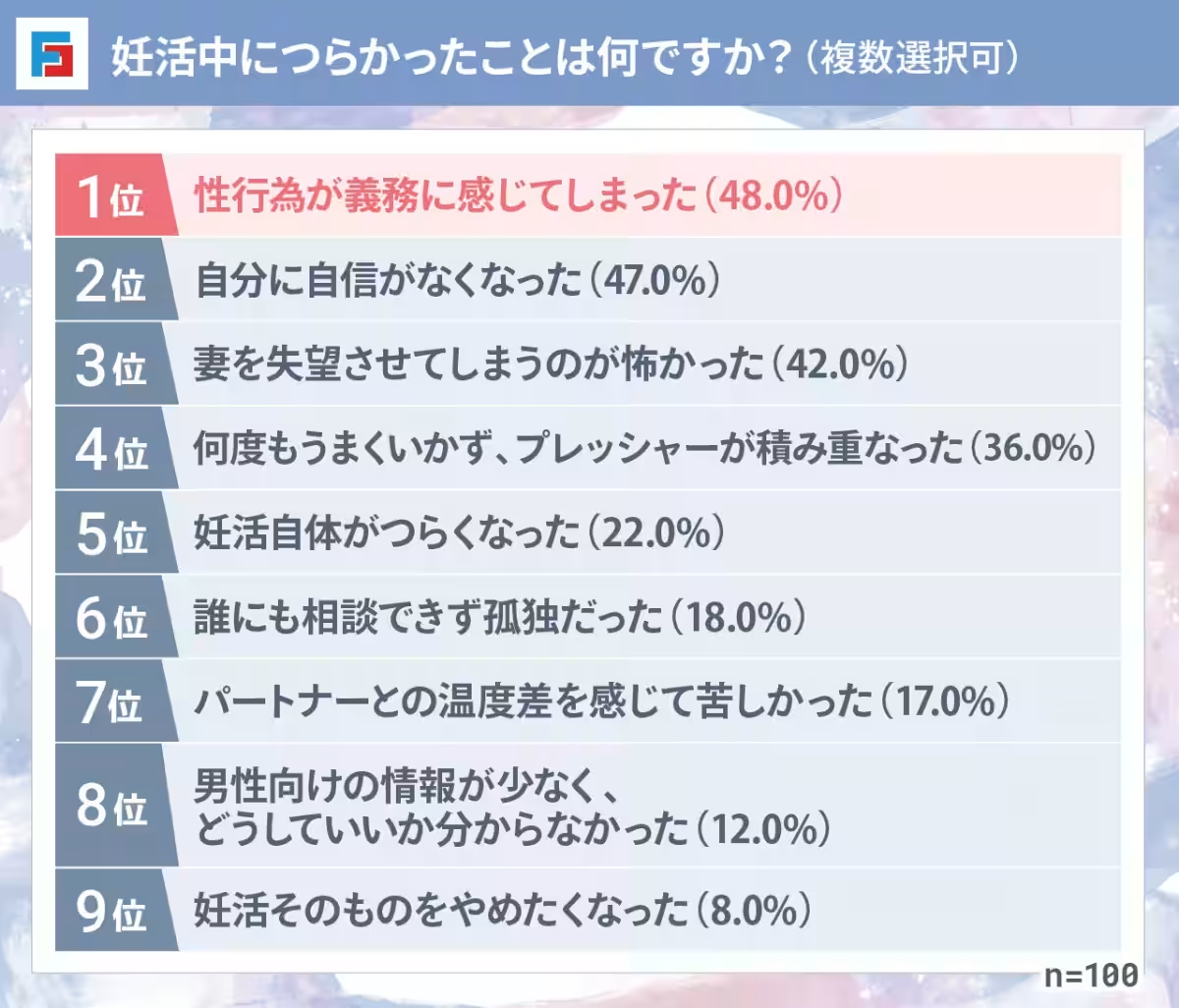
Survey findings prominently featured the feeling of sexual activity becoming a chore. Many men reported feelings of inadequacy, fearing they were disappointing their partners or losing their confidence. This emotional weight can be daunting, making the need for understanding and support pivotal.
Final Thoughts
From the insights gathered, it is evident that fertility ED is more than just a physical issue; it encompasses emotional and relational dynamics that require focused attention. As stated by director Keita Hattori of Fit Clinic, the nuanced communication and shared understanding between partners is vital for navigating these challenging times.
Fit Clinic remains committed to supporting individuals and couples navigating fertility-related ED through consultations and treatments, offering both convenience and discretion in their services. Moreover, ongoing education about the significance of mental health in conjunction with physical health during such sensitive journeys will be crucial for fostering resilience and understanding in future couples’ journeys.




Topics Health)
【About Using Articles】
You can freely use the title and article content by linking to the page where the article is posted.
※ Images cannot be used.
【About Links】
Links are free to use.