



Understanding the Challenges and Realities of Automotive Mechanics Job Changes
Understanding the Challenges and Realities of Automotive Mechanics Job Changes
The automotive maintenance industry has been grappling with a significant shortage of labor, leading to pressing issues surrounding not only hiring but also employee retention. According to a recent survey conducted by Mobiria Research Institute, a subsidiary of Proto Rios, the focus on retaining skilled automotive mechanics has never been more critical. This study surveyed 1,249 individuals who transitioned to automotive mechanics roles within the last three years, uncovering essential insights about their job-seeking experiences and the challenges they face.
The Driving Factors Behind Job Changes
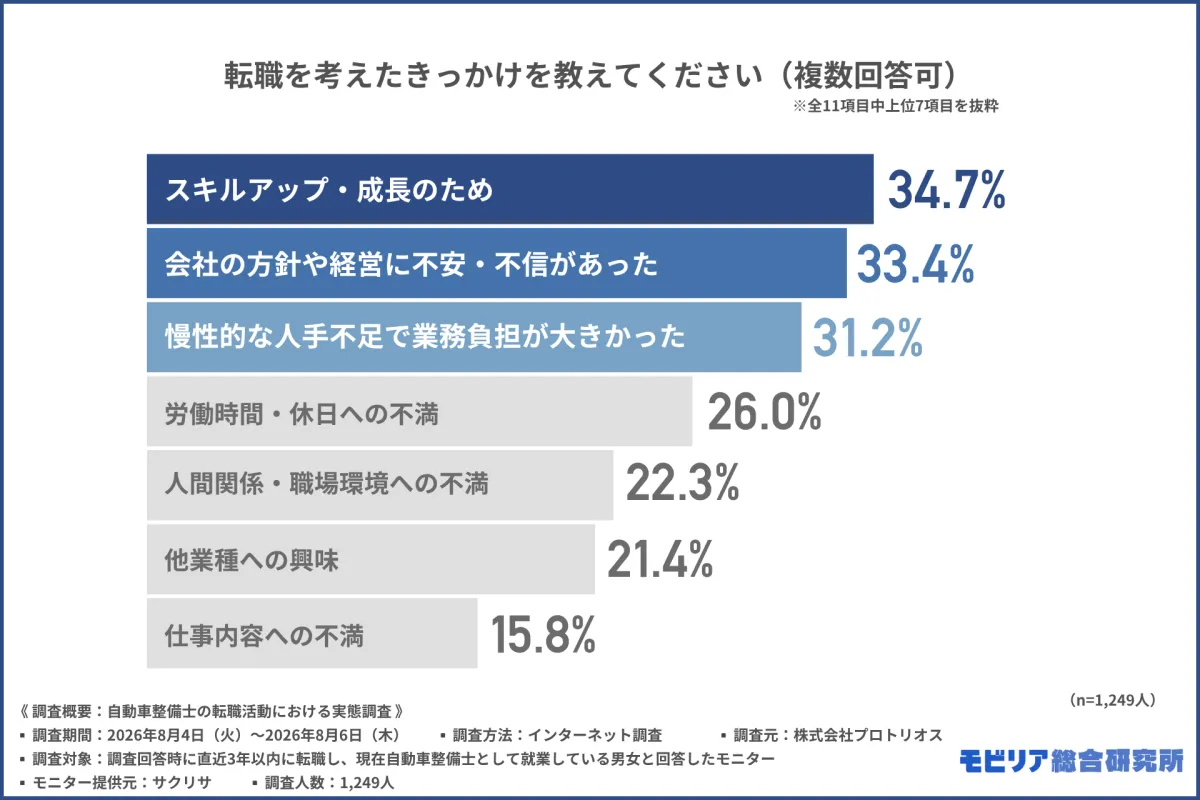
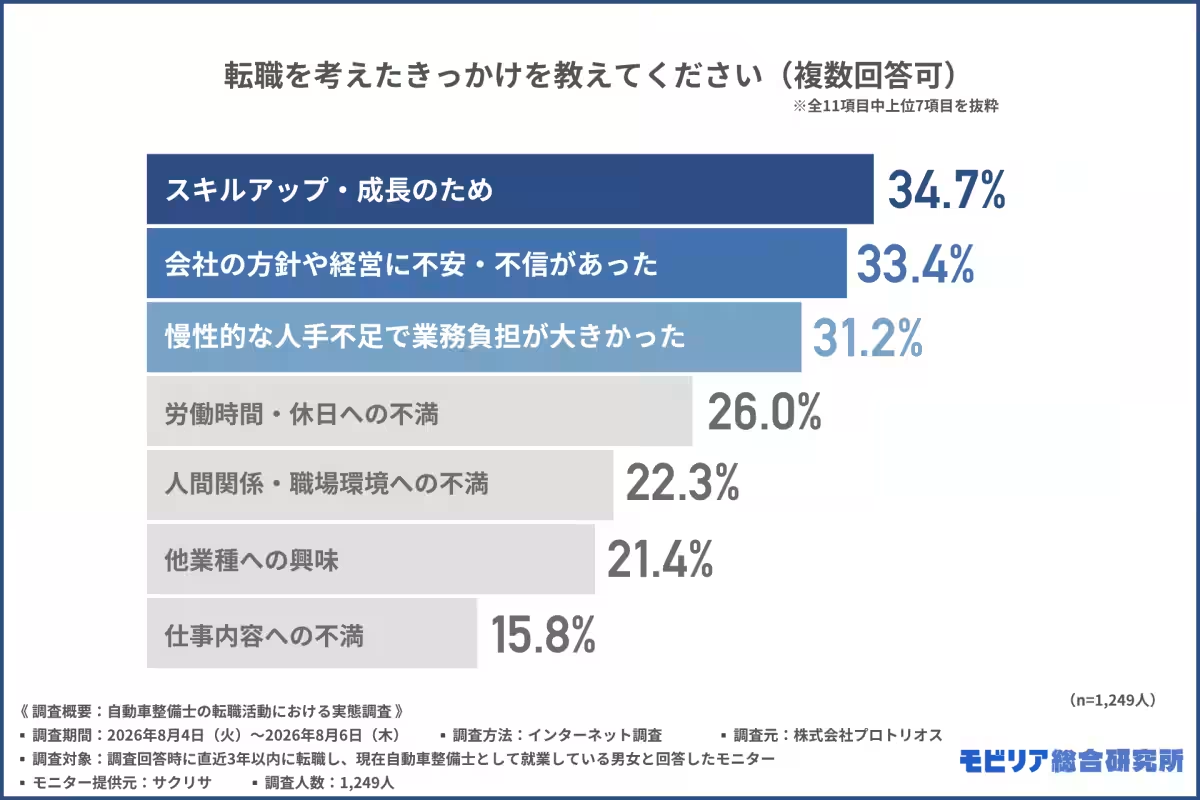
When asked what prompted their transition, the majority of respondents (34.7%) indicated a desire to enhance their skills and achieve personal growth. Closely trailing this were concerns regarding company policies and management (33.4%), as well as chronic staff shortages that resulted in heavy workloads (31.2%). These responses illustrate a complex picture: automotive mechanics are not only motivated by aspirations for career development but also by dissatisfaction with their current workplace conditions.
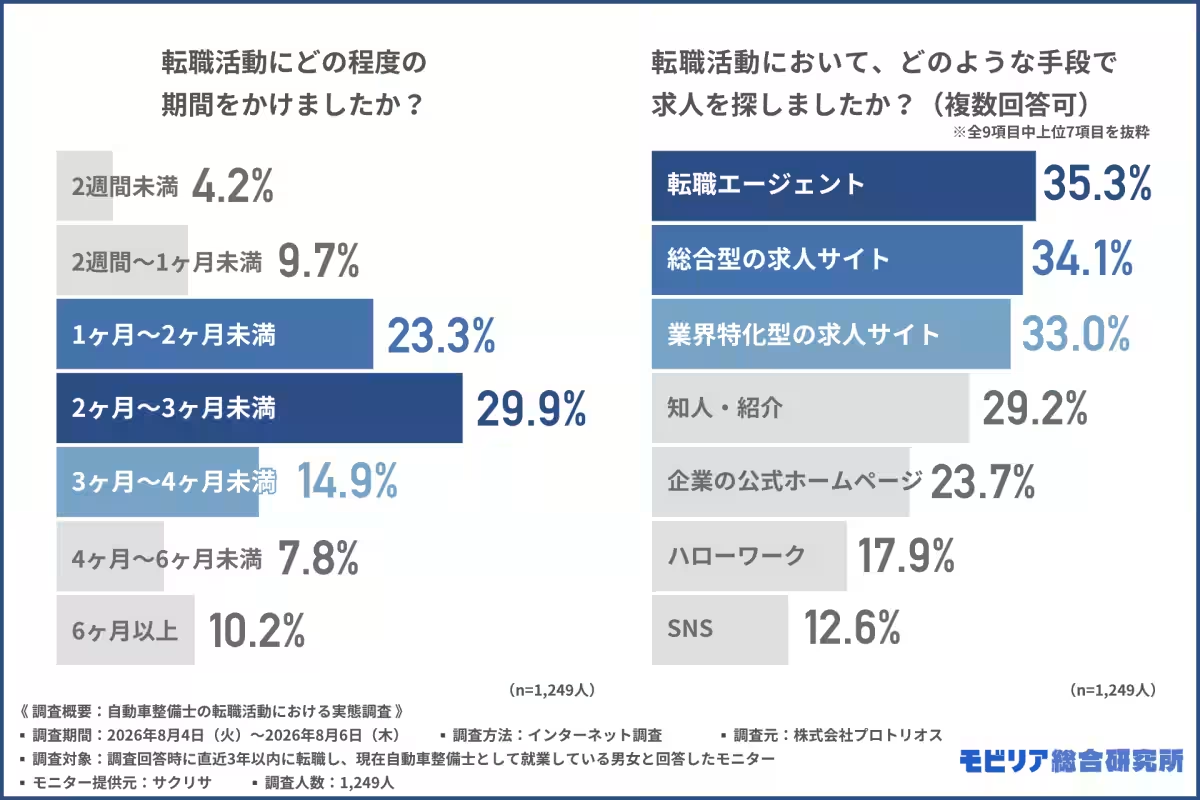
The data also highlighted the average duration devoted to job searching among these professionals. Approximately 70% of respondents indicated that their job search lasted between one to four months, with the most common duration being two to three months. This timeline suggests that most are taking a measured approach to their job transitions rather than making hasty decisions.
Navigating the Job Hunt
Respondents reported various methods used to explore job opportunities, with job placement agencies cited as the most popular option (35.3%), followed closely by comprehensive job listing sites (34.1%) and industry-specific sites for automotive mechanics (33.0%). The use of these multiple resources demonstrates the importance of having diverse tools to compare job offerings effectively.
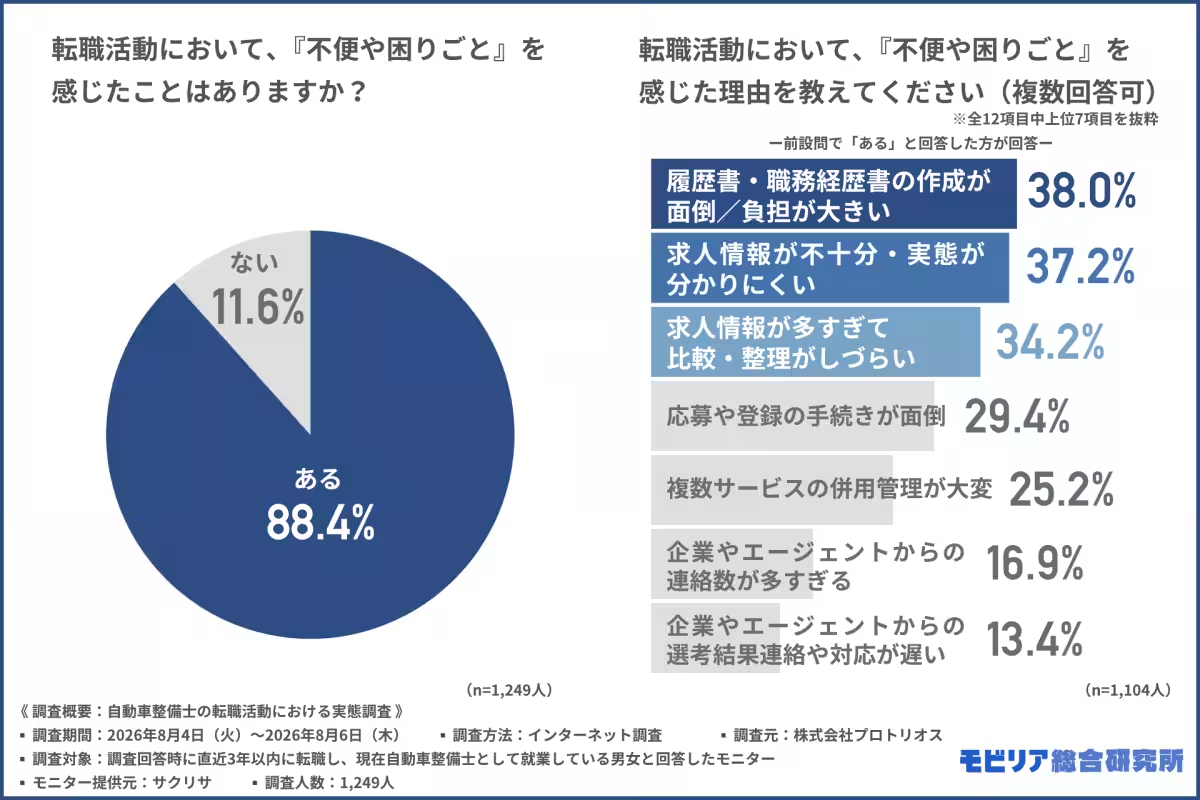
However, nearly 90% of participants experienced challenges during their job search, with the most significant burden stemming from the preparation of resumes and work history documents, as identified by 38% of respondents. A similarly concerning issue was the inadequacy of job information available, with 37.2% noting that listing details were ambiguous or insufficient.
Discrepancies Between Expectations and Reality
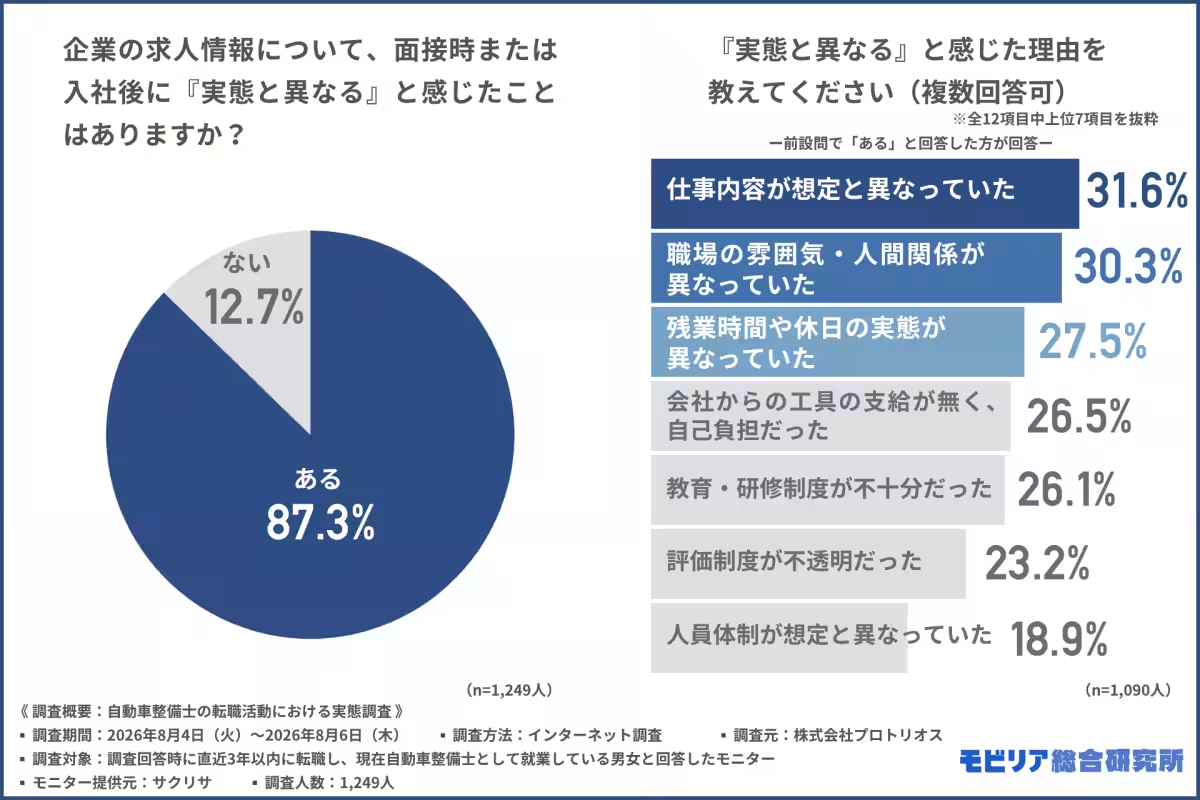
An overwhelming 87.3% of participants felt that the job information provided during the interview or shortly after being hired did not reflect the actual conditions of their workplace. The most common discrepancies involved unexpected job responsibilities (31.6%), workplace culture (30.3%), and misunderstandings regarding overtime and holiday policies (27.5%). This information indicates a significant gap between the expectations set by job postings and the realities of the roles these individuals step into.
Key Information Desired by Job Seekers
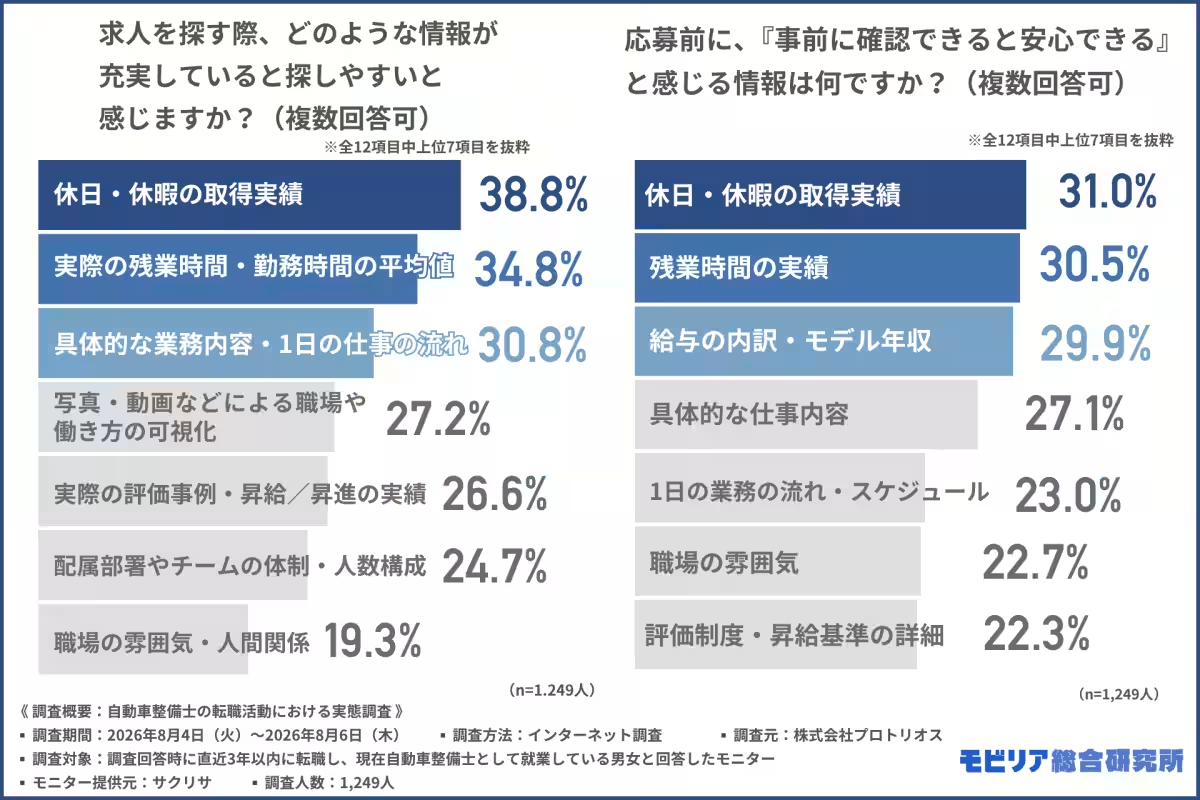
When it comes to the information automotive mechanics want from job postings, clarity and details matter greatly. Top preferences included insights on vacation entitlement and actual holiday practices (38.8%), average overtime hours and working conditions (34.8%), and specific details about daily work tasks (30.8%). These findings suggest that potential employees prioritize a clear understanding of work-life balance and core responsibilities before committing to a position.
Moreover, when asked which details would provide peace of mind before applying, the majority emphasized the importance of proven vacation rates (31.0%) and established overtime hours (30.5%). This aligns with a growing need for transparency in job listings, showing that potential hires are looking for concrete data rather than mere assurances from employers.
Enhancing Job Listings for Better Matches
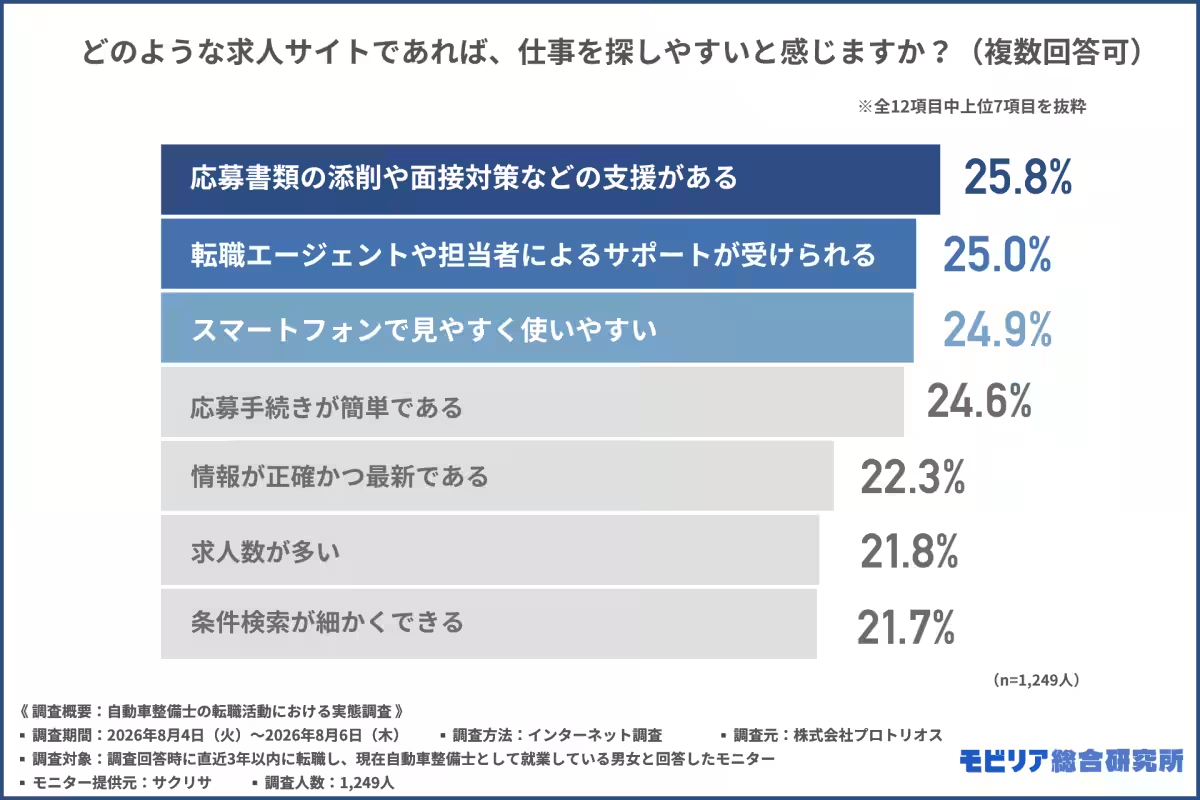
To mitigate the current challenges within job transitions for automotive mechanics, it’s pertinent that job platforms evolve to cater to the specific needs of this workforce. This includes offering not just detailed job descriptions but also helping with resume and interview preparations, ensuring that positions are accessible and attractive to prospective candidates.
As highlighted by the findings from Proto Rios, the gap between actual workplace conditions and published job information can be bridged through improved communication from employers. By presenting a realistic portrayal of work environments, including daily operations and company culture, businesses can enhance their attractiveness to potential employees and improve retention rates as a result.
Consolidating this data from the survey points towards a need for not only better job marketing strategies but also a systemic change in how job information is curated and presented in a manner that aligns with the real experiences of automotive mechanics.
Conclusion
The insights gathered from this survey underscore a crucial agenda for the automotive industry's hiring practices. Addressing the disconnection between job postings and the actual work environment can foster greater satisfaction among employees and potentially catalyze growth within the sector. As job seekers increasingly seek real insights into their potential roles, enhancing the quality of job information is key to reducing mismatches and improving retention rates for automotive mechanics.

Topics Consumer Products & Retail)







【About Using Articles】
You can freely use the title and article content by linking to the page where the article is posted.
※ Images cannot be used.
【About Links】
Links are free to use.