



WOTA Initiates Nationwide Disaster Water Management Platform to Ensure Rapid Response
WOTA Launches JWAD: A National Disaster Water Management Platform
WOTA Corporation, headquartered in Chuo Ward, Tokyo, has taken a monumental step in disaster preparedness by entering into agreements with seven regional prefectures and the Disaster Medical Assistance Team (DMAT) office under the Ministry of Health, Labour and Welfare. This collaboration marks the official commencement of a disaster water management platform known as JWAD (Japan Water Association for Disaster).
The Purpose Behind JWAD
The main objective of JWAD is to create a comprehensive mutual assistance system for water supply during emergencies, a pressing need highlighted by the disruptions experienced during large-scale disasters. Through this platform, WOTA aims to facilitate inter-prefectural support in delivering essential water resources to areas struck by calamities.
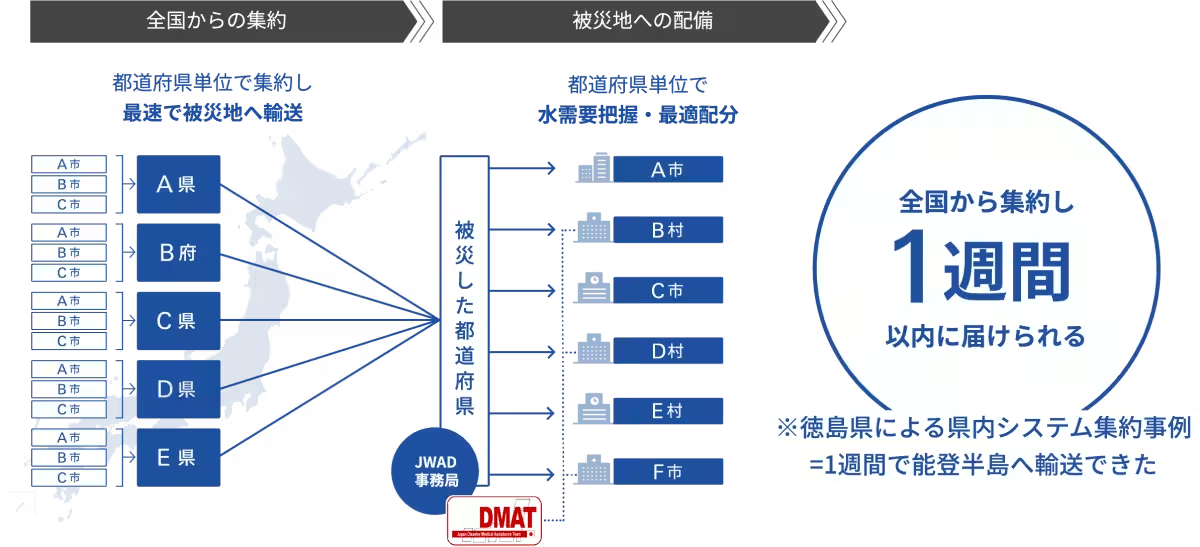
The agreement signifies WOTA's efforts toward realizing a water circulation system that enhances resilience against water shortages caused by disasters. This initiative aims to ensure that in the event of a disaster-induced water outage, necessary water resources can be swiftly and efficiently distributed to affected municipalities across Japan.
Why Is This Necessary?
Historical challenges of restoring water supply during disasters have shown that drinking water is often the last essential service to be restored. For instance, during the Noto Peninsula earthquake in 2024, while other utilities like electricity and gas were generally restored within a month, water supply took several months. This disparity is primarily due to the complexities involved in repairing underground water systems.
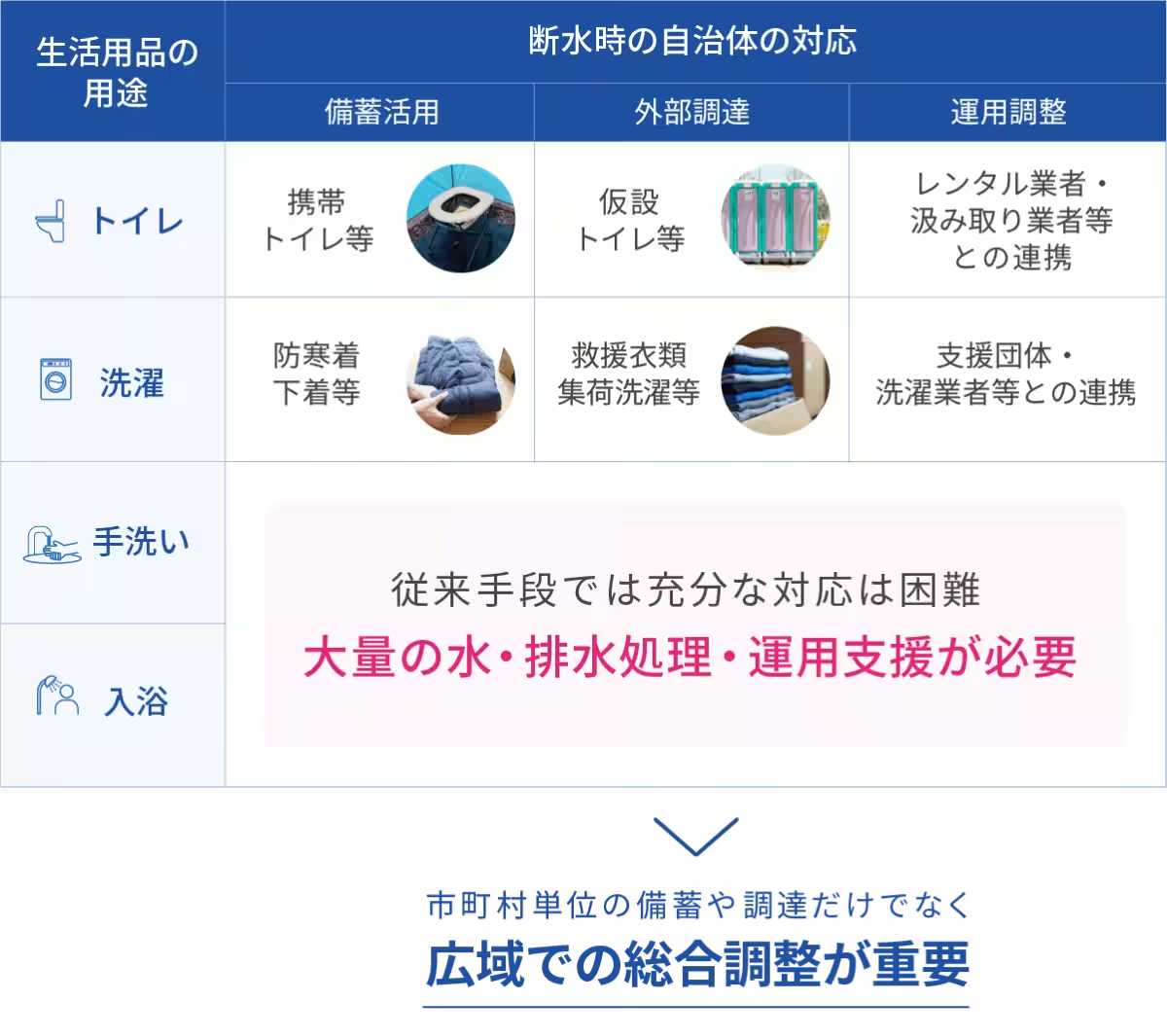
During prolonged water shortages, while potable water can be secured through bottled supplies or tankers, sustaining hygiene practices such as washing and bathing becomes extremely challenging. Insufficient water supply can lead to public health issues and raise concerns, particularly for vulnerable populations such as infants and the elderly.
Operational Difficulties in Water Delivery
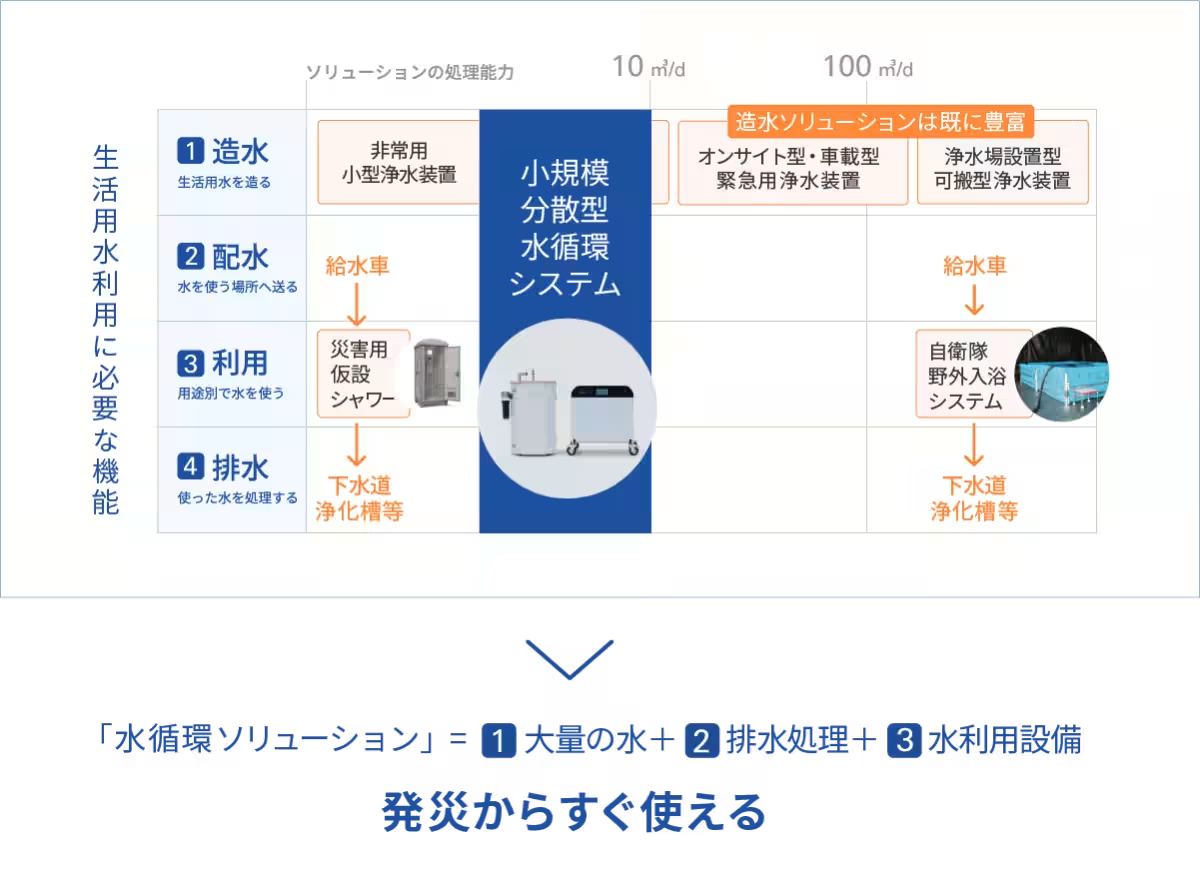
Many municipalities are currently considering the deployment of portable water purification systems to create safe drinking water from alternative sources. However, merely generating new water does not solve the overarching issue of logistics: delivering this water to those in need and processing wastewater afterwards.
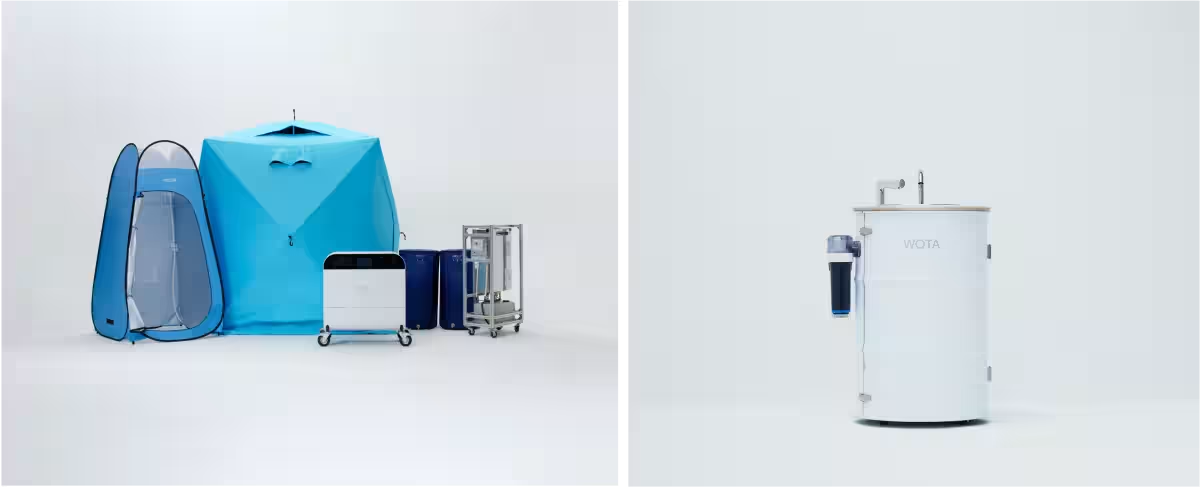
For proper hygiene practices, not only must water treatment facilities be available, but appropriate waste disposal systems should also be established. WOTA’s portable water circulation systems can provide an effective short-term solution by offering a comprehensive service that combines water generation, usage, and waste management all in one package. This has been evidenced by the success of mobile water circulation showers like the “WOTA BOX” and handwashing stations such as “WOSH.”
The Role of JWAD
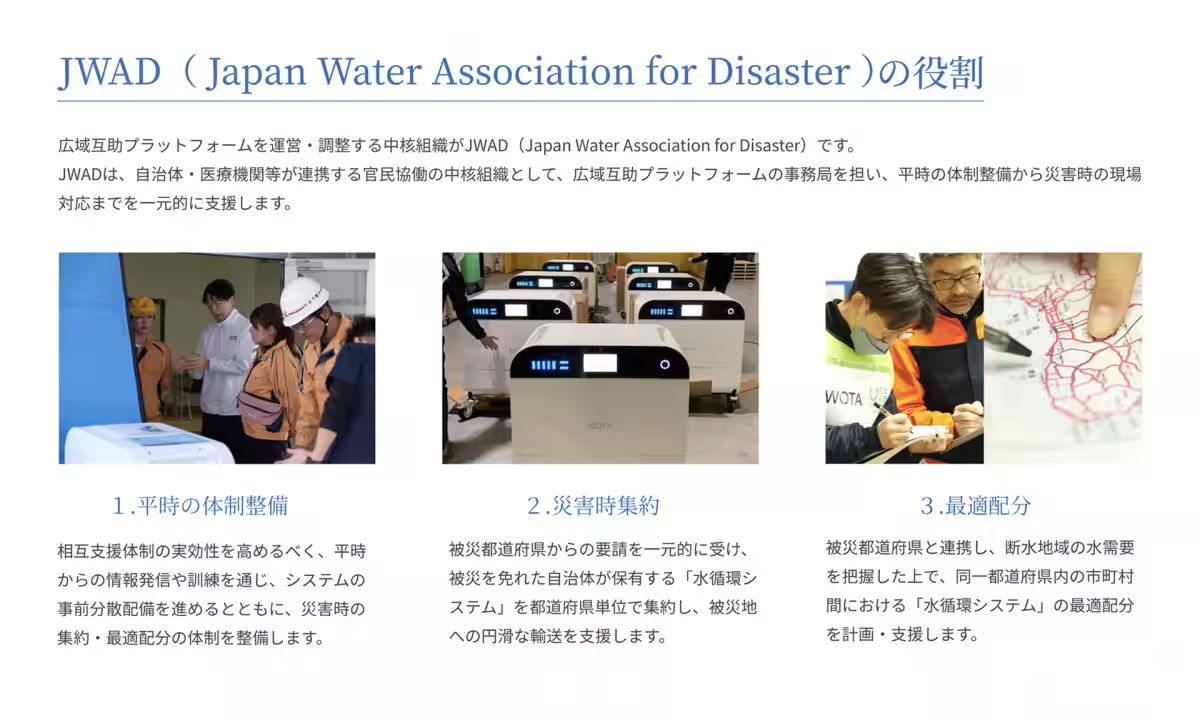
As the core entity managing this platform, JWAD will coordinate efforts among municipalities, healthcare institutions, and private enterprises. Its main roles include:
1. Establishing Routine Networks: Enhance mutual support structure through regular training and information dissemination among all stakeholders to preparation for rapid response during a disaster.
2. Centralized Coordination During Emergencies: Collect and manage resources and manpower effectively from unaffected municipalities to assist impacted areas.
3. Optimal Resource Distribution: Understand the needs within affected regions to ensure that help is allocated precisely where it is needed.
Future Trajectory
Wondering how this all fits together? With anticipated large-scale disasters on the horizon, the scale of water outages can become monumental—exceeding that seen during previous earthquakes by 50-100 times in terms of affected population. Responding to this challenge rests not solely on the shoulders of local governments; a nationwide cooperative approach is paramount.
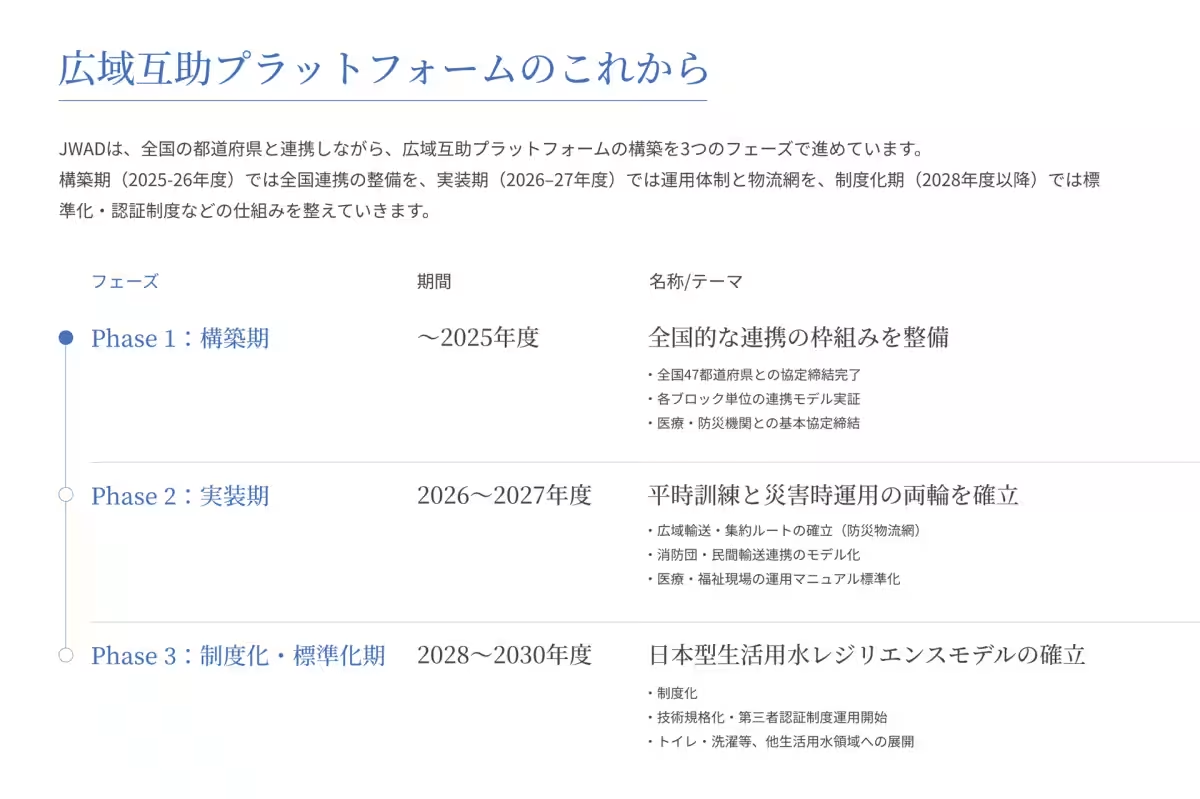
WOTA has already established relationships with several prefectures, including Kanagawa, Tokushima, and Hyogo. These partnerships will significantly bolster the ability to streamline disaster response processes. By solidifying these foundational agreements, WOTA aims to not only navigate current challenges but also prepare for future unknown emergencies, ensuring that rapid and effective assistance is always within reach.
Conclusion
The launch of JWAD is a beacon of hope for enhancing water resource management in disaster scenarios. By marrying innovative technology with strategic partnerships, WOTA is paving the way for a resilient society capable of facing and effectively overcoming natural disasters. The initiative seeks to transform the state of disaster response in Japan and safeguard public health and dignity in times of crisis.
For more detailed insights about the simulation of these operations and progress, further updates will be shared through WOTA's official channels.
Topics Policy & Public Interest)
【About Using Articles】
You can freely use the title and article content by linking to the page where the article is posted.
※ Images cannot be used.
【About Links】
Links are free to use.