



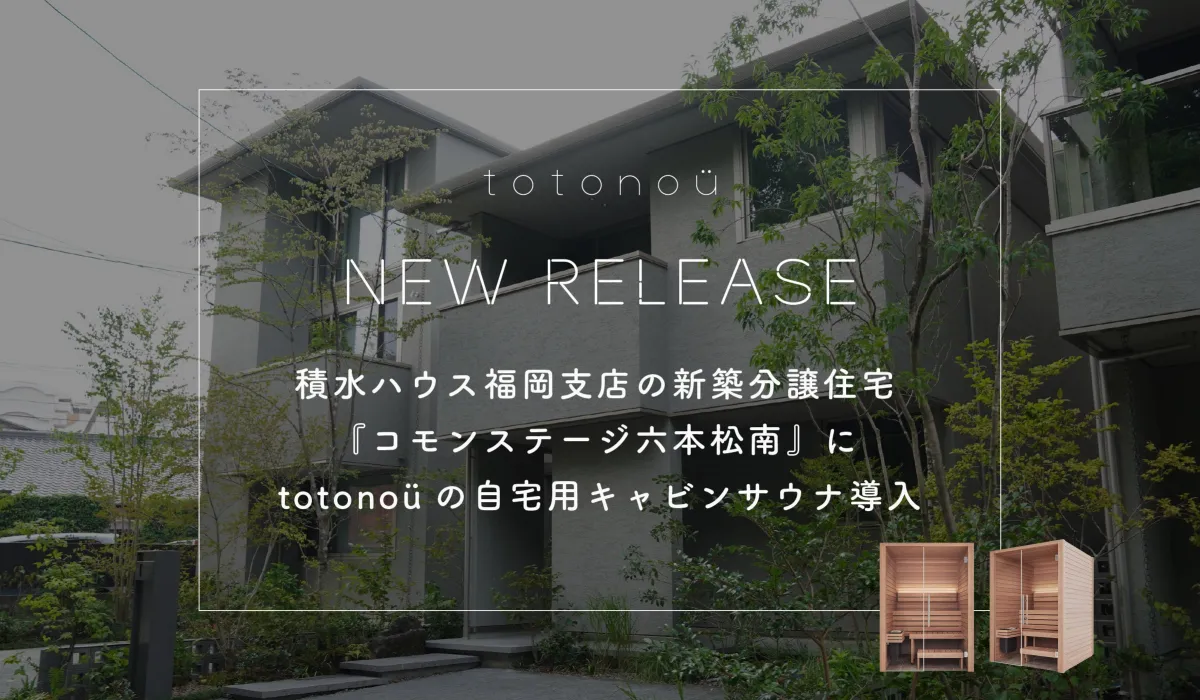
The Rise of Home Saunas in Japan with Sekisui House and Totonou Collaboration
Transforming Japanese Living with Home Saunas
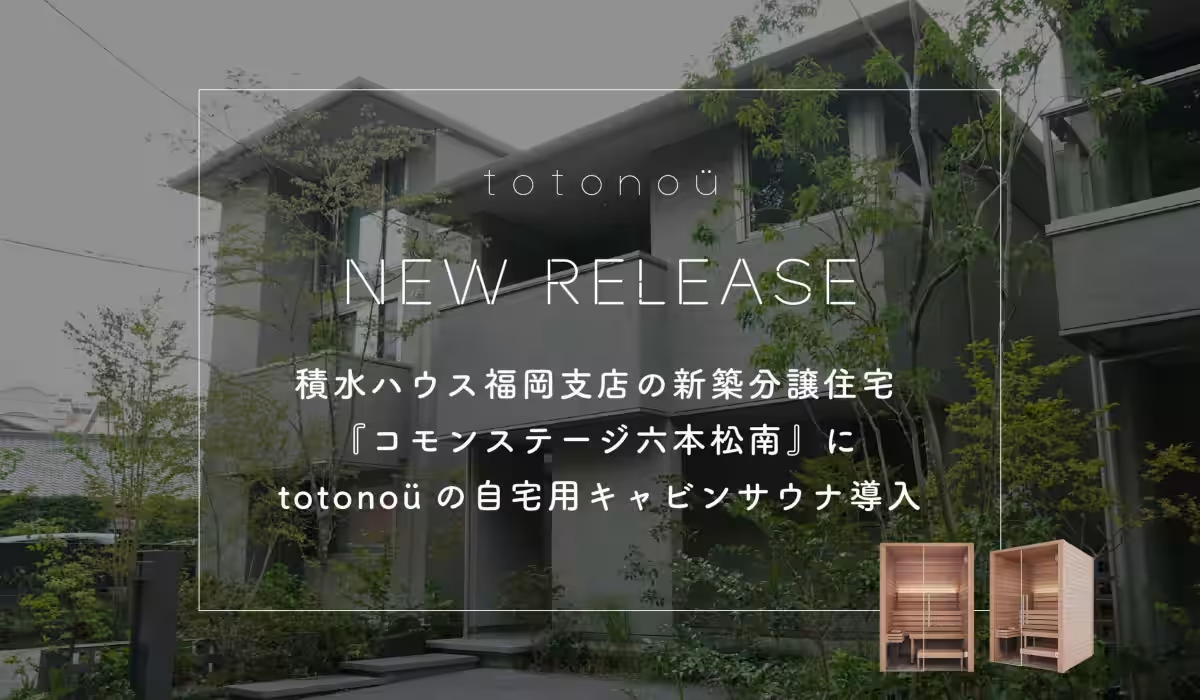
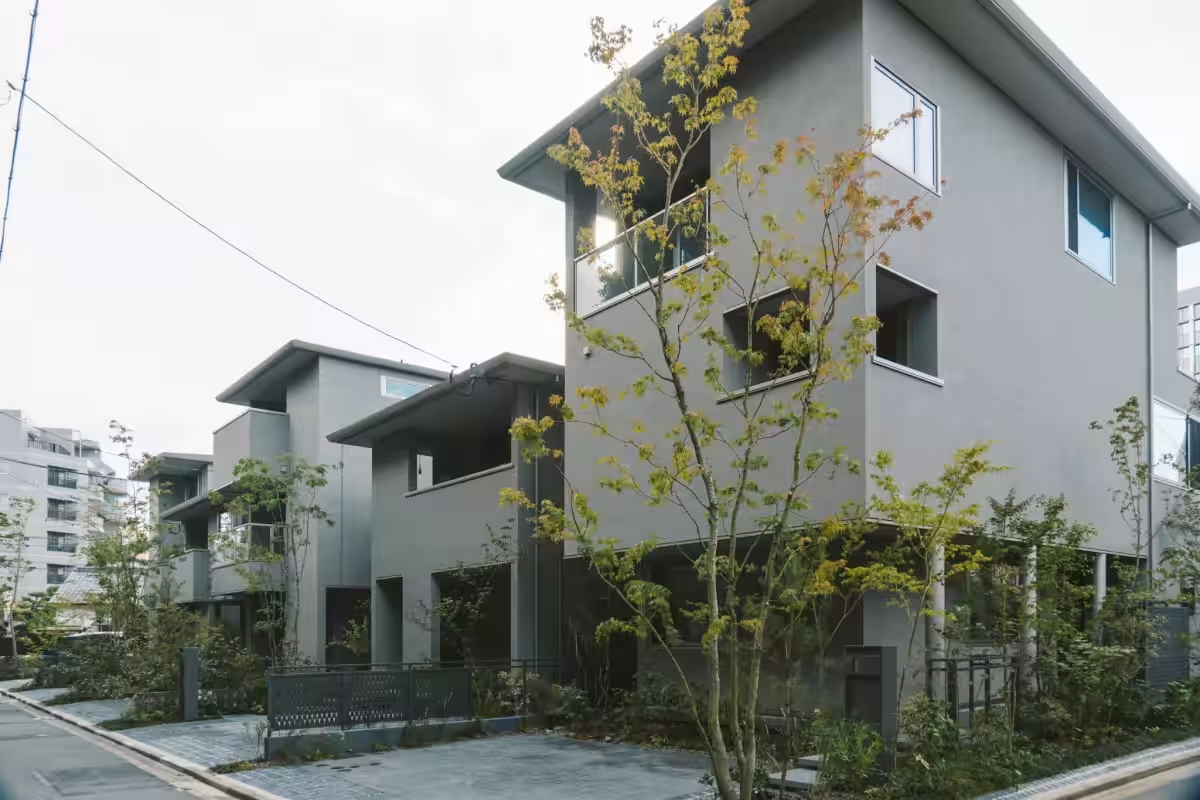
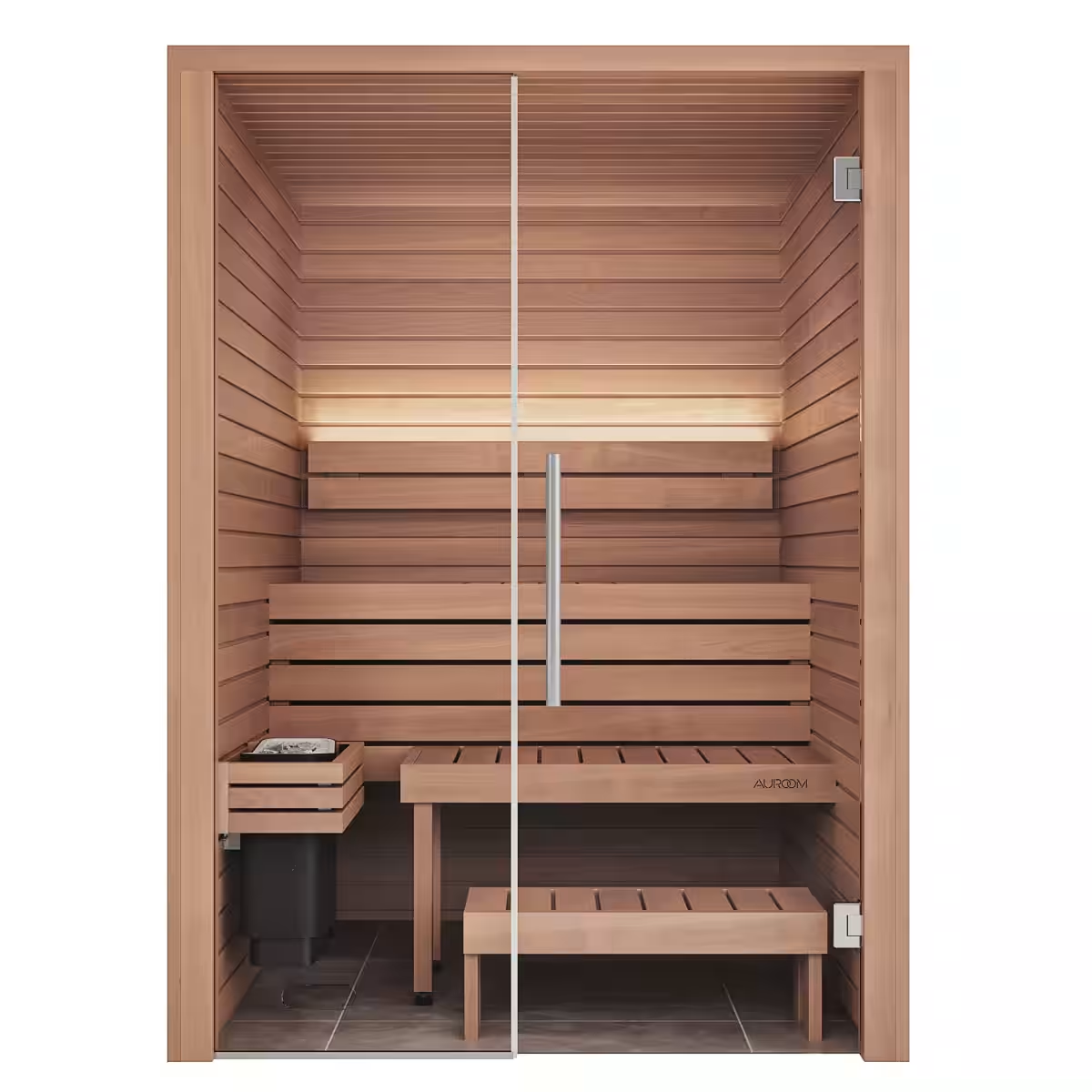
In a groundbreaking collaboration, Totonou Japan, a company renowned for importing and selling Nordic sauna products, has partnered with Sekisui House to introduce a new dimension of luxurious living in Japan. The new development, Common Stage Roppommatsu Minami, has incorporated Totonou's Auroom Cala Glass, a home sauna, marking a significant step in elevating property value and wellness culture in residential settings.
The collaboration, highlighting the efforts of Sekisui House's design team, DESIGN OFFICE, aims to integrate the sauna lifestyle into Japanese households, reminiscent of Nordic trends where saunas are commonplace. In regions like Finland and Sweden, the sauna is a staple in every home, creating a stark contrast with Japan, where personal saunas are still a novelty.
Why Home Saunas? A Shift Towards Wellness
In Japan, public bathing facilities often feature saunas, yet there remains a gap in the market for private residential saunas. Totonou has been an advocate for closing this gap, promoting the idea of “living with saunas” as an essential enhancement to home living. Their initiatives aim to educate and inspire Japanese homeowners regarding the benefits of personal saunas, from increased property value to improved health and relaxation.
Sekisui House’s Commitment to Value
In response to the need for higher property value, Sekisui House has actively sought innovative features to enhance their offerings. The introduction of saunas, compared across various manufacturers, led to the selection of Totonou due to their extensive portfolio and commitment to design quality. This is the first instance of Sekisui House incorporating saunas in their residential development, showcasing their innovative spirit and response to customer demand.
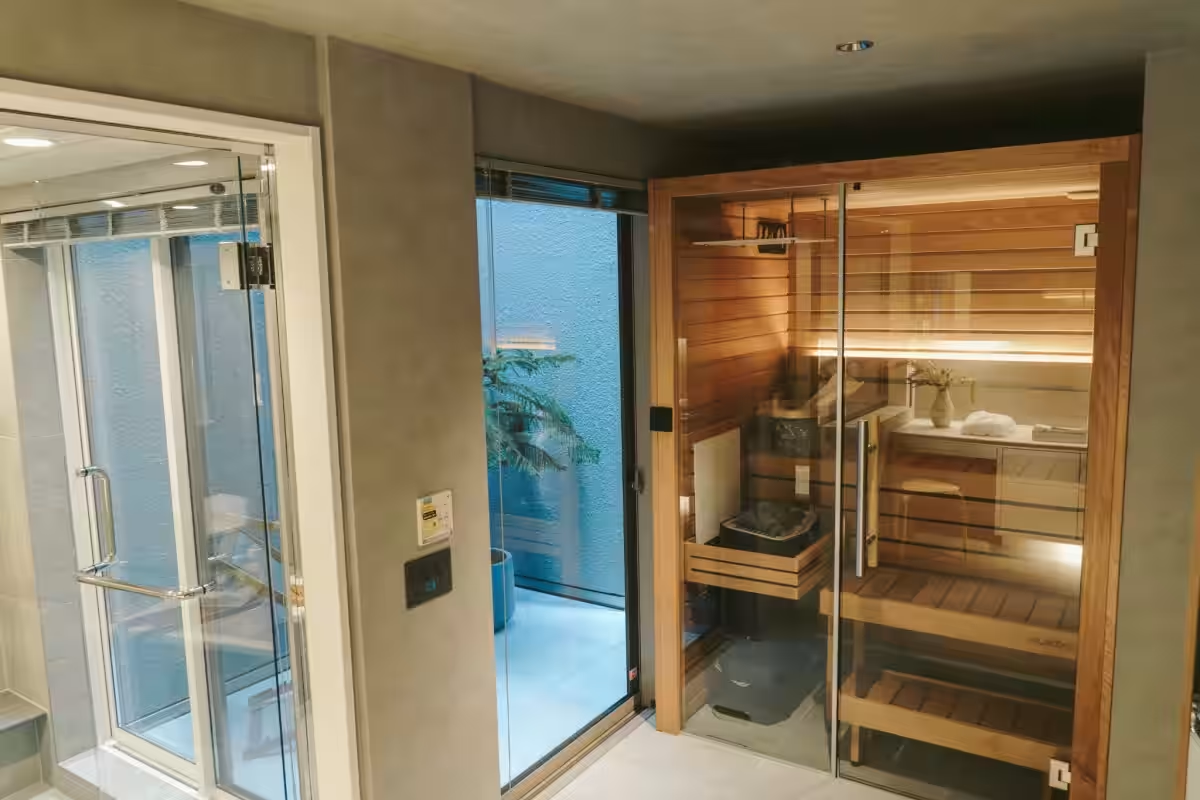
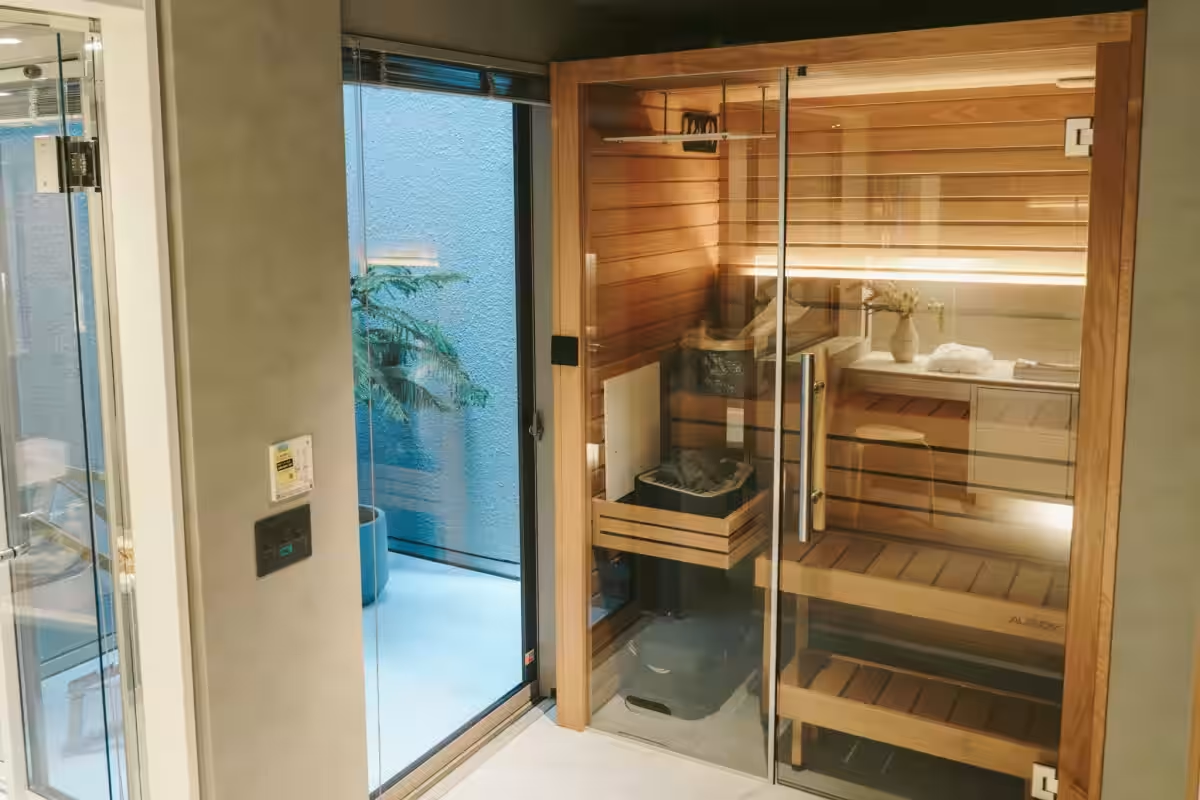
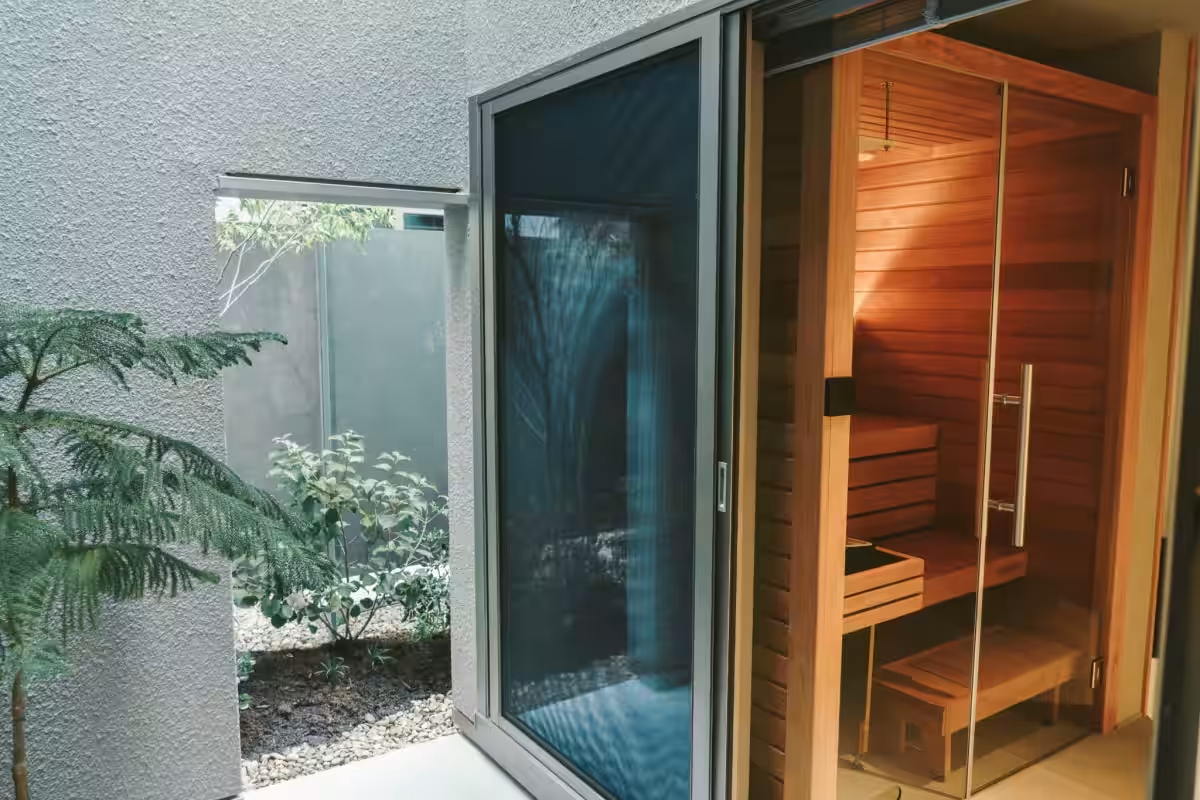
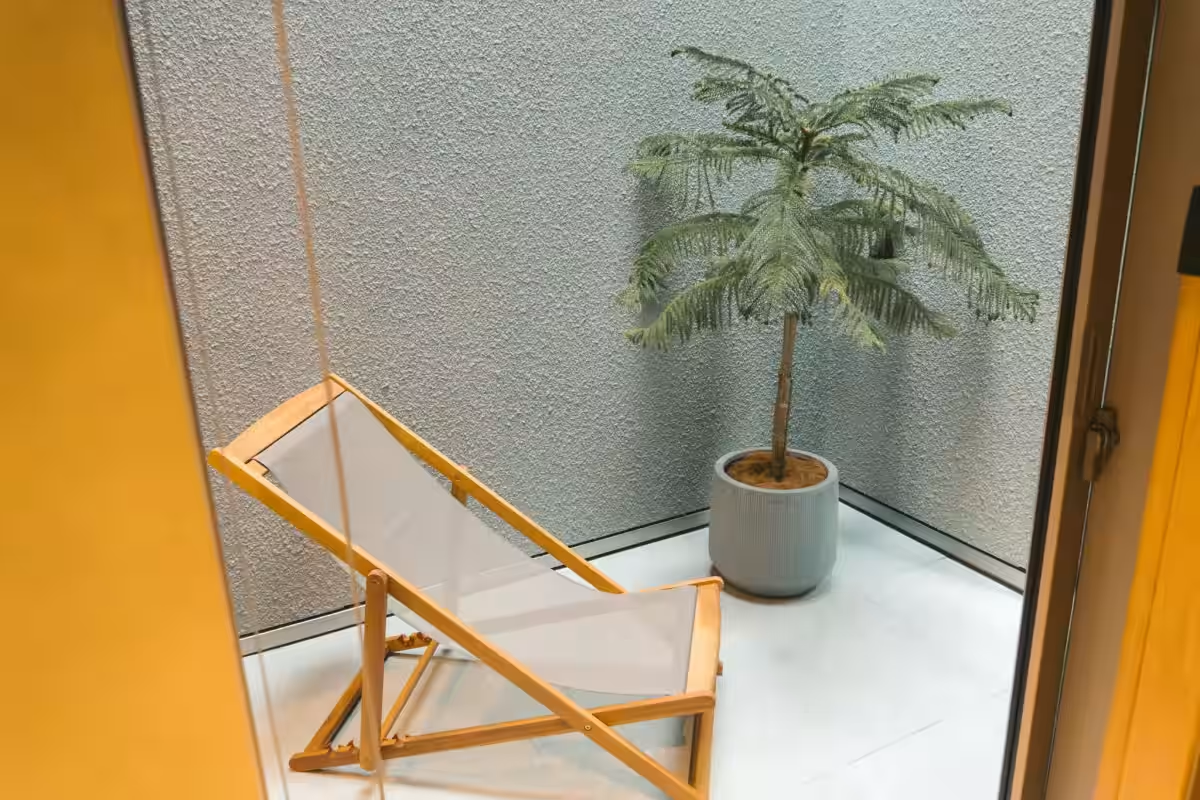
The Common Stage Roppommatsu Minami not only offers tangible luxury in the form of a sauna but also emphasizes a unique architectural layout where the sauna is conveniently adjacent to the bath and terrace. This strategic design allows residents to seamlessly transition between soaking and sauna experiences.
A Unique Design Experience
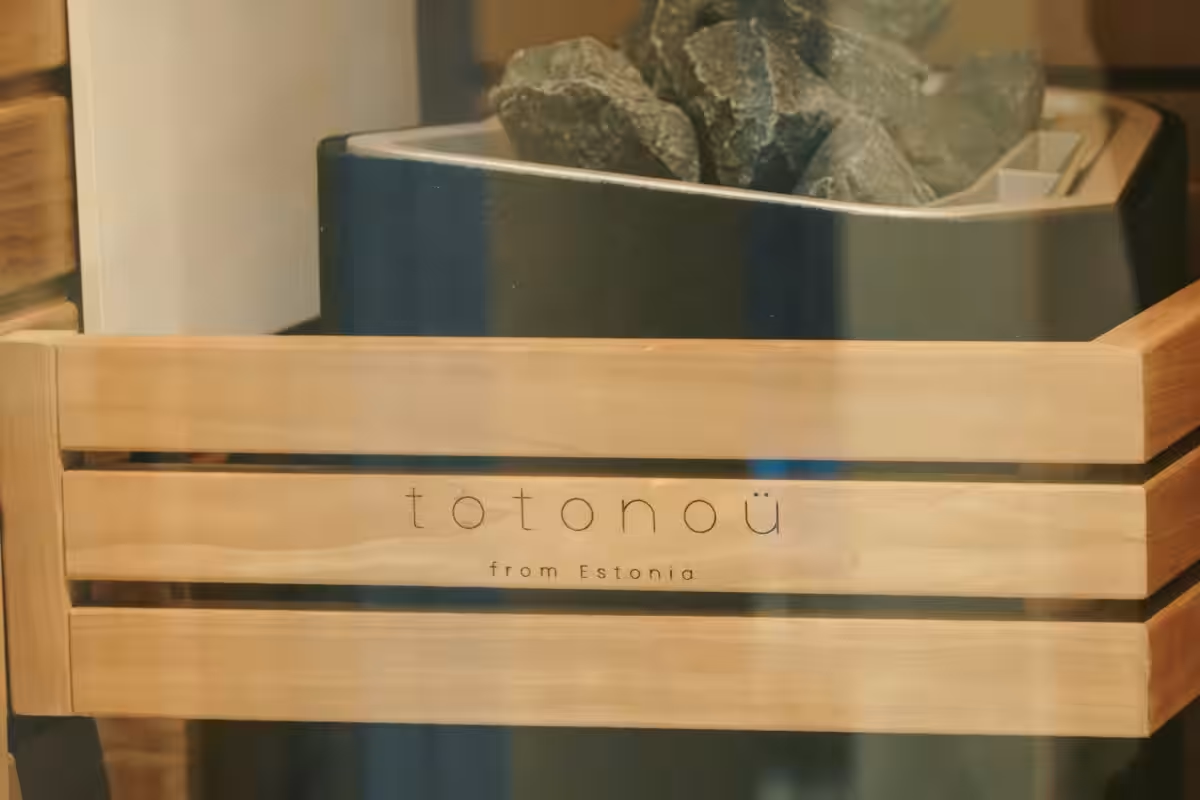
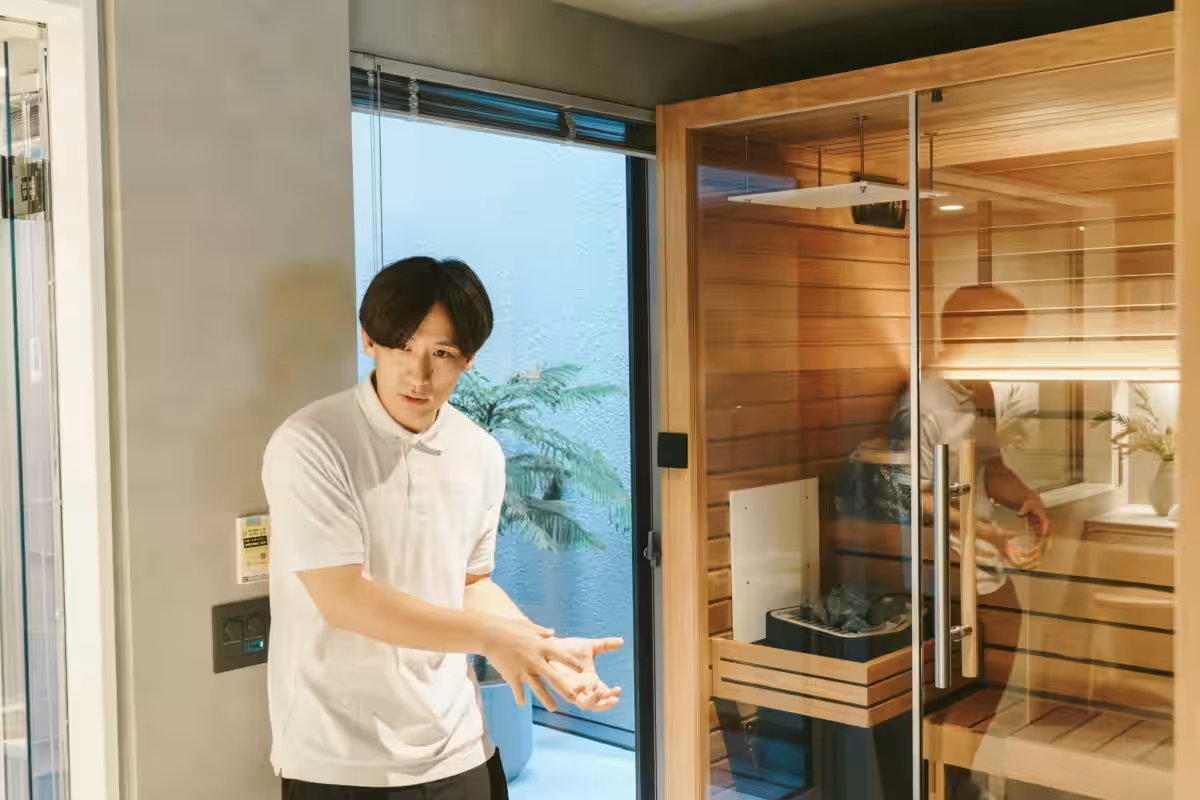
The Auroom Cala Glass sauna comfortably accommodates two to three people and features high-grade Nordic wood and tempered glass, exemplifying a minimalist aesthetic that merges functionality with style. The sauna can reach temperatures of 110 degrees, accommodating traditional sauna experiences like löyly (steam). Safety measures include outward-opening doors and built-in temperature sensors to ensure a secure user experience.
The Educational Initiative: Sauna Training
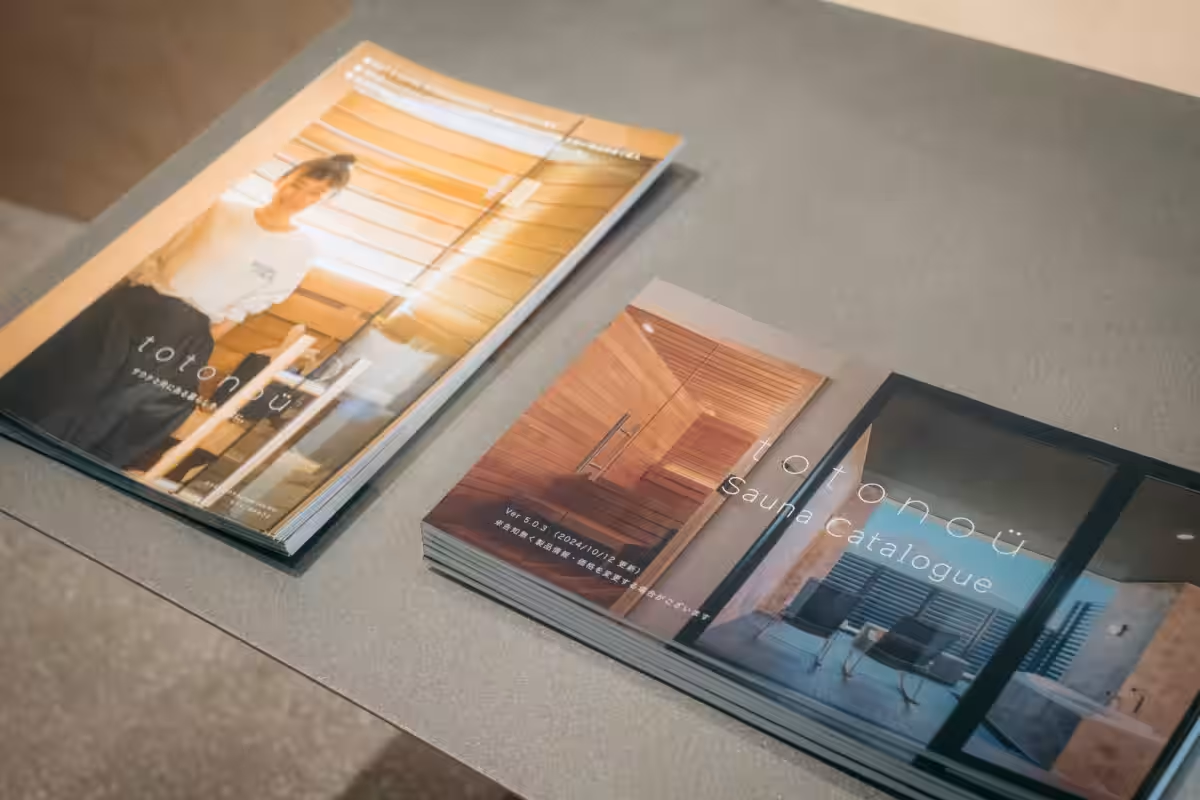
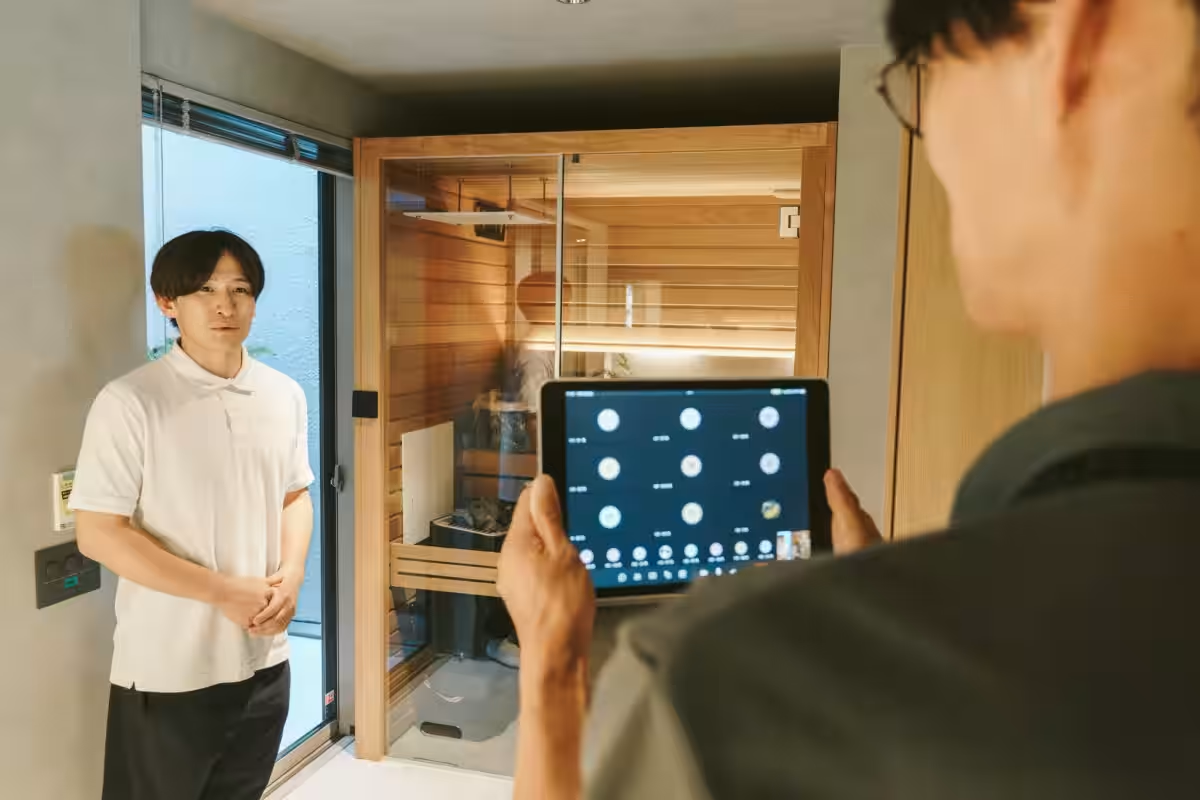
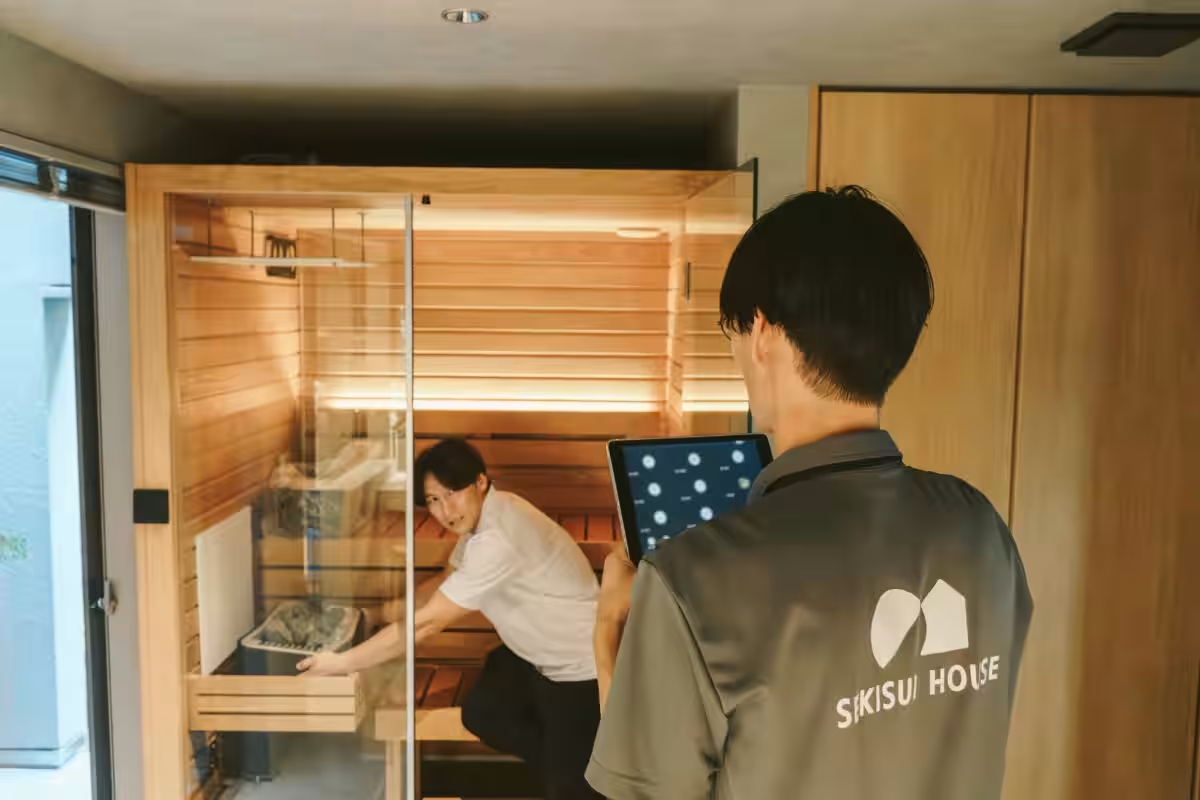
As part of the project launch, Totonou organized a training session for Sekisui House employees, aimed at discussing the benefits and considerations of integrating personal saunas into their developments. The session served as a platform to share knowledge about sauna ownership, including operational costs and maintenance practices. During the training, attendees frequently inquired about the perceived high electricity costs associated with sauna use. However, with a 4.5kW electric heater, users can expect an estimated hourly cost of just 120 yen, debunking the myth that home saunas are financially burdensome.
Another heated topic was maintenance, with participants expressing concerns over the upkeep of wooden saunas. Totonou's expert explained that, similar to traditional wood baths in Japan, regular but straightforward maintenance allows saunas to last without excessive effort.
Conclusion: Building a Culture of Wellness
The synergy created between Totonou and Sekisui House offers a promising glimpse into a future where saunas become a standard feature in Japanese homes. By combining Totonou's unique expertise in the sauna industry with Sekisui House’s architectural innovation, they are paving the way for a new lifestyle that embraces wellness, relaxation, and luxury. Both companies reiterate their commitment to collaborate more closely, ensuring that Japanese residents experience the invaluable benefits of a sauna in their everyday lives. As they proceed, the vision remains clear: to cultivate a society that recognizes the importance of health and wellness through quality living spaces.
Topics Consumer Products & Retail)
【About Using Articles】
You can freely use the title and article content by linking to the page where the article is posted.
※ Images cannot be used.
【About Links】
Links are free to use.