



High Stress and Acne: Key Insights for Students Facing Exams
Understanding Exam-Induced Skin Issues
The Reality of Stress and Acne in Students
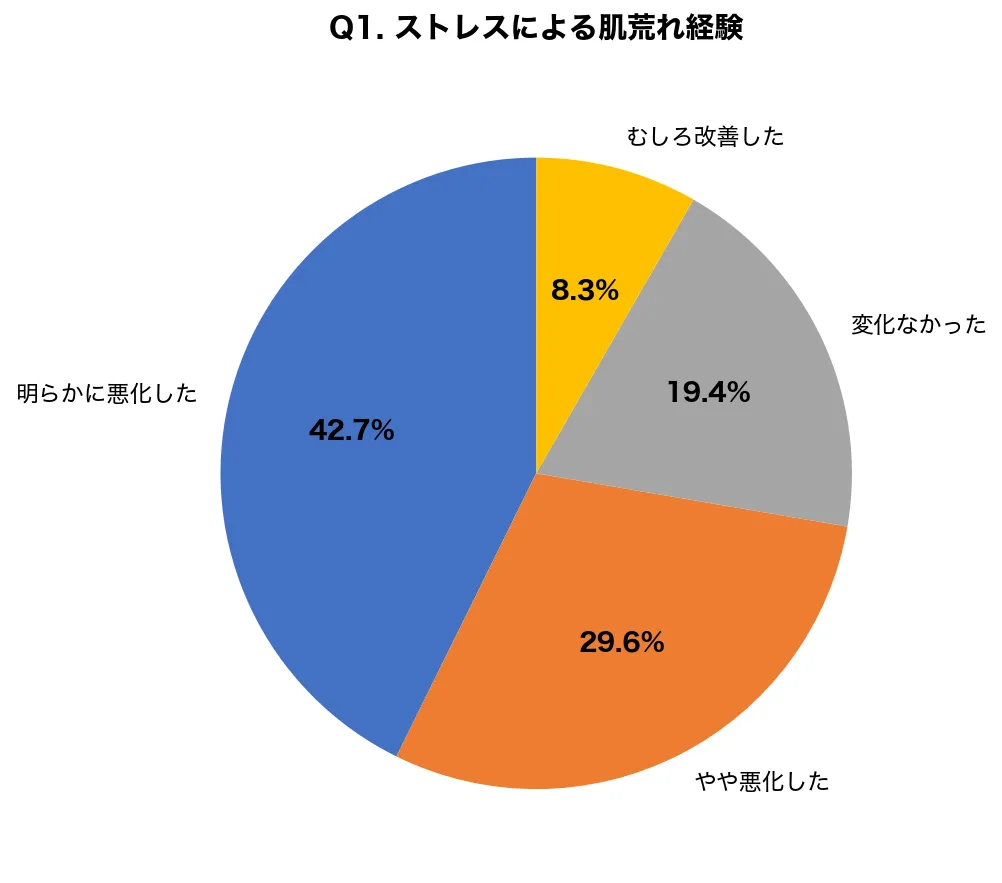
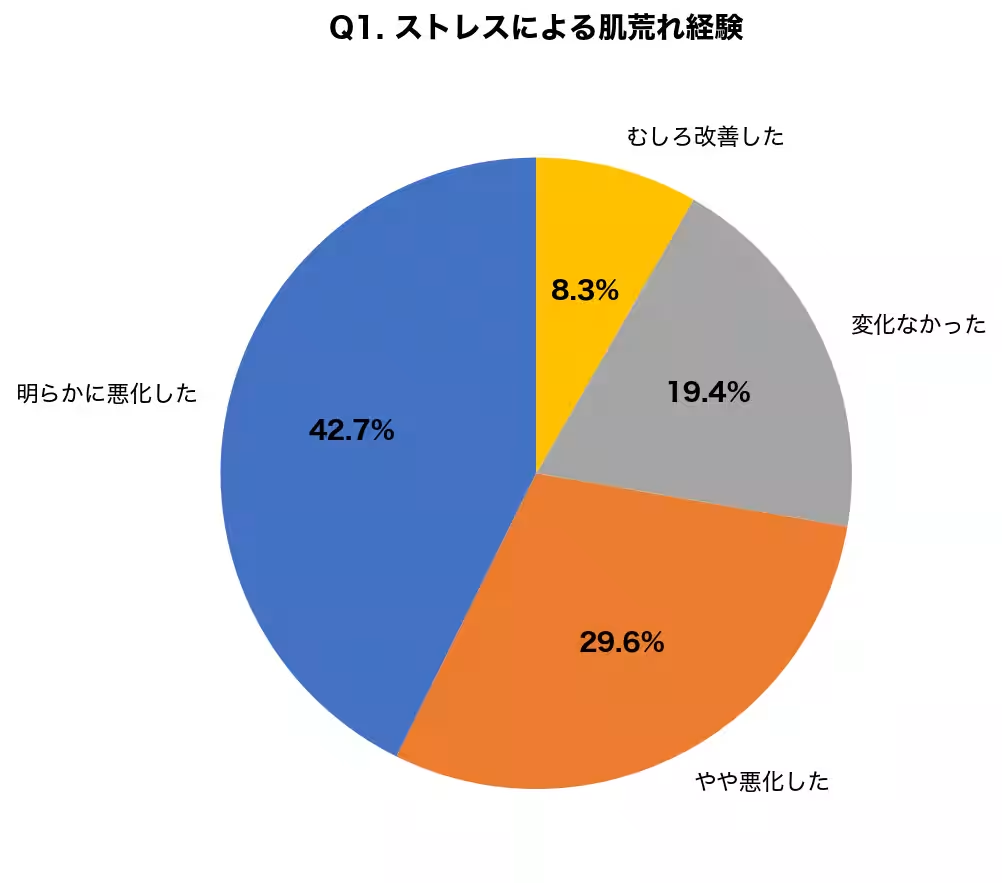
A recent survey conducted by the I.C. Clinic investigated the correlation between exam stress and skin problems among 300 university and high school students. The results illuminate the pressing connection between high-stress environments, such as exam periods, and the exacerbation of acne conditions.
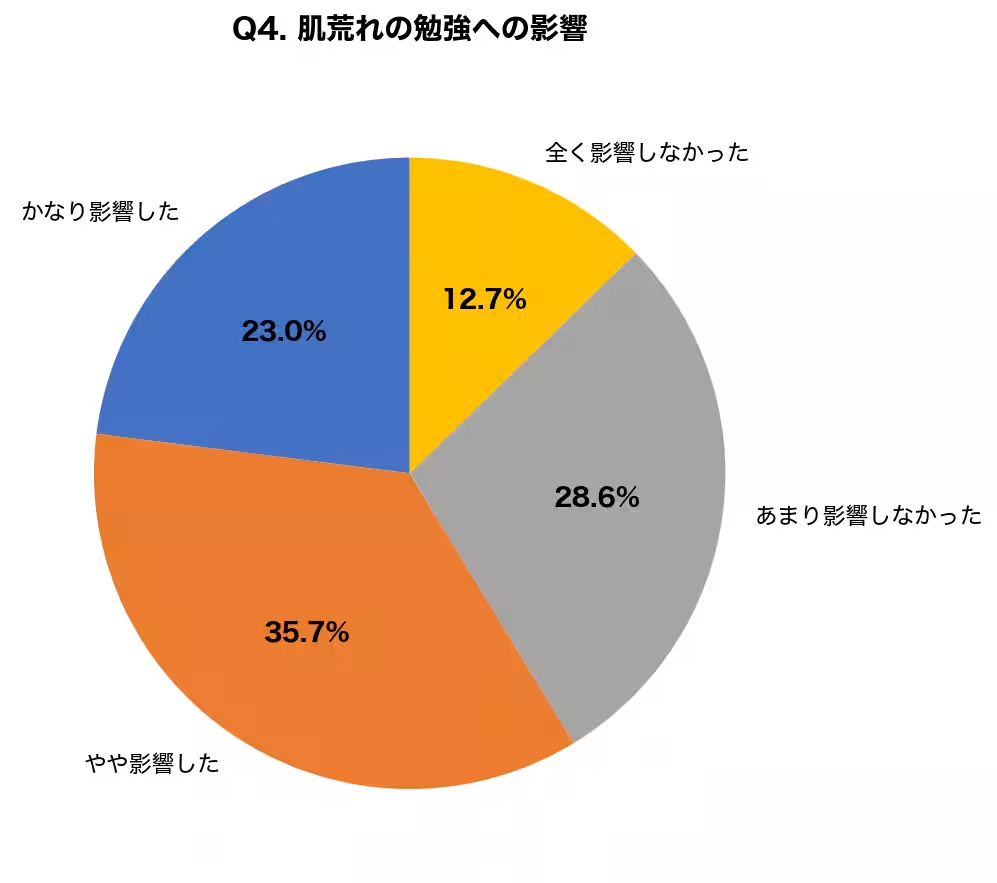
A staggering 72.3% of respondents reported that stress led to worsened acne or skin issues, with nearly 58.7% noting that these problems negatively impacted their focus on their studies. The findings highlight the urgent need for effective skin care strategies during this crucial time.
The Sleep-Acne Connection
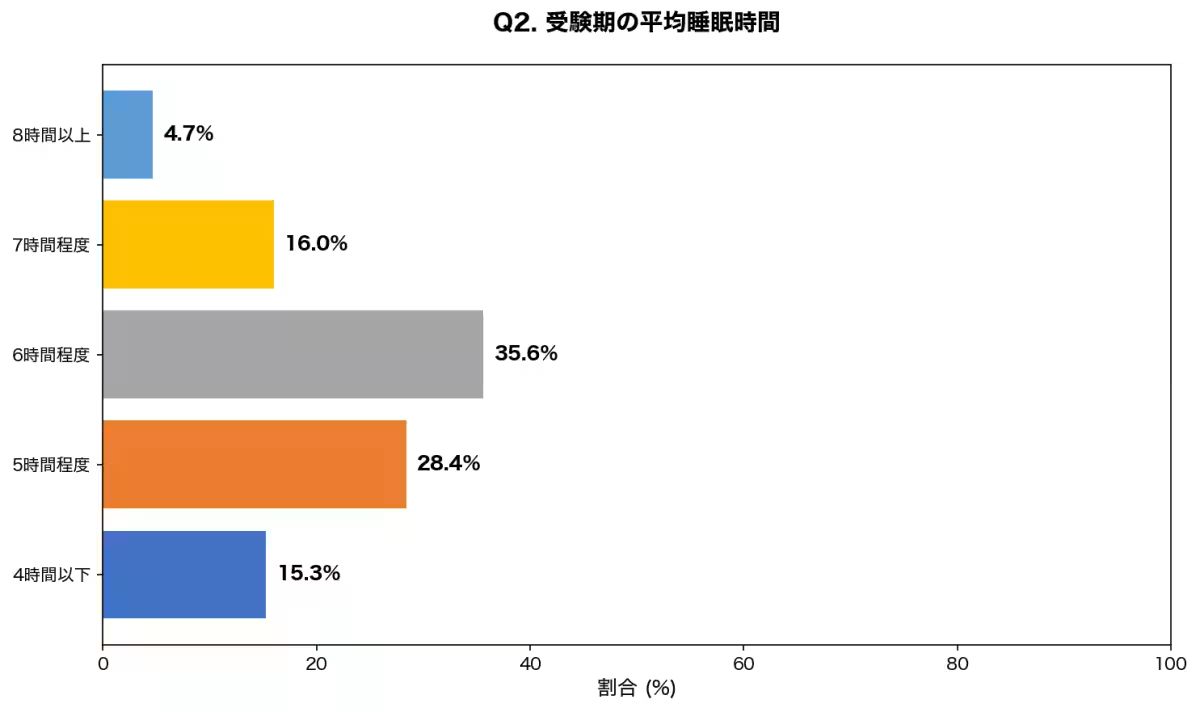
Crucially, the study found that students who slept less than five hours exhibited a 2.3-fold increase in skin issues compared to those who managed at least six hours of sleep. Lack of sleep is known to disrupt the body’s natural hormonal balance, crucial for maintaining skin health. This fact corroborates other research emphasizing the importance of adequate sleep not just for academic performance, but for overall skin condition as well.
What is Stress-Induced Acne?
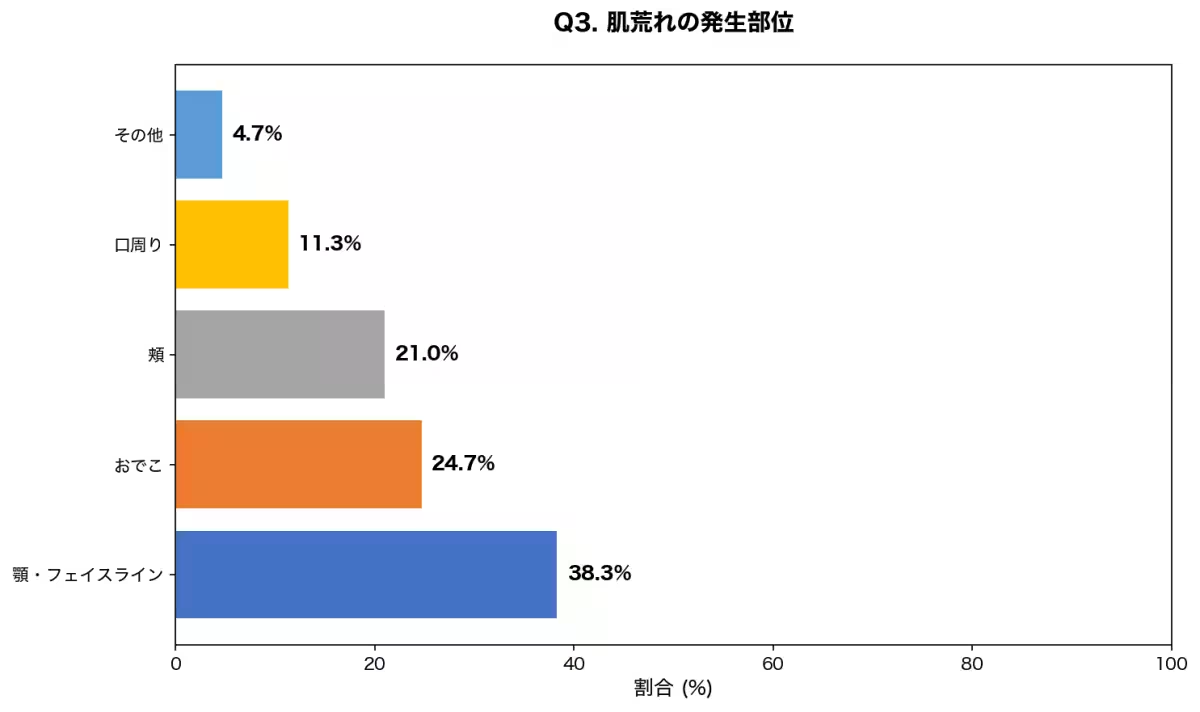
Stress-induced acne occurs when emotional or physical stress triggers hormonal changes, leading to an increase in oil production and acne flare-ups. The hormonal disruption caused by increased cortisol levels is amplified by inadequate sleep, creating a perfect storm for skin issues. Areas such as the jawline and face are particularly susceptible, making targeted care essential during exam times.
Adult Acne: A Complicated Issue
Adult acne, which typically arises post-adolescence, often results from a combination of stress, hormonal fluctuations, and poor lifestyle habits. As many students recognize, academic pressures make maintaining a healthy lifestyle—even reducing caffeine intake and eating balanced meals—a challenge.
Self-Care vs. Dermatological Treatments
In addressing skin problems, students have two primary approaches: self-care and professional dermatological treatment.
| Comparison | Self-Care | Dermatological Treatment |
|---|---|---|
| -- | --- | ------- |
| Time to See Results | 2-4 weeks | 1-2 weeks |
| Cost Estimate | $10-$30/month | $20-$50/month (insurance covered) |
| Symptoms Addressed | Mild acne | Moderate to severe acne |
| Advantages | Accessible and easy to start | Targets underlying causes effectively |
| Disadvantages | Limited effectiveness for severe cases | Requires time for appointments |
| Best For | Mild acne and preventive measures | Symptoms persisting over 2 weeks or signs of inflammation |
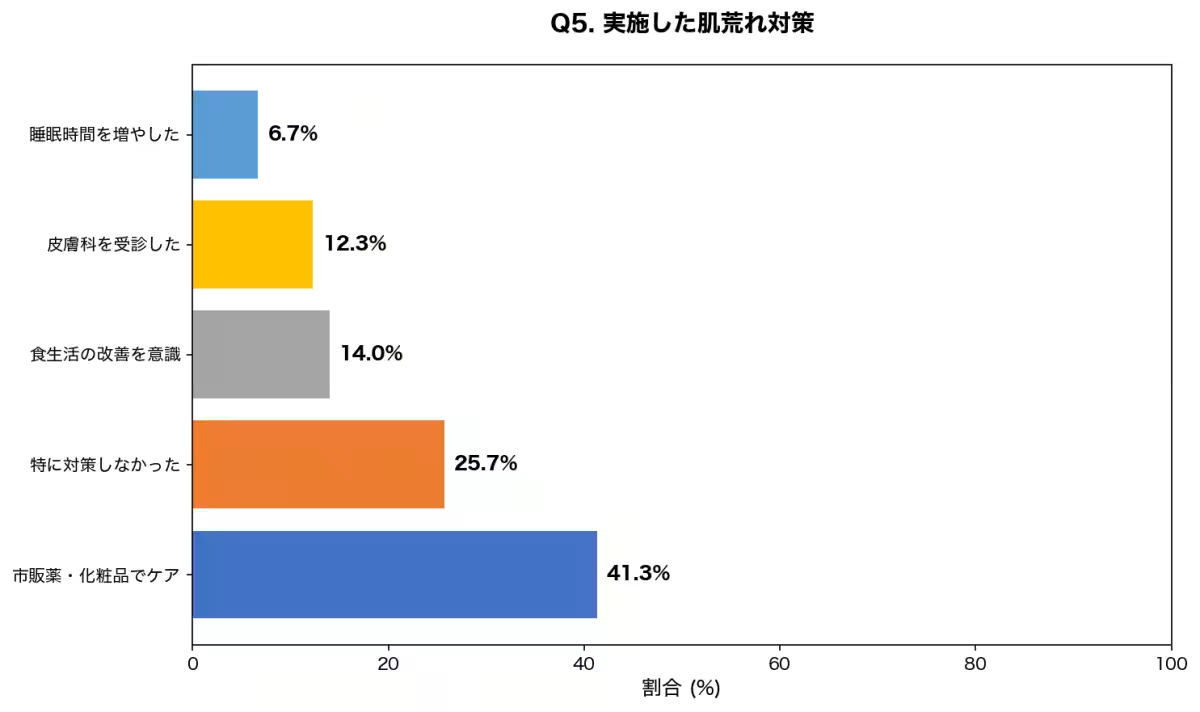
Though self-care methods, such as using over-the-counter products, are predominant, 87.5% of those who sought professional treatment reported significant improvement. The importance of addressing skin conditions early cannot be overstated—waiting too long may lead to more severe complications.
Why Do Students Ignore Their Skin?
Many students prioritize their studies over their skincare, leading to conditions worsening before they seek help. According to medical professionals, this is a common oversight that can result in long-term implications, including scarring and pigmentation issues.
Recommendations from Experts
Dr. Kota Takakuwa, a dermatologist at I.C. Clinic, reiterates the importance of viewing acne flare-ups during exam season as a serious issue, advocating for appropriate self-care and timely medical intervention. He advises students to secure at least six hours of sleep to maintain hormonal balance and promote healthy skin turnover.
Additionally, appropriate skin care routines should focus on gently cleansing the face without over-exfoliating, maintaining a balanced diet, and avoiding touching or popping pimples to prevent further irritation. If conditions do not improve within two weeks, seeking professional help is recommended.
Conclusion
The intersection of stress, sleep deprivation, and acne is critical for students preparing for exams. Proactive skin care and sleep management can significantly mitigate the adverse effects of exam-related stress. With adequate preparation and awareness, students can maintain their skin health alongside their academic pursuits. This research underscores the significance of self-care during stressful periods, enabling students to face their challenges with confidence and clear skin.
Topics Health)
【About Using Articles】
You can freely use the title and article content by linking to the page where the article is posted.
※ Images cannot be used.
【About Links】
Links are free to use.