



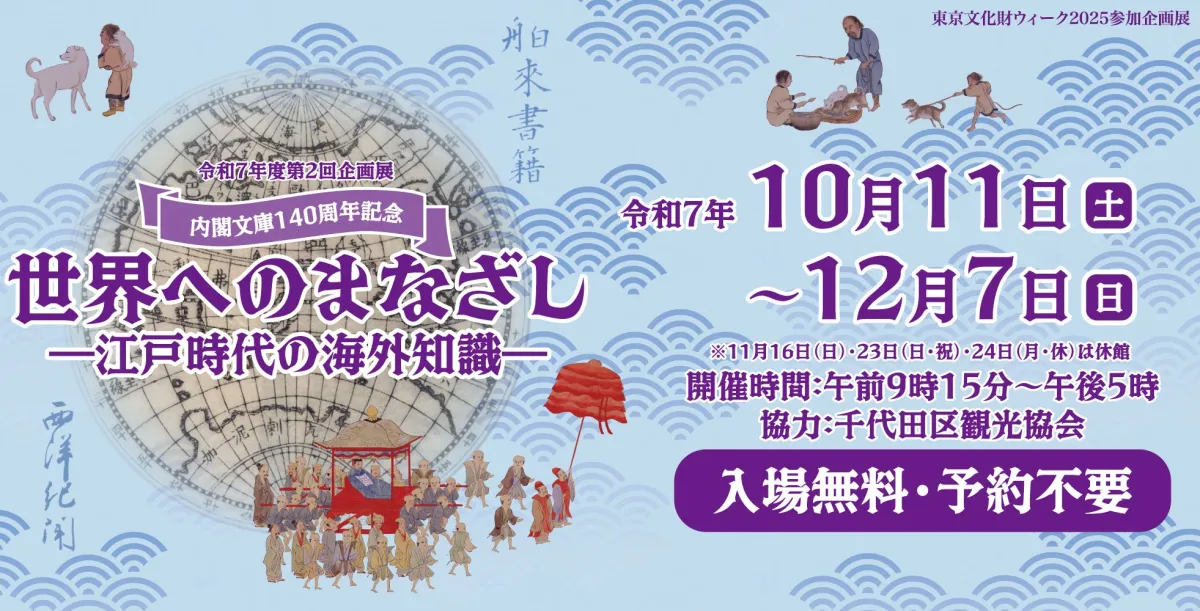
Exploring Foreign Knowledge During Japan's Edo Period: A Special Exhibition Commemorating 140 Years of the Cabinet Library
A Journey into the Edo Period's Global Awareness
The National Archives of Japan is set to host an intriguing exhibition titled "A World View: Foreign Knowledge in the Edo Period" from October 11 to December 7, 2023. This event marks the 140th anniversary of the Cabinet Library, an institution that has greatly contributed to the preservation and dissemination of historical documents related to Japan's complex interactions with foreign cultures during the Edo period.
Prologue
The late 17th century brought a period of stability to East Asia, as China transitioned from the Ming to the Qing dynasty. In Japan, after the turmoil of the Shimabara Rebellion, peace settled under the Tokugawa shogunate, leading to over two hundred years of relative tranquility marked by strict international controls known as "sakoku" (national isolation). Although acquiring information about foreign lands was significantly challenging, the Japanese during the Edo period were not entirely cut off from the outside world. The coming exhibition delves into how people of that era obtained and embraced foreign knowledge despite these limitations.
Chapter I: Visitors and Trade Goods
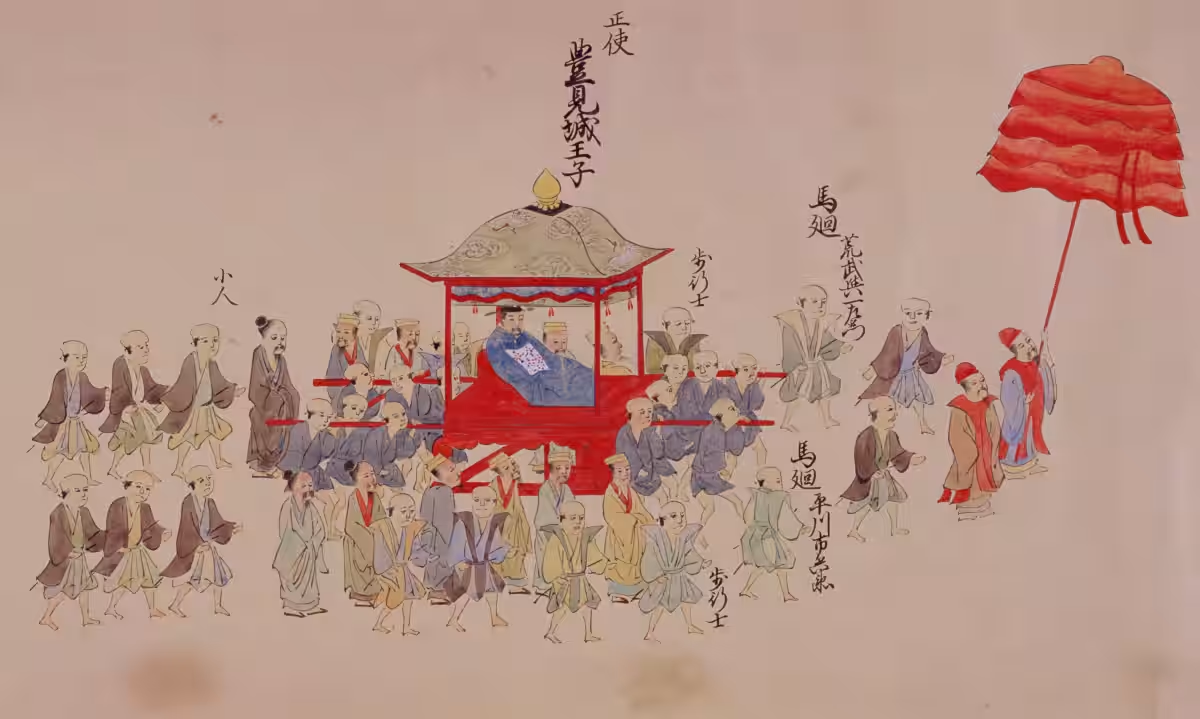
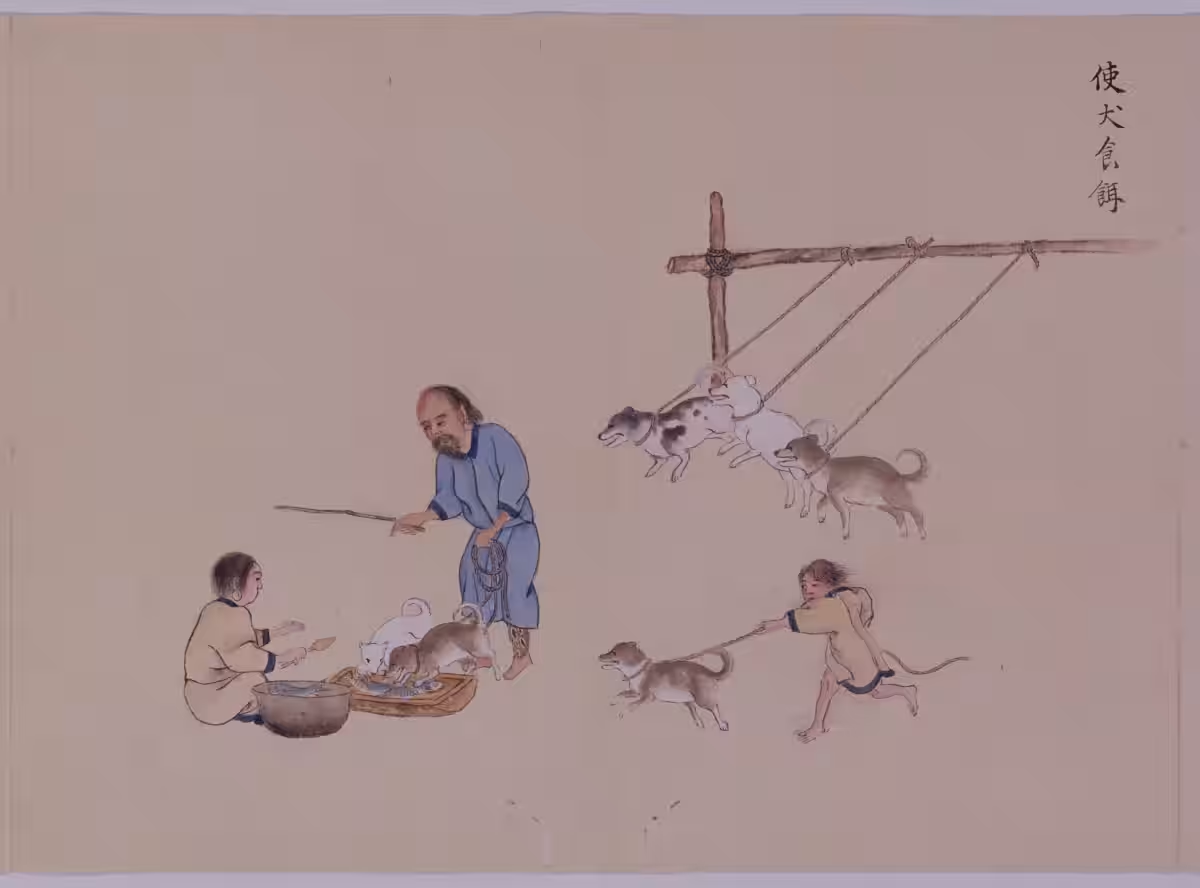
During the Edo period, exchanges with the outside world were limited to four designated locations: Nagasaki, Tsushima, Satsuma, and Matsumae. The Tokugawa shogunate managed its international relations carefully, allowing trade with Dutch and Qing merchants primarily through Nagasaki. Additionally, Japan maintained cultural and diplomatic connections with Korea via the Tsushima domain, with the Ryukyu Kingdom through Satsuma, and with the Ainu people through Matsumae. The material culture and knowledge arriving from these interactions enriched Japanese society significantly. Notably, the Korean envoys and Ryukyu messengers during celebratory occasions showcased Japan's curiosity about foreign lands, a fascination captured in artistic renditions of their processions.
Chapter II: Tokugawa Yoshimune and Global Knowledge
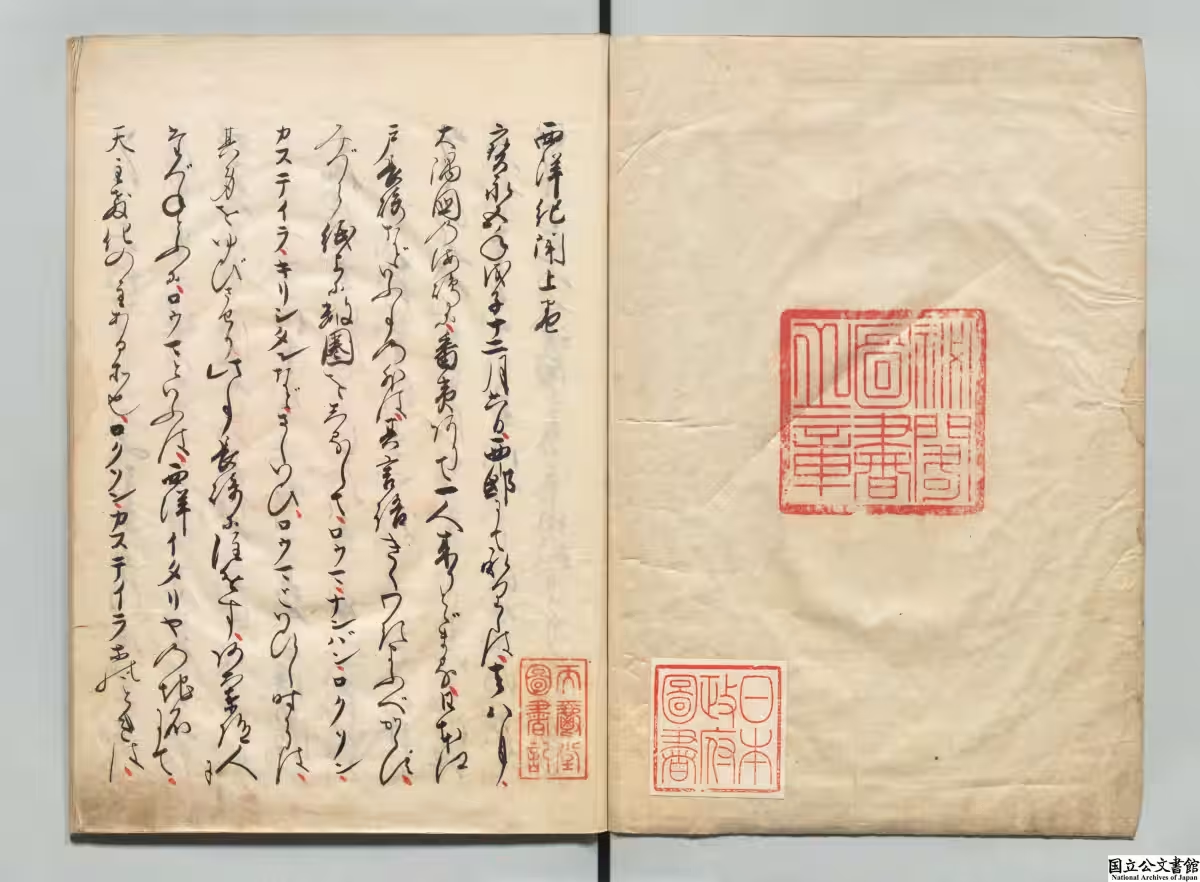
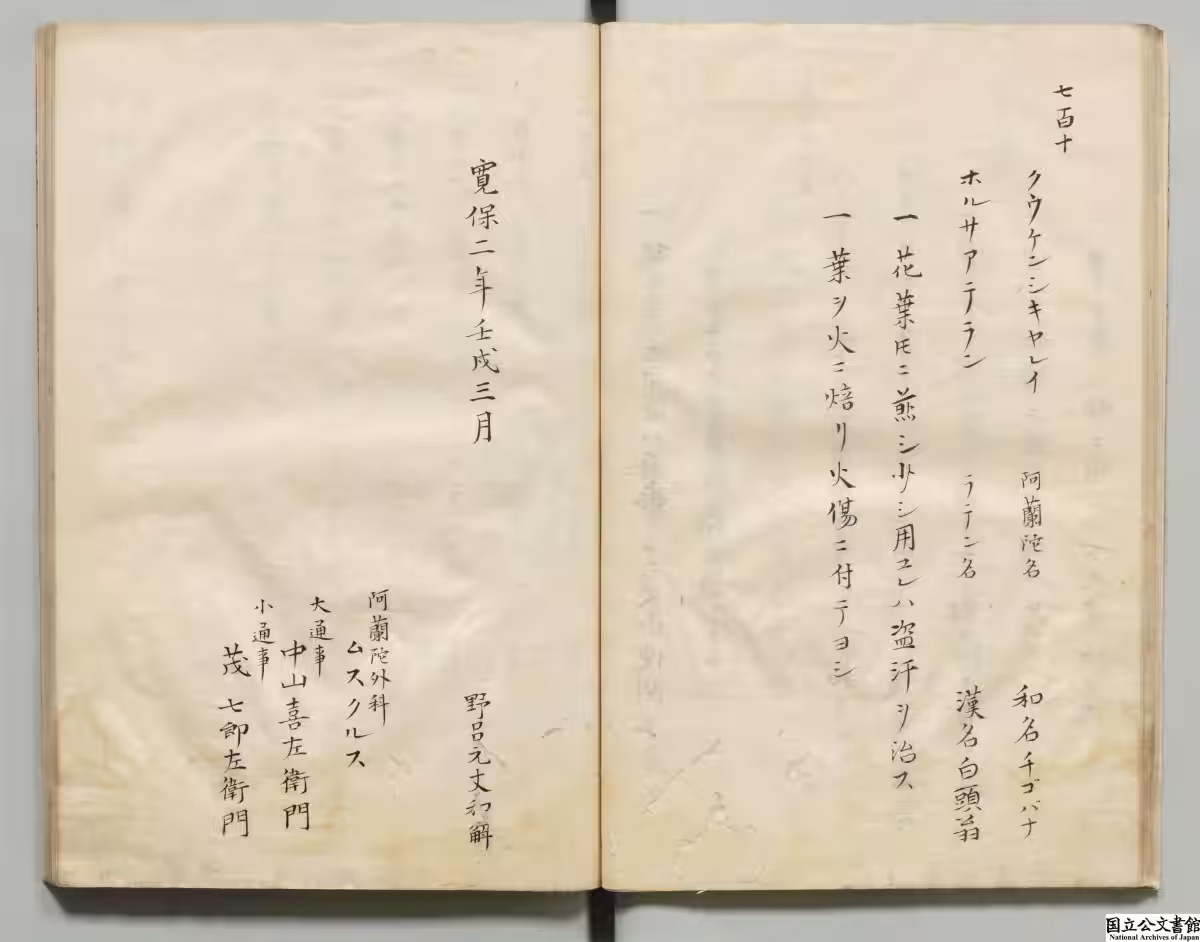
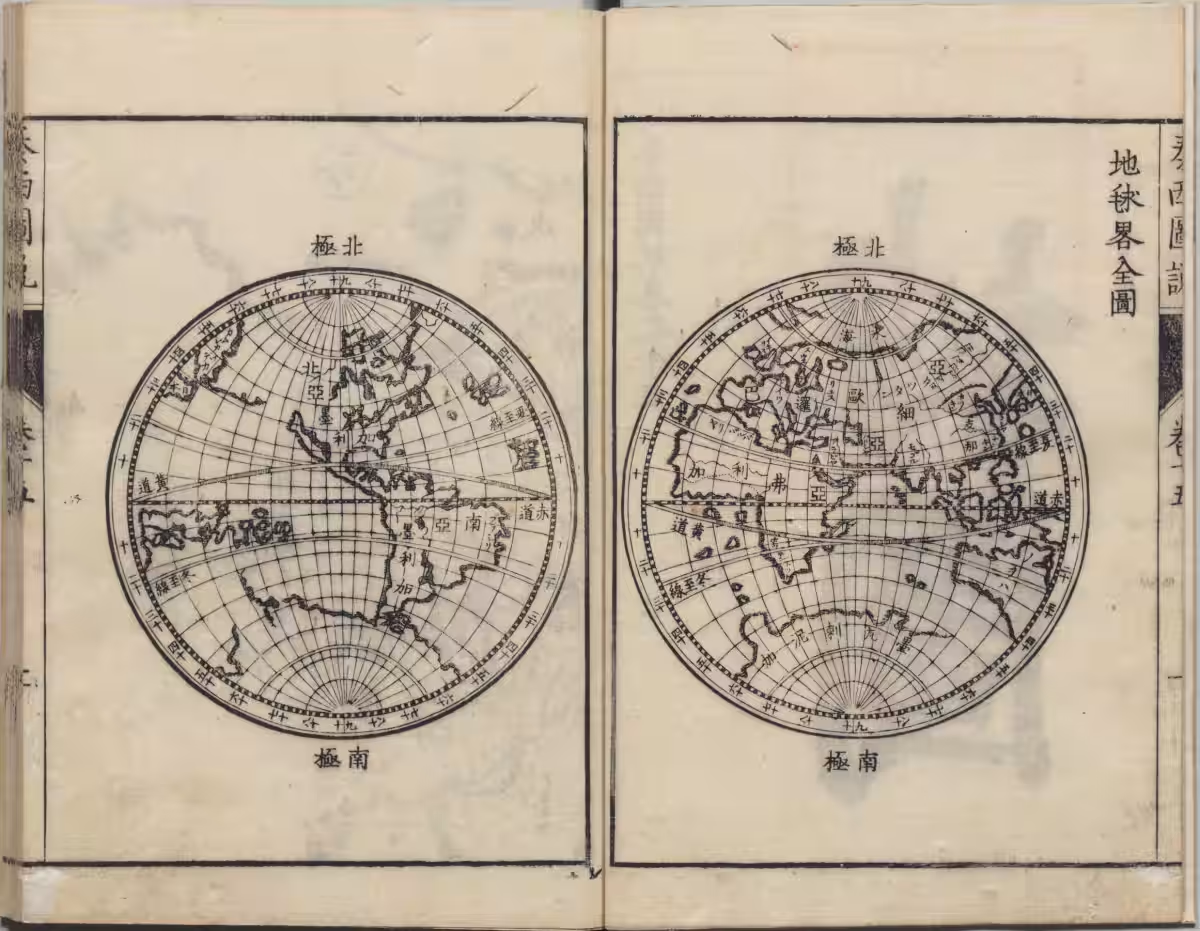
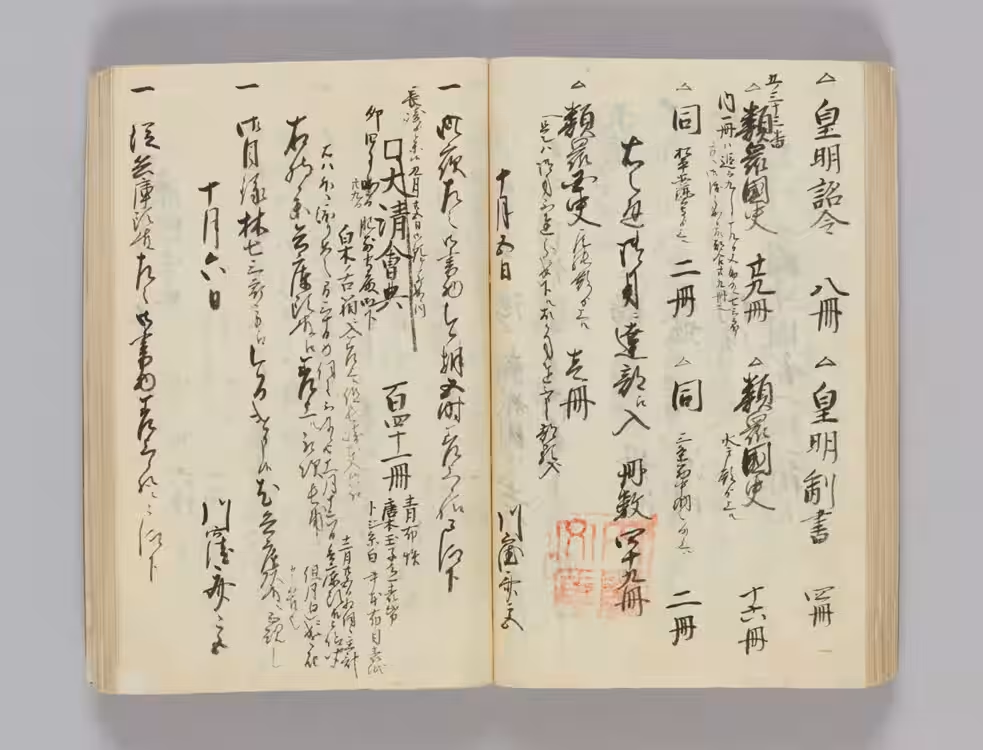
The eighth shogun, Tokugawa Yoshimune, played a pivotal role in expanding Japan's access to foreign literature and knowledge. By relaxing restrictions on imported books, Yoshimune aimed to bolster economic and legal reforms. He not only studied the imported works but also commissioned scholars to produce commentaries and translations, promoting wider dissemination of knowledge. In 1720, he lifted the ban on the importation of Western texts translated into Chinese that did not involve Christian doctrine. This decision opened the door to Western science and eventually led to the rise of Dutch studies (Rangaku) in Japan.
Chapter III: Investigating and Contemplating Foreign Lands
Yoshimune's policies laid the groundwork for future scholars and intellectuals to actively seek out foreign knowledge. During the following generations, individuals started to organize academic societies that transcended social classes, fostering a culture of scientific inquiry. These groups eagerly explored Chinese literature and were increasingly drawn to learning directly from European texts, leading to the collection of knowledge across various fields, including linguistics, natural history, and medicine.
Epilogue
Towards the late 18th century and early 19th century, the expansion of Western powers, including Russia, significantly influenced Japan's international status. The triumph of European science and technology represented a knowledge frontier for Japanese intellectuals. The interest in engaging with European languages, like Dutch and English, reflected a broader ambition to grasp contemporary global knowledge. This engagement not only shaped academic pursuits but also foreshadowed Japan's response to the pressing maritime defense issues that emerged in the 19th century, setting the stage for transformative changes at the end of the Edo period.
Exhibition Details
Title: A World View: Foreign Knowledge in the Edo Period
Collaboration: Chiyoda Tourist Association
Exhibition Period: October 11 (Saturday) - December 7 (Sunday), 2023
(Closed on November 16, 23, and 24)
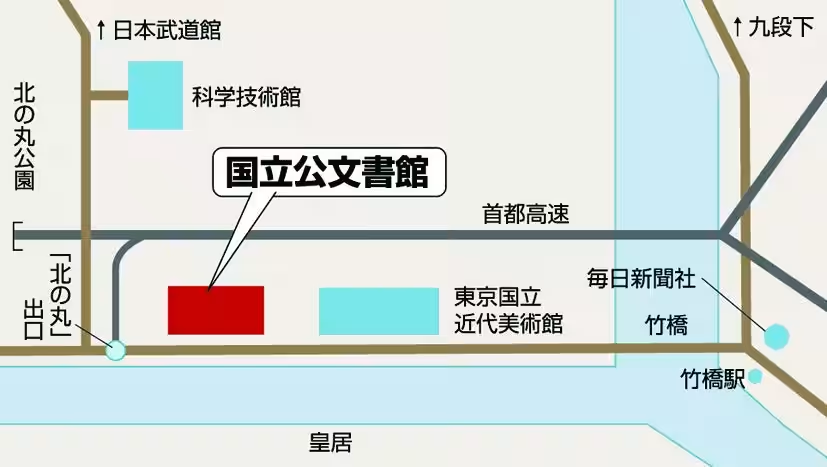
Venue: First Floor Exhibition Hall, National Archives of Japan, 3-2 Kitanomaru Park, Chiyoda-ku, Tokyo, 102-0091
Access: A 5-minute walk from Takebashi Station on the Tokyo Metro Tozai Line, Exit 1b
Opening Hours: 9:15 AM - 5:00 PM
For more information, visit the National Archives of Japan's official website: National Archives
For media inquiries, please contact:
National Archives of Japan Exhibition Department TEL: 03-6680-7206
Topics Entertainment & Media)
【About Using Articles】
You can freely use the title and article content by linking to the page where the article is posted.
※ Images cannot be used.
【About Links】
Links are free to use.