



New Discovery Links Hormone Neuromedin U and Motivation at Okayama University
New Discovery Links Hormone Neuromedin U and Motivation at Okayama University
A groundbreaking study from Okayama University has revealed a significant discovery about the hormone neuromedin U and its influence on motivation. This research, which was published in the prestigious journal Endocrinology on June 5, 2025, sheds light on how this hormone could play a crucial role in regulating motivation and behavioral patterns.
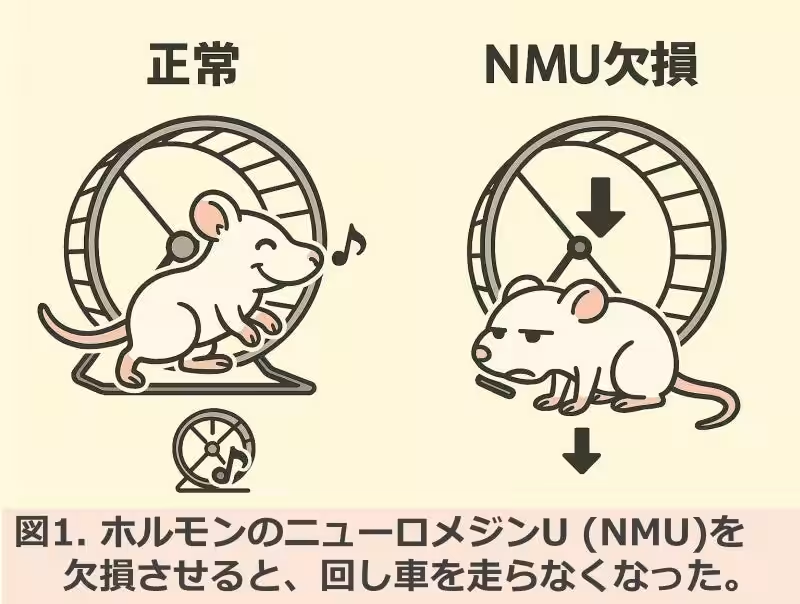
The team, led by Associate Professor Sayaka Aizawa, focused on genetic modifications in rats to examine the behavioral impacts of neuromedin U deficiency. Their findings were intriguing — the absence of this hormone resulted in a dramatic decline in voluntary exercise behaviors, particularly in activities like wheel running, a behavior recognized as a motivational activity in rodents, distinct from mere everyday activities.
Moreover, these rats exhibited a disrupted normal daily rhythm of testosterone levels. Typically, this hormone demonstrates a natural fluctuation throughout the day, peaking at certain intervals. However, the study indicated that such a peak had vanished in the neuromedin U-deficient rats, indicating a possible link between hormonal rhythms and motivational behavior.
This innovative research establishes a new connection that intricately ties together daily hormonal rhythms with motivational states. By elucidating this relationship, the findings hold promise for understanding a range of disorders associated with low motivation, hormonal imbalances, and circadian rhythm disruptions.
As Professor Aizawa expressed, this research could provide meaningful insights into what drives individuals' motivation and how such mechanisms may lead to new treatment innovations for mood-related disorders.
Implications for Future Research
The implications of this discovery are vast. With neuromedin U acting as a potential endocrine factor that links hormone rhythms and motivation, it paves the way for future studies that could explore hormonal therapies in treating conditions like depression and anxiety disorders, where motivation is notably compromised. Researchers are optimistic that a deeper understanding of these connections can lead to targeted treatments that address both hormonal regulation and motivational enhancement.
Conclusion
In light of these findings, Okayama University's research contributes significantly to the field of endocrinology and behavioral science. Not only does it enhance our understanding of hormonal influence on behavior, but it also inspires hope for developing new therapeutic strategies that could one day help individuals struggling with motivation and related mental health challenges. The study stands as a testament to the innovative research being conducted at Okayama University and its impact on global health.
For those interested in diving deeper into the findings, the full article is available online, offering a complete overview of the research methodologies and detailed results.
Reference: Neuromedin U Deficiency Disrupts Daily Testosterone Fluctuation and Reduces Wheel-Running Activity in Rats. Endocrinology



Topics Health)
【About Using Articles】
You can freely use the title and article content by linking to the page where the article is posted.
※ Images cannot be used.
【About Links】
Links are free to use.