




Japan's Trunk Room Market Expands to 93 Billion Yen in 2026, Marking 17 Consecutive Years of Growth
Japan's Trunk Room Market Growth
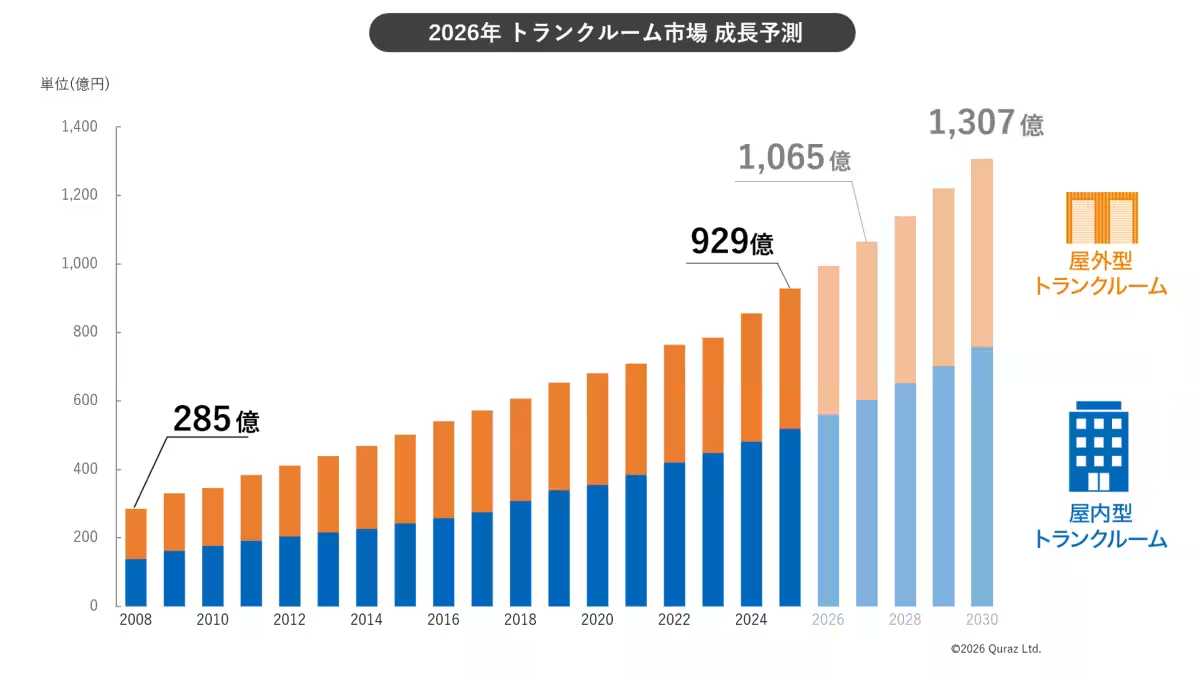
The trunk room market in Japan has shown impressive growth, reaching a staggering 93 billion yen by 2026. This growth trend represents more than a threefold increase since 2008, marking 17 consecutive years of expansion. An insightful report released by Quraz, a leading trunk room service provider based in Shinagawa, Tokyo, offers illuminating insights into these remarkable developments.
Market Overview
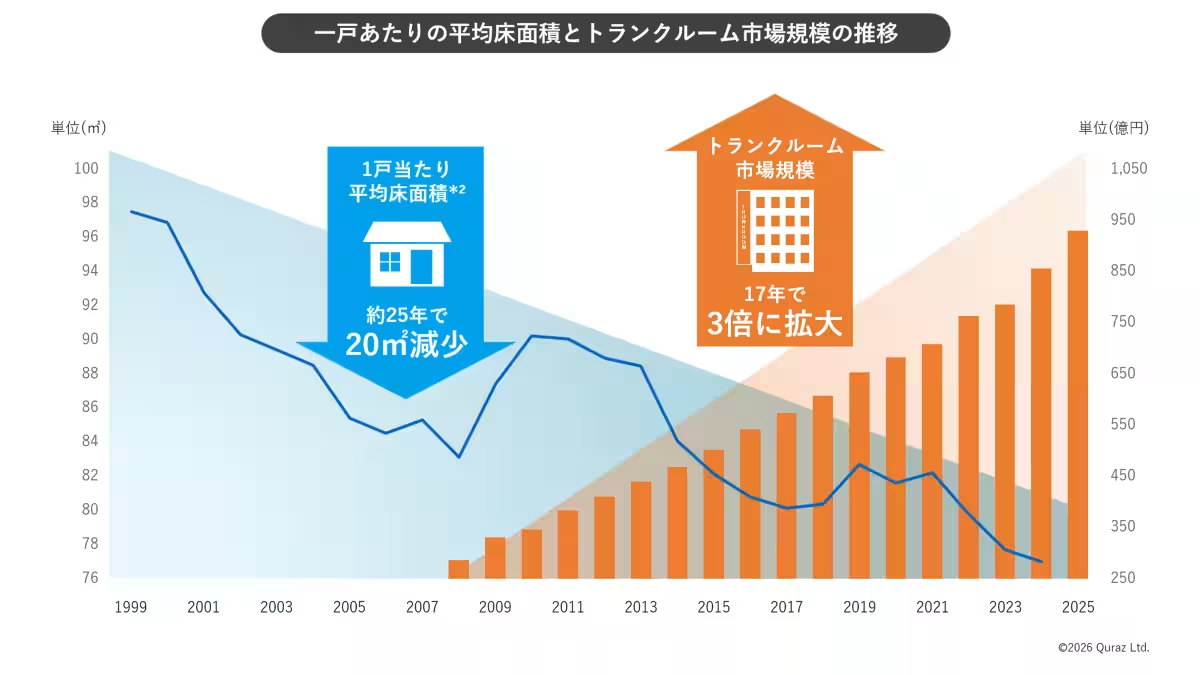
According to the latest survey, the trunk room sector has thrived primarily due to the ever-changing urban environment. Over the past 25 years, the average floor area of residential homes has decreased by approximately 20 square meters, highlighting the increasing space constraints many urban dwellers face today. In stark contrast, the number of trunk room facilities across the nation has surpassed 16,000, even exceeding the number of family restaurants in Japan, which currently stands at 9,525. This vast availability of trunk rooms has turned them into a vital new form of societal infrastructure for city living.
This transition denotes a shift towards external storage solutions as more individuals and businesses recognize their need. The total number of trunk room units has also peaked at 670,897, representing the highest number listed in recorded history, which signifies a growing adaptation to diverse storage needs for both personal and corporate use.
Indoor Trunk Room Market Dynamics
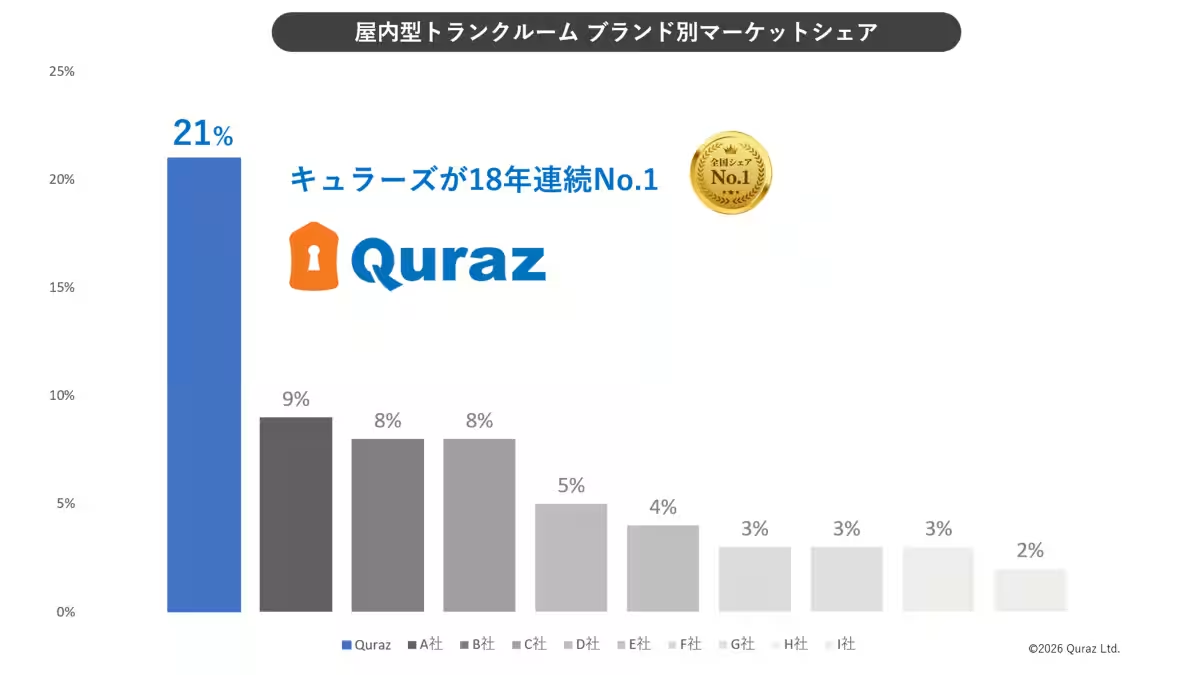
Within the indoor trunk room sector, Quraz has maintained the top market share for an impressive 18 consecutive years, securing around 21% of the market. Competitors follow with shares below 10%, underscoring Quraz's dominance in this space. As the demand for safe and reliable storage increases, the market for indoor trunk rooms has recently crossed the 500 billion yen threshold, achieving approximately fourfold growth since 2008.
Interestingly, about 36% of trunk room facilities are concentrated in the 23 wards of Tokyo, which speaks volumes about the city’s shifting space dynamics that increasingly rely on external storage facilities. The market for premium standalone trunk rooms has also surged to 19 billion yen, expanding ninefold since 2008, responding to higher standards of quality and safety desired by users.
Structural Challenges and Market Outlook
With the average living area shrinking from 97.5 square meters in 1999 to an expected 77 square meters in 2024, urban homeowners are left grappling with the shortage of personal storage. This structural challenge further intensifies the need for trunk room services, reinforcing their role as a significant pillar of urban living infrastructure.
Market experts highlighted that this enduring growth trajectory reflects the sector's resilience against economic fluctuations, continuing to thrive on the evolving needs and lifestyles of consumers. Given this stable market environment, the growth outlook remains positive, suggesting sustained demand and an ever-expanding footprint of trunk room services across urban landscapes.
Looking Forward
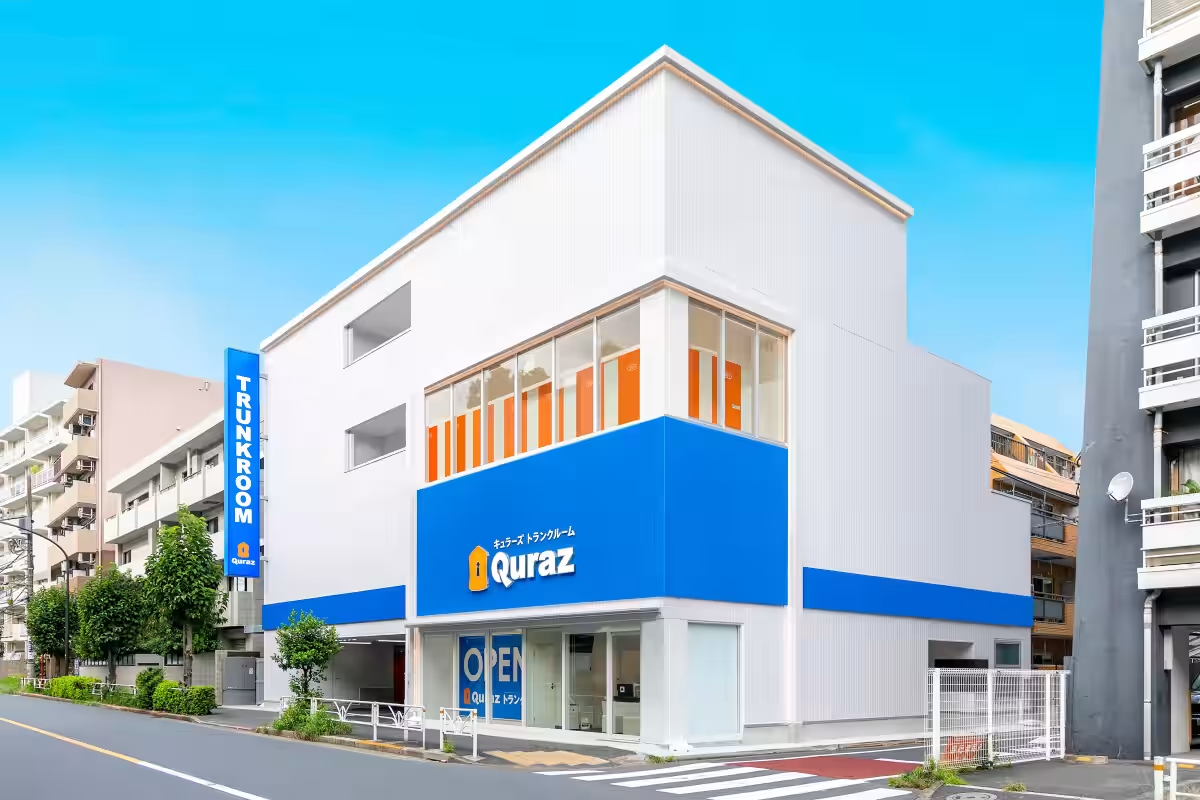
Reflecting on its journey, Quraz, which has been instrumental in driving market growth over the past 25 years, is poised for further expansion as it prepares to celebrate its anniversary in 2026. New locations are set to be opened soon, including new facilities in Higashi-Totsuka and Koto, focusing on meeting the urban population’s increasing demands.
CEO Steve Spawn, who has led the company since relocating to Japan in 2009, emphasizes the quality and value of services provided by Quraz, which have satisfied over 180,000 customers since its inception. He remains committed to enriching urban communities while continuing to achieve growth and innovation in trunk room services.
For additional details and service inquiries, visit Quraz's official website. Their dedicated commitment to quality continues to pave the way for enhanced community resilience in Japan's increasingly urbanized landscape.


Topics Consumer Products & Retail)
【About Using Articles】
You can freely use the title and article content by linking to the page where the article is posted.
※ Images cannot be used.
【About Links】
Links are free to use.