



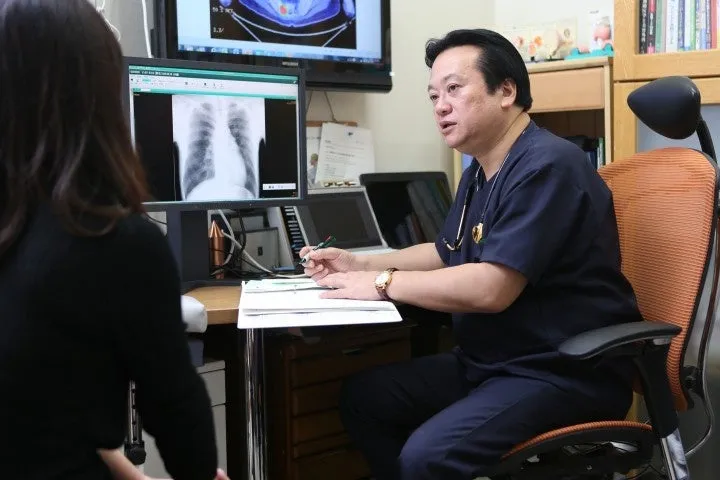
Navigating the Overwhelm of Breast Cancer Treatment Information: Organizing Choices and Seeking Second Opinions
Understanding Breast Cancer Treatment Choices
When dealing with breast cancer treatment, it’s common to have lingering doubts and questions such as:
- - "Is my current treatment plan the right choice?"
- - "What does the future hold for me?"
- - "I’m overwhelmed by the amount of information available; how should I use it?"
These feelings are not unique and can arise from the long-term nature of treatments, or the complex balance of managing life and work alongside health concerns. The burden of navigating through both treatment decisions and information understanding can often feel insurmountable.
The Importance of Organizing Information
Today, the internet is flooded with diverse information on breast cancer. However, much of this data can complicate rather than clarify. Reasons include:
- - The varying conditions of individuals’ diagnoses and treatment histories.
- - The presentation of only select cases which may not accurately reflect one’s own circumstances.
- - Difficulty in determining the relevance of found information to personal situations.
Consequently, gathering information may inadvertently heighten anxiety rather than alleviate it. The key is not simply accumulating data but rather organizing it from a personal perspective that reflects your unique situation.
Establishing Your Own Priorities
When reflecting on treatment options, consider articulating your priorities first. This may include:
- - Current aspects of treatment you deem most important.
- - Non-negotiable points regarding life and work balance.
- - Areas where your anxiety is most pronounced.
By articulating these points, discussions with your primary physician can become more structured and your information absorption can be clearer and more targeted.
Creating Opportunities for Confirmation
If uncertainties or questions arise regarding treatment, utilizing your primary doctor’s explanations as a foundation for formulating clarifying questions can be beneficial. It’s also effective to reach out to multiple sources, such as cancer consultation support centers or health organizations, to deepen your understanding of treatment strategies. It’s crucial to refrain from rushing to conclusions or leaving unaddressed uncertainties. Make a note of essential questions, like:
- - “What is the aim of my current treatment?”
- - “What lifestyle impacts should I watch for?”
These notes make discussions more focused, maximizing comprehension during a physician's explanations.
Insights for Discussion with Your Doctor
Preparing specific focal points prior to consultations can lead to better understanding. Some useful perspectives include:
- - The objective of the current treatment.
- - Critical factors to consider regarding lifestyle impacts.
- - Future points to confirm that have not been discussed yet.
By organizing these thoughts in advance, the understanding of the physician's explanations can improve significantly.
Prioritizing Information Before Making Decisions
Treatments don’t always require immediate decisions. Before determining a course of action:
- - Organize your information.
- - List your questions and uncertainties.
- - Reflect on the information you’ve received.
Taking these steps can foster a sense of calm during what can be a highly stressful time.
Conclusion
This article solely aims to provide general information and does not endorse any specific treatment options or medical procedures. Always make sure that diagnosis and treatment decisions are made based on individual consultations with a physician.
For more assistance, you may contact Takara Clinic, located at:
- - Address: 9th Floor, Taisei Building, 2-3-2 Higashi Gotanda, Shinagawa-ku, Tokyo
- - Contact: 03-5793-3623
- - Email: [email protected]
- - Website: Takara Clinic
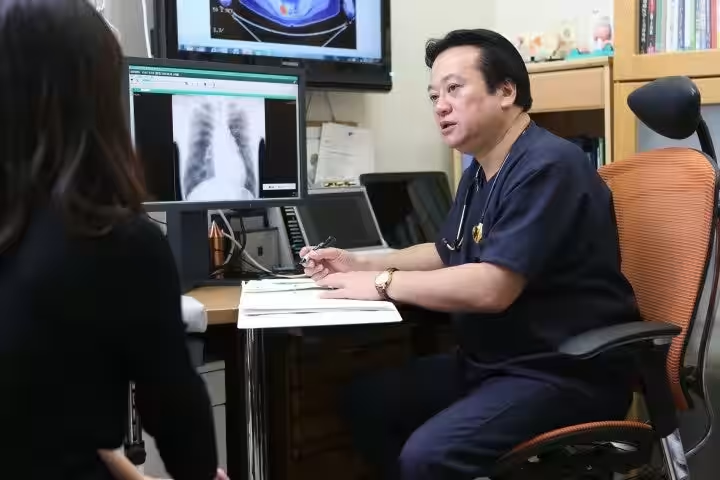
Managed by Dr. Tsutomu Takara.
Topics Health)
【About Using Articles】
You can freely use the title and article content by linking to the page where the article is posted.
※ Images cannot be used.
【About Links】
Links are free to use.