




Unlocking the Power to Forget: Psychological Techniques for Letting Go of Unpleasant Memories
Discover the Art of Forgetting Unpleasant Memories
Our minds are filled with a vast array of memories, but some memories can weigh heavily on our minds long after the events have passed. Many people grapple with the inability to forget negative experiences - perhaps a harsh comment from a friend or a mistake at work - bringing up feelings of discomfort and regret time and again. In response to this common struggle, a new book titled "Psychology of Forgetting Unpleasant Memories", authored by Kobayashi Masanori, offers readers a comprehensive guide to mastering the art of forgetting.
Understanding Memory: The Foundation of Forgetting
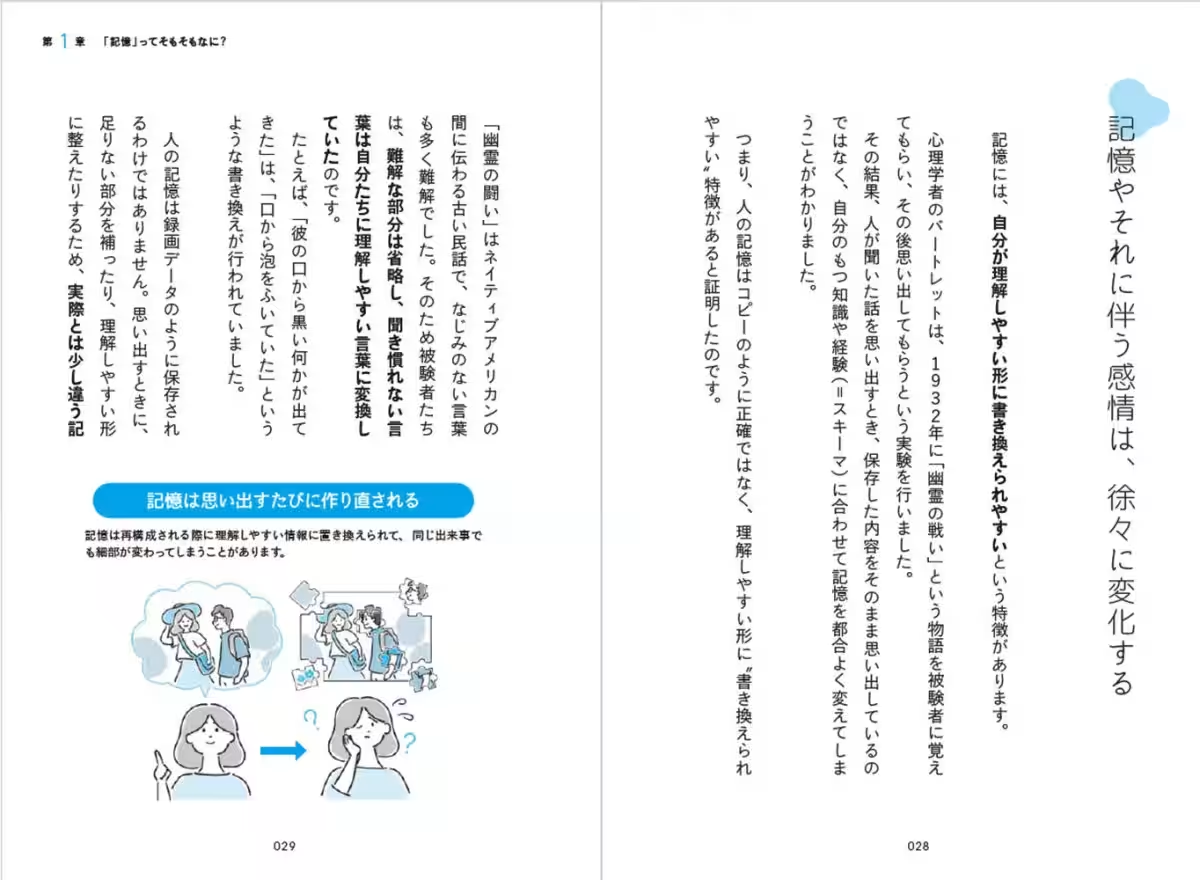
This innovative book, set to be released on May 19, 2026, is supported by the research and expertise of Associate Professor Masanori Kobayashi from Yamagata University. It begins with fundamental questions about memory itself: What exactly constitutes memory? How do memories form? Why do certain unwanted memories linger long after their occurrence? By delving deep into these inquiries, the book provides readers with a clear understanding of the mechanisms behind memory and emphasizes the connection between psychology and the act of forgetting.
Evidence-Based Techniques to Forget
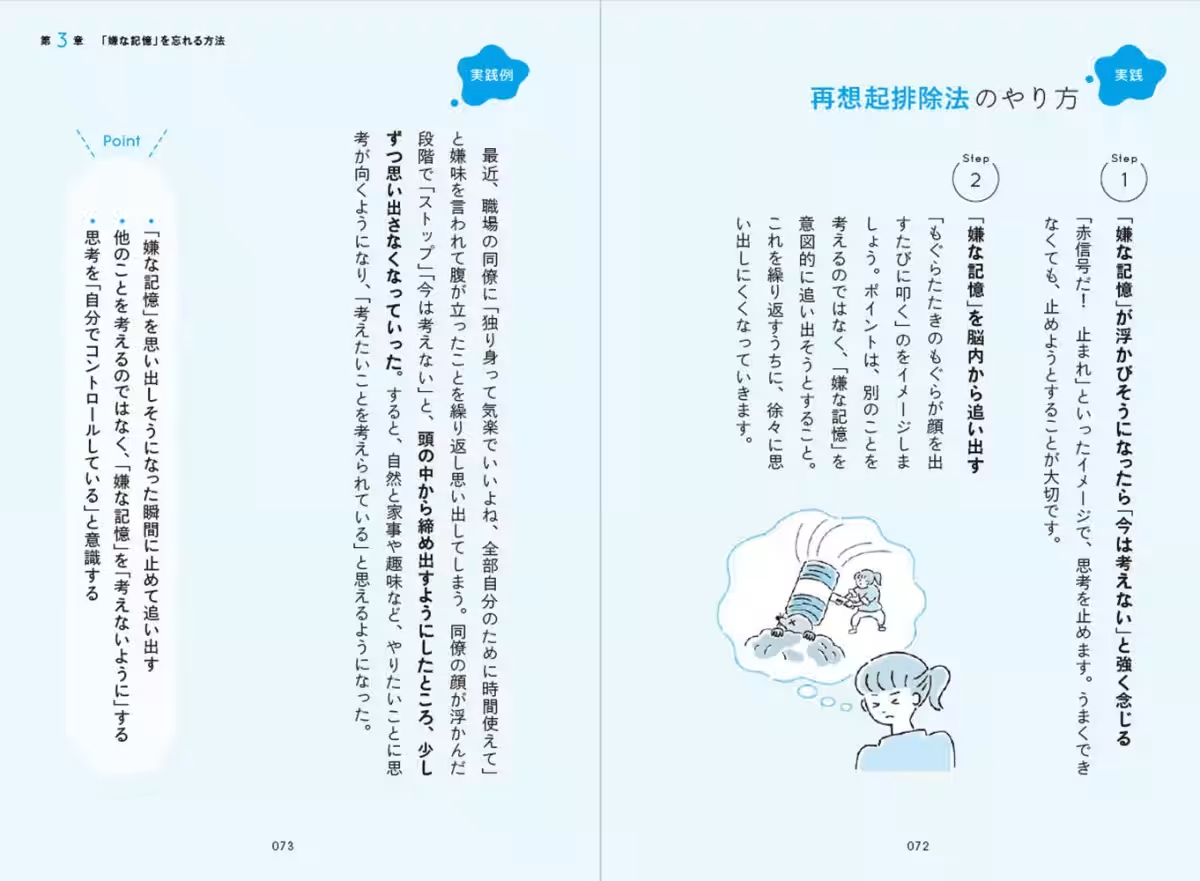
Kobayashi’s book shines a spotlight on 13 practical techniques that anyone can implement to diminish the grip of negative memories. He demonstrates that forgetting is not just an abstract concept; it is a skill that can be cultivated through intentional practice. Based on solid evidence, these techniques are designed to guide individuals in recognizing their unwanted thoughts, reframing their narratives, and ultimately letting go of the burdens that accompany those memories.
Techniques Overview:
1. Understanding the Nature of Memory: Grasping how memory works is the first hurdle to overcoming the persistent thoughts that plague us.
2. Behavioral Modifications: Identifying and altering behaviors that reinforce negative memory retention is crucial.
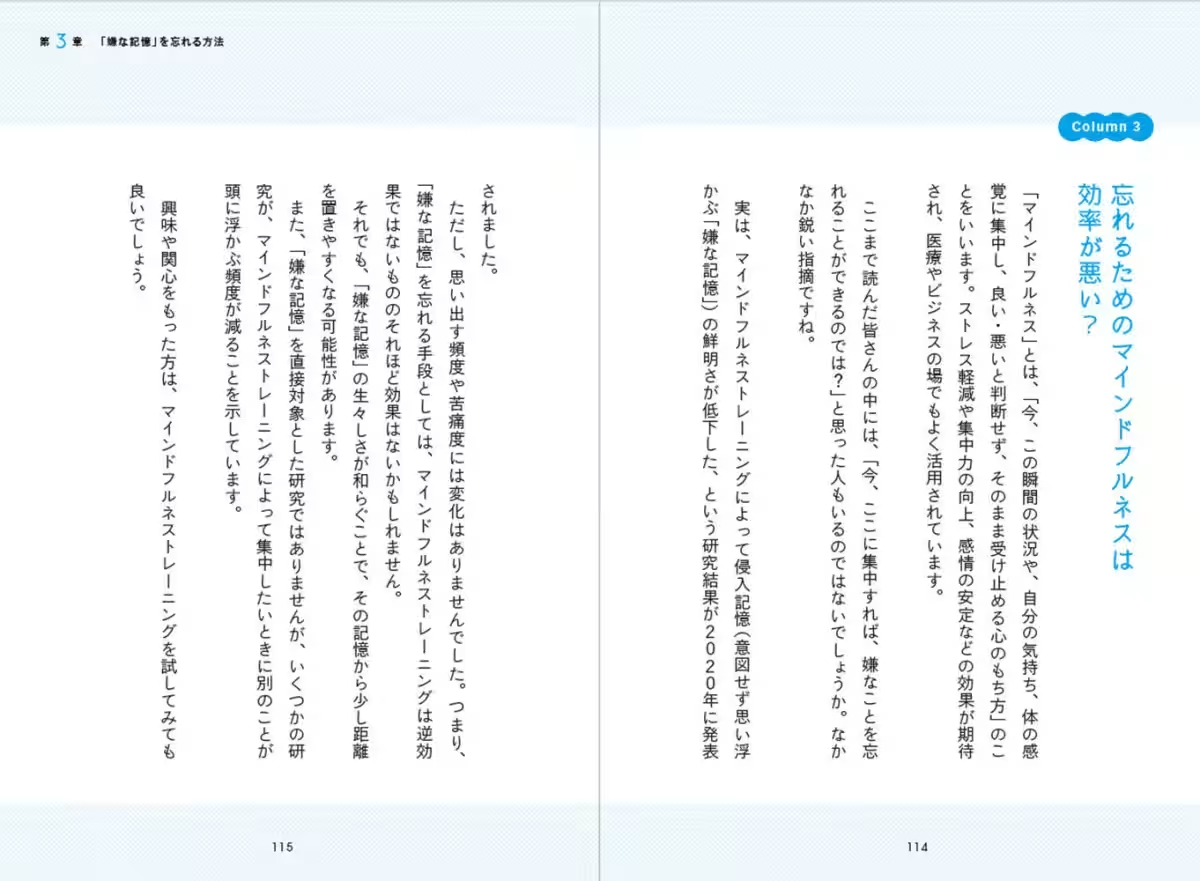
3. Mindfulness Practices: Engaging in mindfulness can help redirect your thoughts away from distressing memories.
4. Journaling Exercises: Writing down feelings and reviewing them with a new perspective can facilitate emotional release.
These techniques are not only straightforward, but they also cater to various preferences, allowing each reader to find methods that resonate with them personally. The ability to choose from this selection means that anyone can embark on the path toward a more liberated state of mind.
A Practical Guide for Contemporary Life
In the fast-paced world we live in, many find themselves obsessing over past mistakes or negative interactions, inhibiting their mental well-being. "Psychology of Forgetting Unpleasant Memories" presents a valuable resource for anyone wishing to break free from this cycle. The blend of scientific backing and practical advice ensures that readers will not only learn about memory but will also gain effective strategies to transform their life.
Table of Contents:
1. What is "Memory" Anyway?
2. Why Are Unpleasant Memories Hard to Shake Off?
3. 13 Effective Methods for Forgetting Unpleasant Memories
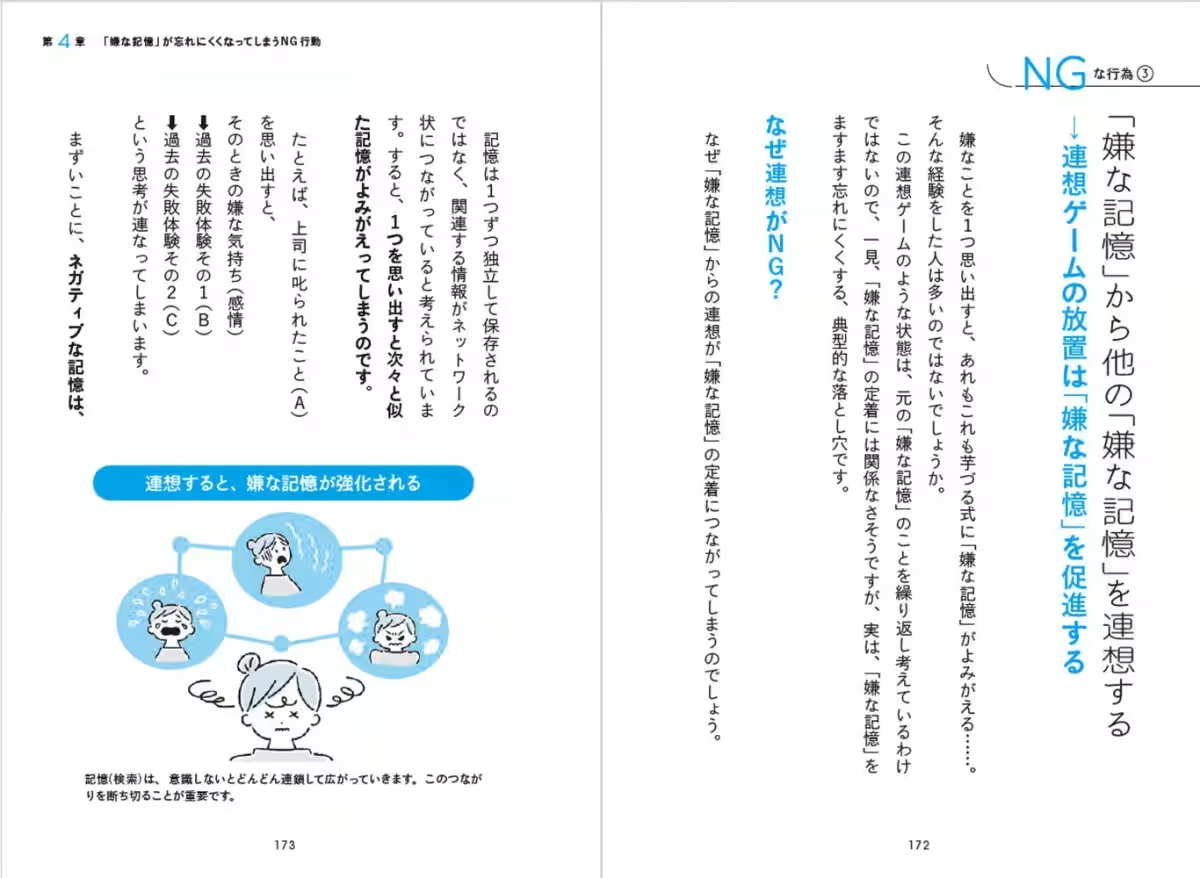
4. Common Mistakes That Make Unpleasant Memories Harder to Forget
About the Book
- - Title: "Psychology of Forgetting Unpleasant Memories"
- - Author: Kobayashi Masanori
- - Publisher: Seitosha Co., Ltd.
- - Release Date: May 19, 2026
- - Price: ¥1,540 (including tax)
- - Pages: 192
- - ISBN: 9784791635245
Where to Find It
Available on Amazon and Rakuten Books.
This insightful book serves as a beacon for anyone eager to reclaim their peace of mind and navigate through the complexities of human memory with confidence and understanding.

Topics People & Culture)
【About Using Articles】
You can freely use the title and article content by linking to the page where the article is posted.
※ Images cannot be used.
【About Links】
Links are free to use.