



Transform Your Spring Wardrobe: Save Money with DIY Cleaning Tips!
Spring Wardrobe Transition: Save Big on Cleaning Costs
As the days grow warmer and spring approaches, it's the perfect time to transition your wardrobe. This year, you can not only freshen up your clothing but also significantly reduce your cleaning costs. Many items that usually require professional dry cleaning can easily be washed at home, allowing you to save both money and time.
Debunking the Dry Mark Myth
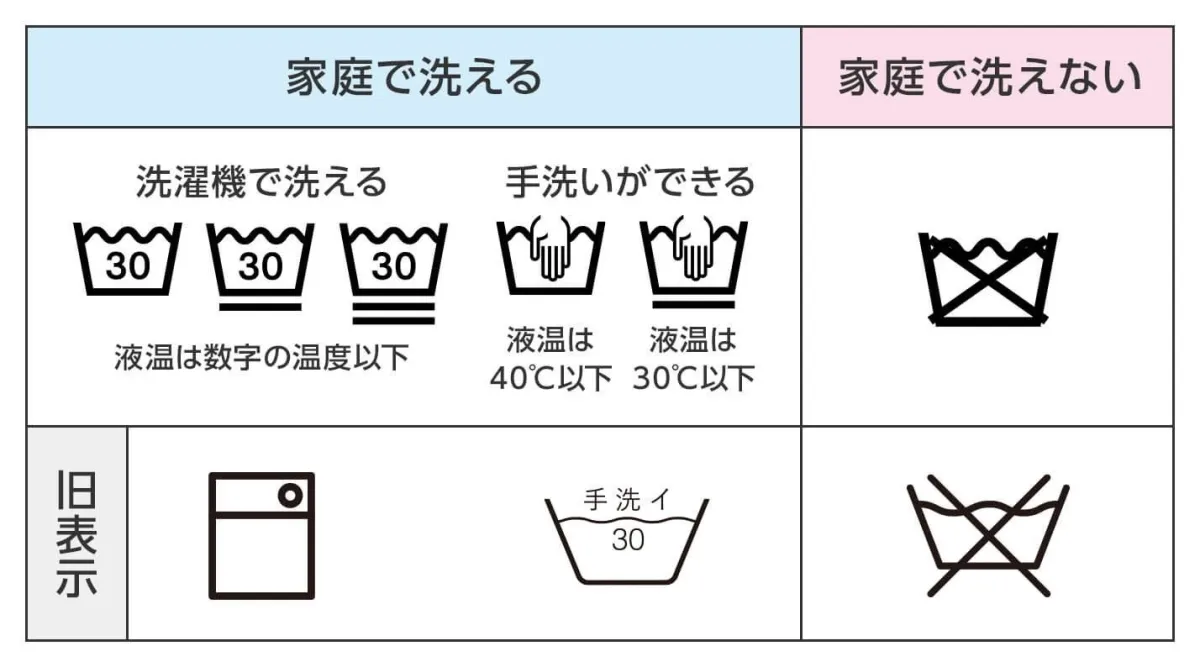
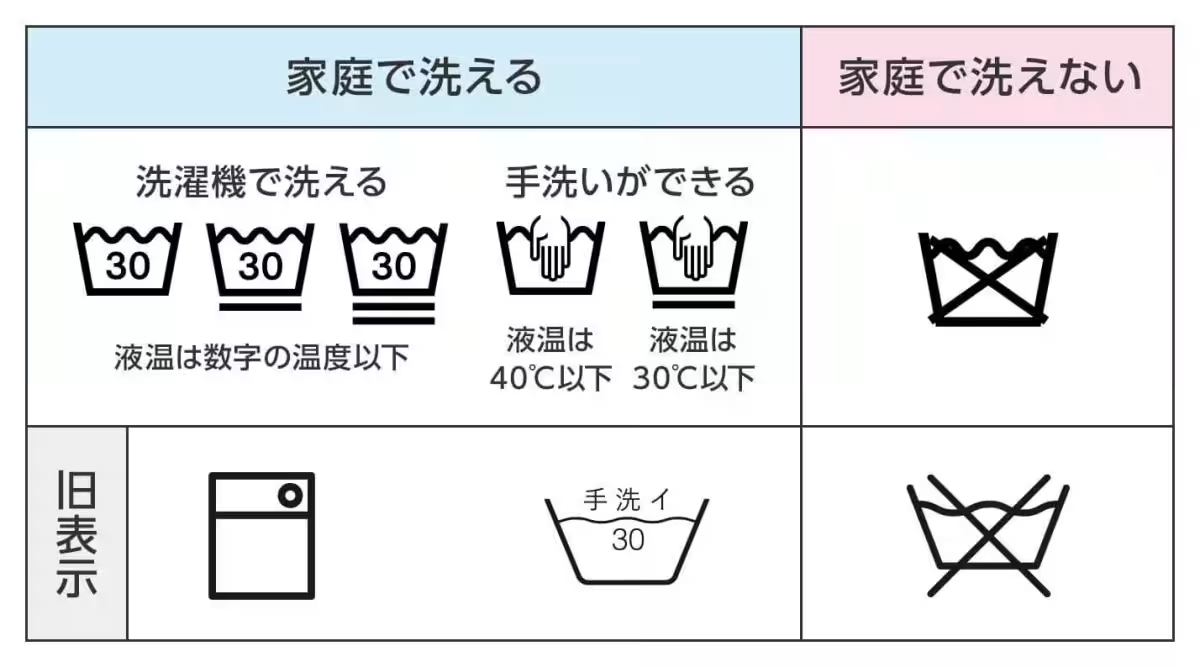
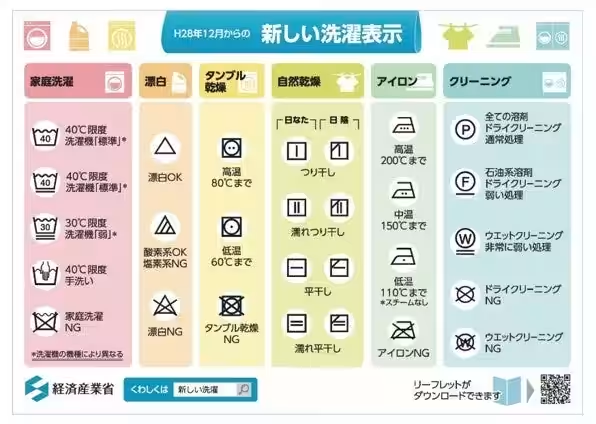
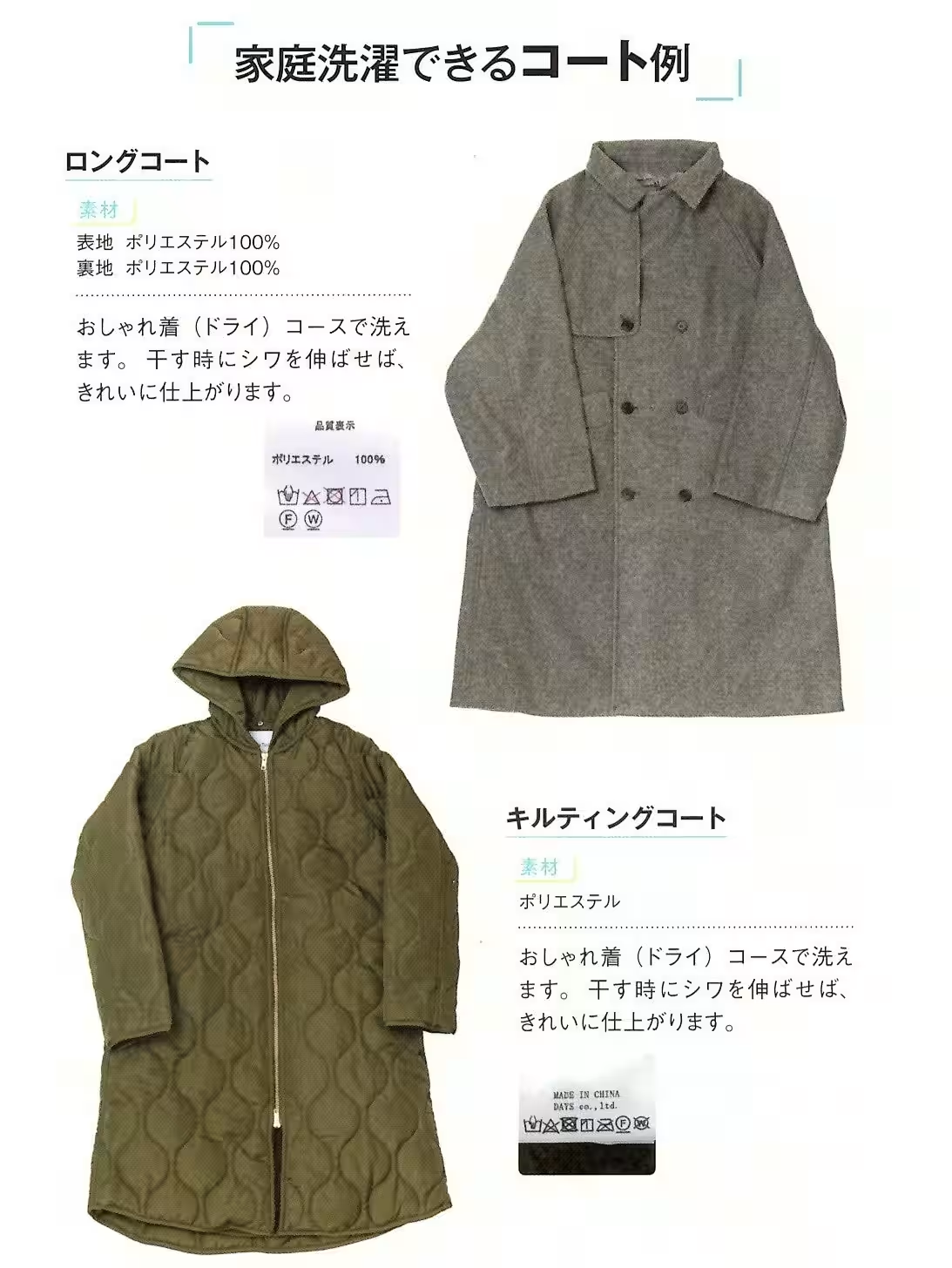
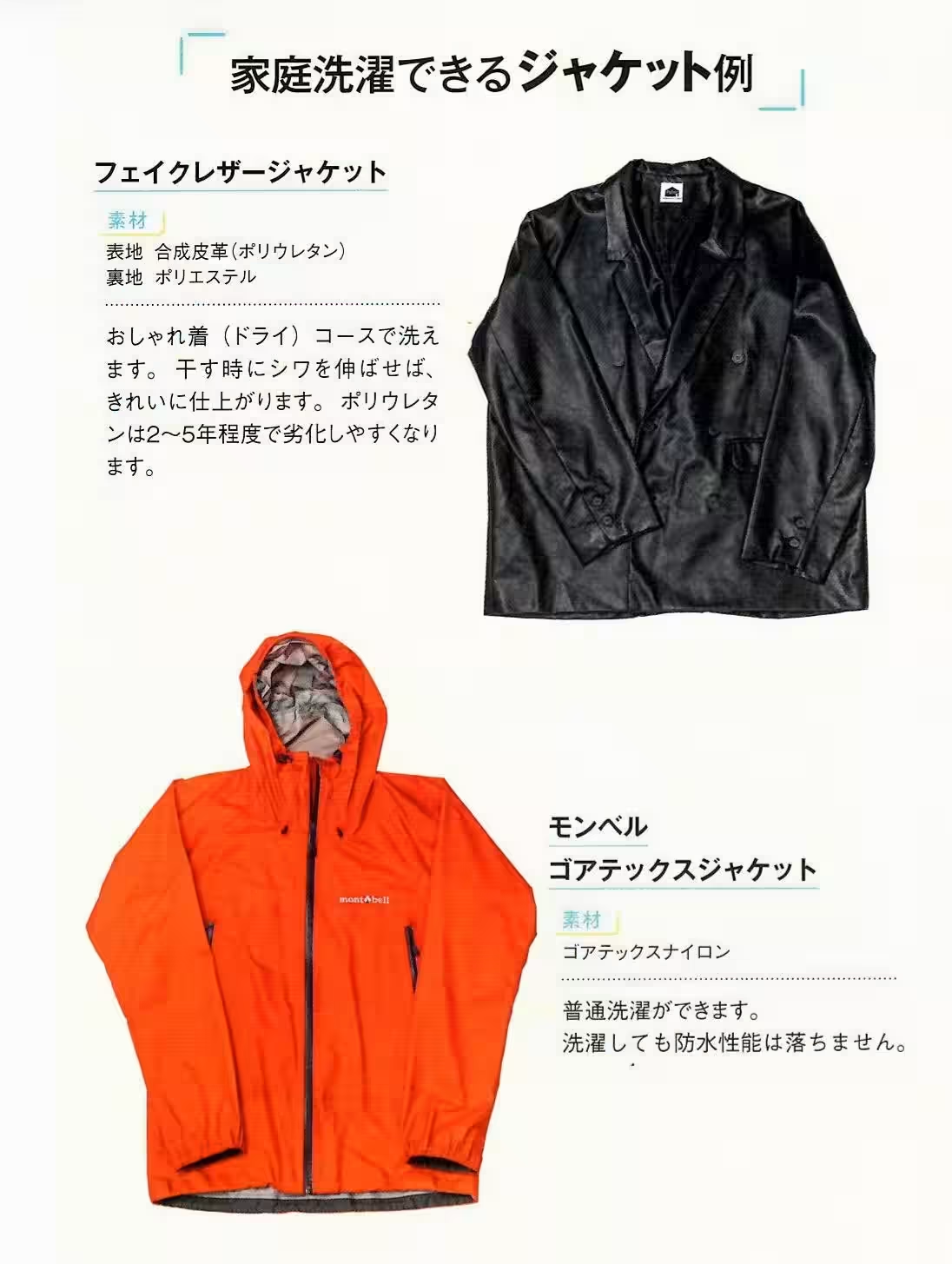
One common misconception is that clothing labeled with a 'dry clean only' mark is not washable at home. In reality, a 'dry clean' label merely indicates that the item can be cleaned with dry cleaning solvents, not that it must be. In fact, irrespective of the label, many garments can be washed safely at home without compromising their quality.
As a general rule, clothes made primarily of synthetic fibers like polyester, nylon, and acrylic can often withstand home washing, provided you follow the manufacturer's care instructions. Knowledge of the labels will help you understand which items are washable and the appropriate washing techniques for each.
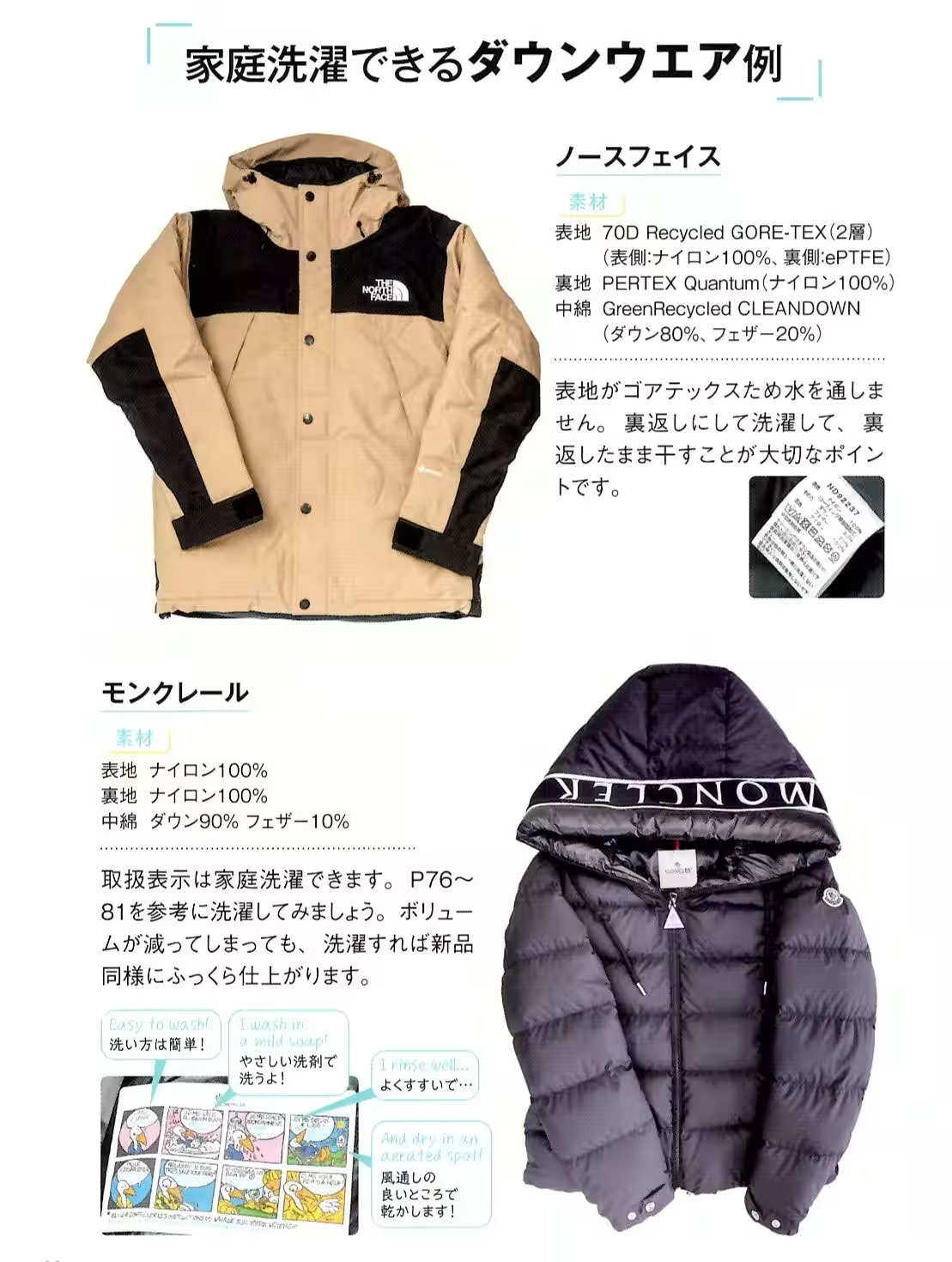
For instance, if an item has a hand wash symbol, it can usually be placed in the washing machine on a gentle cycle designed for delicate fabrics. Surprisingly, even high-end down jackets can be successfully washed at home for much less than the typical dry cleaning fee of around 1,500 yen—washing them yourself will cost you only about 50 yen!
The Superiority of Home Washing over Dry Cleaning
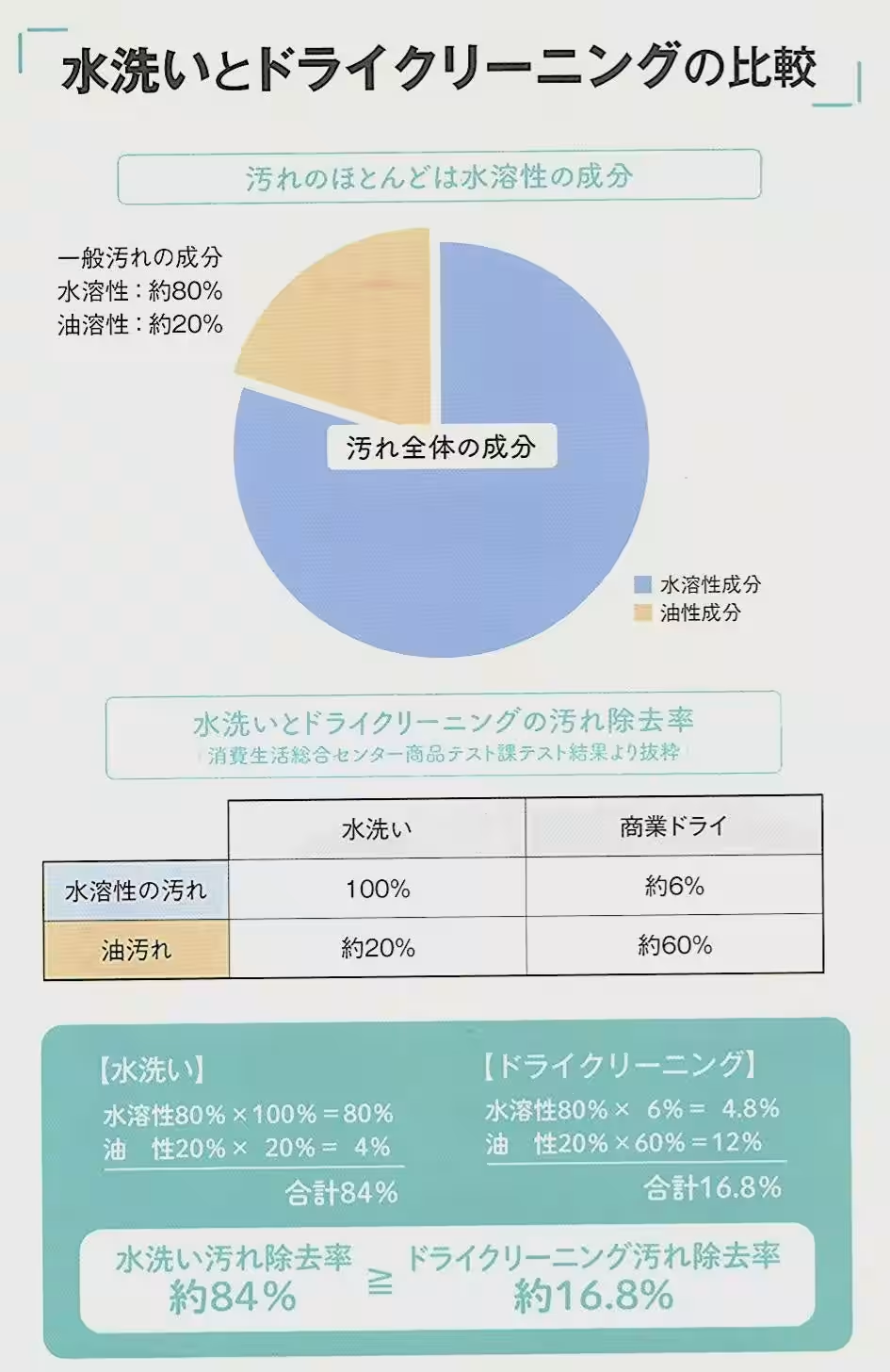
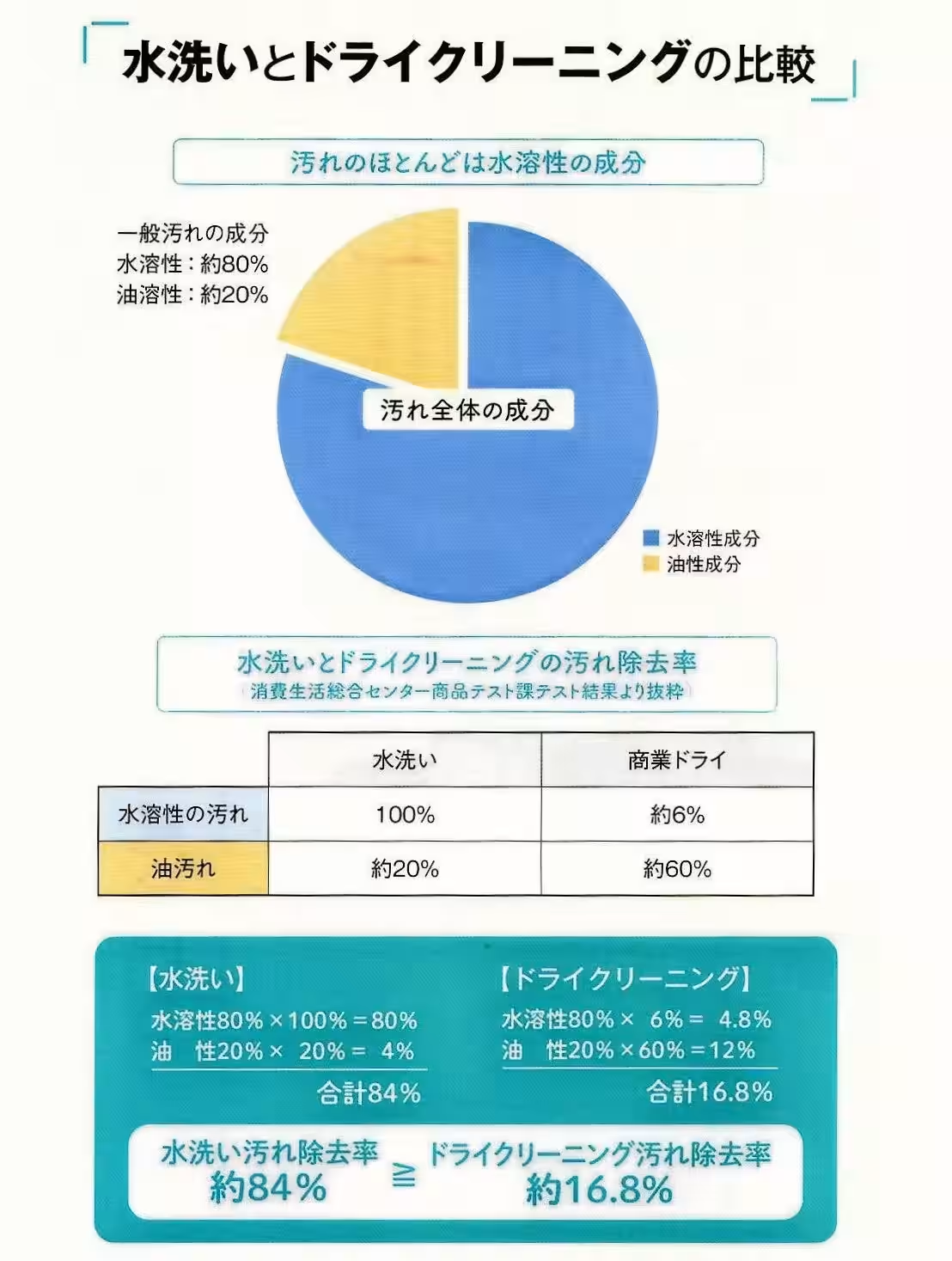
Why is home washing often better for your clothes? Studies show that commercially dry cleaned items tend to retain a significant amount of dirt, sweat, and food stains. In fact, water washing can eliminate 80% or more of these stains, while dry cleaning rarely removes more than 20%. Moreover, because dry cleaners reuse solvents, the same fluid can become saturated with dirt and chemicals, leading to odor and discoloration over time. Also, many dry cleaning solvents contain harmful chemicals hazardous to both human health and the environment, prompting a shift to water-based washing practices in many developed countries.
Getting Started with Home Cleaning
For Down Jackets:
1. Pre-Cleaning: Identify and treat dirty areas like collars, cuffs, and pockets with a sponge soaked in warm water and detergent.
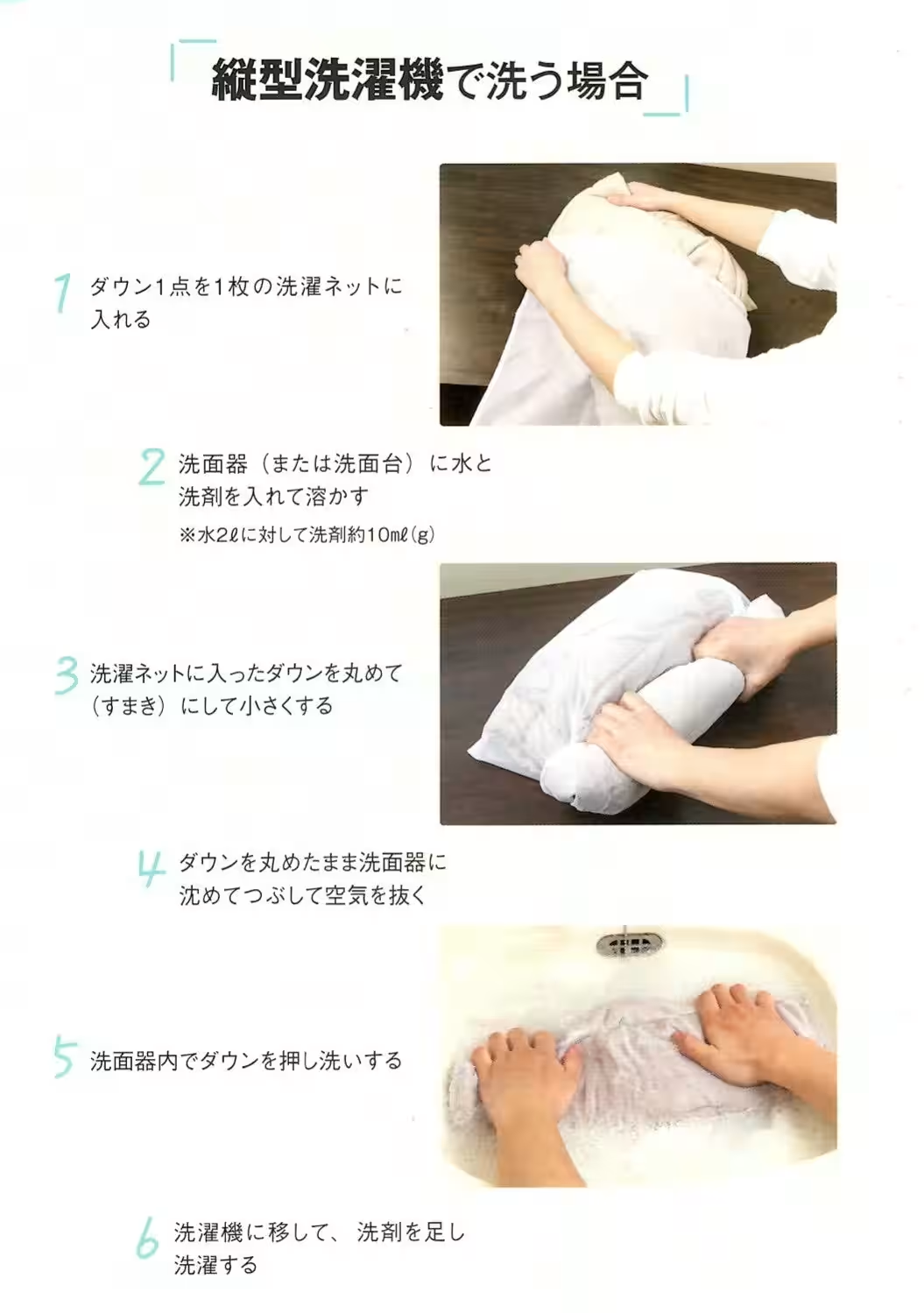
2. Washing in Top-Loading Machines:
- Fold the jacket so the dirty areas are on the outside and place it carefully in a wash net.
- Roll it from the edge to expel air and add this bundle to the washing machine on a gentle cycle.
3. Washing in Front-Loading Machines:
- Place the jacket directly into the drum (without a wash net) along with other items to balance the load.
- Use a gentle wash setting.
4. Post-Wash:
- Air-dry in a well-ventilated area (avoid the dryer while damp) and fluff it up in the dryer briefly after it's dry to retain its shape.
For Outerwear:
1. Scrub dirty areas with a detergent and warm water mix using a soft brush or sponge.
2. Follow the washing instructions as indicated on the label; usually, a standard or gentle cycle based on the fabric type is best.
3. After washing, reshape and allow to dry naturally without introducing heat to avoid wrinkles.
Important Tips:
- - Avoid using fabric softeners, and stick to standard laundry detergent instead of stylish wear detergents. Softener ingredients may cause the down to clump together and lose its fluff, and it can also hinder the garment’s natural water absorption and insulation properties.
Learn More!
For detailed guidance, check out LDK's comparisons of household washing versus dry cleaning quality at this link. Join the conversation on YouTube about healthy laundry practices by visiting this channel.
Join our national lectures for fascinating insights on stain removal and proper garment care techniques. Discover more at Gunseisha.
With so many ways to save and care for your clothes, embracing DIY cleaning this spring could be your best wardrobe decision yet!

Topics Consumer Products & Retail)
【About Using Articles】
You can freely use the title and article content by linking to the page where the article is posted.
※ Images cannot be used.
【About Links】
Links are free to use.