



New Research Reveals Ideal Bedroom Ventilation Levels for Sleep Quality
Ideal Ventilation Levels for Optimal Sleep Quality
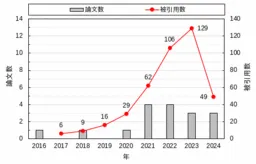
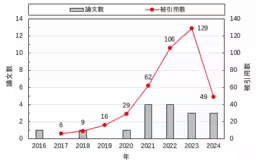
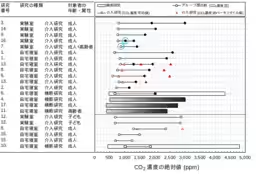
Recent research conducted by an international team, including researchers from Waseda University and the Technical University of Denmark, has shed light on the crucial relationship between bedroom ventilation and sleep quality. Analyzing data from 17 studies published between January 2020 and August 2024, the team found that CO₂ concentrations rising to 1,000 ppm can substantially decrease sleep efficiency and deep sleep percentages. Furthermore, to ensure high-quality sleep, CO₂ levels should ideally remain below 800 ppm, which entails at least double the ventilation rates suggested by current housing standards.
Understanding the Research Background
The connection between insufficient ventilation in sleeping environments and sleep quality has been a growing concern among scientists for years. High indoor CO₂ concentrations are linked to feelings of drowsiness and reduced concentration. Previous studies struggled to agree on the direct influences of increased CO₂ on sleep due to variations in the subjects involved, the indicators measured, and the methods of ventilation used. The latest research aims to consolidate these findings for clearer insights.
Study Methodology and Findings
The research team analyzed 17 studies focusing on the simultaneous measurement of bedroom ventilation and sleep quality. The studies varied from real-life observations to controlled experiments manipulating ventilation conditions. The results consistently indicated a negative correlation between high CO₂ levels and sleep quality, identifying the critical threshold of 1,000 ppm as detrimental to restful sleep. Notably, significant quality drops were observed at concentrations above 800 ppm.
The Implications of CO₂ Levels on Sleep
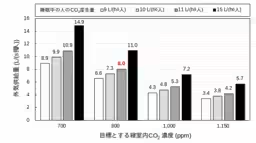
In analyzing various study findings, the team established that maintaining CO₂ concentrations at or below 800 ppm requires substantial air ventilation. Specifically, each person needs approximately 8 liters of external air per second to keep CO₂ levels from exceeding recommended thresholds during sleep. This is significantly higher than what current ventilation standards typically require.
Social Implications of the Findings
This comprehensive study is groundbreaking as it connects ventilation standards directly to sleep quality, which is often overlooked. As sleep significantly affects daily life, the findings could inform future housing design and ventilation strategies to enhance well-being.
Future Research Directions
Though this study represents a significant advancement, there are still hurdles to overcome, such as the limited number of studies and variability in experimental conditions. Continued examination of CO₂ concentration, particularly below 1,000 ppm, is necessary. Ongoing experiments in real bedroom environments will help build a more substantial body of comparable evidence and solidify the understanding of how ventilation impacts sleep.
In summary, optimizing bedroom ventilation has a direct correlation with sleep quality, and revisiting existing building standards may be vital for public health strategies aimed at improving overall well-being. Future studies will aim to expand upon these findings and enhance our understanding of how to best create restorative sleeping environments.
Topics Health)
【About Using Articles】
You can freely use the title and article content by linking to the page where the article is posted.
※ Images cannot be used.
【About Links】
Links are free to use.