




Launching Effective Verification Services for Health Management to Connect with Human Capital KPIs
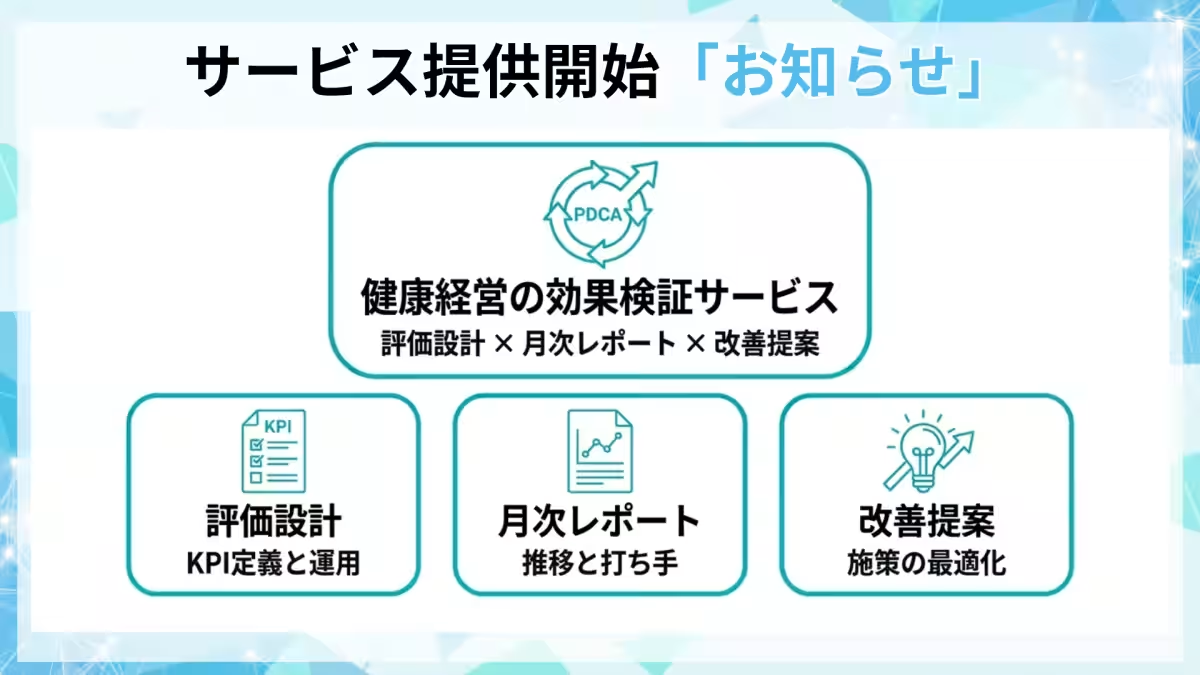
Fractal Workout Inc., based in Shibuya, Tokyo, has unveiled a new service aimed at evaluating the effectiveness of health management, shifting the focus from merely implementing strategies to creating a verifiable system of investment returns. The newly launched verification service standardizes evaluation design and monthly reporting, paving the way to assess health management initiatives' outcomes and connect them with human capital KPIs.
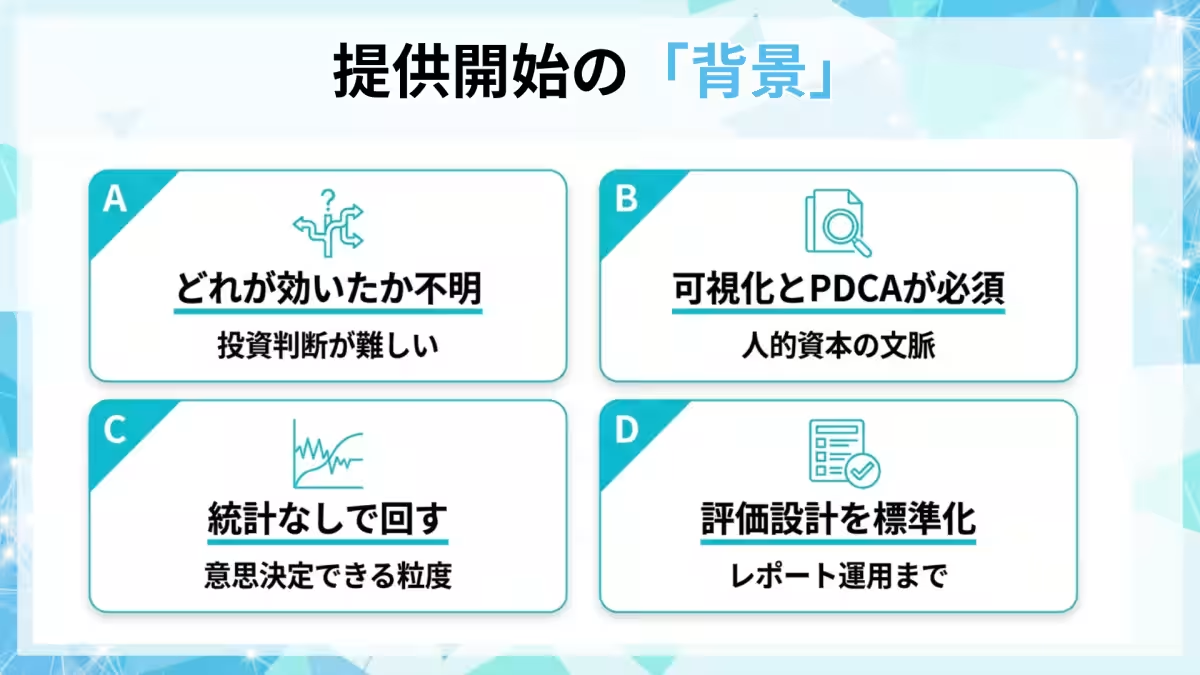
The need for effective health management has grown, where not only implementation but also the demonstrable outcomes are crucial. As the volume of strategies increases, isolating which initiatives yield positive effects becomes challenging, complicating investment decisions for management. The recent trend emphasizes 'visualization,' 'PDCA (Plan-Do-Check-Act),' and 'explainability' in the context of human capital.
The service is designed to allow verification even in the absence of advanced data analysis tools, providing insights that decision-makers require. The goal is to standardize evaluation designs and reporting operations, allowing companies to run their validations effectively.
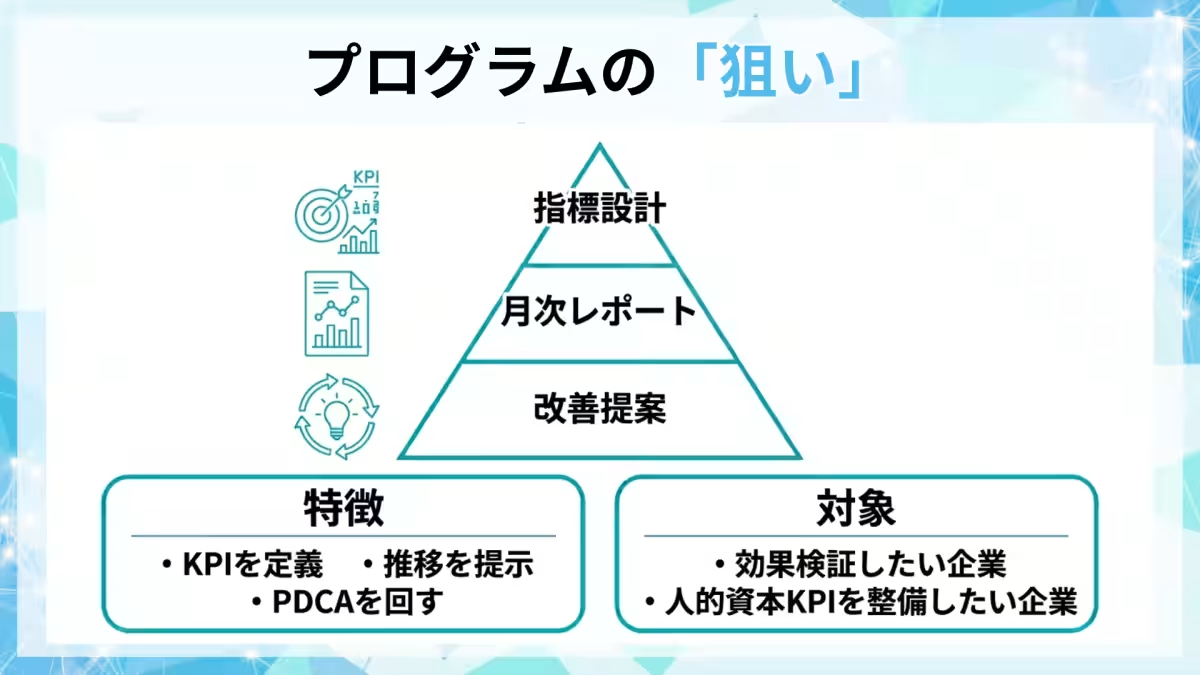
The service encompasses a comprehensive system designed to foster the PDCA cycle of health management initiatives, including assessment designs, data collection methods, reviews, and improvement suggestions.
1. KPI Design: Define and prioritize Key Performance Indicators focusing on organizational challenges such as recruitment, retention, productivity, safety, and healthcare costs. Select indicators that can be connected to human capital KPIs, documenting rules for definition, calculation, and operational frequency. Focus on actionable KPIs rather than superficial metrics.
2. Data Collection: Establish efficient methods for gathering existing data (such as attendance records, health check-ups, stress assessments, and surveys). Design the collection process to minimize additional workload by utilizing simplified surveys if necessary. Ensure that data collection maintains anonymity and defines the scope and handling procedures.
3. Monthly/Quarterly Reviews: Conduct monthly evaluations to monitor progress and focus areas, updating initiatives as required. Reassess the portfolio of interventions quarterly to prioritize the most effective strategies. Create a review framework detailing who participates, what metrics are observed, and how decisions are made.
4. Recommendations for Improvement: Identify improvements based on changes in KPIs and operational conditions. Instead of merely adding new measures, refine existing processes, operations, and targets to enhance effectiveness. Ensure these insights are documented in next-period plans, fostering continuous PDCA cycles.
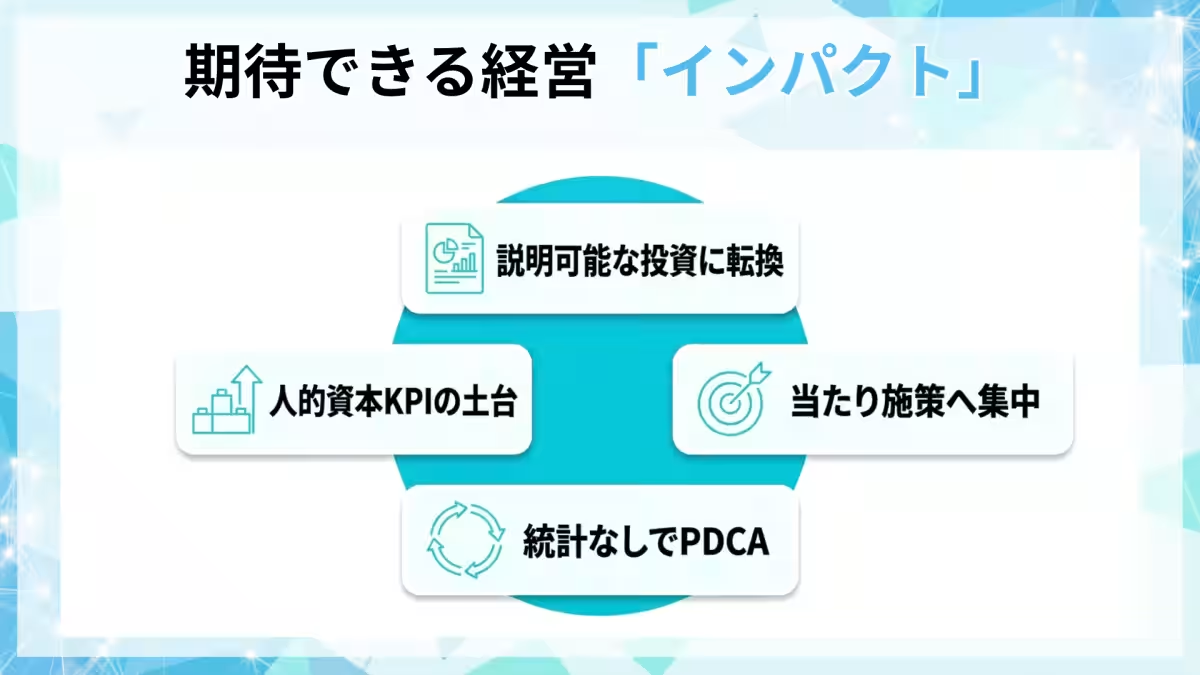
The service facilitates transforming health management efforts into 'explainable investments' by offering connected KPI definitions, trend assessments, and updates to intervention strategies. By optimizing what works and minimizing ineffective expenditures, organizations can strategically allocate resources.
Continuing PDCA cycles are achievable even without extensive statistical data, enabling companies to carry out effective evaluations necessary for sound decision-making.
This service helps organizations manage their health, productivity, and retention metrics comprehensively, aiding them in preparing for ongoing disclosures.
1. Current State Analysis: Identify management challenges, existing initiatives, and available data.
2. KPI Design: Select indicators and define their use.
3. Data Collection Strategy: Organize existing data and identify minimum additional requirements.
4. Monthly Reporting: Start monthly evaluations of trends and focus areas.
5. Quarterly Reviews: Reassess the effectiveness of strategies.
6. Annual Updates: Integrate findings into future plans and budget allocations.
Fractal Workout's new service for verifying the effectiveness of health management is now set to transform how organizations approach and assess these initiatives. By standardizing evaluation processes and monthly reporting along with structured reviews and improvement suggestions, companies can achieve a more robust integration of health management with human capital KPIs. This service offers a compelling opportunity for businesses eager to make accountable investments in health management practices, laying the groundwork for sustainable growth and achieving regulatory compliance in corporate health practices.



Background of Service Launch
The need for effective health management has grown, where not only implementation but also the demonstrable outcomes are crucial. As the volume of strategies increases, isolating which initiatives yield positive effects becomes challenging, complicating investment decisions for management. The recent trend emphasizes 'visualization,' 'PDCA (Plan-Do-Check-Act),' and 'explainability' in the context of human capital.
The service is designed to allow verification even in the absence of advanced data analysis tools, providing insights that decision-makers require. The goal is to standardize evaluation designs and reporting operations, allowing companies to run their validations effectively.
Overview of Services Offered
The service encompasses a comprehensive system designed to foster the PDCA cycle of health management initiatives, including assessment designs, data collection methods, reviews, and improvement suggestions.
Key Components
1. KPI Design: Define and prioritize Key Performance Indicators focusing on organizational challenges such as recruitment, retention, productivity, safety, and healthcare costs. Select indicators that can be connected to human capital KPIs, documenting rules for definition, calculation, and operational frequency. Focus on actionable KPIs rather than superficial metrics.
2. Data Collection: Establish efficient methods for gathering existing data (such as attendance records, health check-ups, stress assessments, and surveys). Design the collection process to minimize additional workload by utilizing simplified surveys if necessary. Ensure that data collection maintains anonymity and defines the scope and handling procedures.
3. Monthly/Quarterly Reviews: Conduct monthly evaluations to monitor progress and focus areas, updating initiatives as required. Reassess the portfolio of interventions quarterly to prioritize the most effective strategies. Create a review framework detailing who participates, what metrics are observed, and how decisions are made.
4. Recommendations for Improvement: Identify improvements based on changes in KPIs and operational conditions. Instead of merely adding new measures, refine existing processes, operations, and targets to enhance effectiveness. Ensure these insights are documented in next-period plans, fostering continuous PDCA cycles.
Deliverables as Primary Outcomes
- - Evaluation design templates (KPI definitions, calculations, frequency, responsibility delineation).
- - Monthly report templates (trend analysis, month-over-month differences, focal areas, strategies).
- - Quarterly review templates (effectiveness assessment of measures, updates for the upcoming period).
- - Sample anonymous reports for reference.
Anticipated Impacts on Management
The service facilitates transforming health management efforts into 'explainable investments' by offering connected KPI definitions, trend assessments, and updates to intervention strategies. By optimizing what works and minimizing ineffective expenditures, organizations can strategically allocate resources.
Continuing PDCA cycles are achievable even without extensive statistical data, enabling companies to carry out effective evaluations necessary for sound decision-making.
Creating a Foundation for Human Capital KPI Operations
This service helps organizations manage their health, productivity, and retention metrics comprehensively, aiding them in preparing for ongoing disclosures.
Implementation Steps
1. Current State Analysis: Identify management challenges, existing initiatives, and available data.
2. KPI Design: Select indicators and define their use.
3. Data Collection Strategy: Organize existing data and identify minimum additional requirements.
4. Monthly Reporting: Start monthly evaluations of trends and focus areas.
5. Quarterly Reviews: Reassess the effectiveness of strategies.
6. Annual Updates: Integrate findings into future plans and budget allocations.
Conclusion
Fractal Workout's new service for verifying the effectiveness of health management is now set to transform how organizations approach and assess these initiatives. By standardizing evaluation processes and monthly reporting along with structured reviews and improvement suggestions, companies can achieve a more robust integration of health management with human capital KPIs. This service offers a compelling opportunity for businesses eager to make accountable investments in health management practices, laying the groundwork for sustainable growth and achieving regulatory compliance in corporate health practices.
Topics Health)
【About Using Articles】
You can freely use the title and article content by linking to the page where the article is posted.
※ Images cannot be used.
【About Links】
Links are free to use.