



Understanding the Transition to Adulthood for Fresh High School Graduates
Exploring Adulthood at 18: Insights from High School Graduates
In a recent survey conducted by Jinjibu, an organization supporting high school graduates in their transition to adulthood, young adults aged 18-20 reflected on their perceptions of adulthood. This survey is part of the 'ROOKIE'S CLUB' program, aimed at supporting new high school graduates as they navigate their first year in the workforce.
Survey Highlights
Adult Perception
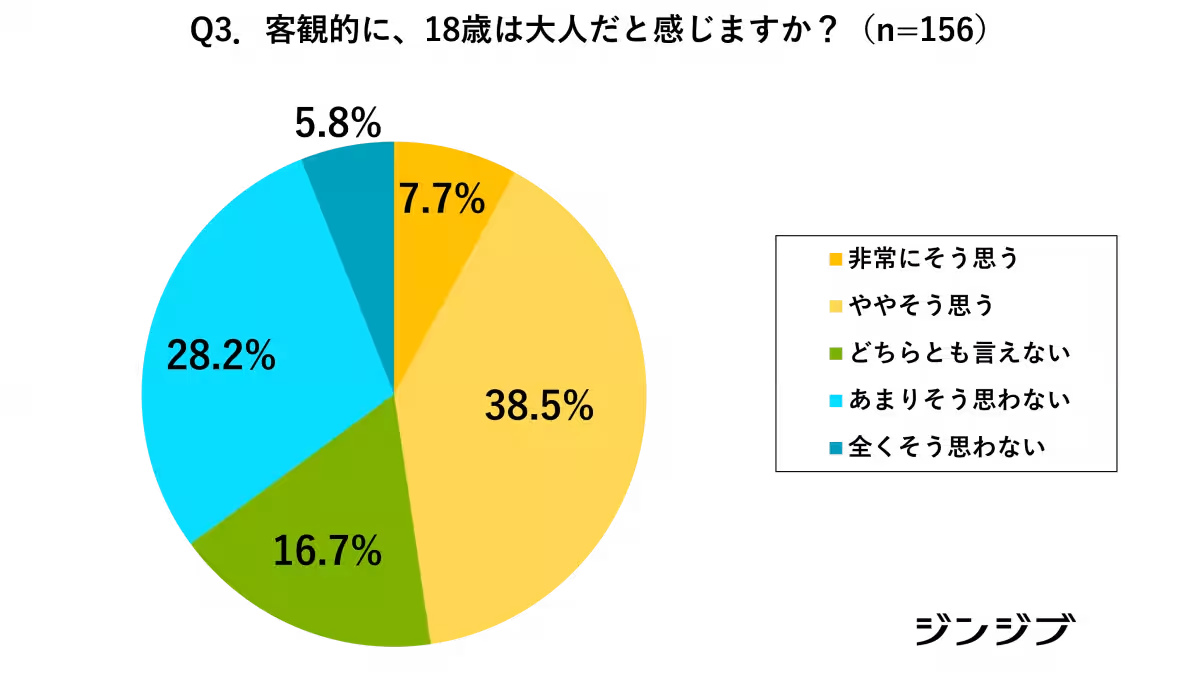
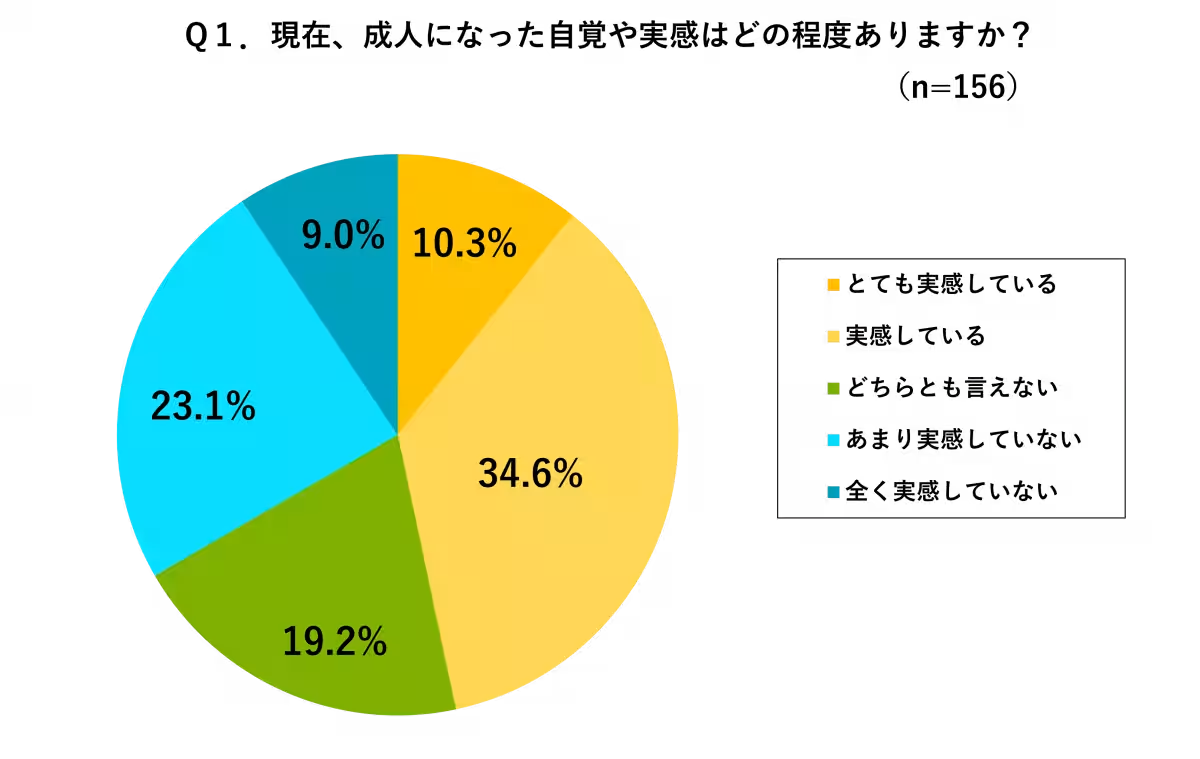
The survey reveals that only 46.2% of respondents objectively believe that 18-year-olds are adults. However, 67.6% of those who identify as feeling grown-up specifically associate this sentiment with being 18. This implies a significant portion of young adults are still grappling with the realities of adulthood despite the legal definition changing in April 2022, which lowered the age of majority from 20 to 18.
Major Factors in Feeling Grown-Up
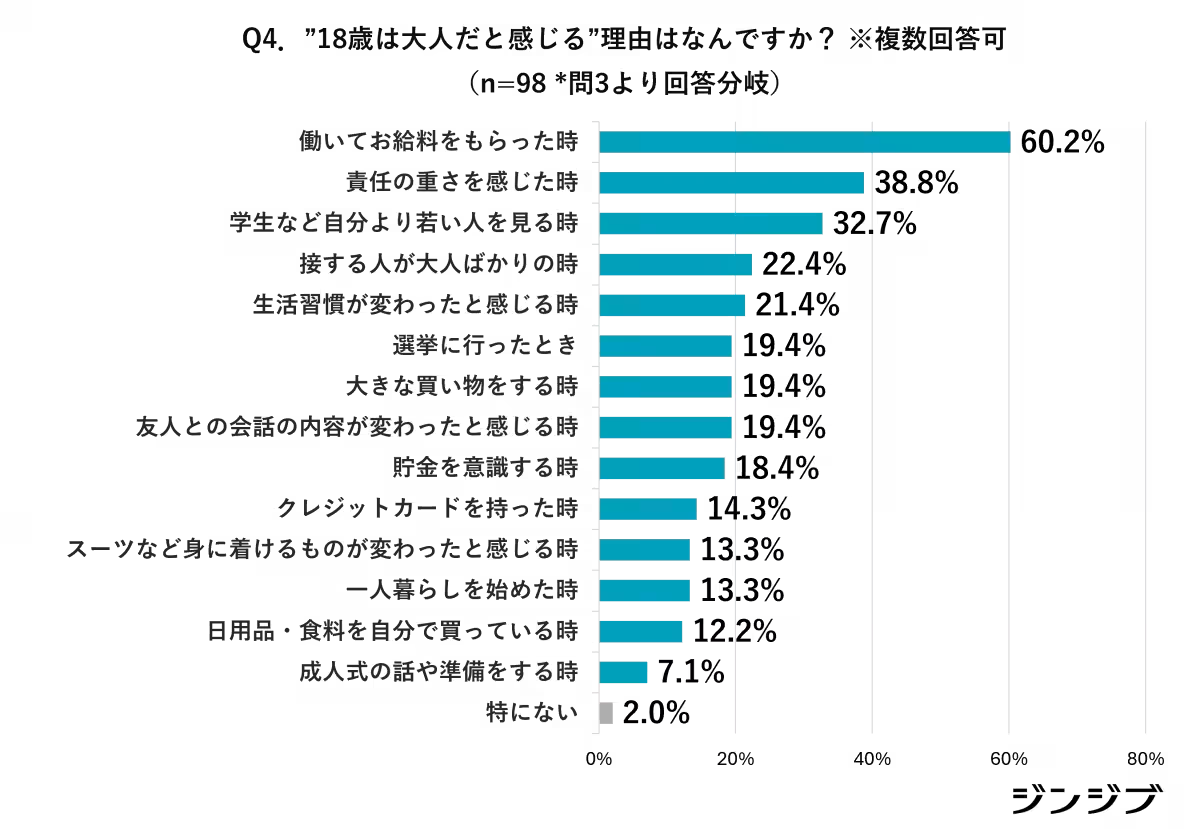
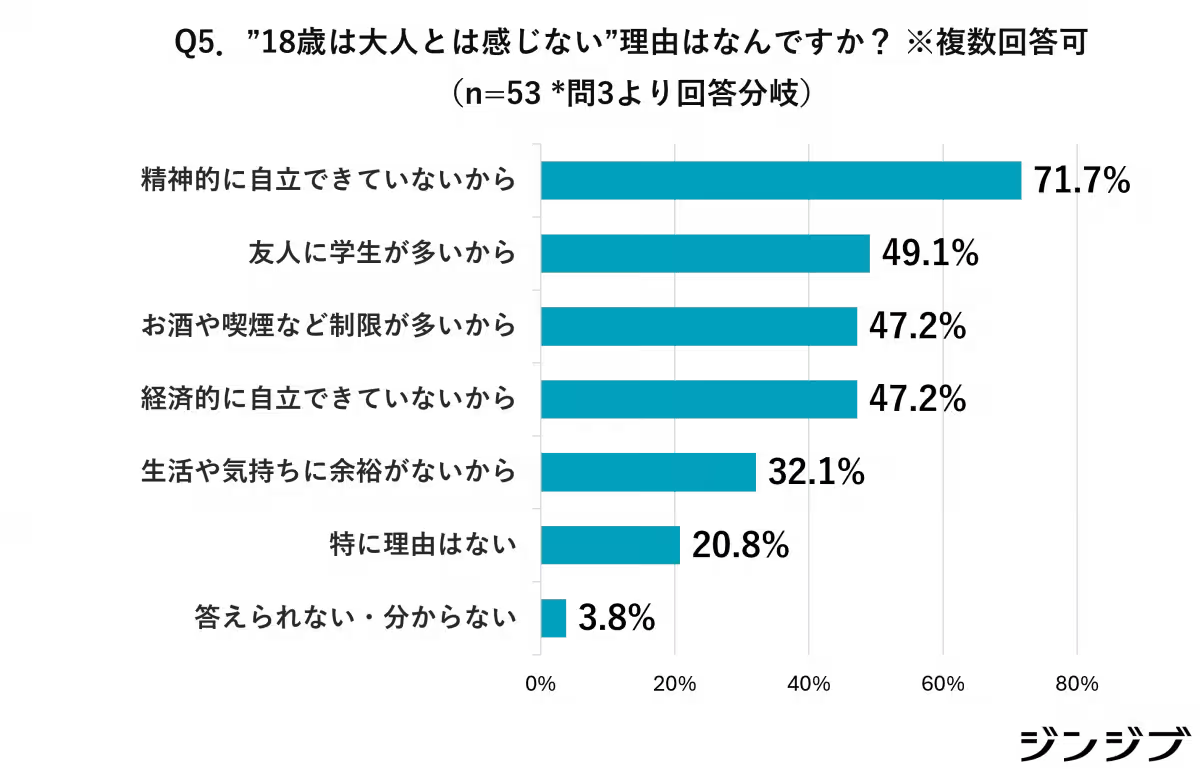
Among the reasons for feeling like adults, economic independence was the most cited, with 60.2% attributing their adult feelings to earning a salary. Conversely, 71.7% indicated that they do not feel like adults mainly due to a lack of emotional independence. This presents a noteworthy dichotomy; while they may be financially independent, many feel that they have yet to develop the necessary emotional maturity.
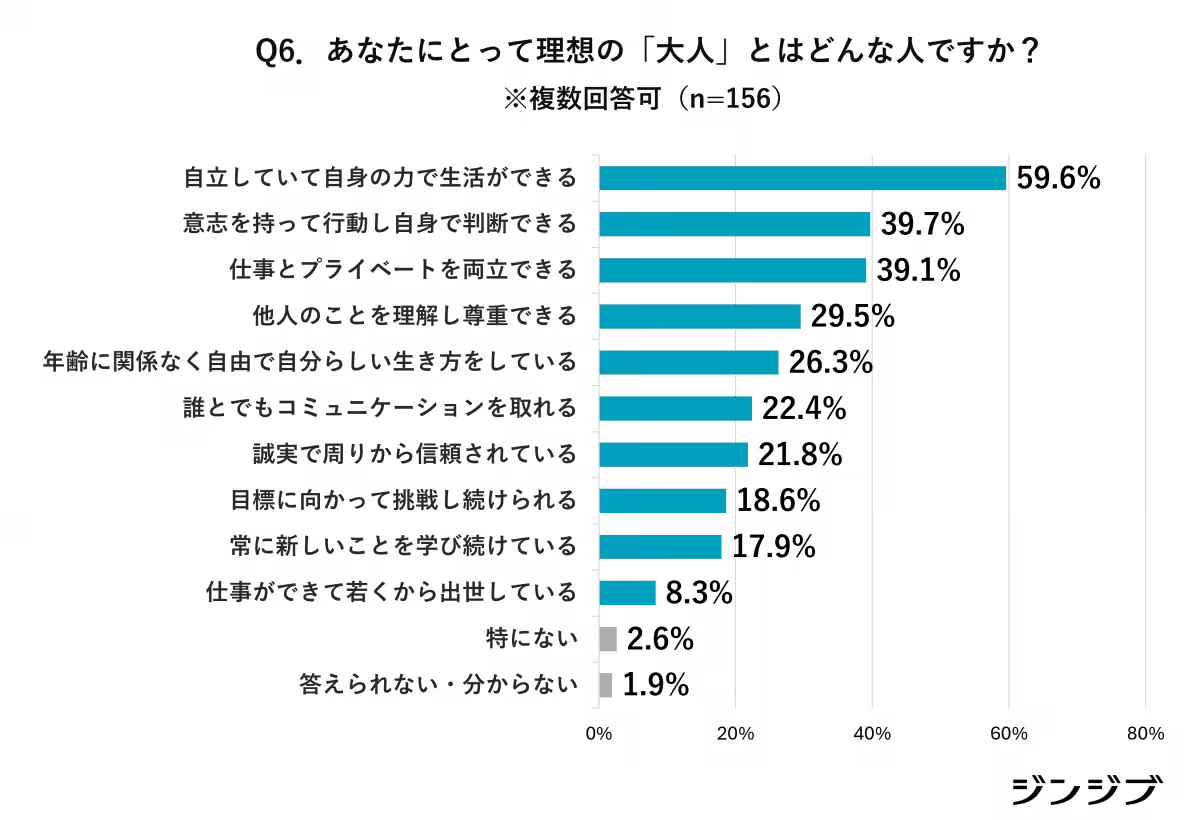
When asked about their ideal adult image, 59.6% of respondents highlighted the importance of being self-sufficient and being able to support themselves independently. They envision adulthood as a combination of financial stability and personal responsibility, reinforcing the idea that economic factors influence their self-perception as adults.
Gap Between Ideal and Reality
The disparity between their envisioned adulthood and actual experiences surfaced in various open-ended responses. Many articulated feelings of inadequacy regarding their emotional maturity, often stating that despite the legal recognition of adulthood, they still feel like children or lack the necessary composure expected in mature adults.
Additionally, respondents expressed discomfort with the responsibility that comes with adulthood. They noted that the financial obligations that accompany independence often clash with their imagined notions of freedom. For instance, several participants reflected on the pressures of financial stability, emphasizing that earning money also means taking on greater responsibility in both personal and professional realms.
Future Aspirations
Looking ahead, the survey participants expressed desires to engage in activities that contribute to their personal growth and financial security. The respondents were particularly interested in focusing on self-improvement, further education, and making conscious efforts to prepare for their future, highlighting a combined interest in maintaining a quality lifestyle while fostering personal growth.
Conclusions
The findings from this survey shed light on the contrasting perspectives of high school graduates adjusting to adulthood. While they may meet the legal requirements to be deemed adults, the realities of emotional independence and full responsibility weigh heavily on them.
Organizations and workplaces engaging with this demographic should consider these insights to better support young adults as they transition into their new roles. Providing clarity and support through programs like the 'ROOKIE'S CLUB' can foster a sense of belonging and help mold a generation that not only meets the legal definitions of adulthood but embraces the emotional and practical responsibilities that accompany it.



Topics People & Culture)




【About Using Articles】
You can freely use the title and article content by linking to the page where the article is posted.
※ Images cannot be used.
【About Links】
Links are free to use.