



Key Insights Into Young Employees' Office Environment Preferences Amidst Return to Work Shift
Understanding Young Employees' Office Preferences
As the corporate landscape shifts back towards a full return to office work, especially among major companies, young employees aged 20 to 35 are faced with new challenges and expectations from their workplace environments. A recent survey conducted by Ideax Business Service, which runs the office renovation service WAKURINO, sought to explore the desires and expectations of these young professionals concerning their office settings.
The Return to Office Trend
In recent years, the trend towards remote work has been gradually diminishing, with many companies emphasizing the need for physical presence in the workplace. This transition not only promotes collaboration but also fosters a sense of community and efficiency that remote work may lack. However, the question arises: how do young employees perceive this shift?
The digital natives of the current workforce, particularly those in their twenties and thirties, are in a unique position. For them, the office is more than just a location where work is conducted; it is a space where significant performance can be realized beyond what remote work can offer. This shift requires organizations to rethink their office strategies to meet the evolving expectations of their employees.
Survey Insights
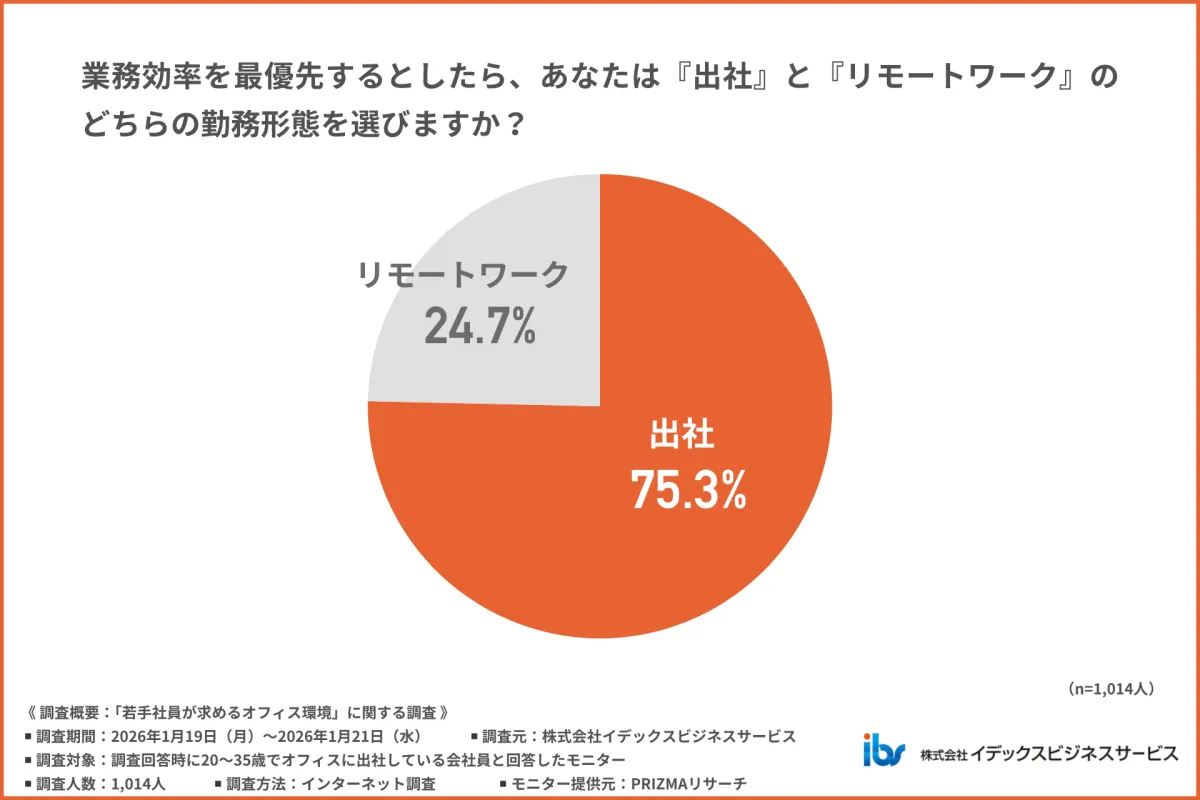
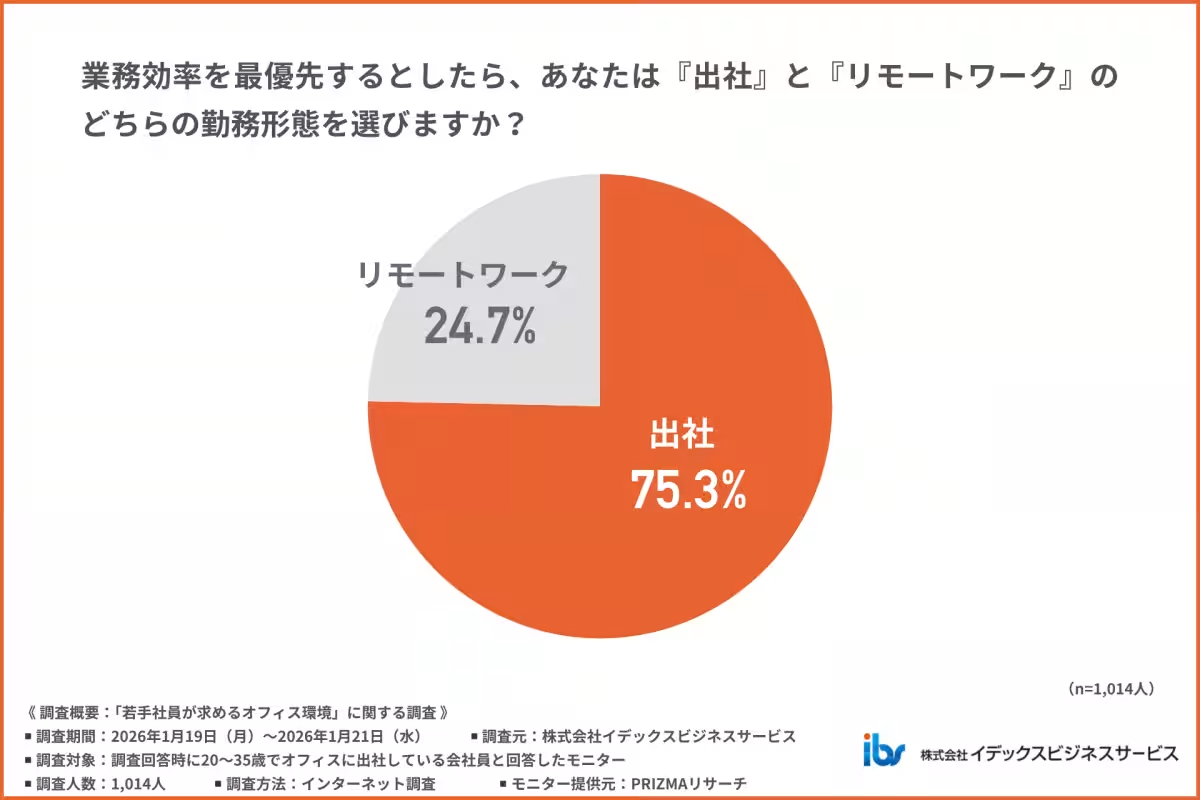
The survey conducted from January 19 to January 21, 2026, involved 1,014 office workers who participated in an internet-based survey. The findings were intriguing, especially when respondents were asked whether they preferred returning to the office or continuing with remote work. Remarkably, approximately 75.3% of the respondents favored office attendance when prioritizing job efficiency.
This strong inclination towards office work suggests that many young employees believe that physical presence enhances their performance. Factors contributing to this sentiment likely include the difficulty of creating an optimal work environment at home and the immediate energy that in-person collaboration brings to various tasks.
Preferred Work Arrangements
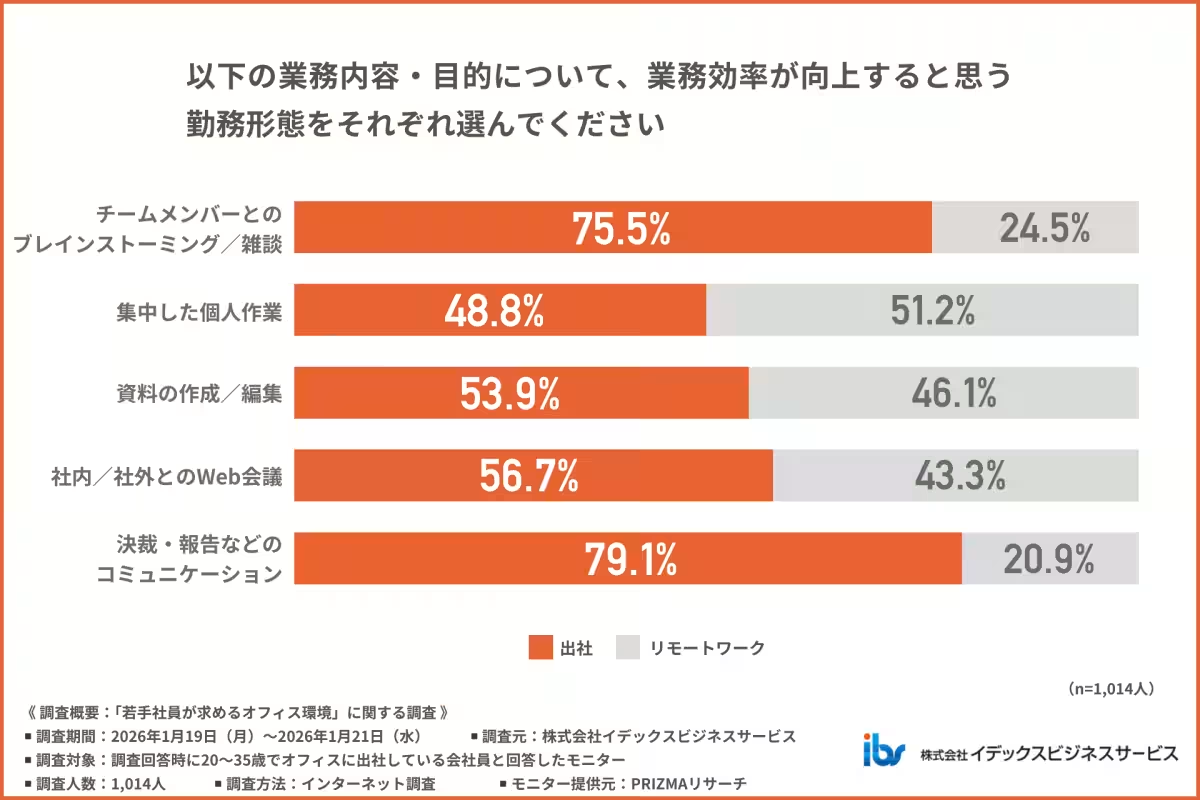
When asked about specific tasks and their effectiveness based on the work environment, the results showed the following preferences:
- - Team brainstorming and informal conversations: 75.5% favor in-office work.
- - Focused individual tasks: A slight preference for remote work at 51.2%, compared to 48.8% favoring the office.
- - Document creation and editing: 53.9% prefer the office, while 46.1% prefer remote work.
- - Web meetings: 56.7% indicated that in-office meetings were more productive.
- - Decision-making and reports: 79.1% favored being in the office for these activities.
The overwhelming preference for in-person communication for brainstorming and decision-making illustrates the perceived benefits of face-to-face interactions, often resulting in quicker resolutions and better engagement.
Office Satisfaction Levels
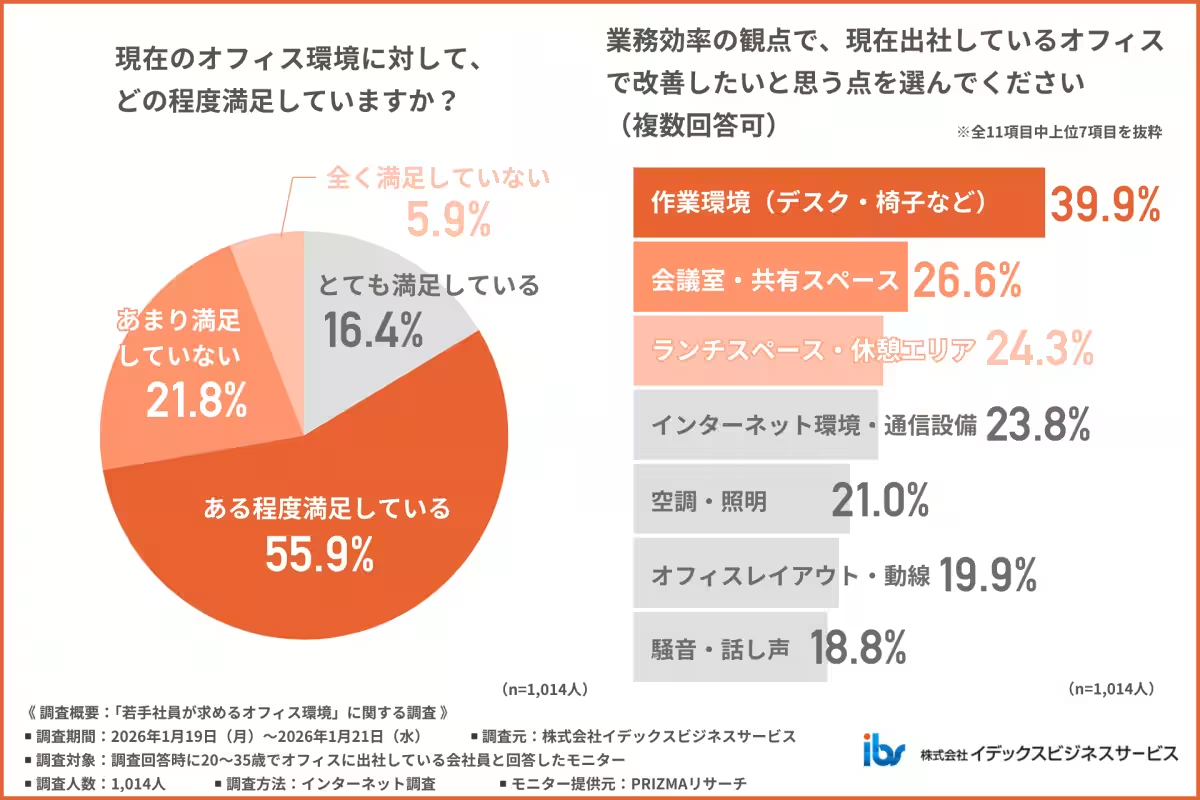
Despite the strong preference for returning to the office, the survey also revealed a gap in satisfaction levels regarding current office conditions. When asked about their satisfaction, responses indicated:
- - Very satisfied: 16.4%
- - Somewhat satisfied: 55.9%
- - Somewhat dissatisfied: 21.8%
- - Not satisfied at all: 5.9%
While a majority expressed some level of satisfaction, only a small percentage felt very satisfied, highlighting room for improvement in workplace conditions.
Desired Improvements
When discussing areas for improvement, respondents cited several key factors:
- - Work environment (desk and chair quality): 39.9%
- - Meeting rooms and shared spaces: 26.6%
- - Lunchtime and break areas: 24.3%
The notable focus on desks and chairs underscores the need for ergonomic solutions that support productivity during long working hours. Likewise, enhancing meeting and break spaces could contribute significantly to overall work satisfaction and efficiency.
The Importance of Office Experience
As companies navigate the complexities of returning to the office, it is essential to recognize that simply bringing employees back is not enough. The emphasis must be placed on creating an environment where employees genuinely want to be. A workspace that promotes eagerness and facilitates collaboration will undoubtedly yield better productivity and satisfaction.
In conclusion, as the return to office work continues to gain traction, the findings suggest that organizations must prioritize infrastructural improvements that align with the expectations of young employees. Investing in a conducive working environment may be the key to unlocking greater productivity, enhancing overall employee experience, and subsequently driving organizational growth effectively. The renovation services offered by WAKURINO stand ready to assist companies in adapting their office spaces to meet these evolving demands.
Topics Business Technology)
【About Using Articles】
You can freely use the title and article content by linking to the page where the article is posted.
※ Images cannot be used.
【About Links】
Links are free to use.