



Youth Policy Action Summit 2026: Empowering Students for Environmental Action
Youth Policy Action Summit 2026
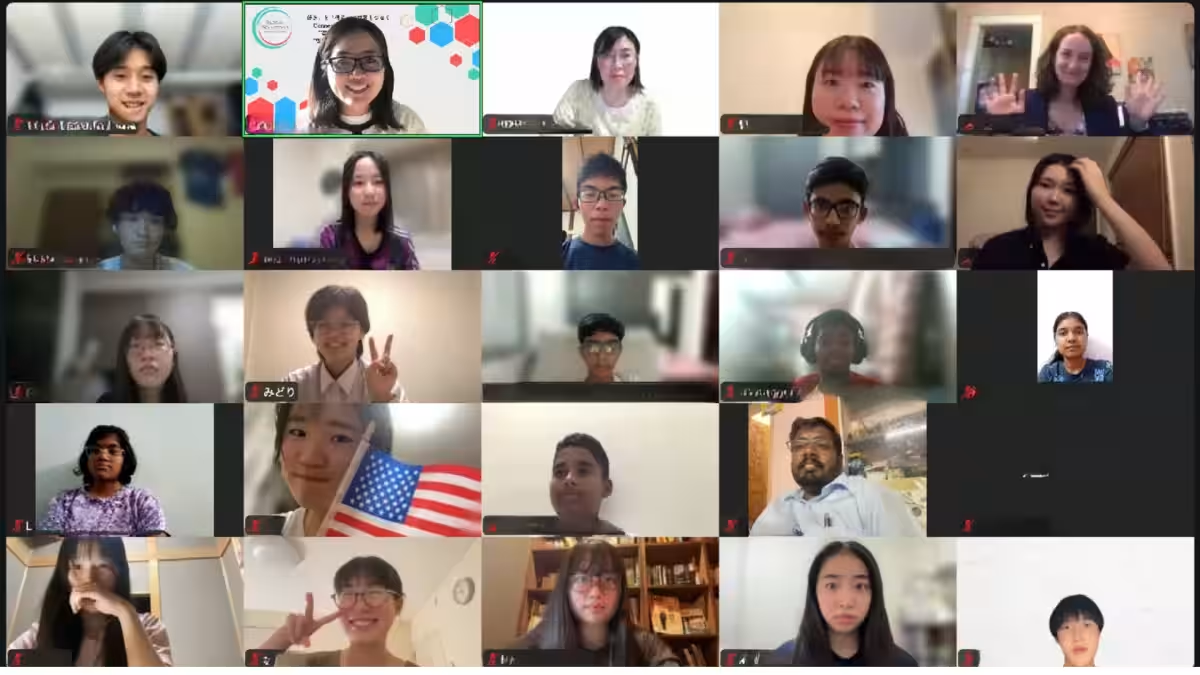
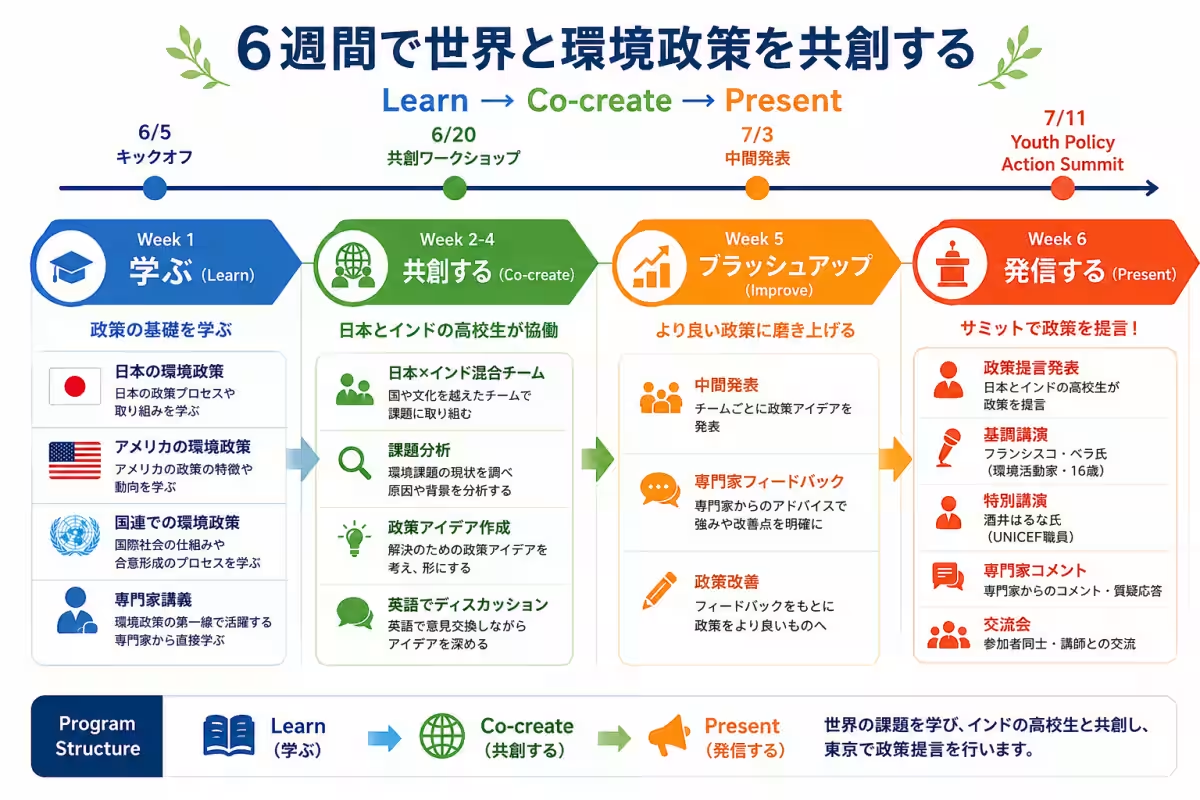
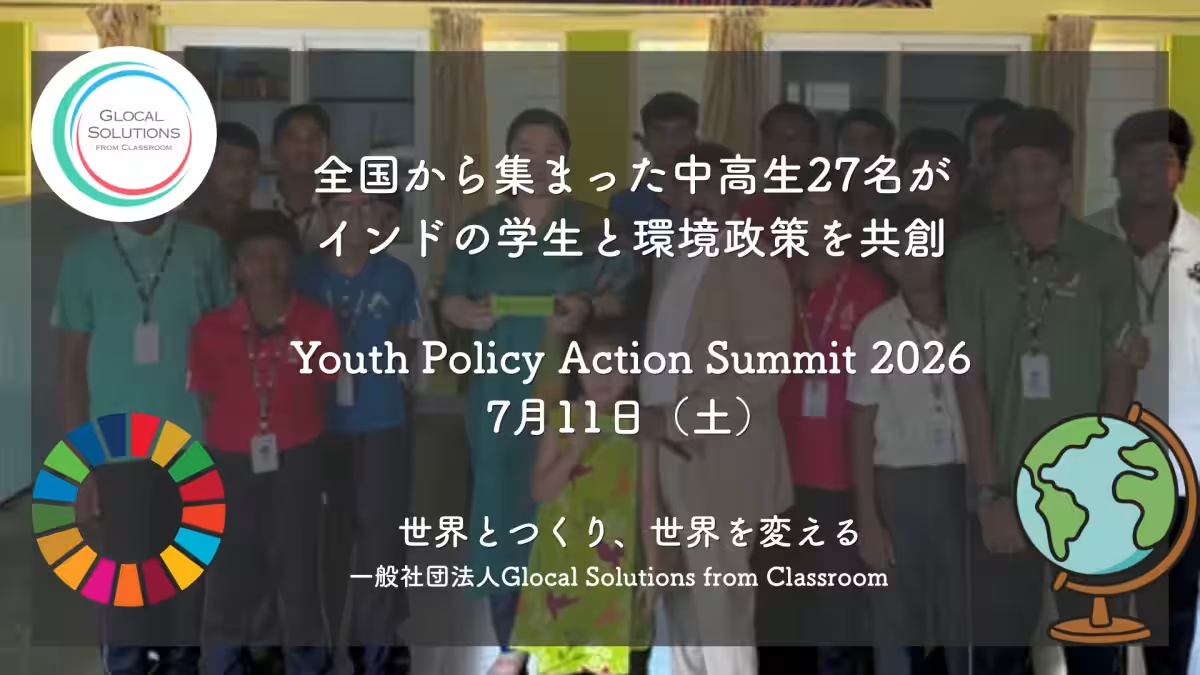
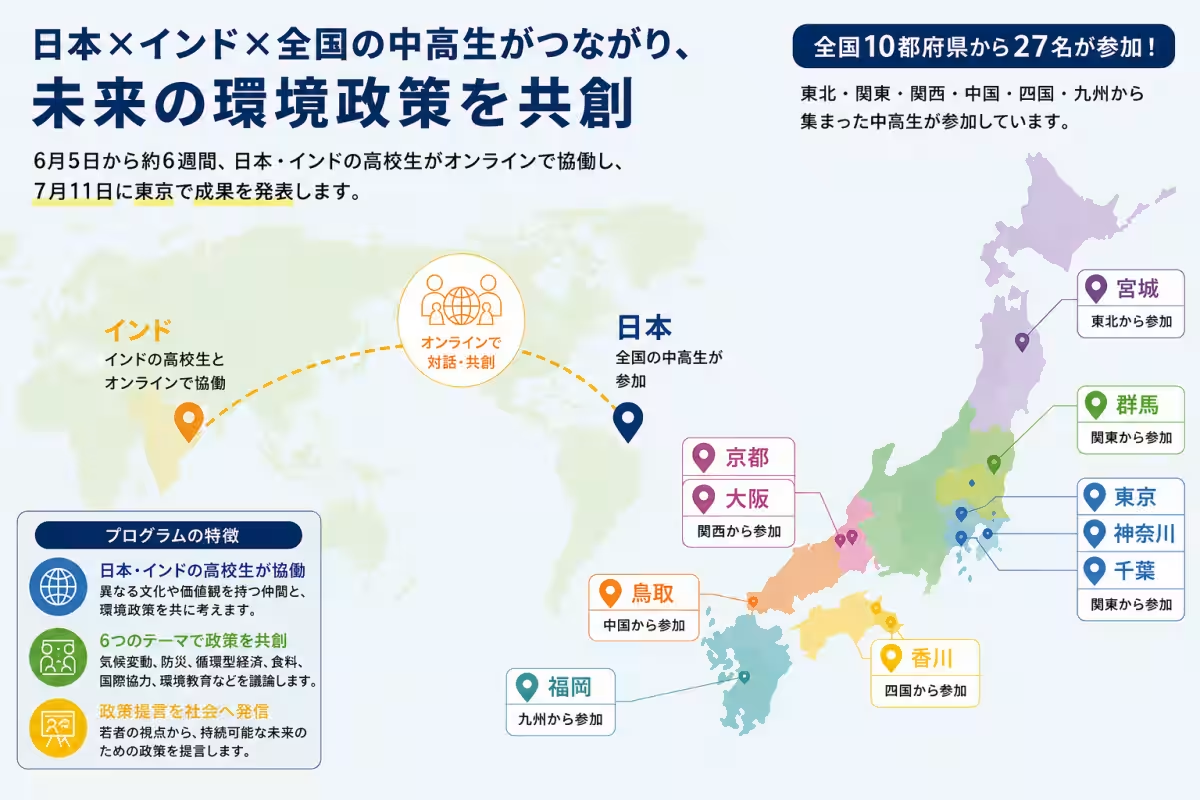
On July 11, 2026, the Glocal Solutions from Classroom (GSC) will host the Youth Policy Action Summit at the UN University Environment Partnership Plaza (GEOC) in Tokyo. This event brings together 27 high school students from various regions of Japan, including Miyagi, Gunma, Tokyo, Kanagawa, Chiba, Kyoto, Osaka, Tottori, Kagawa, and Fukuoka. Over the past six weeks, these students have engaged with their Indian counterparts to discuss and develop policies addressing pressing environmental issues.
Importance of Student Engagement
Why should high school students learn about environmental policy? Climate change and environmental crises will impact young people the longest as they prepare to inherit the world. Unfortunately, opportunities for Japanese youth to engage in discussions with their global peers on social issues and propose policies are still limited.
GSC aims to educate students on using policy as a practical tool for societal transformation. By promoting a macro perspective on global challenges, the organization aspires to cultivate young leaders capable of collaborating across diverse viewpoints to generate effective solutions. This initiative is designed to nurture the next generation of leaders who will contribute to international policy-making and rule-setting.
Insights from International Experience
Saori Imaizumi, the representative of GSC, has spent 13 years at the World Bank, focusing on educational reforms in Africa and South Asia. She recognizes that while Japan possesses world-class research, education, and technology, it lacks sufficient human resources and opportunities to leverage these assets for global issues.
During her tenure, she initiated a collaborative program linking Japanese and African universities and companies, which emphasized the importance of proactive global engagement. Seeing the potential in Japanese high school students, Imaizumi understood that providing them with early opportunities to interact with peers around the world could expand their horizons. Young people often express the desire for such programs during their formative high school years.
Collaborative Topics Between Japan and India
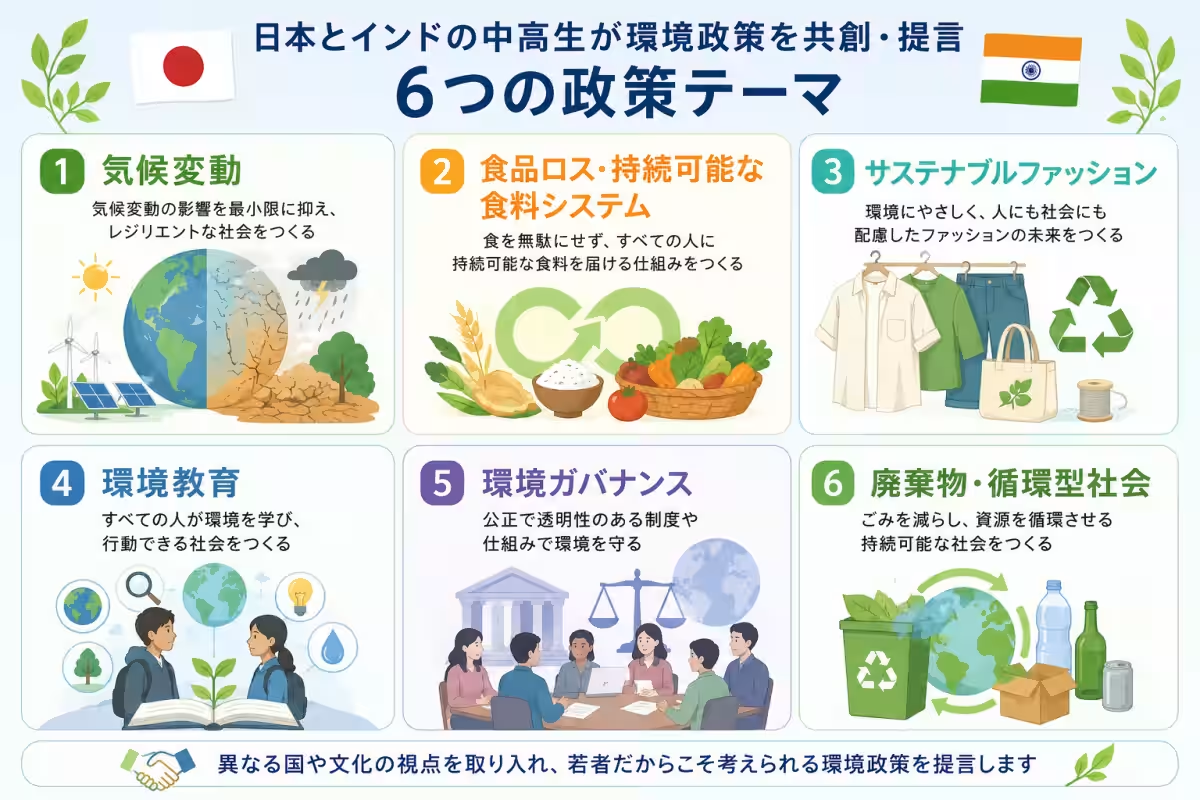
For three weeks, Japanese and Indian students formed mixed teams to engage in discussions focused on six critical themes, including climate change and food loss. Through these conversations, they discovered that even similar topics could lead to varying priorities and challenges based on cultural contexts. This collaborative experience enabled them to gain insights that are not available in traditional educational settings.
The topics they explored are:
1. Climate Change and Disaster Resilience: Discussing adaptation strategies for extreme weather events due to climate change.
2. Waste and Circular Economy: Addressing waste management, plastic reduction, recycling, and transitioning to a circular economy.
3. Sustainable Fashion and Consumption: Exploring fast fashion, ethical consumerism, and sustainable practices.
4. Food Systems and Food Waste: Tackling food loss, sustainable agricultural practices, and food security issues.
5. Environmental Governance and International Cooperation: Examining the role of organizations like the UN and the concept of international equity.
6. Environmental Education and Youth Political Participation: Focusing on school education, climate education, and engaging youth in policy-making.
Highlights from the Summit
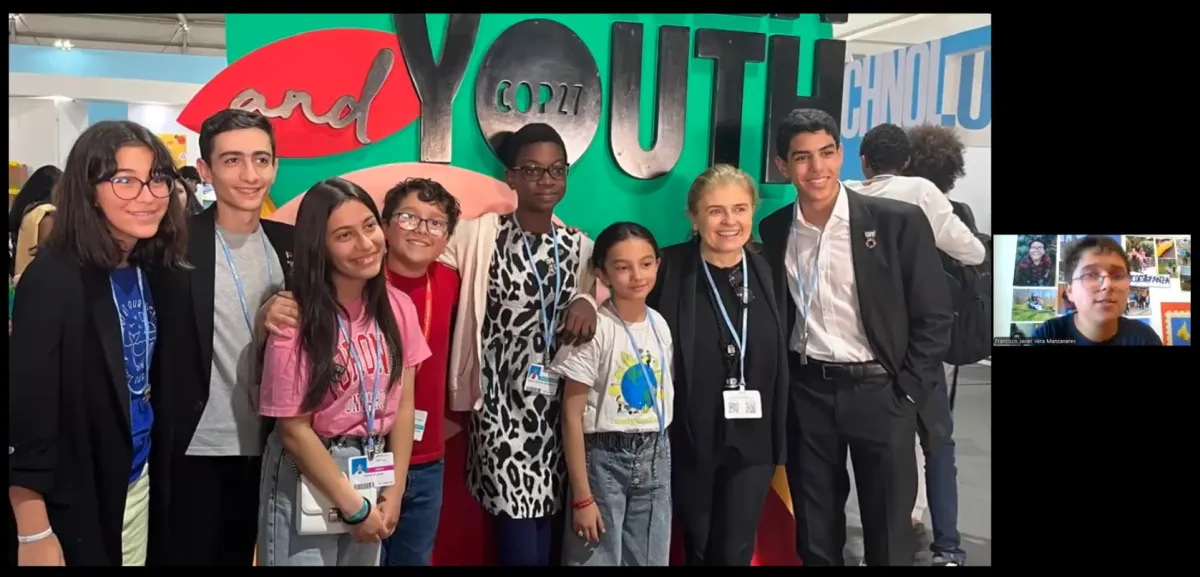
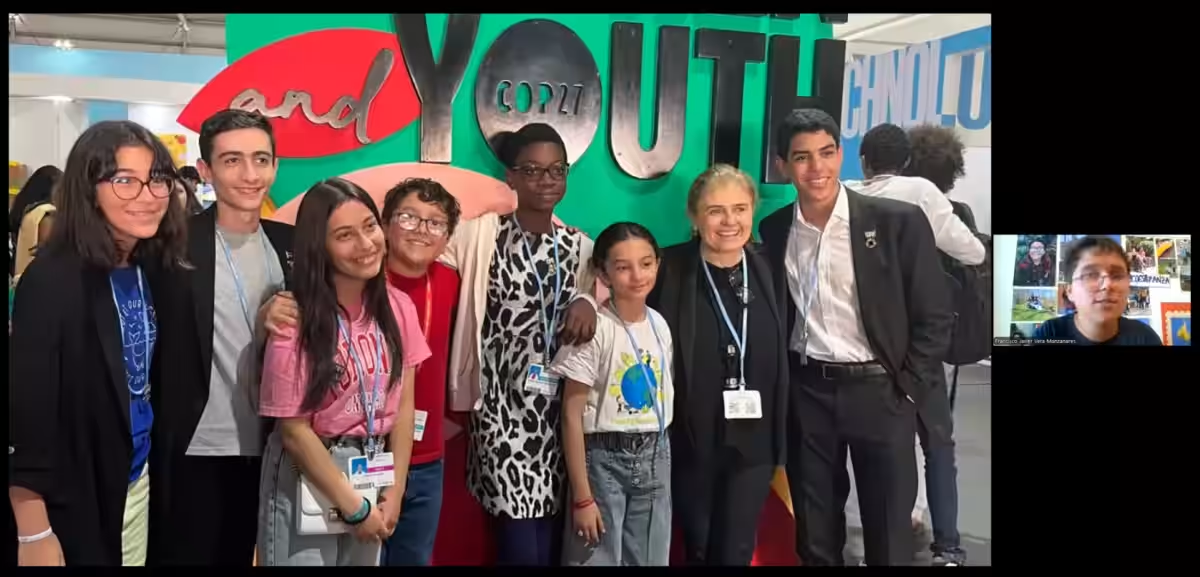
During the summit, participants will present the environmental policies they developed collaboratively with their Indian peers. Notable activities include an online keynote speech by 16-year-old environmental activist Francisco Vera from Colombia, discussions with university students who represented the UN at COP30, and feedback sessions with experts.
This event not only showcases the determination of young people to address climate change but also fosters cross-cultural dialogue among students with diverse values. Media are encouraged to attend, document, and interview participants, highlighting their collaborative efforts and future visions.
Conclusion
The Youth Policy Action Summit 2026 stands as a testament to the power of youth collaboration in addressing global challenges. It is an opportunity for high school students to take ownership of environmental issues and engage with fellow peers from different cultures to co-create effective solutions for a sustainable future.
Topics People & Culture)
【About Using Articles】
You can freely use the title and article content by linking to the page where the article is posted.
※ Images cannot be used.
【About Links】
Links are free to use.