



Understanding Health Habits: How Middle-Aged Adults Engage with Information
The Challenge of Health Habits for Middle-Aged Adults
In the modern world brimming with health information, the struggle to find personalized habits is particularly evident among middle-aged adults. A recent survey conducted by PREVENT, located in Nagoya City, Japan, examined this issue specifically among individuals in their 50s and 60s. The findings indicate a high level of interest in suitable health practices, yet many feel overwhelmed by the staggering amount of information available through various media platforms.
A Growing Concern for Health
Health is a significant concern for many, closely tied to daily lives. With information flooding from television, the internet, and social media, distinguishing between beneficial advice and unsuitable guidelines has become increasingly challenging. The survey was carried out between July 3 and 4, 2025, involving 1,011 respondents aged 50 to 60, revealing their relationship with health information and practices.
Familiarity with Diet Management and Health Trends
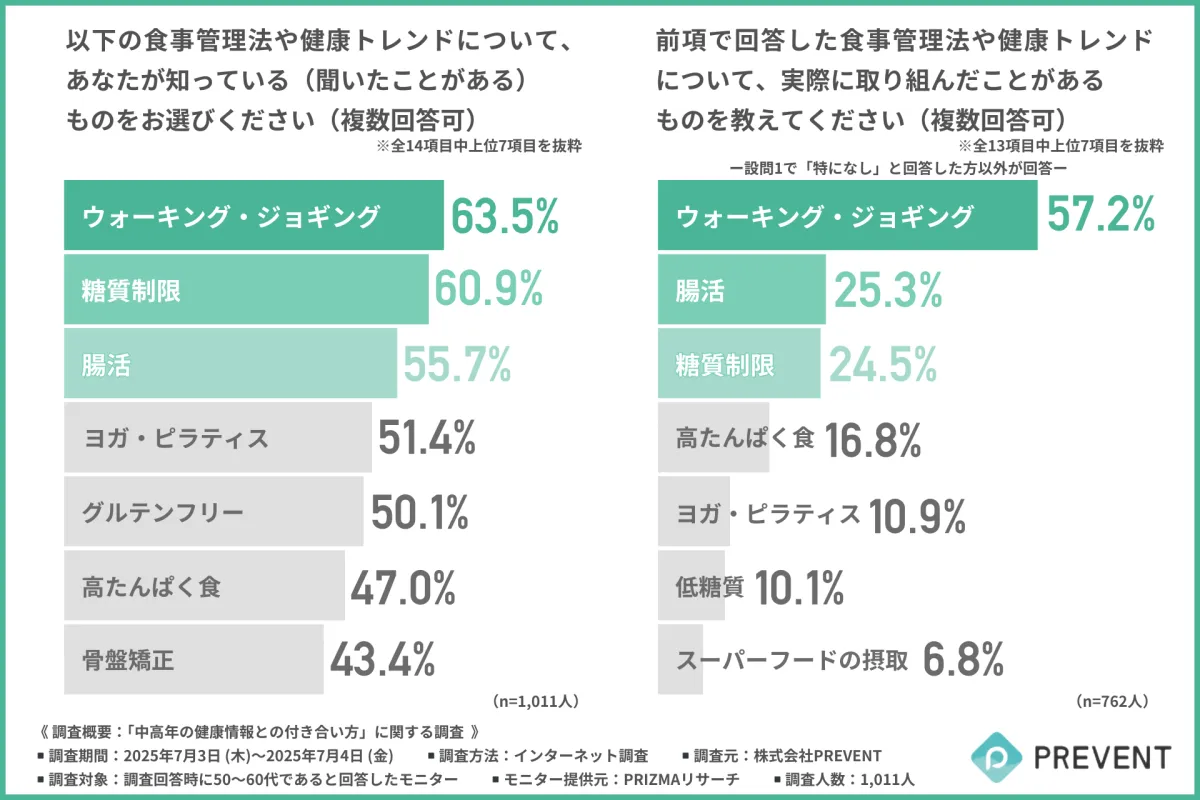
The survey first asked participants to identify diet management and health trends they were aware of. Walking and jogging emerged as the most recognized methods at 63.5%, followed by carbohydrate restriction at 60.9% and gut health initiatives at 55.7%. This illustrates a growing awareness of familiar approaches to health, indicating that common methods are widely acknowledged.
Interestingly, when it comes to actual practices, 57.2% reported having engaged in walking or jogging, while 25.3% tried gut health techniques, and 24.5% followed carbohydrate restriction. Walking and jogging are particularly accessible forms of physical activity, lower in psychological barriers due to their recognition and ease of integration into daily routines.
Mixed Impressions on Health Information
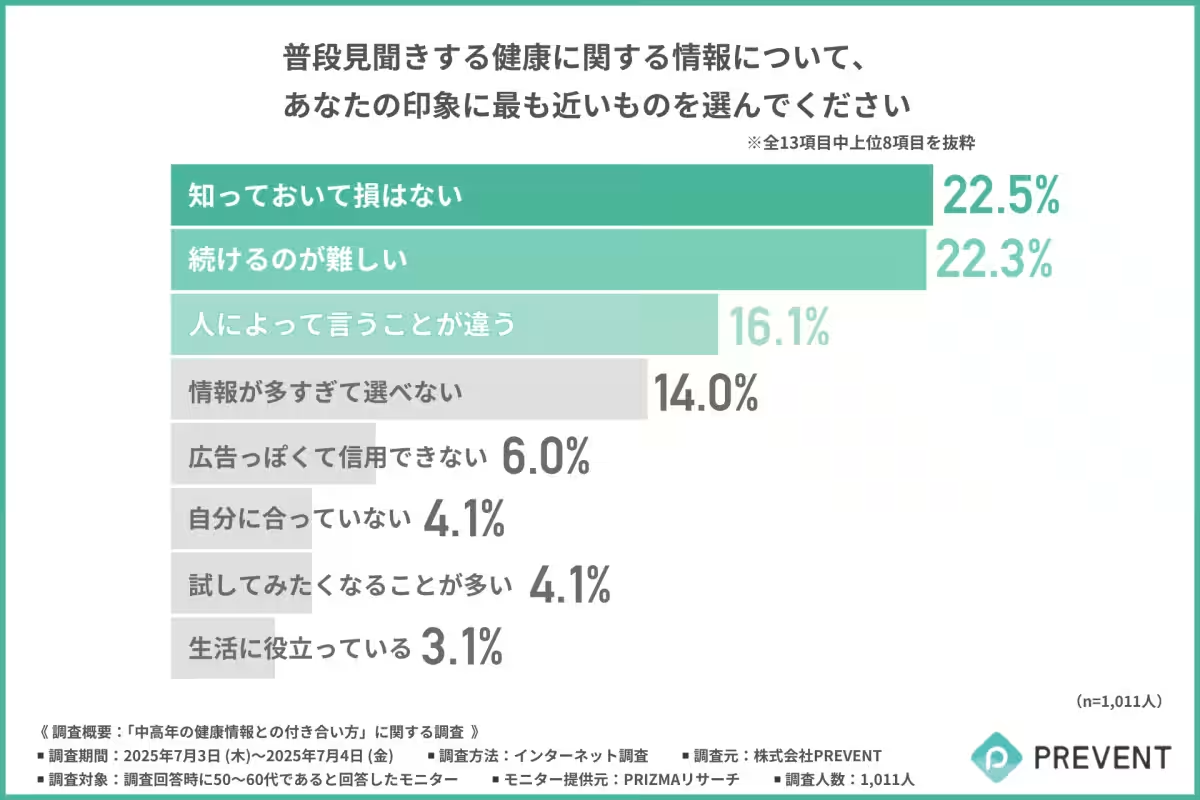
The survey further explored impressions of health-related information, revealing interesting trends. 22.5% of respondents felt that this information was beneficial to be knowledgeable about, yet 22.3% found it difficult to maintain, and 16.1% agreed that the advice varied greatly across different sources. This divergence indicates a concerning sentiment among the middle-aged demographic, highlighting distrust and confusion toward health information.
Common Health Concerns Among Middle-Aged Adults
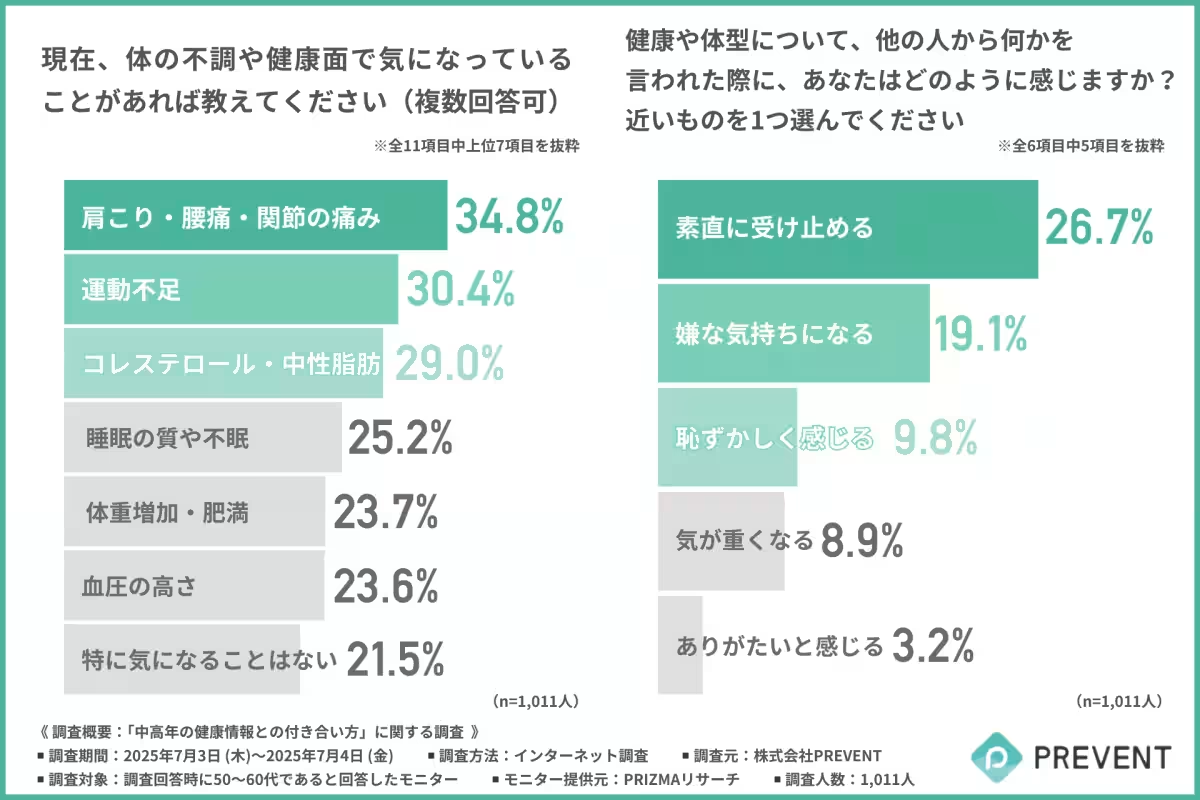
The survey also inquired about pressing health issues among respondents. A staggering 34.8% indicated that they were primarily concerned about shoulder and back pain or joint discomfort, while 30.4% cited lack of exercise, followed by cholesterol and triglycerides at 29.0%. Such responses are reflective of age-related health changes and bring to light the increasing awareness of physical ailments.
When asked how they felt when commented on their health or body type by others, results showed varying reactions. Approximately 26.7% accepted the feedback positively, whereas 19.1% reacted negatively. This duality underscores the sensitive nature of health-related conversations, emphasizing that comments on one's physique can evoke feelings of embarrassment or discomfort.
Sustained Health Practices
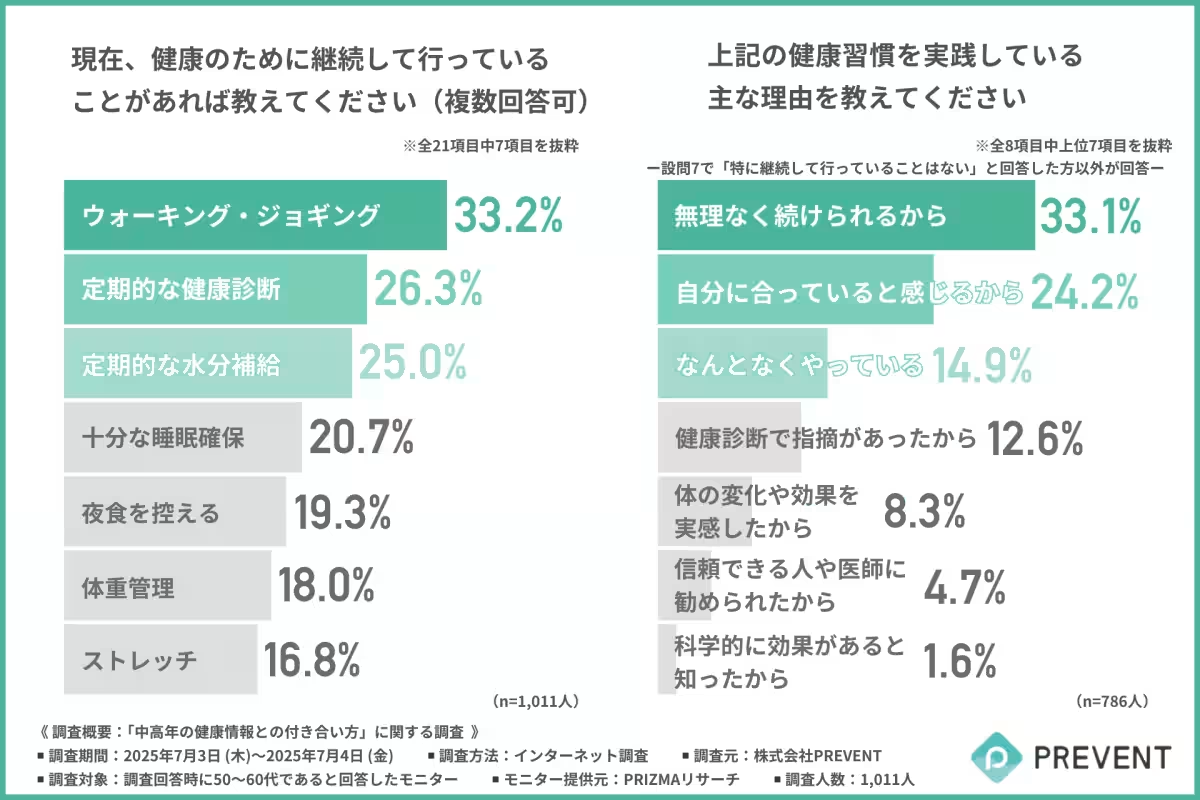
Among sustained health practices, walking and jogging again topped the list, with 33.2% of respondents continuing these activities. Additionally, regular health check-ups and hydration were noted by 26.3% and 25.0%, respectively. The common thread among these practices is their simplicity and ease of integration.
When asked why they continue these activities, 33.1% stated they could keep up with them without strain, suggesting personal comfort is crucial for continuation. Yet, there remains a notable percentage of individuals who engage in health activities without fully understanding their personal fit for these habits.
Interest in Personalized Health Habits
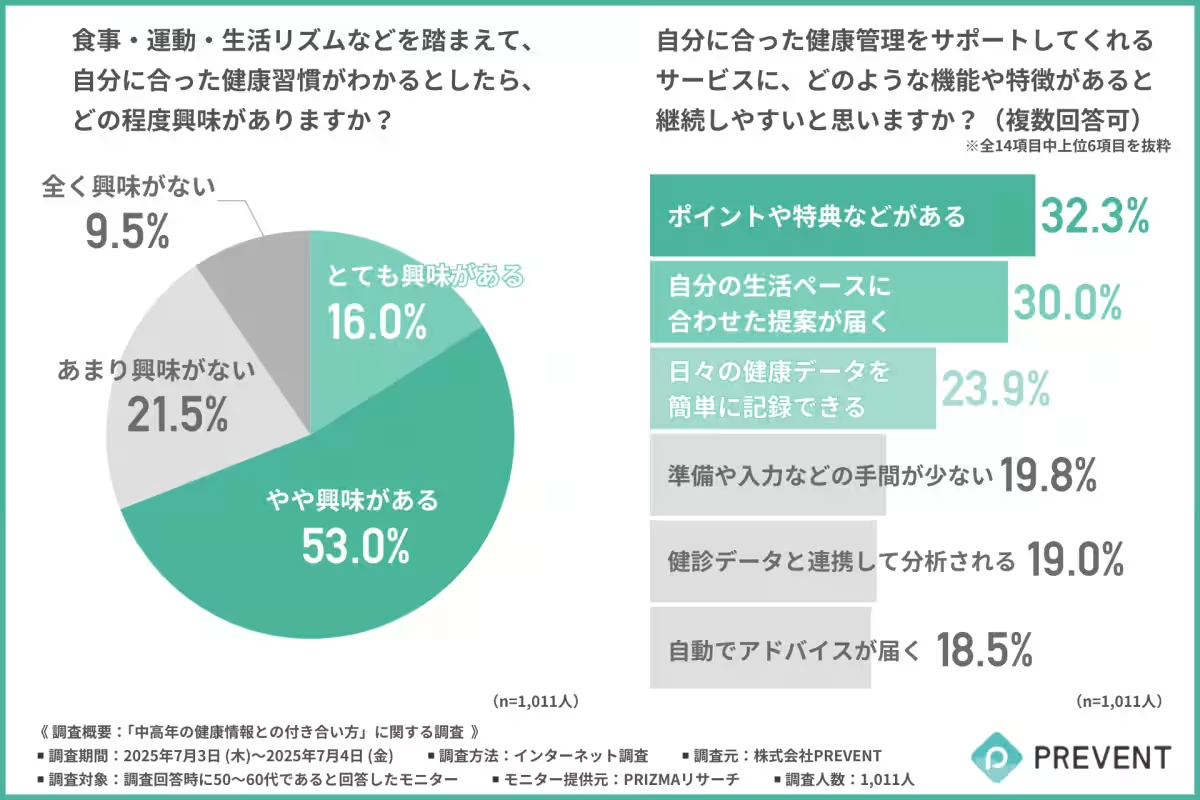
The survey illuminated a strong interest in personalized health habits, with around 70% of respondents expressing significant curiosity in understanding health routines that align with their diets, exercise, and rhythms of life. This reveals a desire for more tailored and effective health strategies. Moreover, desired features in health tracking services include incentives, personalized suggestions, and easy tracking of health data, highlighting the demand for achievable and fitting health solutions.
Conclusion
The survey results highlighted a critical insight: while middle-aged adults are aware of various health practices, the active implementation of these habits remains limited. There is a discrepancy between knowledge and action due to issues such as uncertainty regarding personal suitability, along with feelings of being overwhelmed by the sheer volume of information.
PREVENT’s online lifestyle support service, Mystar, aims to bridge this gap by delivering personalized health guidance rooted in collaboration with healthcare providers. This initiative promises an approach that prioritizes individual needs, making it essential for the aging population seeking reliable health support.
For more information about Mystar and how it can benefit your health journey, visit Mystar.


Topics Health)
【About Using Articles】
You can freely use the title and article content by linking to the page where the article is posted.
※ Images cannot be used.
【About Links】
Links are free to use.