



Nursing Workforce Challenges in Japan: Insights from 2025 Survey Results
Overview of the Nursing Workforce Survey 2025
In the face of growing concerns over nursing shortages in Japan, a recent survey conducted by SMS Co., Ltd. sheds light on the current challenges faced by healthcare facilities across the nation. With responses from 542 human resources personnel, this report provides valuable insights into the state of nursing employment, including recruitment difficulties and work environment issues.
Key Findings
1. Perception of Nursing Shortage
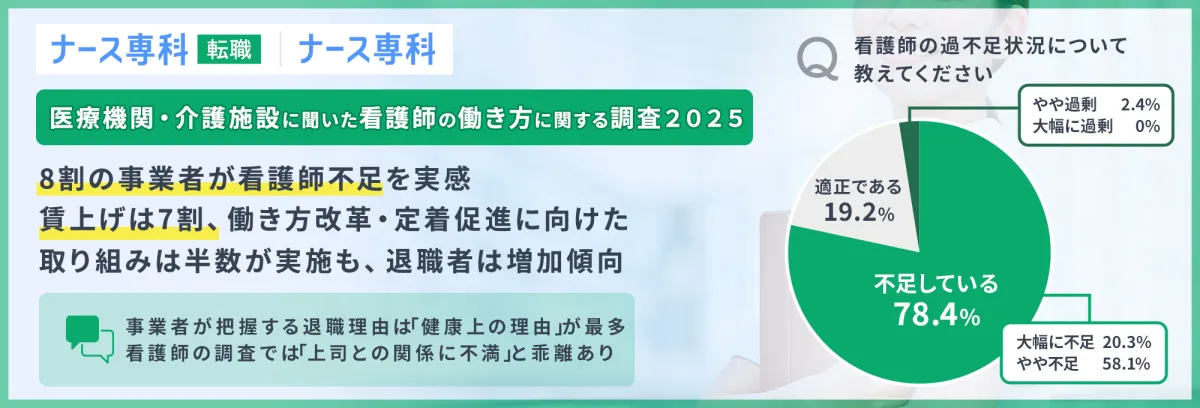
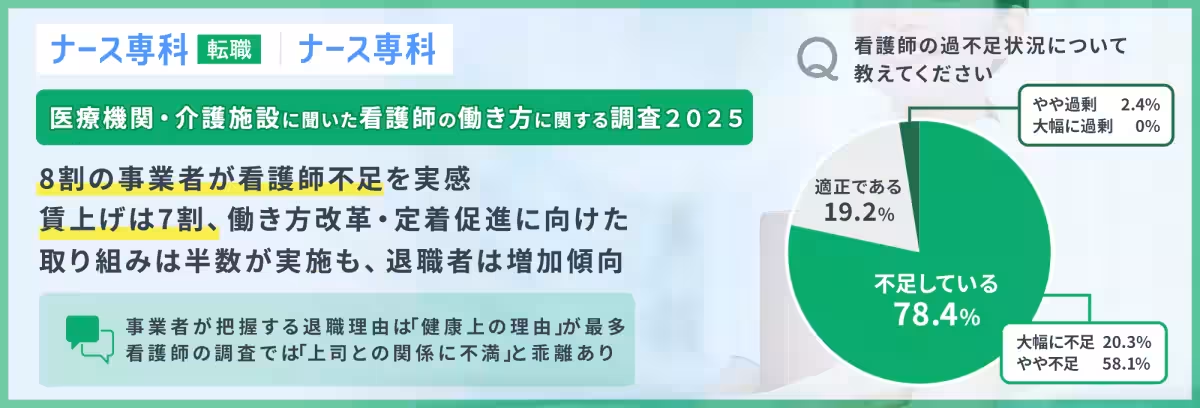
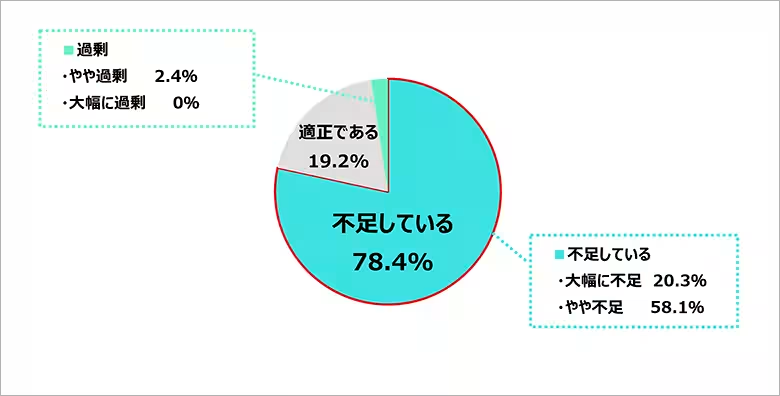
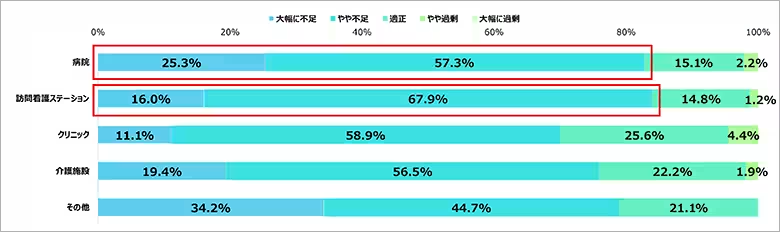
Approximately 78.4% of respondents reported experiencing a shortage of nurses. This shortage is felt particularly among home care services and hospitals, underscoring the critical need for manpower in these settings as demand for home healthcare services increases.
2. Overtime Work Trends
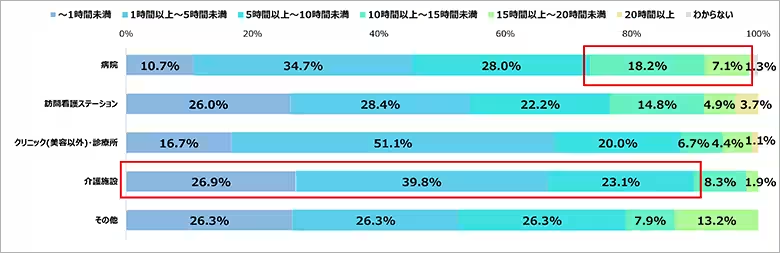
The survey finds that most facilities report average overtime hours ranging from one to five. Hospitals typically experience higher levels of unpaid overtime compared to care facilities. Interestingly, the levels of unpaid overtime vary significantly among home care service providers, indicating disparities in workload management.
3. Staffing Challenges for Assistants
About 17.9% of respondents acknowledged that while there is a need for nursing and caregiving assistants, adequate staffing remains a challenge. This points to a broader issue where many facilities need sufficient support staff to allow nurses to concentrate on their core duties.
4. Salary Increases
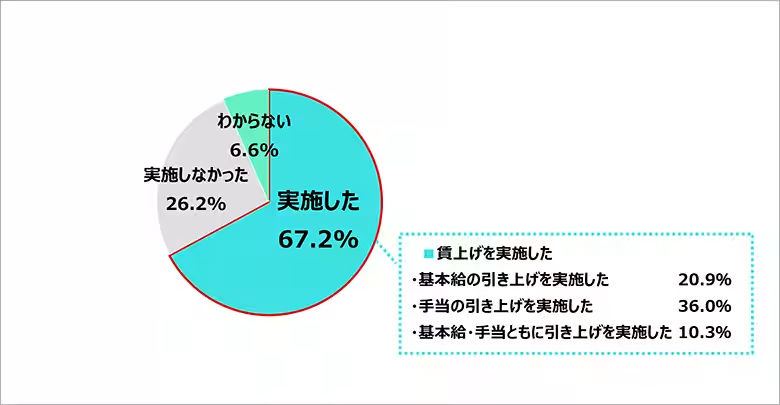
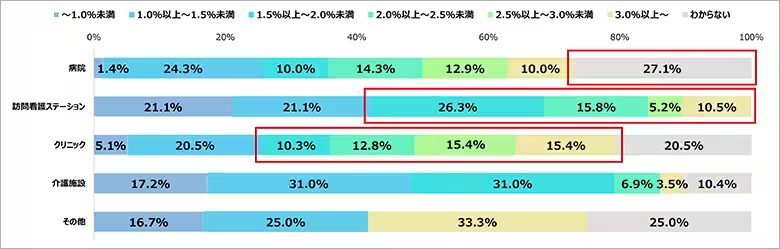
Despite some financial constraints, 67.2% of facilities plan to implement salary raises in 2024. While many facilities believe the changes in medical care compensation will not significantly impact their revenues—39.9% felt it would remain unchanged, while 28% anticipated negative outcomes—facilities still prioritize salary adjustments to attract and retain staff.
5. Recruitment Strategies
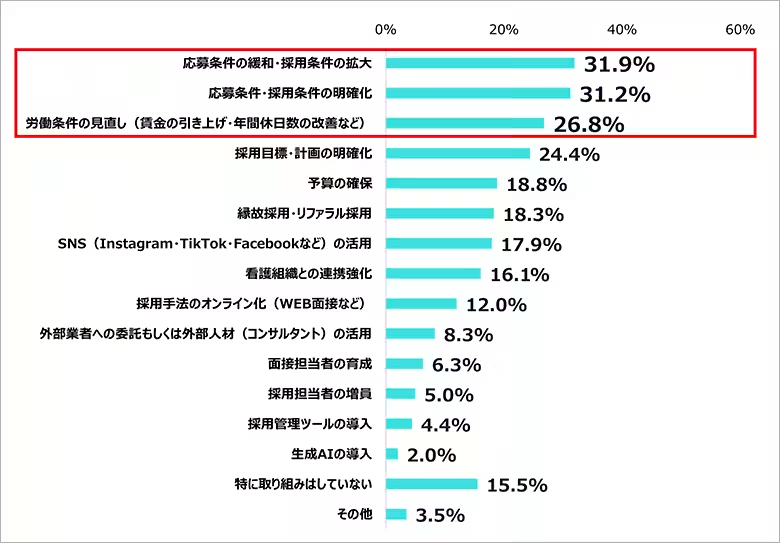
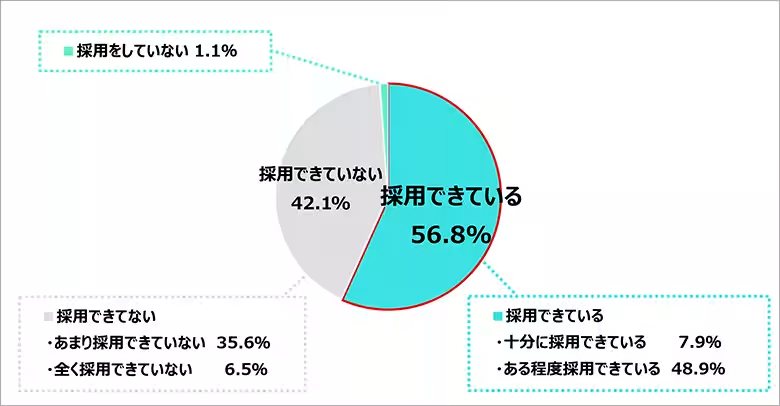
To address recruitment challenges, many healthcare providers are relaxing their hiring criteria. The most common initiatives include broadening application requirements (31.9%) and clarifying these standards (31.2%). Understanding the competitive landscape, healthcare facilities strive to make their job postings more appealing to potential candidates.
6. Recruitment and Retention Issues
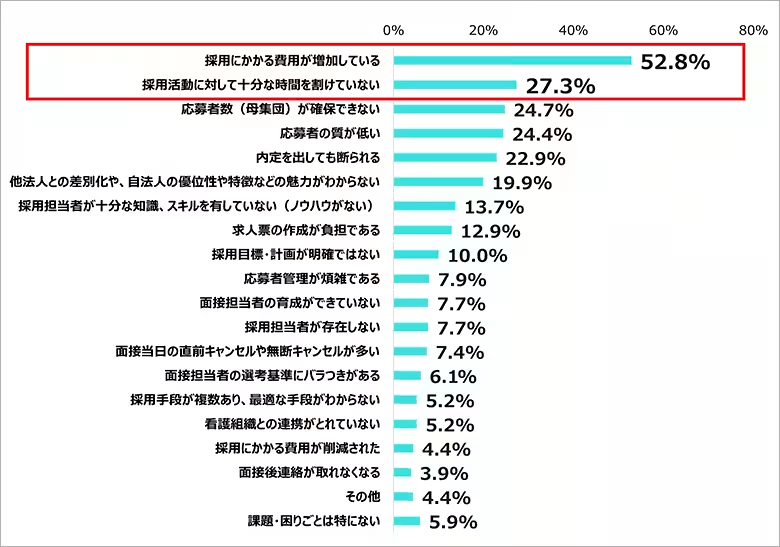
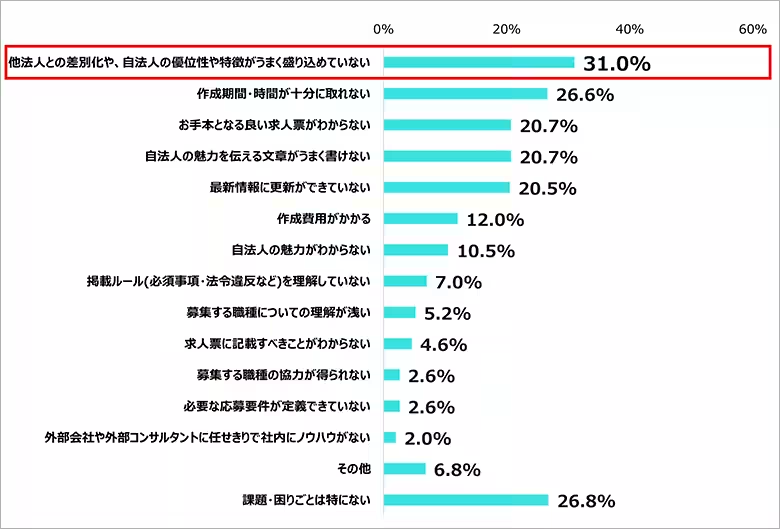
Nearly half of the organizations noted that their recruitment budgets are increasing, which strongly impacts their operational costs. The survey highlighted a clear struggle with the time and resources spent on recruitment, revealing that some organizations do not adequately showcase their strengths and advantages in job postings.
7. Rising Turnover Rates
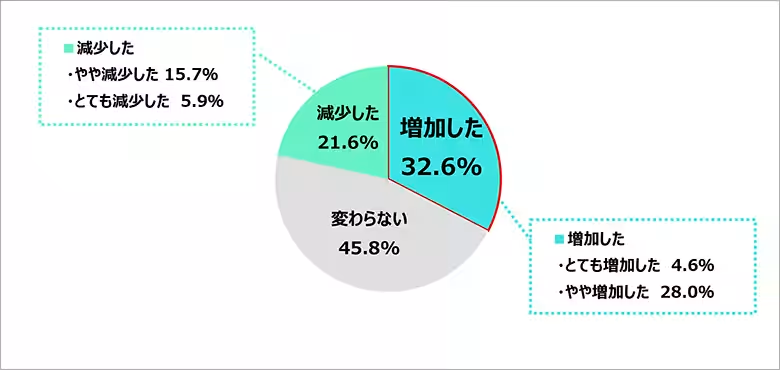
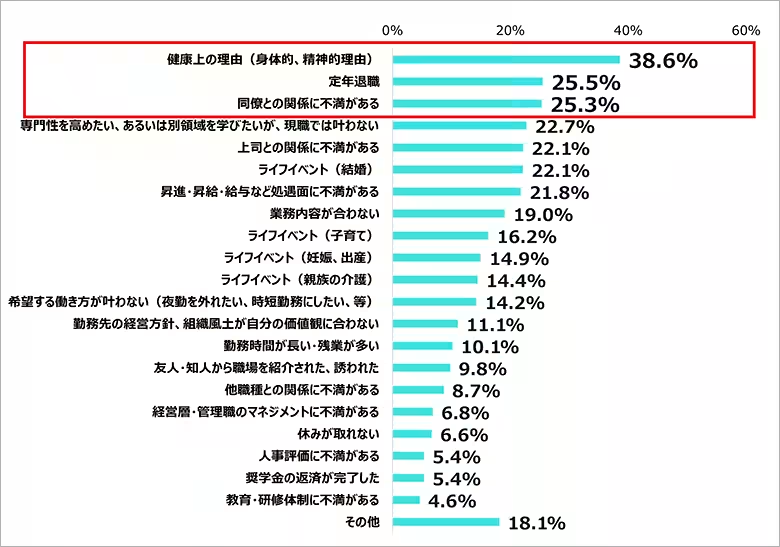
The data shows that nursing turnover has increased compared to the previous year, with 32.6% of respondents reporting more departures. The primary reasons cited for resignations include health issues (38.6%), mandatory retirements (25.5%), and dissatisfaction with co-worker relationships (25.3%).
Interestingly, a distinction exists between how employers perceive turnover reasons and the reasons nurses indicate in their feedback, highlighting a disconnect in understanding.
8. Work Environment Improvement Efforts
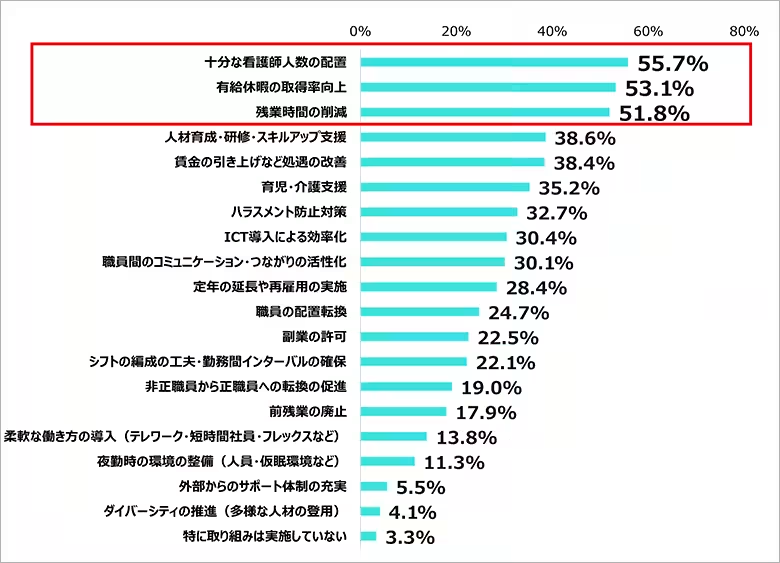
Approximately half of the surveyed facilities have adopted measures toward improving work conditions and promoting retention. Key strategies include ensuring adequate staffing levels (55.7%), enhancing paid leave uptake (53.1%), and reducing overtime hours (51.8%).
9. Support Systems in Place
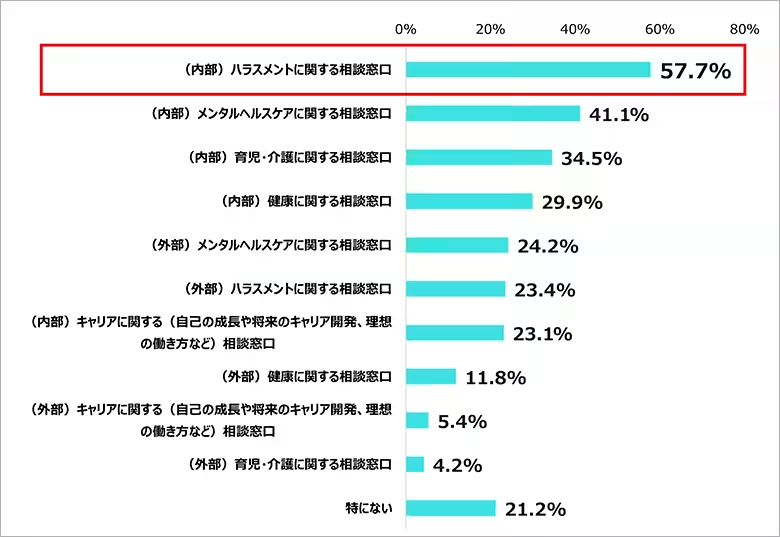
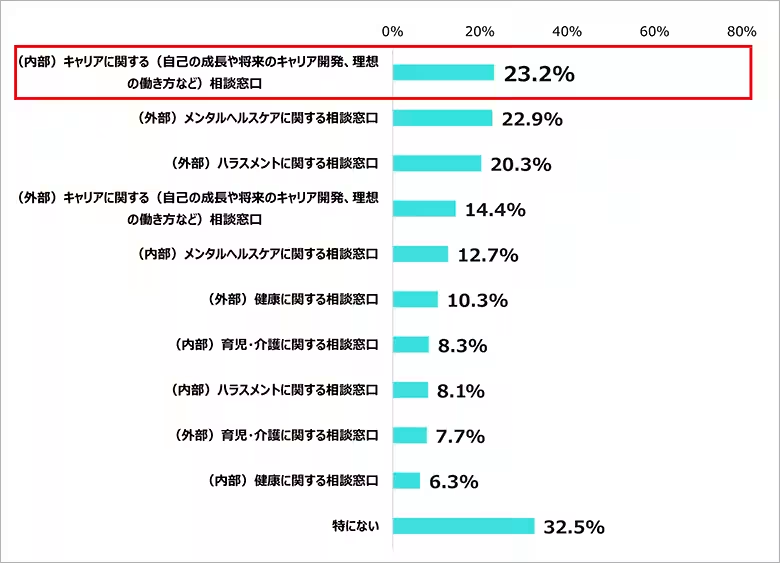
Most organizations (57.7%) have implemented internal support systems for dealing with harassment. However, there is a noted disparity between the support that nurses feel they need, which leans towards external support systems (31.5%). This highlights the need for organizations to reevaluate their support structures to better meet the demands of their staff.
10. Challenges in Training and Development
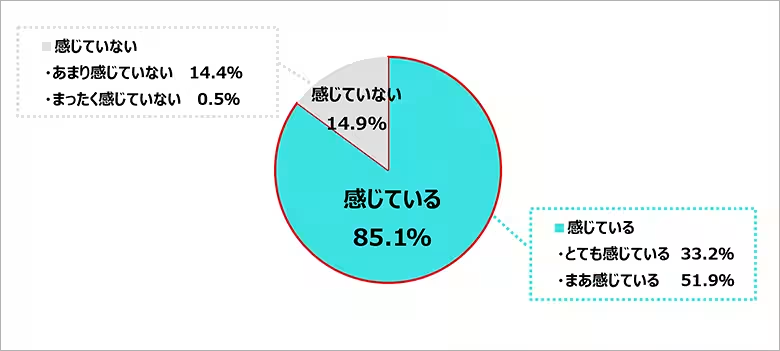
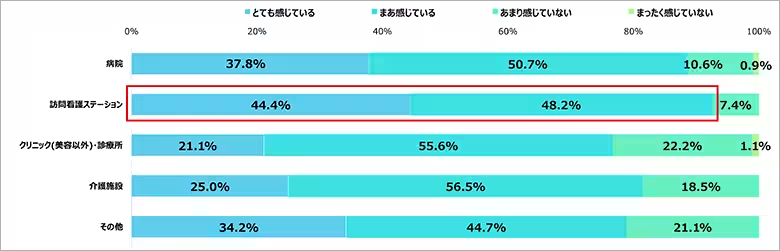
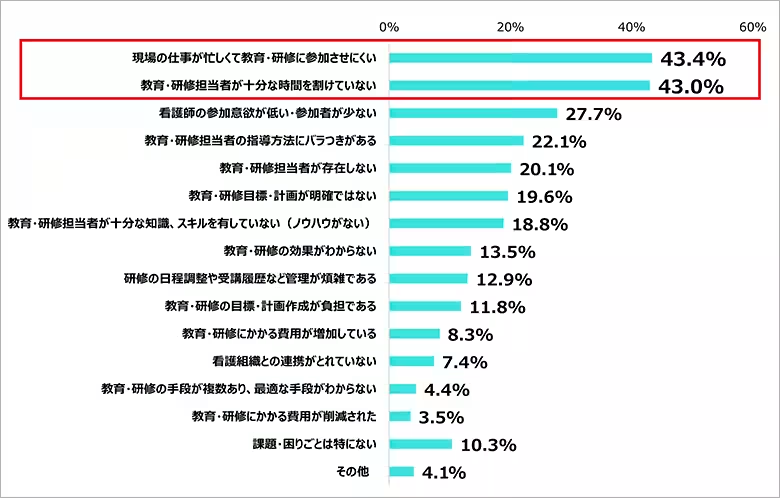
A striking 85.1% of respondents identified challenges in providing adequate training and education for nurses. Common obstacles include the demanding nature of the job making attendance difficult and insufficient resources allocated to training.
Conclusion
The survey points to a pressing need for healthcare organizations to not only address immediate staffing and retention challenges but also to bridge the understanding gap between employers and nurses. By actively listening to nursing staff and aligning organizational practices with their needs, facilities can create a more supportive work environment that enhances job satisfaction and reduces turnover rates.
For future research and continuous development in staffing practices, it is vital to keep track of these insights annually to adapt to the ever-changing landscape of healthcare in Japan.





Topics Health)
【About Using Articles】
You can freely use the title and article content by linking to the page where the article is posted.
※ Images cannot be used.
【About Links】
Links are free to use.