



Recent Survey Reveals Improved Corporate Confidence and AI Adoption Trends
Insights from the 18th Worker Awareness Survey
On January 29, the Japan Productivity Center released the findings of its 18th ongoing survey, focusing on current employee sentiments, workforce development, and working styles. Conducted every quarter since May 2020 and now transitioning to a biannual schedule, the survey captured insights from 1,100 employed individuals across Japan from January 5-6, 2024. This period followed the appointment of the first female Prime Minister, Kawai Takai, the abolition of a provisional gasoline tax, and amid increasing uncertainties in international relations regarding Japan-China ties.
Key Findings
Economic Sentiment Shifts
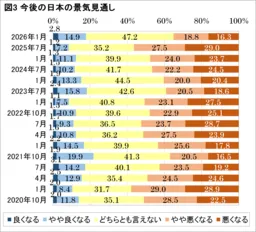
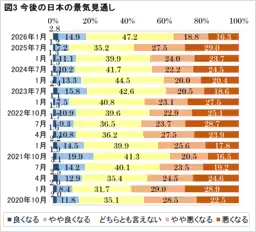
This survey indicates a remarkable improvement in corporate confidence regarding economic conditions. The percentage of respondents expressing concerns about the current and future economy significantly decreased. For example, those considering the economy as 'bad' or 'somewhat bad' dropped from 68.3% in the previous July 2023 survey to just 51.3% in this latest round, marking the lowest level since the survey’s inception.
Additionally, those expecting the economy to worsen has also decreased, from 56.5% to 35.1%. This shift indicates a growing optimism compared to previous data, defying increasingly pessimistic sentiments noted in earlier surveys.
Workplace AI Adoption
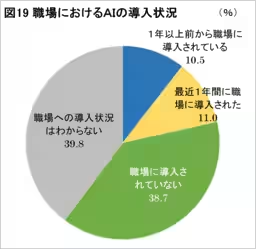
In an intriguing development, the current survey also delved into the use of AI in workplaces for the first time. Approximately 20% of participants reported that AI is integrated into their work settings, with around 60% of those utilizing AI technologies for their jobs. Respondents expressed a generally positive view on AI's role in enhancing workplace efficiency and fostering innovation. For instance, 54.5% agreed that AI contributed to operational efficiencies, while about half believed that it could lead to innovative ideas. However, concerns regarding ethical implications and a general unease about AI remained prevalent, highlighting a divided perception towards this emerging technology.
Changing Work Dynamics
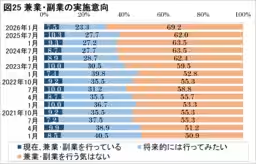
The survey highlighted a notable decline in enthusiasm for side jobs and self-improvement activities. The proportion of individuals stating they do not wish to engage in side work rose to an unprecedented 69.2%, reflecting a growing inclination towards focus and stability in primary employment. Additionally, only 32.4% of respondents indicated they are pursuing or wish to pursue further self-development, marking a historic low.
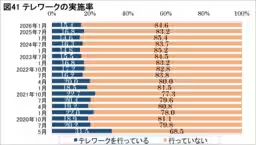
Moreover, when it comes to remote work, the implementation rate slightly decreased from 16.8% to 15.4%. Among those not currently working from home, only 36.4% expressed a desire to do so if given the option, suggesting a significant portion of the workforce is content with traditional office settings or prefers not to change their working habits.
Conclusion
The 18th Worker Awareness Survey provides critical insights into the evolving attitudes of Japanese workers, revealing a complex landscape of optimism about the economy and cautious engagement with new technologies like AI. As companies navigate through these changing sentiments, understanding and adapting to these trends will be vital for future workforce management strategies. For further details and data, the full report is available on the Japan Productivity Center's research website: Japan Productivity Center Report.
Topics People & Culture)

【About Using Articles】
You can freely use the title and article content by linking to the page where the article is posted.
※ Images cannot be used.
【About Links】
Links are free to use.