



Exploring the Advantages and Disadvantages of Hybrid Work Through a New Survey
Exploring the Insights of Hybrid Work: A Survey Analysis
LASSIC, a company committed to promoting flexible workstyles, recently conducted a comprehensive survey to explore the advantages and disadvantages of hybrid work models. With the growing shift towards flexible working arrangements, understanding employee perceptions has never been more critical. This survey involved 1,004 individuals aged between 20 and 65, all of whom have experience with remote work.
Survey Overview
The survey focused on gathering opinions regarding hybrid work, which combines both remote and in-office working styles. Given the broad spectrum of work environments—full remote, full in-office, and hybrid—LASSIC aimed to delve into which styles are perceived as most beneficial. It is essential to gather insights from diverse angles to enrich the ongoing discourse surrounding work arrangements.
Advantages of Hybrid Work
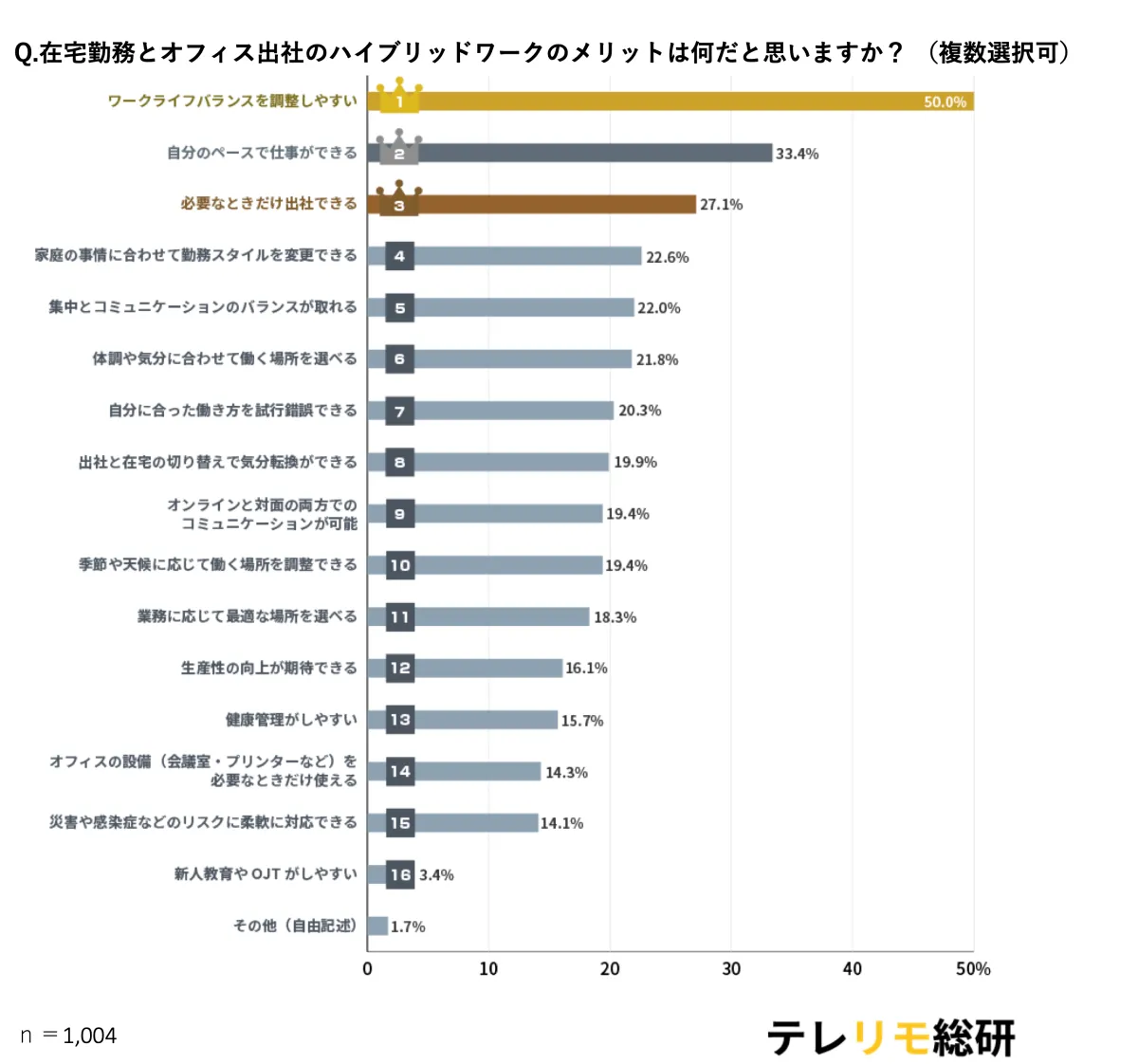
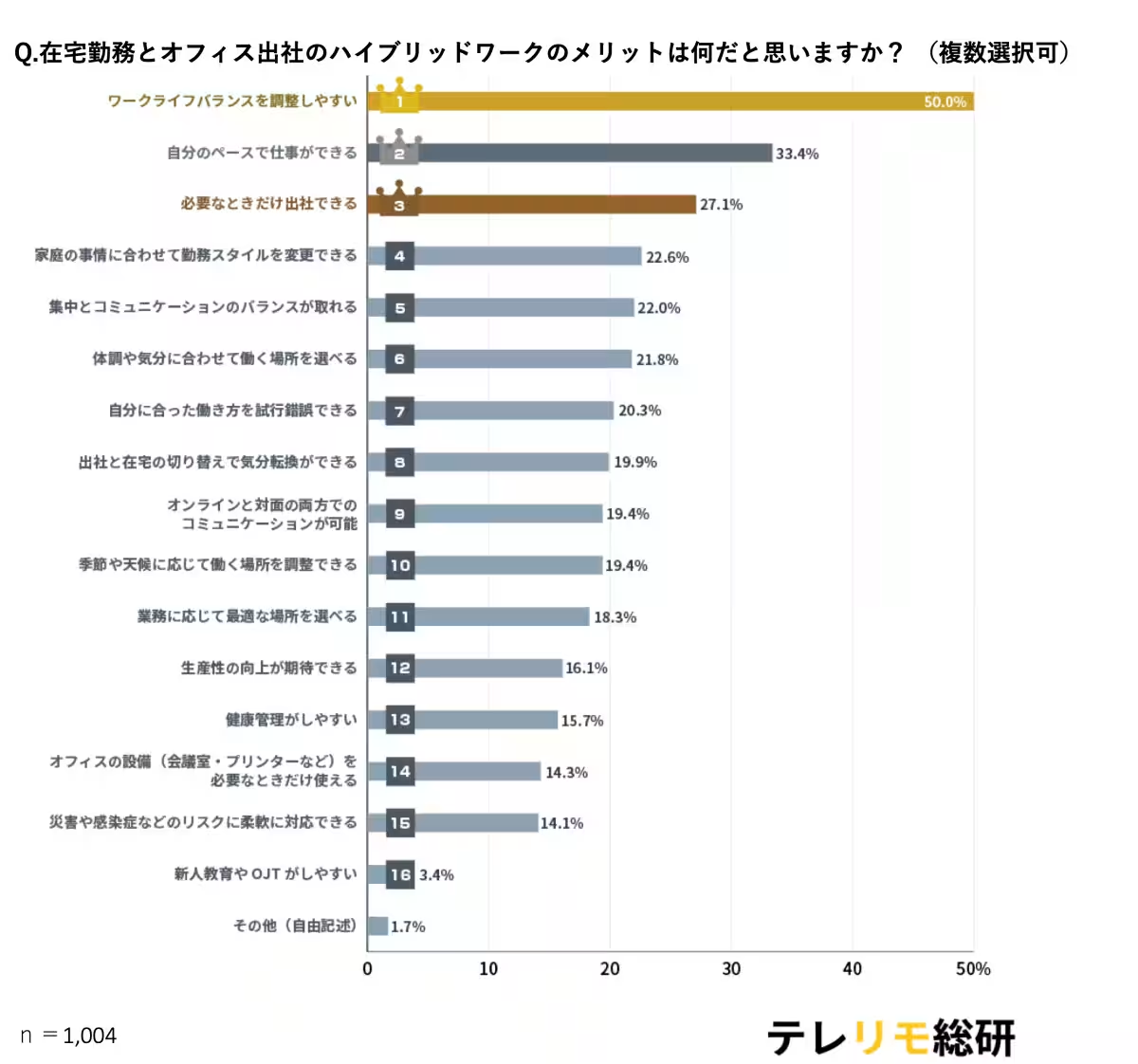
When asked about the advantages of hybrid work, respondents highlighted several key points, with 'work-life balance adjustment' being the most prominent, noted by 50.0% of participants. Other important benefits included the ability to choose work locations and flexibility in working pace-often closely tied to personal circumstances.
1. Work-Life Balance (50.0%): The flexibility to balance personal life and work commitments was highly rated.
2. Adaptability (22.6%): Changing work styles according to home conditions was also valued.
3. Personal Preference (21.8%): Employees appreciated being able to choose their work location based on mood or health.
4. Seasonal Flexibility (19.4%): Adjusting work locations based on weather was another highlight.
Disadvantages of Hybrid Work
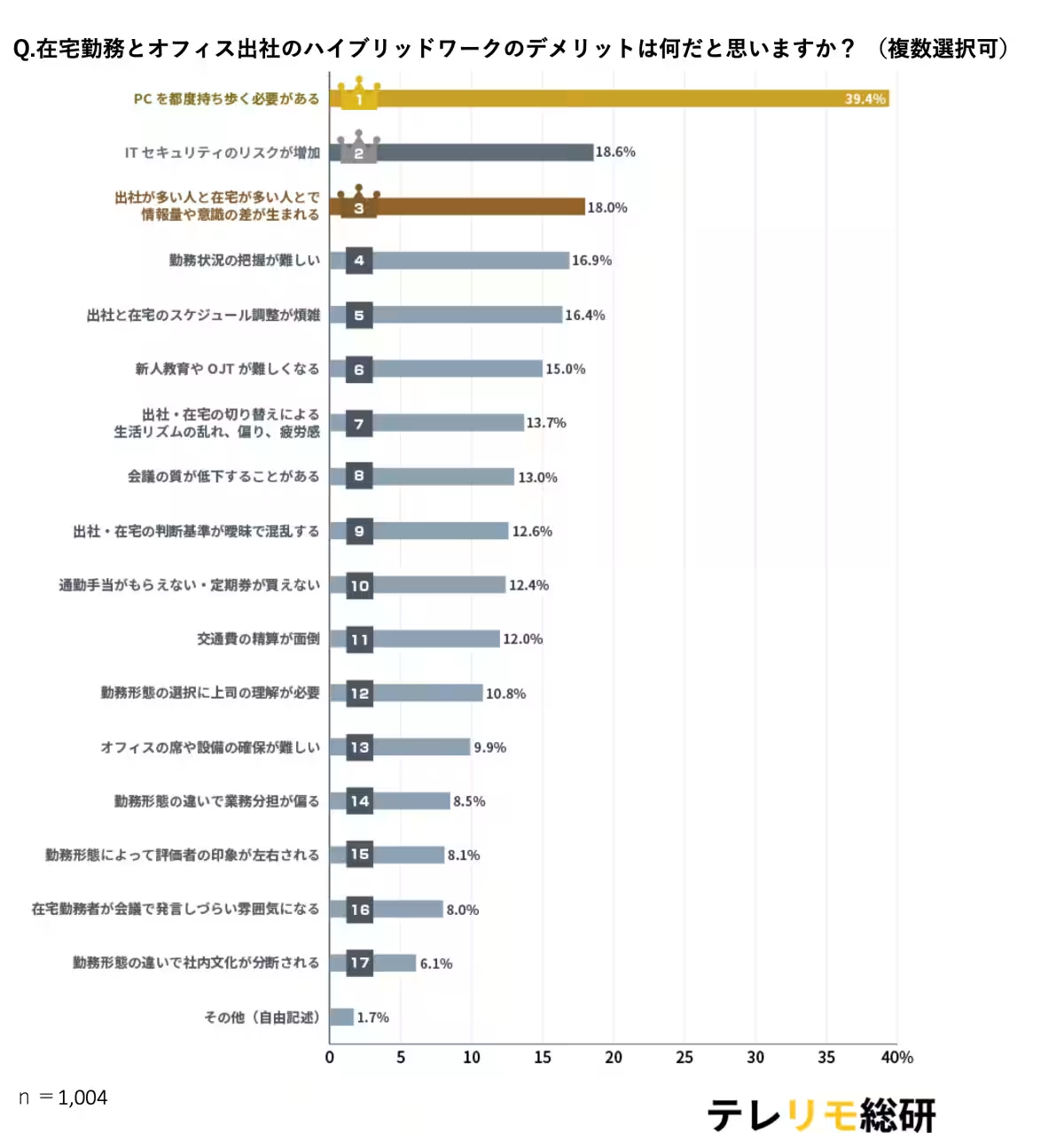
However, hybrid work is not without its challenges. The most common drawback cited was the necessity to carry a PC frequently, which garnered a notable 39.4% response rate. Other significant disadvantages included difficulties with management, such as monitoring work status and sharing information, both critical for effective collaboration.
1. PC Mobility (39.4%): The inconvenience of carrying equipment stood out as a major hurdle.
2. Management Difficulties (16.9%): Employees noted that tracking working conditions and information sharing became troublesome.
3. Challenges in Training (15.0%): Some expressed that it hampered the training of newcomers, with 3.4% mentioning that hybrid models hinder OJT opportunities.
4. Quality of Meetings (13.0%): There were concerns regarding reduced meeting efficacy under hybrid settings.
Other complaints also touched on commuting issues, with responses highlighting the lack of commuting benefits and the hassle of transportation reimbursement, which accounted for approximately 10% of negative feedback.
Comparing Hybrid and Full In-Office Work
In order to gain deeper insights, it was essential to compare hybrid work outcomes with those of full in-office employment. For instance, while hybrid work had its disadvantages regarding new employee training, full office-based jobs benefitted from improved training capabilities, as indicated by a 17.8% agreement rate on their ease of training new staff.
Moreover, while hybrid work was associated with a decrease in meeting quality, full office settings promoted a higher quality of discussions and collaboration, suggesting that physical presence indeed creates synergies that benefit team dynamics.
Navigating Work Preferences
Ultimately, the survey results underscore the fact that the optimal choice between hybrid and in-office work largely depends on individual preferences regarding flexibility, management ease, and personal circumstances. The debate around workstyles will continue as LASSIC strives to facilitate remote work as an integral part of modern working environments.
Conclusion
With ongoing research and surveys, LASSIC is dedicated to bringing awareness and promoting optimal work environments. This survey serves as a vital resource to understand the evolving landscape of workplace preferences and arrangements, highlighting the importance of adaptable working arrangements in today's dynamic society.
For more information and analysis, please visit the Telework Comprehensive Research Institute at LASSIC's website: LASSIC.



Topics Business Technology)
【About Using Articles】
You can freely use the title and article content by linking to the page where the article is posted.
※ Images cannot be used.
【About Links】
Links are free to use.