



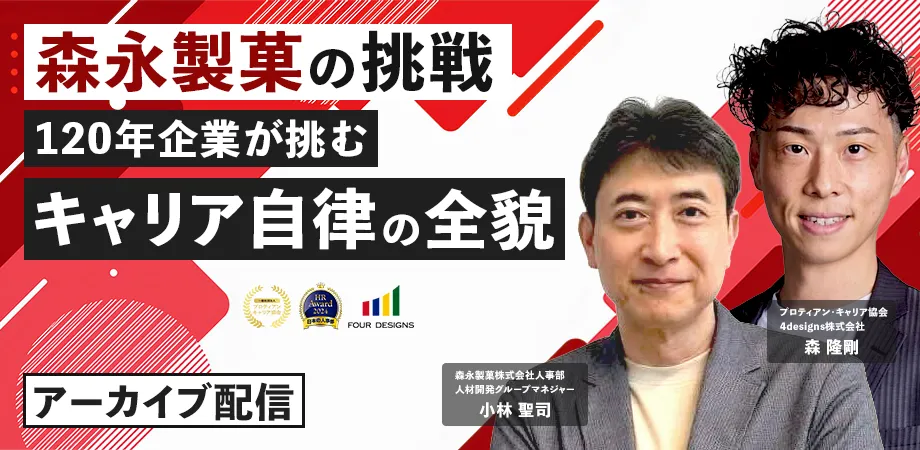
The Comprehensive Challenge of Career Autonomy by Morinaga Confectionery: Insights from Their Transformative Journey
The Comprehensive Challenge of Career Autonomy by Morinaga Confectionery
In a significant stride towards modernizing its corporate culture, Morinaga Confectionery, a company with a rich tradition dating back to 1899, has sought to redefine the relationship between the organization and its workforce. The company has recently launched an archive of their seminar titled "The Challenge of Morinaga Confectionery: The Full Story of Career Autonomy," which seeks to illuminate their strategy of integrating career autonomy into the very fabric of their operations.
With an eye on 2026, Morinaga has classified 2022 as the 'year of career autonomy' and actively involved its approximately 2,400 employees in initiatives aimed at reshaping how they approach their careers. This radical change aims to move away from conventional models where the organization dictated career paths, and instead, empower employees to take charge of their own professional journeys.
Understanding Career Autonomy in Context
The notion of career autonomy, as introduced by Morinaga, doesn't merely replace traditional structures but serves as the foundation for a fundamental organizational transformation. By embracing this concept, Morinaga is aspiring to evolve into a 'wellness company' by 2030, prioritizing employee well-being and satisfaction as key drivers for business success.
From Ownership to Empowerment
In previous corporate cultures, particularly within traditional Japanese firms, the organization was seen as the owner of a career, and employees were often passive participants. Morinaga is breaking this mold by paving the way for a more dynamic employee experience, where individuals are encouraged to take ownership of their career paths.
Top-Down Commitment to Change
A noteworthy element of Morinaga's strategy was the introduction of a motivational video from the former CEO, sharing insights on why it’s now crucial for employees to embrace career autonomy. This message, coupled with a company-wide e-learning initiative, underscores the management’s commitment and has laid a sturdy framework for a cultural shift within the company. By intertwining this strategy with human resources, they are fostering an environment that promotes personal career development as a collective endeavor.
Making Management Easier
A common concern among organizations transitioning to a framework of career autonomy is the potential increase in employee turnover. However, Morinaga flips this concern on its head. Their belief is that enhanced employee autonomy can actually ease management burdens. To support this premise, workshops aimed at leaders clarify that guiding employees towards fulfilling careers does not mean dictating every step of their journey. Instead, it promotes a culture of support where managers adopt a coaching role, fostering an environment conducive to individual growth. Employees receive nuanced support, enhancing engagement across teams, while management remains agile and responsive to the evolving needs of their staff.
Additional Insights
As demonstrated in the recent seminar, key figures from Morinaga Confectionery and 4designs, a consulting firm, shared their experiences and challenges faced during this transformative journey. Lead facilitators included Seiji Kobayashi from Morinaga, whose journey began in sales before transitioning fully into HR, reinforcing how extensive experience within various departments can enrich strategic HR initiatives. The incorporation of quality career coaching within teams also plays a vital role in ensuring the sustainability of these changes.
Why This Matters
For companies interested in fostering a culture of career autonomy, Morinaga's case serves as a powerful example. Their commitment to integrating this ethos into everyday practices demonstrates the importance of not just implementing policies but deeply understanding and embodying the core principles that drive such initiatives. As companies seek to navigate the complexities of modern work environments, adopting strategies that prioritize employee autonomy and development may become not just advantageous but essential for long-term sustainability.
For those inspired by Morinaga’s approach, the seminar archive offers a treasure trove of insights into the practical application of career autonomy in a traditional corporate setting.
Conclusion
The journey to establishing a culture of career autonomy is neither simple nor straightforward, but the outcomes promise enhanced employee satisfaction, loyalty, and overall organizational health. As Morinaga Confectionery leads by example, other companies may find valuable lessons in their pioneering approach to career development.
For more information and to attend the archive presentations, visit Protean Career Association's seminar page.




Topics People & Culture)






【About Using Articles】
You can freely use the title and article content by linking to the page where the article is posted.
※ Images cannot be used.
【About Links】
Links are free to use.